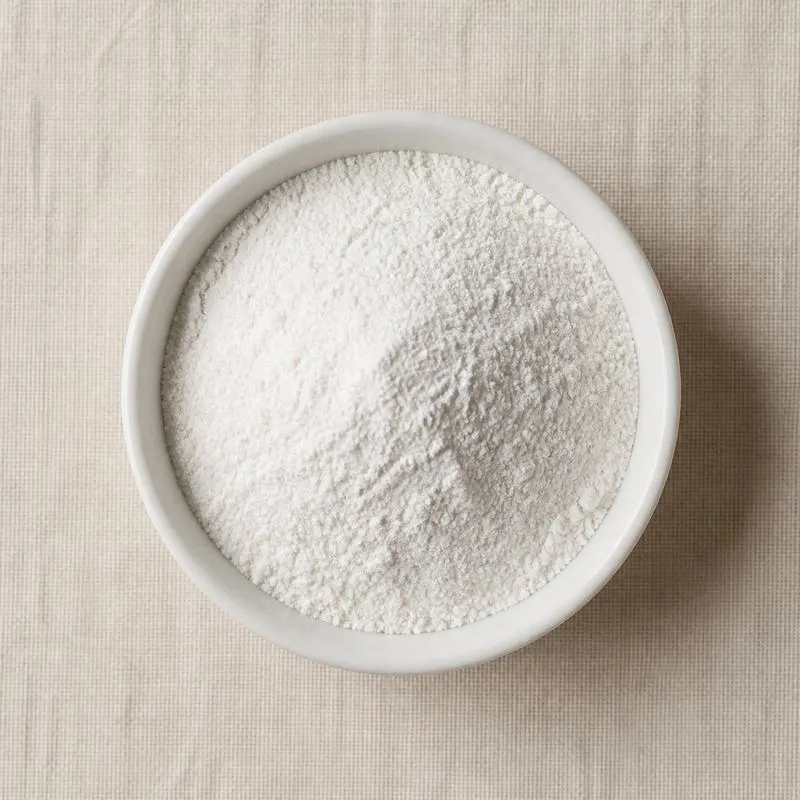
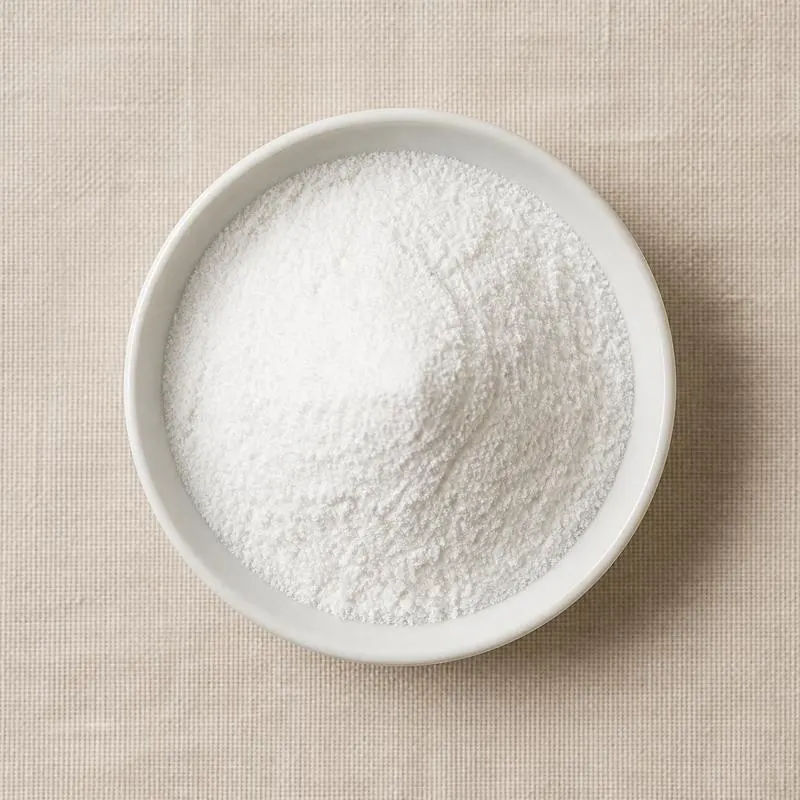
Mixture Of Sodium Lactate And Sodium Acetate
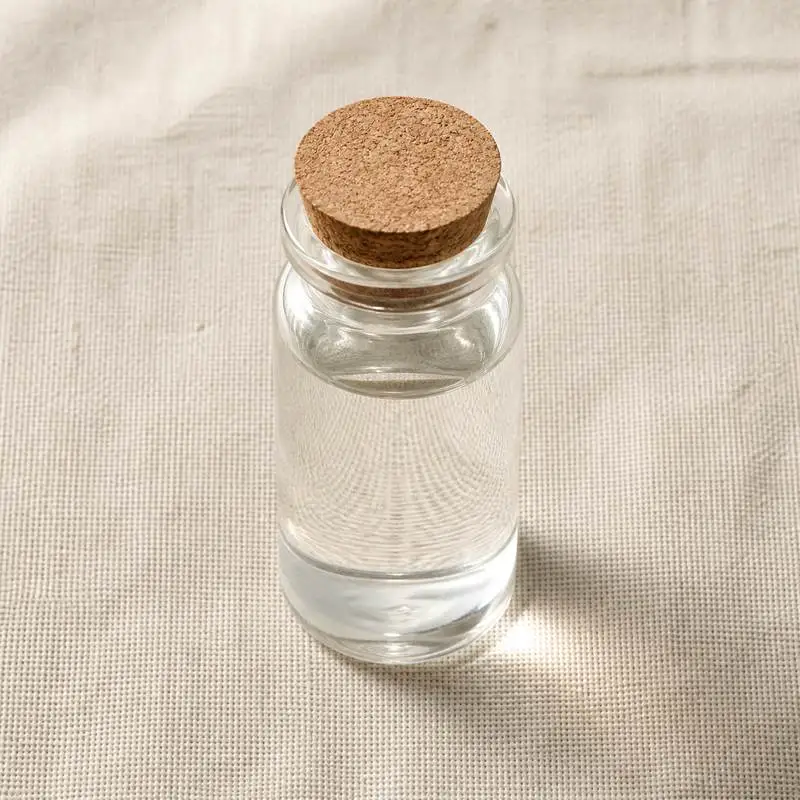
Mixture Of Sodium Lactate And Sodium Acetate is an engineered liquid blend of the sodium salts of lactic acid and acetic acid, sold as a clear, slightly yellow aqueous solution. The most common commercial ratio is 60 percent sodium lactate to 40 percent sodium acetate on an active-solids basis, sold at around 56 to 60 percent total solids in water.
The blend is designed as a clean-label antimicrobial system for ready-to-eat and cooked meat and poultry products, where it extends shelf life and suppresses the growth of Listeria monocytogenes and several spoilage organisms without altering the flavour profile of the finished product.
We source bulk Mixture Of Sodium Lactate And Sodium Acetate from top China manufacturers for our partners. The manufacturer is in Shandong. A smaller requirement can ship in a combined container with other ingredients.
Please send the grade you need, the volume and your destination port, and we will come back with a solution and a price.
or call +86-21-6858 0751

- Packaging
- 250 kg plastic drum or 1,000 kg IBC tote
- ISO 9001
- HACCP
- Halal
- Kosher
Specifications
Grades / Types Available: Food Grade
| Item | Specification |
|---|---|
| Appearance | Clear, colorless to pale yellow liquid |
| Total Solids | 50.0–60.0% |
| Sodium Lactate (dry basis) | 55.0–75.0% |
| Sodium Acetate (dry basis) | 25.0–45.0% |
| pH | 7.0–9.0 |
| Chloride (Cl) | ≤ 0.1% |
| Sulfate (SO₄) | ≤ 0.05% |
| Heavy Metals (as Pb) | ≤ 10 mg/kg |
| Lead (as Pb) | ≤ 0.5 mg/kg |
| Arsenic (as As) | ≤ 1 mg/kg |
| Total Plate Count | ≤ 1,000 CFU/g |
| Yeast & Mold | ≤ 100 CFU/g |
| E. coli | Negative/g |
| Salmonella | Negative/25g |
| Sodium lactate Assay | 52.5%wt -55.5%wt |
| Color(Fresh Solution) | Max.50 Hazen |
| Sodium diacetate Assay | 9.0%-11.0% |
| Calcium | Max. 20 ppm |
| Iron | Max. 10 ppm |
| Heavy metals total | Max. 10 ppm |
Common Markets Grades
The mixture is commercially available in several ratios. The 60:40 lactate-to-acetate blend is the format most widely used in U.S. ready-to-eat meat plants. A 65:35 ratio is also produced for applications where a softer acid note is preferred. European processors often use a 70:30 or 80:20 blend tuned to local sensory expectations.
All grades are concentrated aqueous solutions at total-solids levels between 55 and 60 percent. Bulk shipments move in stainless or HDPE tankers, IBCs, and 200-litre drums. The solutions are storage-stable for twelve months or more at ambient temperature and do not need refrigeration.
Buffered variants with a small fraction of free lactic or acetic acid are produced for applications that require a defined antimicrobial pH on dosing. Calcium-fortified versions, in which a portion of the sodium is replaced by calcium, are used where extra calcium can support a related functional benefit such as texture firming.
Applications
- Antimicrobial and shelf-life extender in cooked hams, turkey breast, roast beef, and other ready-to-eat sliced meats
- Listeria-control system in hot dogs, frankfurters, and cooked sausages
- Moisture retention and yield-improvement aid in injected and tumbled meat products
- Spoilage-organism control in fresh poultry parts and ground meat under modified-atmosphere packaging
- Colour and flavour stabiliser in cured and uncured deli meats
- Antimicrobial component in refrigerated wet salads, sandwich fillings, and meal-kit proteins
- Shelf-life aid in fresh pasta, gnocchi, and refrigerated dough systems
- Component of marinades for sous-vide and HMR meal applications
- Buffering and antimicrobial blend in cheese spreads and processed-cheese products
- Process-water treatment in seafood and poultry chilling lines
Brands Using Mixture Of Sodium Lactate And Sodium Acetate
Widely-distributed consumer products that list Mixture Of Sodium Lactate And Sodium Acetate on the ingredient label.
- Smithfield Foods (Eckrich)Eckrich Ham Off the Bone Deli Meat ↗Ready-to-eat deli ham ingredient panel uses sodium lactate plus an acetate-source preservative system (60:40-style antilisterial blend) as the cure carrier.Label verified 2026-05-24
- Tyson Foods (Hillshire Farm)Hillshire Farm Deli Select Smoked Ham Lower Sodium ↗Panel: 'Cured with Water, Dextrose, Contains 2% or Less of: Sodium Lactate, Salt, Potassium Lactate, Sodium Phosphate, Yeast Extract, Sodium Diacetate (sodium-lactate + sodium-acetate blend), Sodium Ascorbate, Sodium Nitrite.'Label verified 2026-05-24
Brand names, product names and logos are the property of their owners. They appear here as published evidence that the ingredient is used, taken from the brand's own label or website. Their appearance is not an endorsement, and it does not mean the brand buys from us or from any manufacturer listed on this site.
China Manufacturers of Mixture Of Sodium Lactate And Sodium Acetate
Top Mixture Of Sodium Lactate And Sodium Acetate manufacturers in China.

Company names and logos are the property of the manufacturers themselves. They are listed here because our own directory records them as producing this ingredient. A listing is not an endorsement by them, and we do not represent them or speak on their behalf.
How We Help Source Mixture Of Sodium Lactate And Sodium Acetate
Direct Factory Sourcing
We run the whole process: selecting the manufacturer from the top Chinese food ingredient producers, negotiating the price, verifying quality, and coordinating the logistics. You deal with us instead of with several factories at once.
Original Packaging and Documents from the Manufacturer
The manufacturer sends your Mixture Of Sodium Lactate And Sodium Acetate out of its own factory in the original packing, through to your destination port. The COA, COO, MSDS, TDS and any certifications reach you from the manufacturer as well.
Free Samples and Lead Time
We send 100 to 500 g free for your own laboratory to test and you cover only the courier, usually within 2 to 3 working days. ETD is usually within 7 to 15 days once the order is confirmed, and we check that date against the factory's own manufacturing schedule before we give it to you.
Combined Shipment
We can load Mixture Of Sodium Lactate And Sodium Acetate together with other ingredients such as Sodium Acetate, Calcium Citrate and Sodium Lactate into one 20' FCL. If your quantity is small, we can also ship LCL.
Regulatory Status
Both sodium lactate and sodium acetate are well-established food additives and are individually approved in all major regulated markets.
In the European Union sodium lactate is listed as E325 and sodium acetate as E262(i) under Regulation 1333/2008, both with quantum satis authorisation in many food categories. The blended product is treated as a combination of these two approved ingredients.
The U.S. Food and Drug Administration recognises sodium lactate as GRAS under 21 CFR 184.1768 and sodium acetate under 21 CFR 184.1721. USDA-FSIS has cleared the use of the blend in ready-to-eat meat and poultry products as an antimicrobial agent, with maximum use levels typically set at 2.0 to 4.8 percent of the formulation depending on category. The ingredient is declared on the label as sodium lactate and sodium acetate, or as cultured-source equivalents.
Kosher and Halal certifications are routinely available. Non-GMO and organic-compatible variants are produced where the lactic-acid fermentation uses non-GMO feedstock.
Manufacturing Process
Sodium Lactate is produced by neutralising lactic acid with sodium hydroxide. Modern lactic acid is made by fermentation of corn glucose or sugar-cane sucrose using Lactobacillus strains, followed by membrane purification and concentration. The neutralisation yields a clear solution of sodium lactate in water.
Sodium Acetate is produced by neutralising acetic acid with sodium hydroxide or by reacting acetic acid with sodium carbonate. The acetic acid is sourced either from petrochemical carbonylation of methanol or from fermentation of dilute ethanol.
The two component solutions are blended in stainless tanks at the target ratio, standardised to a defined total-solids level by addition of soft water, and clarified through polishing filters. The pH is checked and adjusted with a small amount of free acid or base, then the bulk material is sampled for assay and microbial counts before release.
The finished solution is shipped in food-grade tank trucks, IBCs, or HDPE drums. Most North American supply is concentrated in the U.S. Midwest near the corn-based lactic-acid plants. European production is located near acetic-acid and lactic-acid feedstock sources in Western Europe.