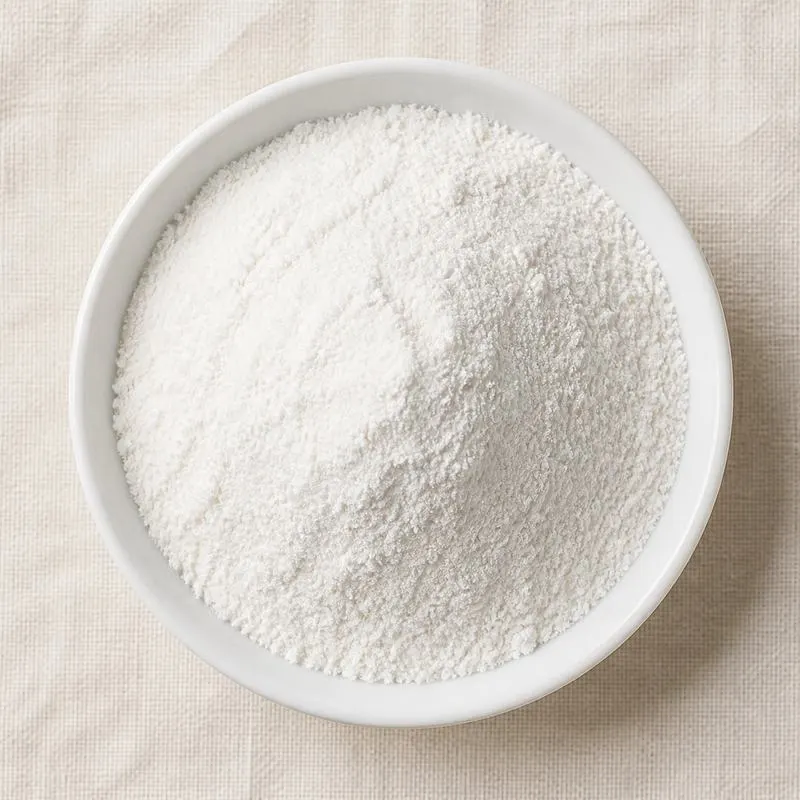
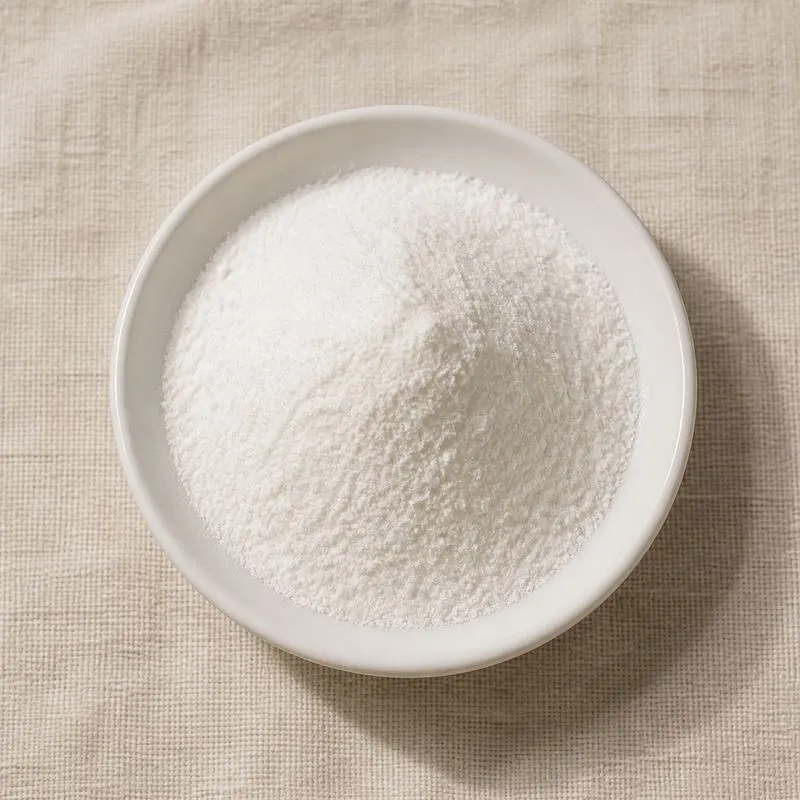
Multigrain Extruded
Multigrain extruded products are cereal pieces made by cooking a blend of two or more grain flours in an extruder and expanding the melt at a die, giving crisps, puffs, flakes, rings or curls with a rigid porous cell structure. Typical blends draw on wheat, maize, rice, oat, barley, sorghum and millet flours, often with a legume or bran fraction added to raise protein or fibre.
Extrusion cooking does three things at once. Heat, pressure and shear gelatinise the starch, the sudden pressure drop at the die flashes off water and expands the melt into a foam, and the cooled foam sets into a brittle glassy matrix. The result is a piece that is fully cooked, low in moisture, crisp under load and able to hold a coating or a flavour dusting on its outer surface.
The pieces leave the plant dry at three to six percent moisture, with bulk densities from roughly 80 to 250 grams per litre depending on expansion. Crispness depends on staying below the glass transition point, so the pieces are hygroscopic and lose texture if allowed to pick up moisture, which sets both packaging and the water activity of any matrix they are added to.
We source bulk Multigrain Extruded from top China manufacturers for our partners. The manufacturer is in Henan. A smaller requirement can ship in a combined container with other ingredients.
Please send the grade you need, the volume and your destination port, and we will come back with a solution and a price.
or call +86-21-6858 0751
- Function
- Dietary Fibres
Specifications
| Item | Specification |
|---|---|
| Appearance | Uniform expanded pieces of the declared shape, free from foreign matter |
| Colour | Cream to golden brown, typical of the grain blend |
| Moisture | ≤ 6.0% |
| Bulk density | 80 to 250 g/L by grade |
| Protein, dry basis | ≥ 7.0% |
| Fat | ≤ 3.0% for uncoated grades |
| Ash | ≤ 3.0% |
| Fines through 2 mm sieve | ≤ 3.0% |
| Lead | ≤ 0.2 mg/kg |
| Arsenic | ≤ 0.3 mg/kg |
| Total plate count | ≤ 5000 cfu/g |
| Yeast and mould | ≤ 100 cfu/g |
| Escherichia coli | Absent in 1 g |
| Salmonella | Absent in 25 g |
Common Markets Grades
Grades are defined by the grain blend, by the shape and size of the piece, and by bulk density, which is the practical measure of how far the product was expanded. Low density puffs and curls are used where volume and rapid mouth melt matter, higher density crisps and pellets are used where the piece must survive enrobing, mixing into a bar or long contact with milk without going soft.
The second axis is finishing. Plain unflavoured pieces are sold as an ingredient for further processing, oil sprayed and seasoned pieces are sold as a finished snack, and coated grades carry a sugar, chocolate or protein layer applied in a rotating pan or a coating drum. Half products, that is dense unexpanded pellets, are also traded for expansion by frying or hot air at the buyer's plant. Protein enriched grades built with soy, pea or milk protein and fibre enriched grades built with bran or resistant starch are produced on the same lines with adjusted screw profiles.
Applications
- Ready to eat breakfast cereals, where the extruded piece supplies bowl life in milk and a uniform shape
- Cereal bars and protein bars, where crisps give an audible crunch without the density of nuts
- Chocolate and compound coated inclusions, the crisp acting as the light centre inside the shell
- Savoury extruded snacks, oil sprayed and seasoned after the die
- Yoghurt and dessert toppers packed in a separate compartment to keep them dry
- Infant finger foods and melt in the mouth puffs, formulated for low density and quick disintegration
- Meal replacement and high protein products, where protein enriched crisps carry part of the protein load
- Bakery decoration and topping on bread, biscuits and ice cream cones
- Pet food and treat kibbles produced on the same extrusion route with species appropriate blends
China Manufacturers of Multigrain Extruded
Top Multigrain Extruded manufacturers in China.

Company names and logos are the property of the manufacturers themselves. They are listed here because our own directory records them as producing this ingredient. A listing is not an endorsement by them, and we do not represent them or speak on their behalf.
Regulatory Status
Multigrain extruded pieces are a food rather than a food additive and carry no E number of their own. Additives used within the recipe or the coating, colours, antioxidants in the sprayed oil, or an anticaking agent in the seasoning, must each be permitted for the food category concerned and declared on the label. In the United States the products are conventional foods subject to the preventive controls rules for human food, to nutrition labelling, and to allergen declaration for wheat, soy, milk and any nut derived component.
In the European Union the pieces fall under general food law with labelling under the food information regulation, and the cereal raw materials are subject to the mycotoxin and heavy metal limits of the contaminants regulation. Acrylamide is the process contaminant of interest for extruded and toasted cereal products, and the European mitigation and benchmark framework for acrylamide in cereal based foods applies, with control exercised through reducing sugar content, asparagine level and the thermal load at the die. Codex maintains a general code of practice for the reduction of acrylamide in foods that covers the same ground.
Manufacturing Process
Cleaned grains are milled to flour or fine grits and blended to the target recipe with sugar, salt, calcium carbonate or other minor dry ingredients. The dry blend is dosed gravimetrically into the feed port of a twin screw extruder, where water is injected and the material is conveyed through kneading and shearing zones. Barrel temperatures typically rise from around 60 degrees Celsius at the feed end to between 140 and 170 degrees Celsius at the die, and the combination of temperature, pressure and mechanical energy gelatinises the starch and forms a viscoelastic melt.
At the die the melt loses pressure, superheated water flashes to steam and the extrudate expands, and a rotating face cutter sets the piece length. The wet pieces, still at 8 to 12 percent moisture, pass to a belt or fluid bed drier and are brought down to 3 to 6 percent, then cooled. Finished grades are conveyed to a coating drum for oil spraying, seasoning or sugar coating, and heat sensitive vitamins are applied at this stage rather than before the extruder. The product is screened for fines and oversize, passed through a metal detector and packed under a moisture barrier.