Mung Bean Peptide
Mung bean peptide is the water soluble hydrolysate produced by digesting mung bean protein, from Vigna radiata, with food grade proteases and drying the clarified digest into a powder of short peptide chains.
Mung bean protein is dominated by the 8S globulin vicilin, with smaller legumin and albumin fractions, and it is high in lysine and comparatively low in the sulphur amino acids, the profile typical of a pulse. Intact mung bean protein is poorly soluble around its isoelectric region near pH 4.5, which is what limits the unhydrolysed isolate to applications where suspension is acceptable. Cleaving the chains lifts solubility above 90 percent across the practical pH range and removes the sedimentation problem entirely.
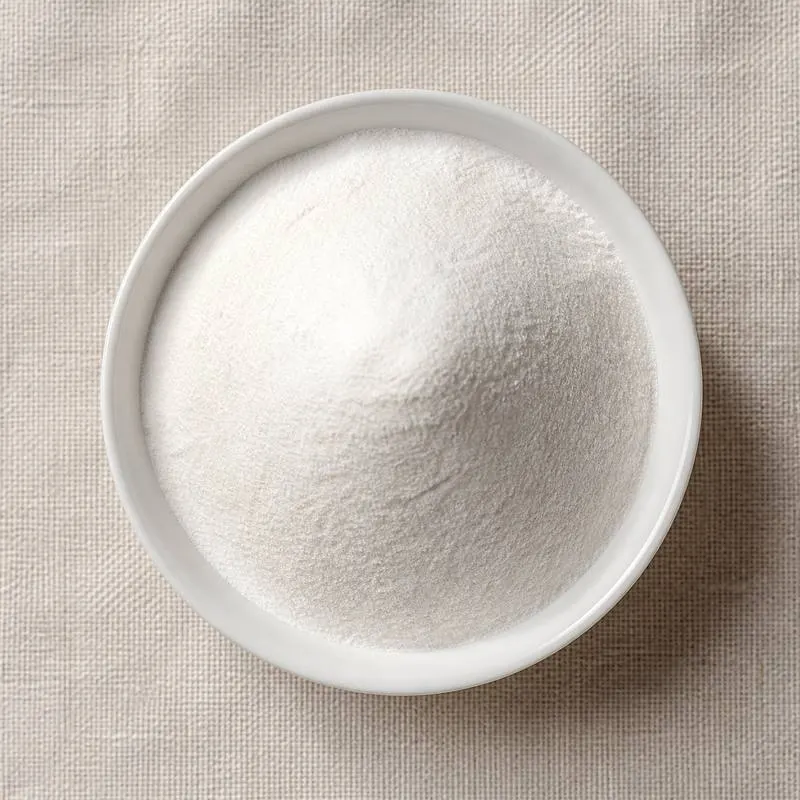
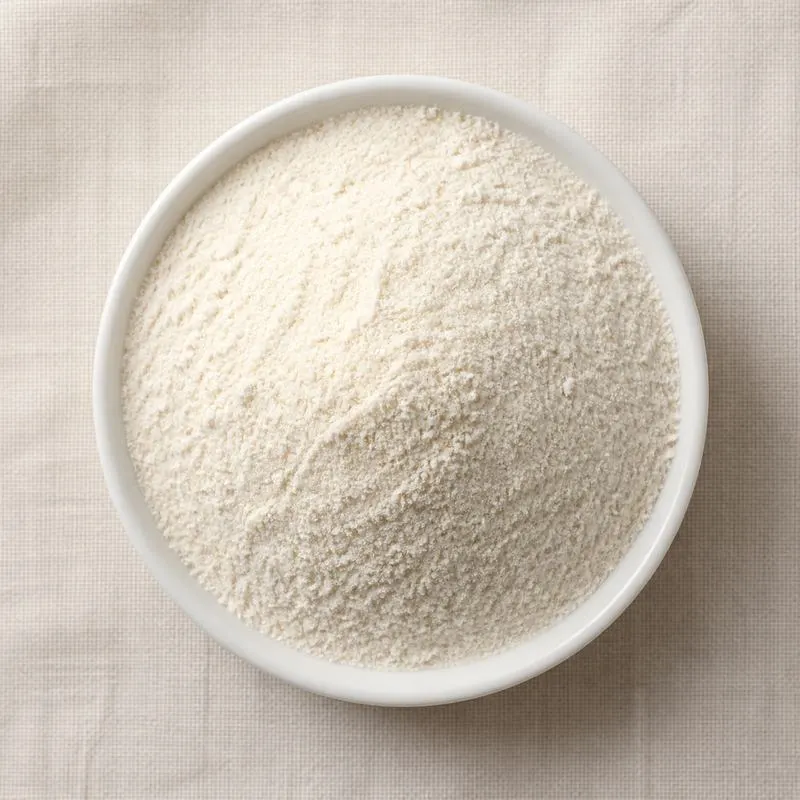
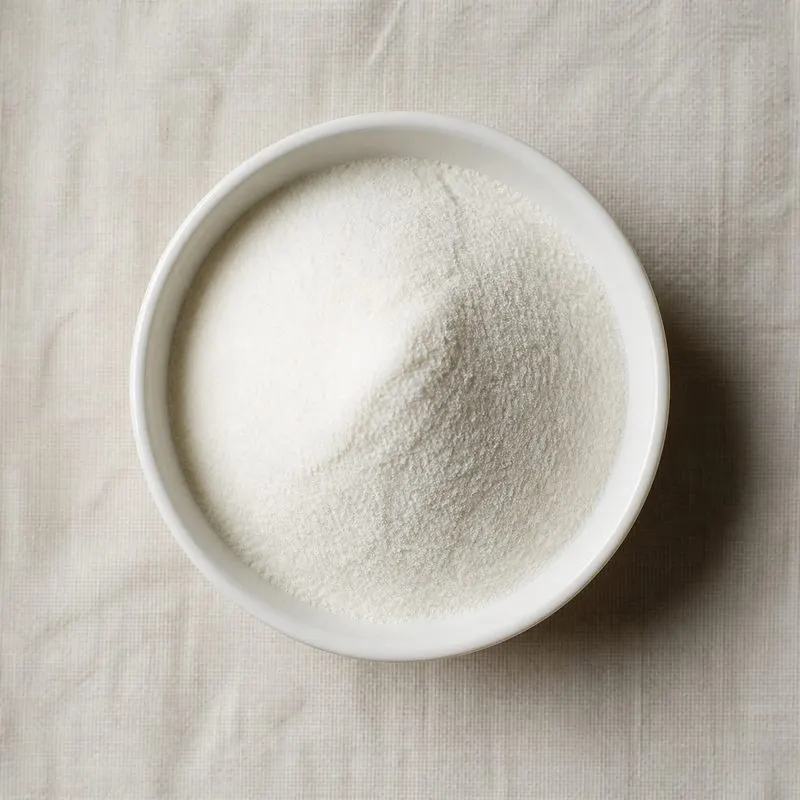
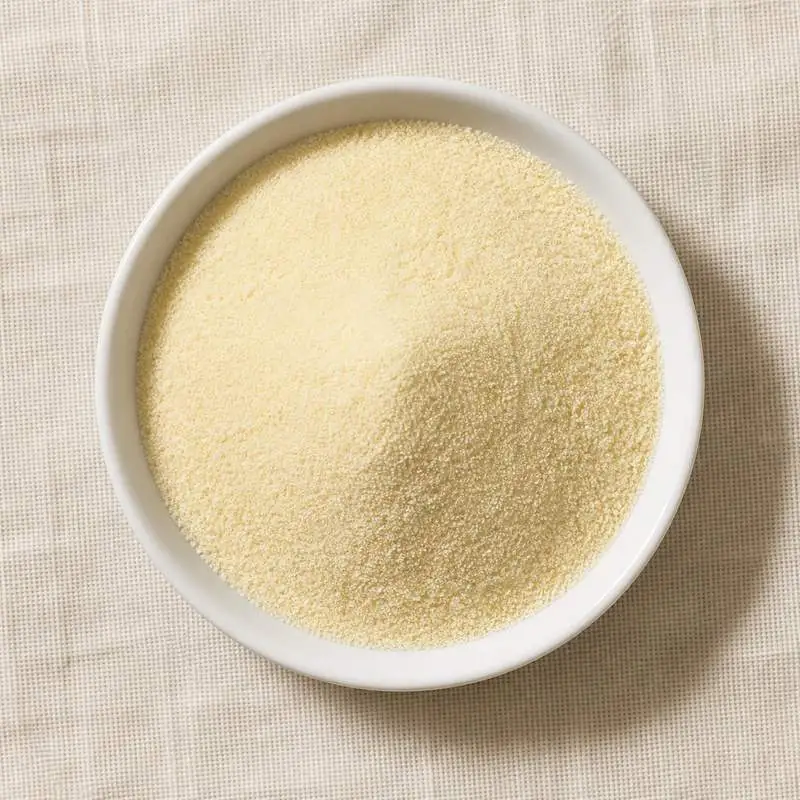
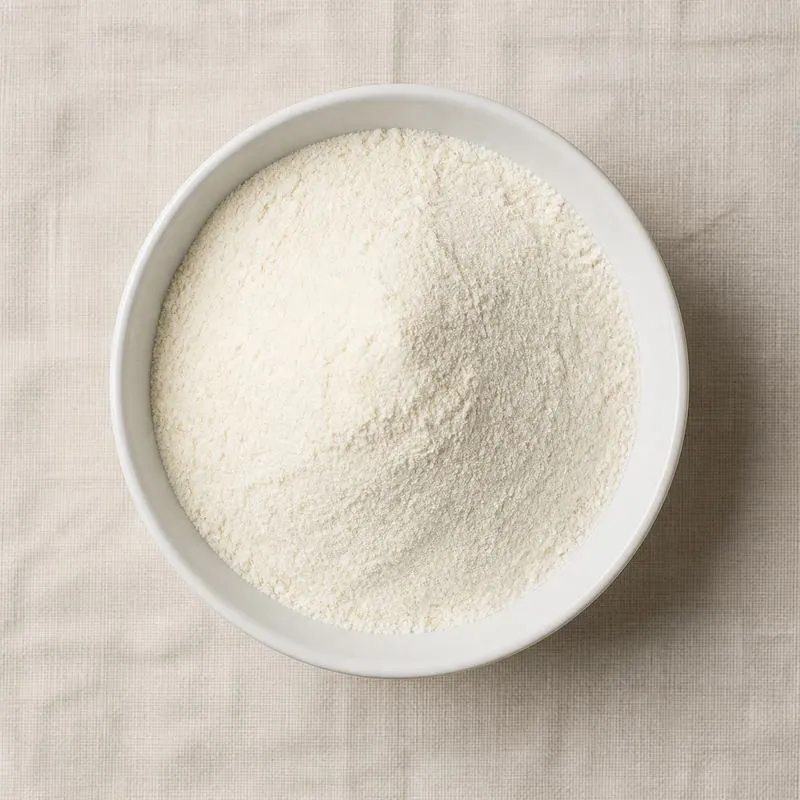
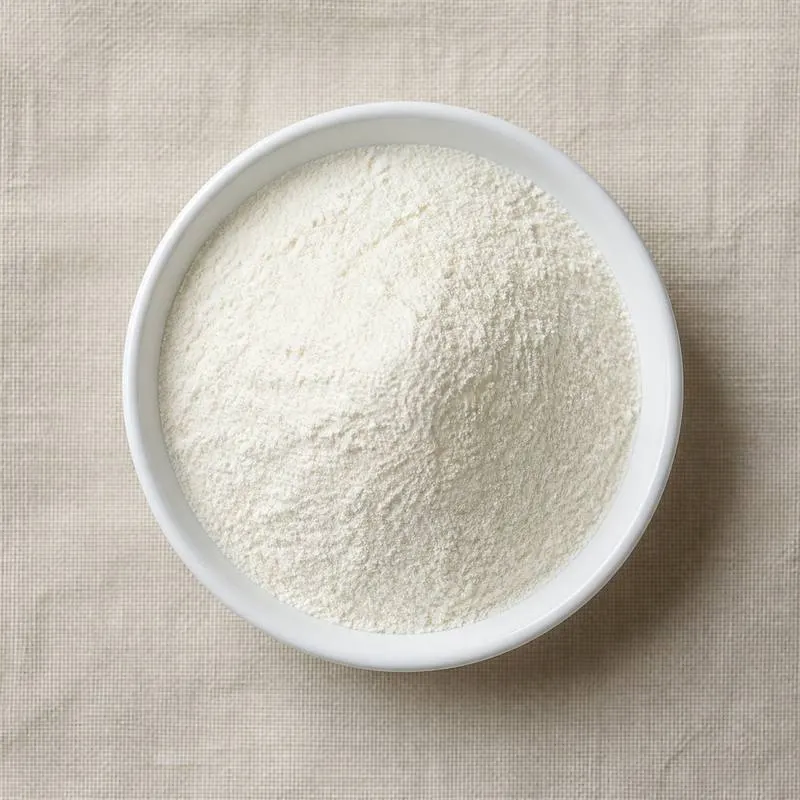
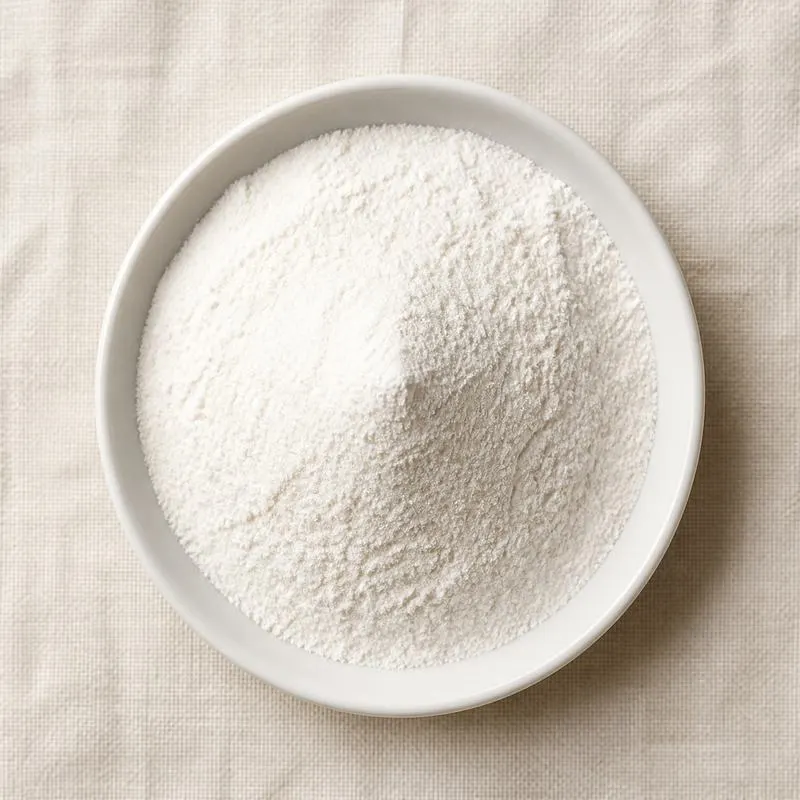
The powder is light yellow to pale brown, freely soluble in cold and hot water, and gives low viscosity solutions that stay clear or lightly hazy in acid conditions and survive pasteurisation. Flavour is mild and slightly beany, with bitterness developing in proportion to the degree of hydrolysis, so debittering is a standard part of manufacture. Functional properties are largely lost with hydrolysis, so the ingredient is bought for solubility, rapid absorption and its research profile rather than for gelling or emulsification.
We source bulk Mung Bean Peptide from top China manufacturers for our partners. The manufacturer is in Zhejiang. A smaller requirement can ship in a combined container with other ingredients.
Please send the grade you need, the volume and your destination port, and we will come back with a solution and a price.
or call +86-21-6858 0751
- Function
- Protein
Specifications
| Item | Specification |
|---|---|
| Appearance | Light yellow to pale brown fine powder |
| Odour and Taste | Mild characteristic pulse note, slightly bitter, free from foreign odour |
| Protein (N x 6.25, dry basis) | Minimum 80.0% |
| Peptide Content (dry basis) | Minimum 60.0% |
| Molecular Weight below 3000 Da | Minimum 85.0% |
| Solubility (1% in water) | Minimum 95.0% |
| Loss on Drying | Maximum 7.0% |
| Ash | Maximum 8.0% |
| Fat | Maximum 1.0% |
| pH (1% solution) | 6.0 to 7.5 |
| Lead | Maximum 0.5 mg/kg |
| Arsenic | Maximum 0.5 mg/kg |
| Total Plate Count | Maximum 10,000 cfu/g |
| Escherichia coli and Salmonella | Absent in 25 g |
Common Markets Grades
Grades are defined by molecular weight and protein content. General food grade holds protein at 80 percent or more on a dry basis with the bulk of peptides below 3000 Daltons, suiting dry blends, bars and capsules, while oligopeptide grade is ultrafiltered so that most fragments fall below 1000 Daltons, giving faster dissolution and a cleaner solution for beverages at the cost of more intensive debittering during production.
Refining level distinguishes decolourised and deodorised material, treated with activated carbon or adsorbent resin for consumer formats, from unrefined lots destined for feed, culture media and flavour work. Instantised and agglomerated powders are made for stick packs and cold water dosing, and organic certified lots are traded where the beans are certified. Non genetically modified status is inherent rather than a specification, since no genetically modified mung bean is grown commercially.
Applications
- Clear ready to drink protein beverages at low pH, where intact pulse protein would precipitate
- Plant protein powders and blends, combined with rice or cereal protein to balance the limiting sulphur amino acids
- Sports recovery formats positioned on rapid absorption of plant peptides
- Clinical and elderly nutrition, where short peptides reduce the digestive load compared with whole protein
- Capsule and tablet supplements in East Asian markets, positioned on the traditional cooling reputation of mung bean
- Functional jellies, gummies and konjac snacks, added as a soluble protein that does not disturb the gel
- Instant powders and meal replacements needing complete cold water dissolution
- Hypoallergenic formulations avoiding dairy, soy and wheat protein
- Cosmetic essences and hair care, where small plant peptides are used for film forming and conditioning
- Fermentation and cell culture media, used as a plant derived nitrogen source in place of animal peptone
China Manufacturers of Mung Bean Peptide
Top Mung Bean Peptide manufacturers in China.
Company names and logos are the property of the manufacturers themselves. They are listed here because our own directory records them as producing this ingredient. A listing is not an endorsement by them, and we do not represent them or speak on their behalf.
Regulatory Status
In the United States mung bean protein and its hydrolysates are conventional food ingredients used under good manufacturing practice, and mung bean protein has been the subject of a generally recognised as safe conclusion supporting food use, with supplement applications falling under the Dietary Supplement Health and Education Act. Mung bean is not among the major food allergens requiring declaration under the Food Allergen Labelling and Consumer Protection Act, although the ingredient is named in the ingredient statement, and the Food and Drug Administration requires a protein hydrolysate to be identified by its source protein rather than by a generic name.
In the European Union mung bean has a history of consumption sufficient to place the bean and conventionally extracted protein from it outside the novel food rules, although a preparation made by a substantially different process may need assessment on that point before being marketed. Mung bean is not listed in Annex II of Regulation (EU) No 1169/2011, so no allergen emphasis is required, and a voluntary cross contact statement is used where the site also handles listed legumes. No E number applies, since the material is an ingredient and not an additive, and the proteases used must be permitted processing aids in the market of sale. Codex covers the class through its standard for vegetable protein products, defined by minimum protein content on a dry basis.
Manufacturing Process
Dehulled mung beans are milled to flour, which is dispersed in water and brought to pH 8 to 9 with food grade alkali so that the globulins dissolve while starch and fibre remain insoluble. Decanter centrifuges and hydrocyclones draw off the starch and fibre, recovered separately as mung bean starch, the raw material of glass noodles. The protein liquor is acidified to the isoelectric region near pH 4.5, where the protein flocculates, and the curd is recovered, washed and neutralised.
That neutralised protein slurry is the feed to hydrolysis. It is held at 50 to 60 degrees Celsius at controlled pH and digested with a bacterial endoprotease to cut the chains, followed by an exopeptidase preparation such as a flavourzyme type product that removes the hydrophobic terminal residues responsible for most of the bitterness. When the target degree of hydrolysis is reached the enzymes are inactivated by heat. The digest is centrifuged to remove undigested material, ultrafiltered to set the molecular weight window, and treated with activated carbon or adsorbent resin where a bland flavour and pale colour are required. The clarified liquor is concentrated under vacuum, pasteurised, and spray dried, then sieved, metal checked and packed, with an agglomeration step added for instantised grades.