Konjac
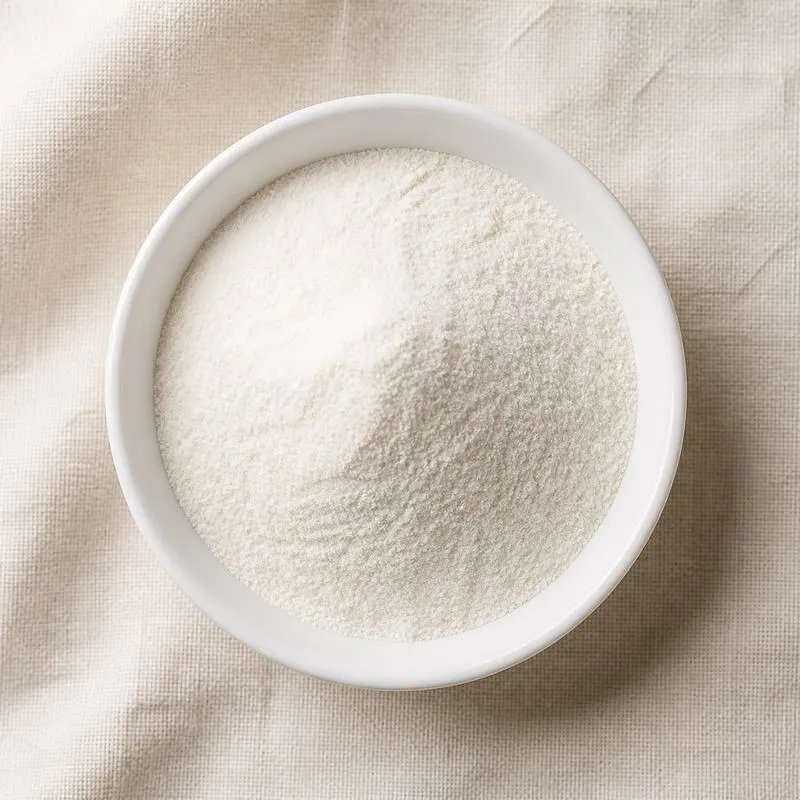
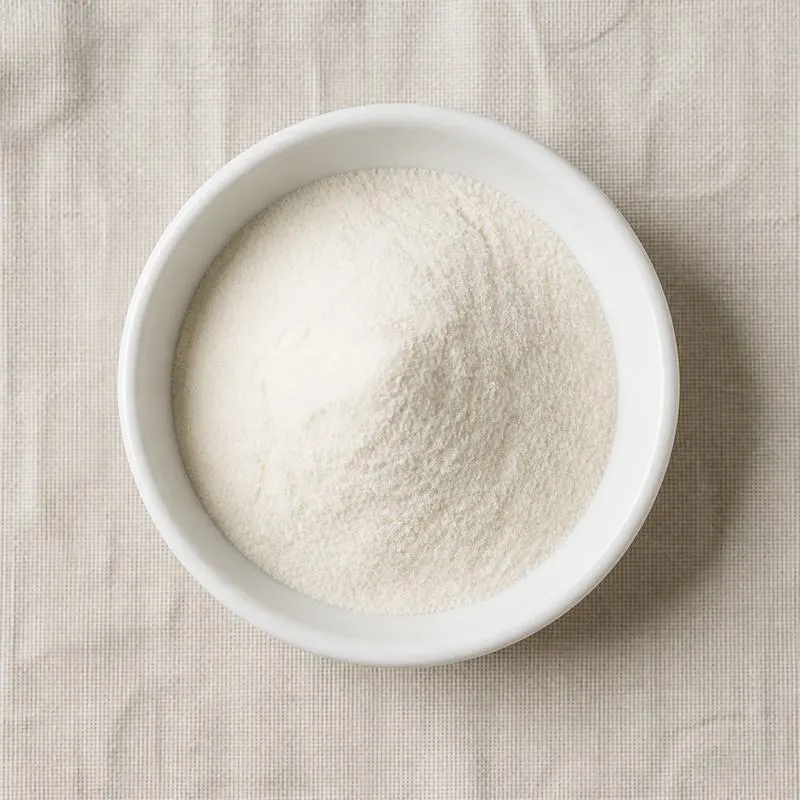
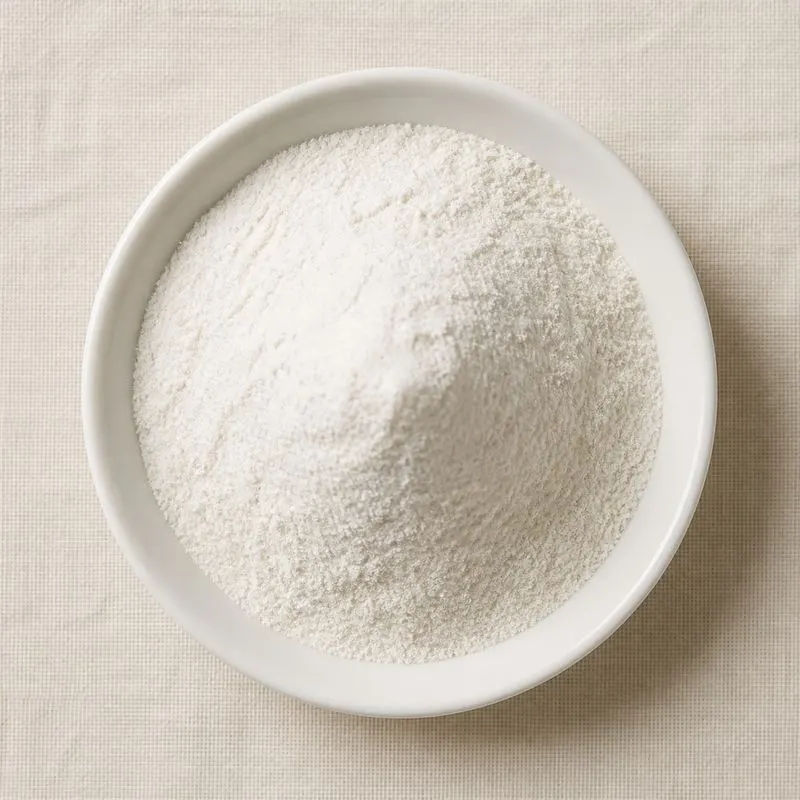
Konjac is the milled corm of the perennial Asian plant Amorphophallus konjac, also known as devil's tongue or elephant yam. The corm is rich in glucomannan, a viscous water-soluble polysaccharide that defines all konjac trade products.
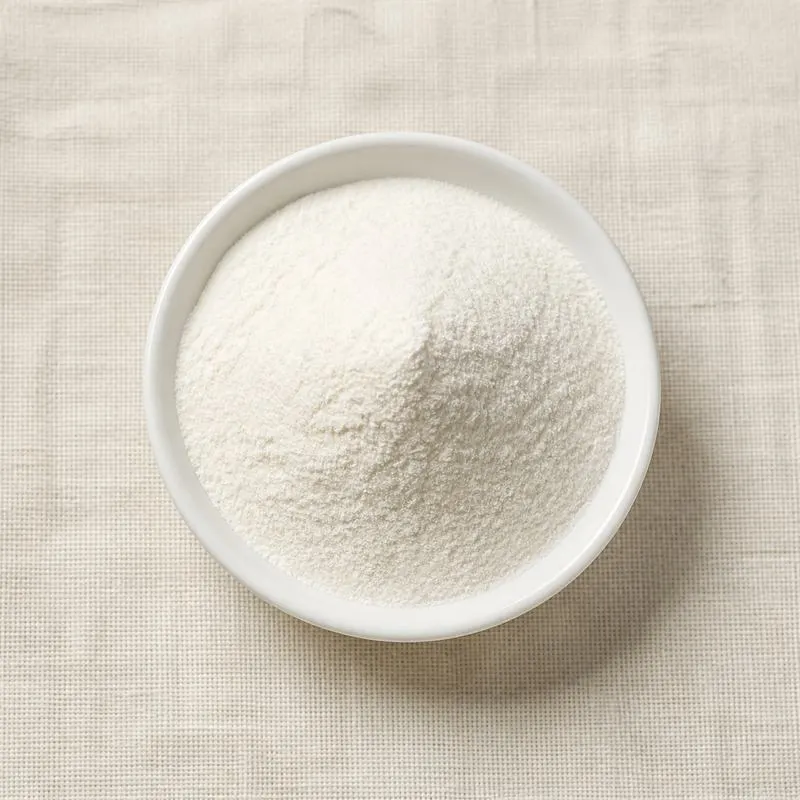
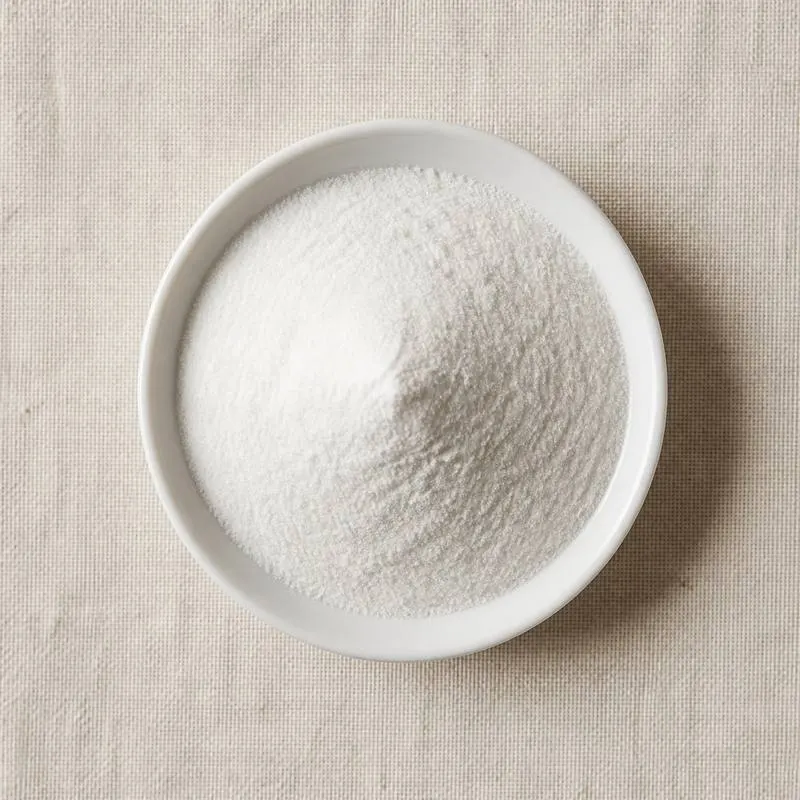
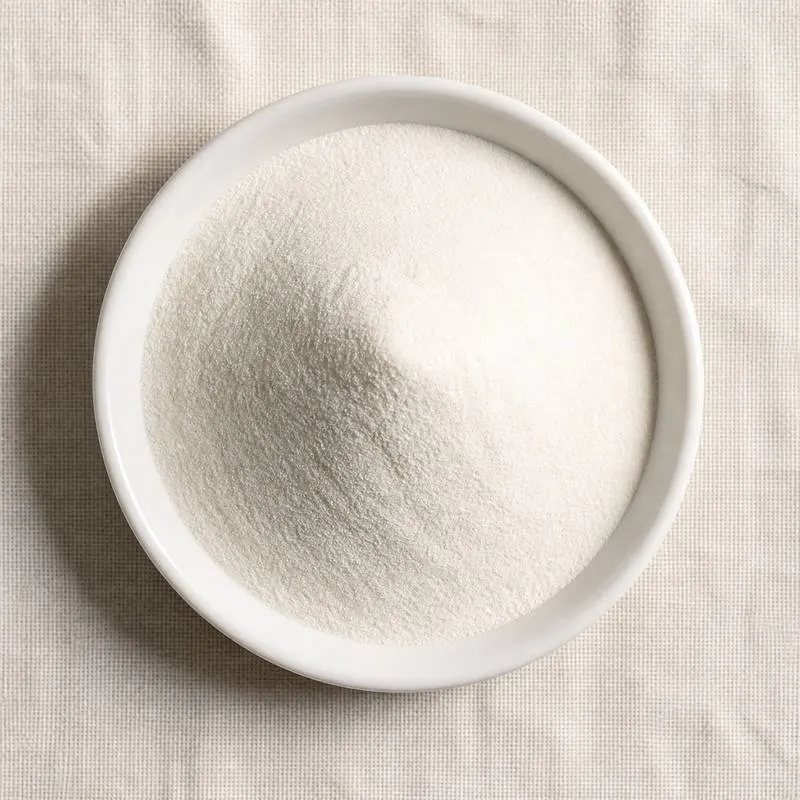
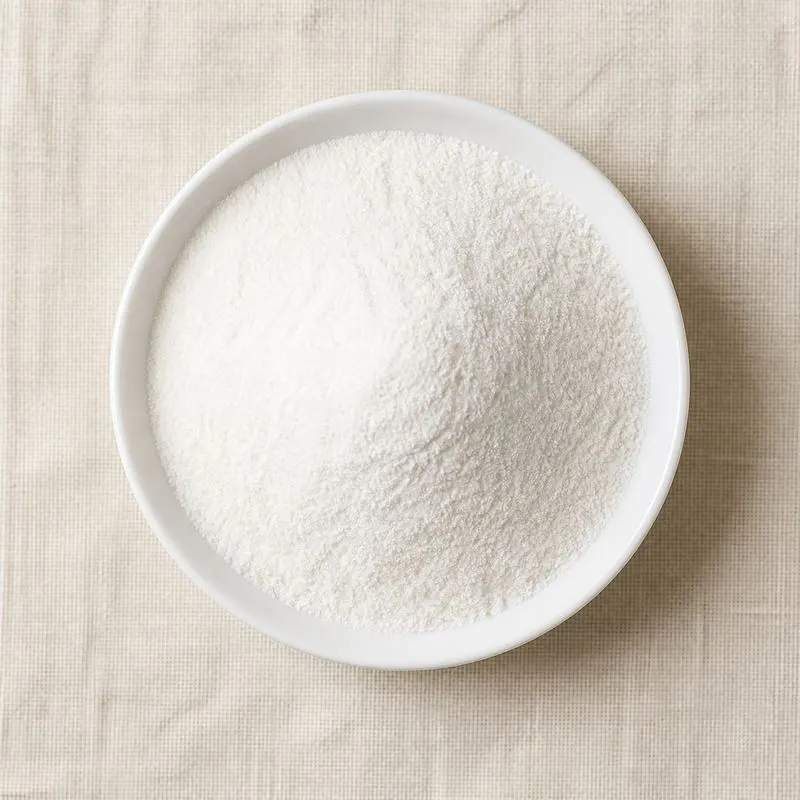
The basic crude form is konjac flour, ground from the dried corm. Higher purity grades concentrate the glucomannan fraction through repeated wet polishing or alcohol washing.
We source bulk Konjac from top China manufacturers for our partners, working with several of them. The manufacturers are mostly in Sichuan, Fujian and Henan. For this ingredient the minimum order is 500 kg and a 20-foot container takes 18 MT, and a smaller requirement can ship in a combined container with other ingredients.
Please send the grade you need, the volume and your destination port, and we will come back with a solution and a price.
or call +86-21-6858 0751
- Minimum order
- 500 kg
- Qty in 20' FCL
- 18 MT
- Packaging
- 25 kg kraft paper bag with PE inner liner
- ISO 9001
- HACCP
- Halal
- Kosher
Specifications
| Item | Specification |
|---|---|
| Appearance | White to light tan powder |
| Glucomannan Content | 60–70% |
| Viscosity (1% solution, 30°C) | 10,000–30,000 mPa·s |
| Moisture | ≤ 12.0% |
| Ash Content | ≤ 5.5% |
| pH (1% solution) | 5.0–7.5 |
| Particle Size | ≥ 90% through 40 mesh |
| Sulfur Dioxide | ≤ 900 ppm (per GB standard) |
| Arsenic (as As) | ≤ 1 ppm |
| Lead (as Pb) | ≤ 2 ppm |
| Total Plate Count | ≤ 10,000 CFU/g |
| E. coli | Negative/g |
| Purity/Assay | 75-87% glucomannan |
| Moisture/Loss on Drying | < 10% |
| Particle Size/Mesh | 60-120 mesh |
| Ash | < 5% |
| Heavy Metals | < 10 ppm |
| Yeast & Mold | < 100 cfu/g |
Common Markets Grades
Konjac is traded in a stack of grades distinguished by glucomannan purity, particle size, and functional modification.
Crude konjac flour at 65 to 75 percent glucomannan is the entry-level grade for traditional konjac noodles and jelly use in Asia.
Refined konjac flour at 75 to 85 percent glucomannan is the standard food-processing grade for Western applications.
Purified konjac gum at 85 to 95 percent glucomannan is the premium hydrocolloid grade, marketed under the E425 number.
Below that base, specialty grades cover fine flour, micro flour, compound flour, acid-resistant micro, acid-stable gum, and high-transparency gum, each described on its own product page.
Applications
- Traditional Japanese konnyaku and shirataki noodles
- Vegan and low-carb noodle, rice, and pasta replacements
- Dietary fibre supplements for satiety and bowel function
- Jelly desserts and Asian-style konjac cups and pouches
- Plant-based meat analogues as a binder and texture modifier
- Bakery: gluten-free formulations and bread improvers
- Dairy and dairy-alternative desserts for body and mouthfeel
- Sauces, dressings, and processed-meat binders
- Pharmaceutical bulk-forming laxatives and weight-management products
- Cosmetic facial sponges and natural-positioning gels
Brands Using Konjac
Widely-distributed consumer products that list Konjac on the ingredient label.
- Miracle NoodleAngel Hair Shirataki Noodles ↗Listed: 'Water, Konjac Flour, Citric Acid.'Label verified 2026-05-24
- NasoyaPasta Zero Spaghetti ↗Listed: 'Water, Konjac Flour, Chickpea Flour, Potato Starch, Calcium Hydroxide, Reduced Iron, Folic Acid.'Label verified 2026-05-24
- It's SkinnySpaghetti ↗Listed: 'Water, Konjac Powder, Tapioca, Oat Powder, Pea Protein, Quinoa, Beta Carotene, Citric Acid.'Label verified 2026-05-24
Brand names, product names and logos are the property of their owners. They appear here as published evidence that the ingredient is used, taken from the brand's own label or website. Their appearance is not an endorsement, and it does not mean the brand buys from us or from any manufacturer listed on this site.
China Manufacturers of Konjac
Top Konjac manufacturers in China.
 Chengdu Root Food Co., Ltd.2 ingredients in the directory
 Fuzhou Ruixuan Food Technology Co., Ltd.6 ingredients in the directory
 Henan Xinchun Food Co., Ltd.1 ingredient in the directory
 Shantou Jiecheng Biotech Co., Ltd.3 ingredients in the directory
- Sichuan Newstar Konjac Co., Ltd.3 ingredients in the directory
Company names and logos are the property of the manufacturers themselves. They are listed here because our own directory records them as producing this ingredient. A listing is not an endorsement by them, and we do not represent them or speak on their behalf.
How We Help Source Konjac
Direct Factory Sourcing
We run the whole process: selecting the manufacturer from the top Chinese food ingredient producers, negotiating the price, verifying quality, and coordinating the logistics. You deal with us instead of with several factories at once.
Original Packaging and Documents from the Manufacturer
The manufacturer sends your Konjac out of its own factory in the original packing, through to your destination port. The COA, COO, MSDS, TDS and any certifications reach you from the manufacturer as well.
Free Samples and Lead Time
We send 100 to 500 g free for your own laboratory to test and you cover only the courier, usually within 2 to 3 working days. ETD is usually within 7 to 15 days once the order is confirmed, and we check that date against the factory's own manufacturing schedule before we give it to you.
Combined Shipment
We can load Konjac together with other ingredients such as Carrageenan, Sodium Carboxymethyl Cellulose and Agar Agar into one 20' FCL. If your quantity is small, we can also ship LCL.
Regulatory Status
Konjac flour and konjac gum are approved as food additives in most regulated markets, but with specific restrictions for confectionery use.
In the European Union Regulation (EC) No 1333/2008 lists konjac gum as E425, with E425(i) for konjac gum and E425(ii) for konjac glucomannan. Mini-cup jelly use is restricted because of choking-hazard incidents in the 1990s.
The U.S. FDA permits konjac flour as GRAS and has issued specific alerts on mini-cup jellies. Australia, Canada, and several other jurisdictions ban or restrict mini-cup format.
JECFA has assigned ADI not specified. Halal, Kosher, vegan, non-GMO, organic, and gluten-free certifications are routinely available.
Manufacturing Process
Konjac corms are harvested after three growing seasons, when they reach 1 to 2 kg each. The corms are washed, sliced, and dried in solar or hot-air dryers to below 12 percent moisture.
The dried slices are milled and air-classified to separate the dense, glucomannan-rich endosperm particles from the lighter starch and fibre fragments. This gives crude konjac flour.
Higher-purity grades are produced by wet-milling the flour in 50 to 70 percent ethanol, which swells the impurities while keeping the glucomannan particles intact. Repeated washes raise glucomannan content above 90 percent.
Yunnan, Sichuan, and Hubei provinces in China account for the majority of world supply, with smaller production in Japan, Indonesia, and Myanmar.