Mung Bean Protein
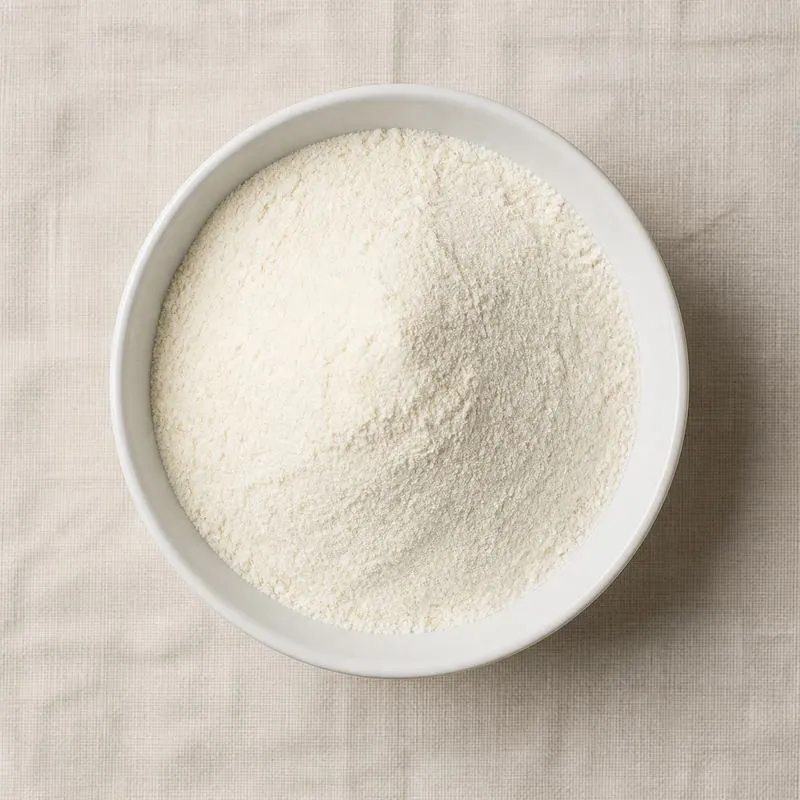
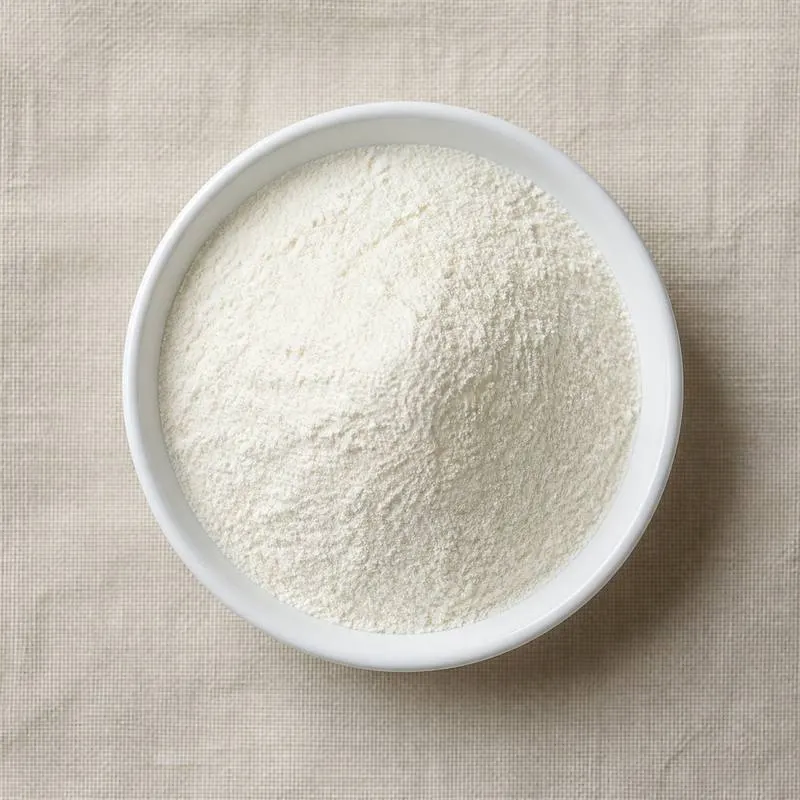
Mung Bean Protein is a plant-based protein isolated from the seeds of Vigna radiata, the small green legume grown across South and East Asia for sprouts, dal, and starch noodles.
Commercial grades typically run from 60 to 85 percent protein on a dry basis. The ingredient gained mainstream attention after JUST Egg adopted mung bean protein as the structural backbone of its plant-based liquid egg.
We source bulk Mung Bean Protein from top China manufacturers for our partners. The manufacturers are in Heilongjiang and Shandong. A smaller requirement can ship in a combined container with other ingredients.
Please send the grade you need, the volume and your destination port, and we will come back with a solution and a price.
or call +86-21-6858 0751
- Packaging
- 25 kg kraft paper bag with PE inner liner
- ISO 9001
- HACCP
- Halal
- Kosher
Specifications
Grades / Types Available: JYPS series, HYPS series
| Item | Specification |
|---|---|
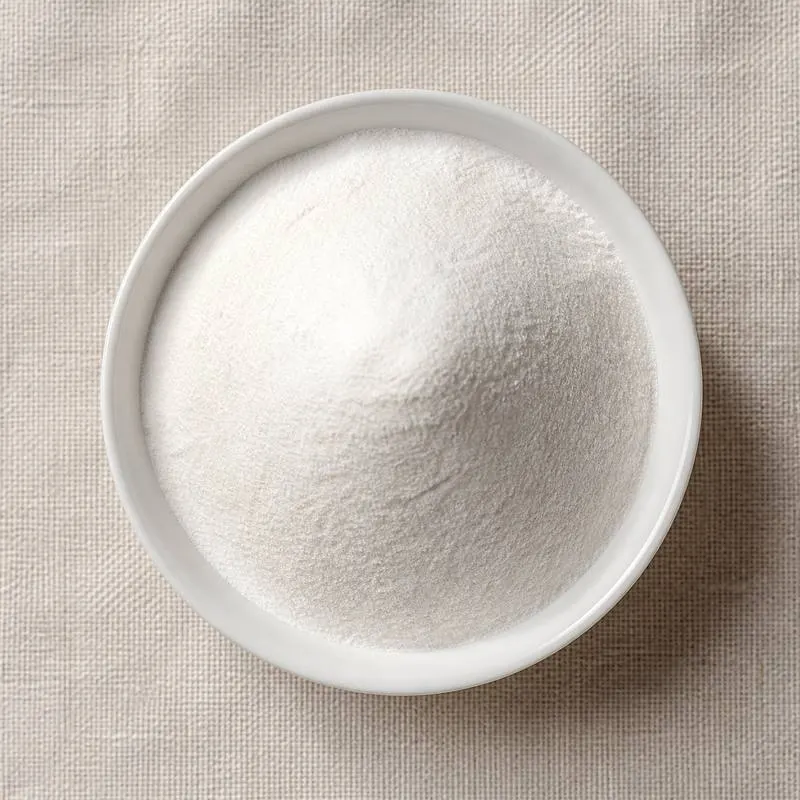
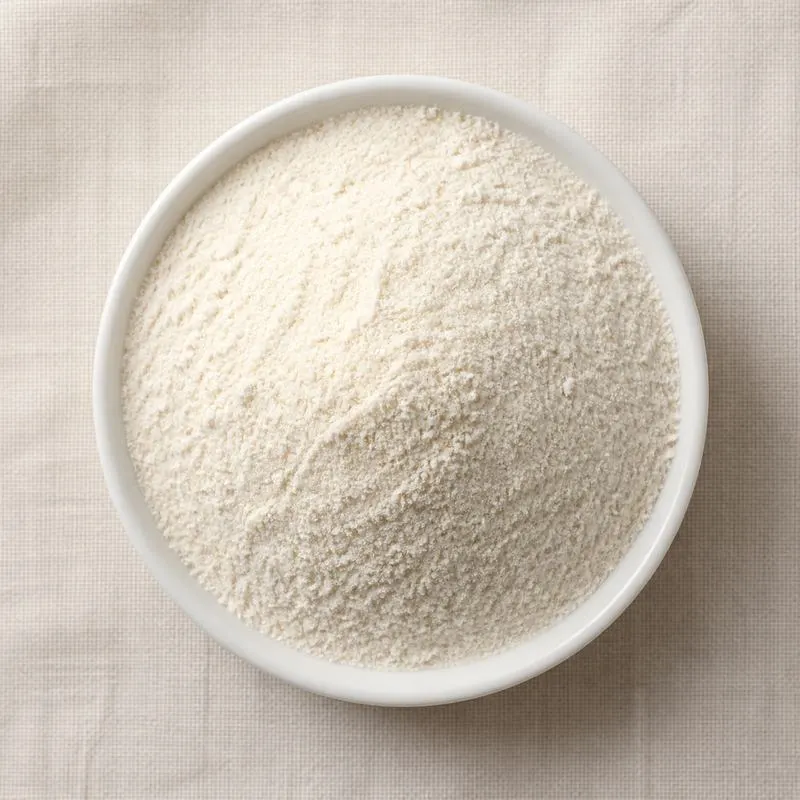
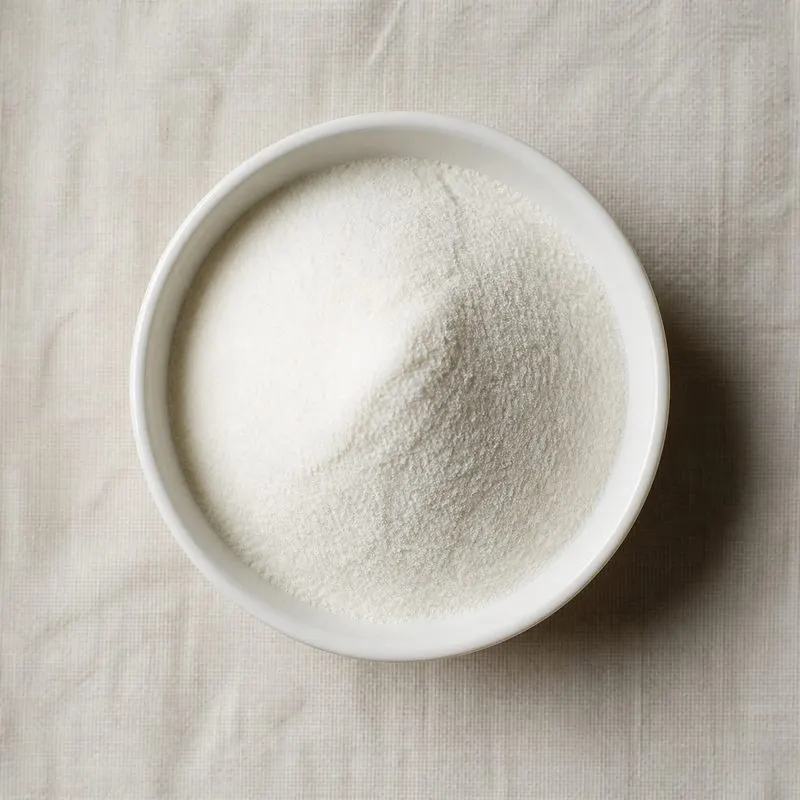
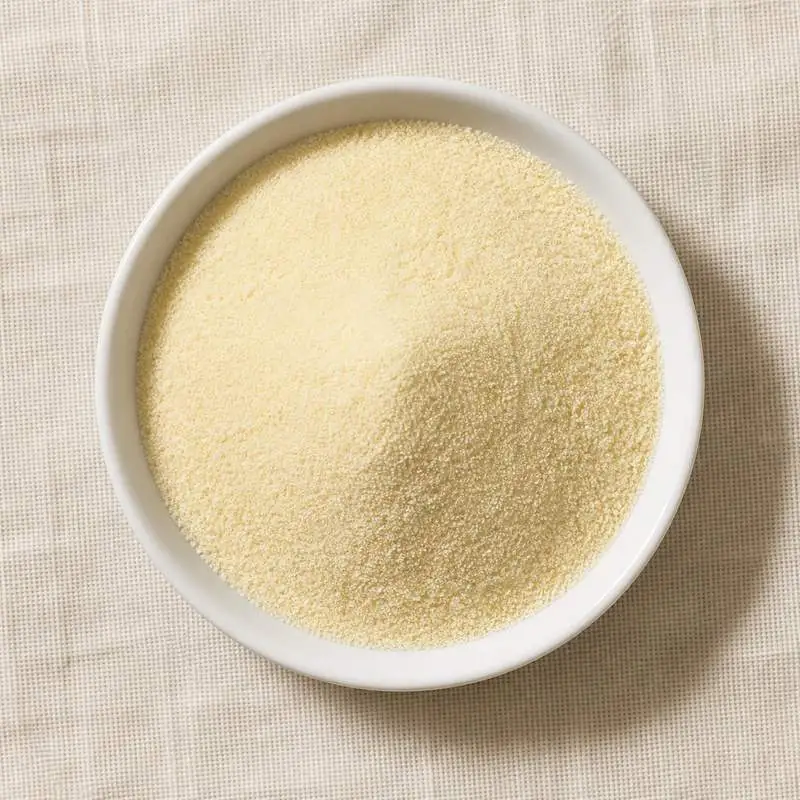
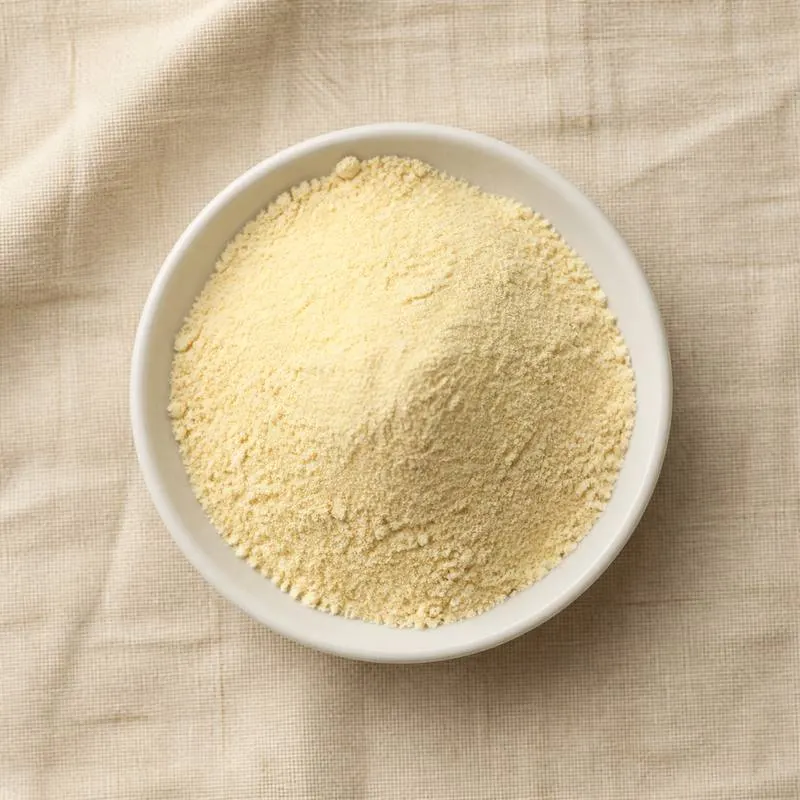
| Appearance | Pale yellow fine powder |
| Protein (dry basis) | ≥ 80% |
| Moisture | ≤ 8.0% |
| Fat | ≤ 5.0% |
| Ash | ≤ 6.0% |
| Mesh Size | 80-100 mesh |
| Total Plate Count | ≤ 10,000 cfu/g |
| Salmonella | Negative |
| Purity/Assay | ≥ 90% |
| Moisture/Loss on Drying | ≤ 12% |
| pH | 6.0 - 8.0 |
| Heavy Metals | ≤ 0.001% |
| Lead | ≤ 0.5 mg/kg |
| Arsenic | ≤ 0.5 mg/kg |
| Yeast & Mold | ≤ 100 cfu/g |
Common Markets Grades
Mung Bean Protein is graded by protein content, source fraction, and functional treatment.
The standard concentrate grade carries 60 to 70 percent protein and retains a mild bean flavour. It suits bakery and savory applications where flavour masking is straightforward.
Isolate grades at 80 to 85 percent protein are positioned for plant-based egg, dairy alternatives, and meat analogs. These grades show stronger functional behaviour, including heat-induced gelation that mimics egg coagulation.
Specialty grades target specific applications: a high-gelation grade for plant-based egg formats, a soluble grade for clear beverages, and a textured grade for meat analog applications.
Most commercial material is conventionally non-GMO, since the mung bean supply chain is not based on transgenic varieties.
Applications
- Plant-based liquid egg products, the flagship use case popularized by JUST Egg
- Plant-based scrambled egg, omelet, and quiche-style applications
- Plant-based meat analogs, particularly chicken-style and seafood-style products
- Dairy alternatives: non-dairy yogurts, cheeses, and cream cheese substitutes
- Protein-fortified noodles and pasta, building on traditional mung bean starch noodles
- Bakery applications: high-protein breads, crackers, and savory baked snacks
- Sports protein powders, often blended with other plant proteins
- Soups, sauces, and dressings as a protein fortifier and emulsifier
- Plant-based mayonnaise and aioli as an egg replacer
- Protein bars as a soy-free, allergen-friendly protein source
- Infant and toddler nutrition where allergen avoidance is a priority
Brands Using Mung Bean Protein
Widely-distributed consumer products that list Mung Bean Protein on the ingredient label.
- Eat JustJUST Egg (liquid) ↗JUST Egg product page lists mung bean protein as the primary protein ingredient that scrambles and tastes like eggs, delivering 5 g protein per serving.Label verified 2026-05-24
- Eat JustJUST Egg Folded ↗JUST Egg Folded product page lists mung bean protein as the second ingredient after water, forming the egg-replacement matrix.Label verified 2026-05-24
Brand names, product names and logos are the property of their owners. They appear here as published evidence that the ingredient is used, taken from the brand's own label or website. Their appearance is not an endorsement, and it does not mean the brand buys from us or from any manufacturer listed on this site.
China Manufacturers of Mung Bean Protein
Top Mung Bean Protein manufacturers in China.
 Harbin Hada Starch Co., Ltd.3 ingredients in the directory
 Shandong Jianyuan Bioengineering Co., Ltd.9 ingredients in the directory
Company names and logos are the property of the manufacturers themselves. They are listed here because our own directory records them as producing this ingredient. A listing is not an endorsement by them, and we do not represent them or speak on their behalf.
How We Help Source Mung Bean Protein
Direct Factory Sourcing
We run the whole process: selecting the manufacturer from the top Chinese food ingredient producers, negotiating the price, verifying quality, and coordinating the logistics. You deal with us instead of with several factories at once.
Original Packaging and Documents from the Manufacturer
The manufacturer sends your Mung Bean Protein out of its own factory in the original packing, through to your destination port. The COA, COO, MSDS, TDS and any certifications reach you from the manufacturer as well.
Free Samples and Lead Time
We send 100 to 500 g free for your own laboratory to test and you cover only the courier, usually within 2 to 3 working days. ETD is usually within 7 to 15 days once the order is confirmed, and we check that date against the factory's own manufacturing schedule before we give it to you.
Combined Shipment
We can load Mung Bean Protein together with other ingredients such as Collagen Peptide, Soy Protein Isolate and Fish Collagen Peptide into one 20' FCL. If your quantity is small, we can also ship LCL.
Regulatory Status
Mung Bean Protein is regulated as a food ingredient derived from a conventional food source.
In the United States it is treated as Generally Recognized as Safe when produced from food-grade mung beans. The U.S. Food and Drug Administration has accepted GRAS notifications for mung bean protein isolate intended for specific applications including plant-based egg.
In the European Union the ingredient is on the borderline of Novel Food classification for some applications. Concentrate grades produced by traditional wet processing have documented prior use, while highly purified isolates have been the subject of individual Novel Food authorisations.
Allergen labelling is not required in the major markets, as mung bean is not listed as a regulated priority allergen, though some peanut-allergic individuals may show cross-reactivity.
Kosher, Halal, vegan, and non-GMO certifications are widely available.
Manufacturing Process
Mung Bean Protein is manufactured as a coproduct of mung bean starch processing, with dedicated isolation plants growing in number to meet protein demand.
Dehulled mung beans are wet-milled into a slurry. The starch fraction settles and is washed off for sale into noodle and food starch markets. The remaining protein fraction is recovered by centrifugation.
For higher-purity isolates, alkaline extraction is used. The protein is solubilised at high pH, separated from fibre and residual starch, then precipitated at the isoelectric point near pH 4.5. The precipitate is neutralised, washed, and spray-dried.
Membrane filtration is an alternative that produces a milder-flavoured isolate with better retention of native protein structure. The functional grades for plant-based egg use membrane processing.
The dominant production base is in China and Southeast Asia, where mung bean cultivation and starch noodle manufacturing are concentrated.