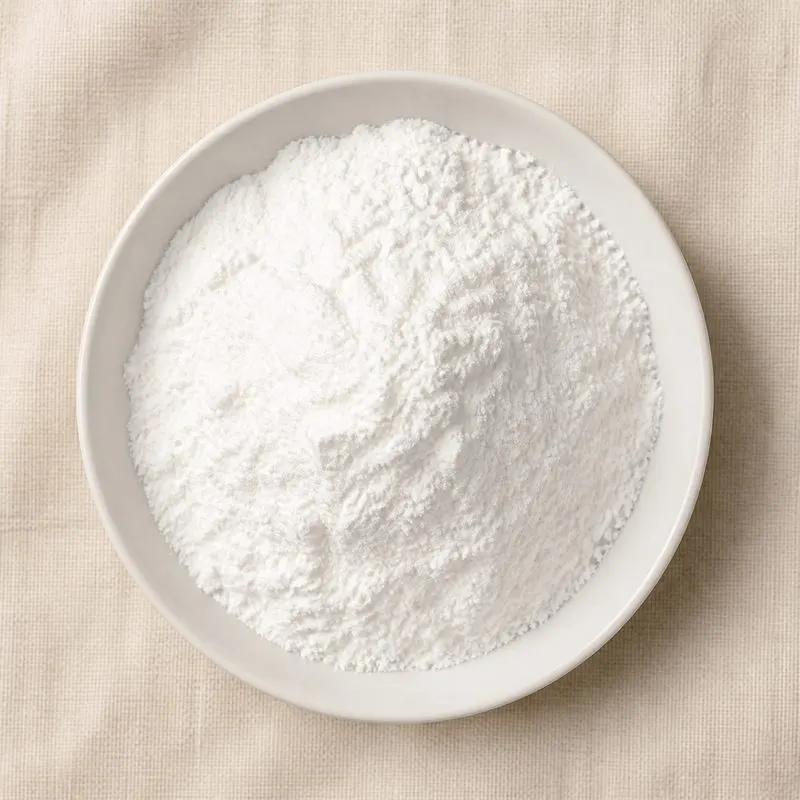
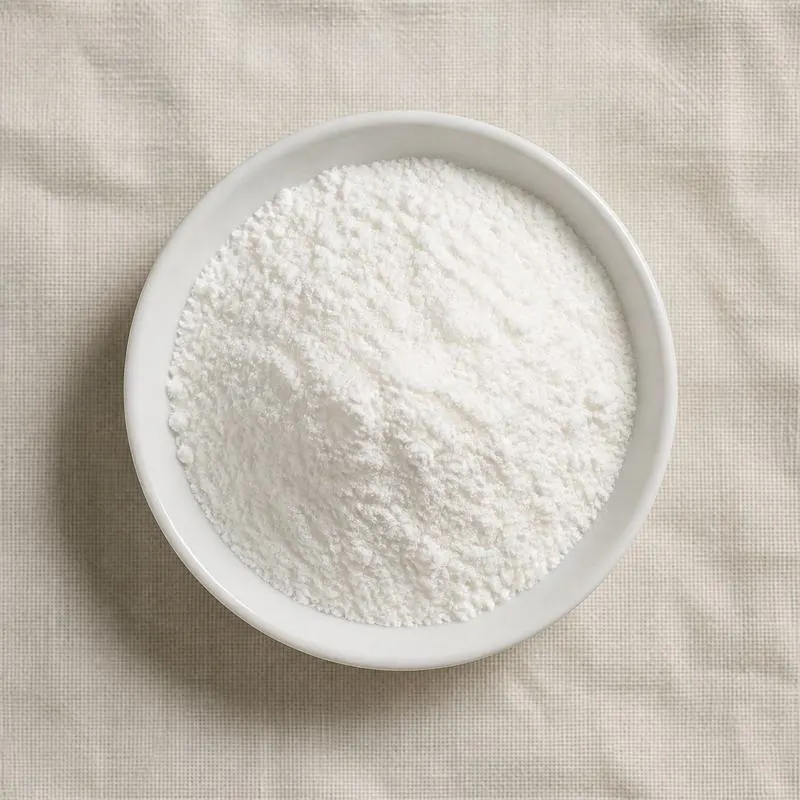
Mung Bean Starch
Mung Bean Starch is the high-amylose starch fraction recovered from mung bean (Vigna radiata) seeds by wet milling.
It is the traditional raw material for Chinese cellophane noodles (fensi) and Korean dangmyeon, prized for the transparent, chewy, and slippery texture that no other starch quite matches.
We source bulk Mung Bean Starch from top China manufacturers for our partners. The manufacturers are in Heilongjiang and Shandong. A smaller requirement can ship in a combined container with other ingredients.
Please send the grade you need, the volume and your destination port, and we will come back with a solution and a price.
or call +86-21-6858 0751
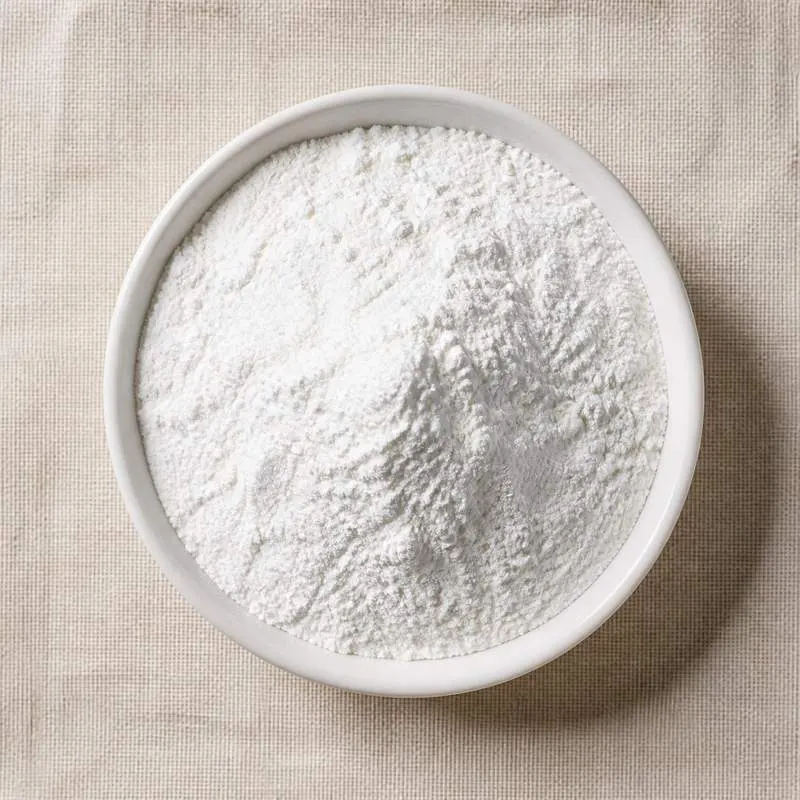
- Packaging
- 25 kg kraft paper bag with PE inner liner
- ISO 9001
- HACCP
- Halal
- Kosher
Specifications
| Item | Specification |
|---|---|
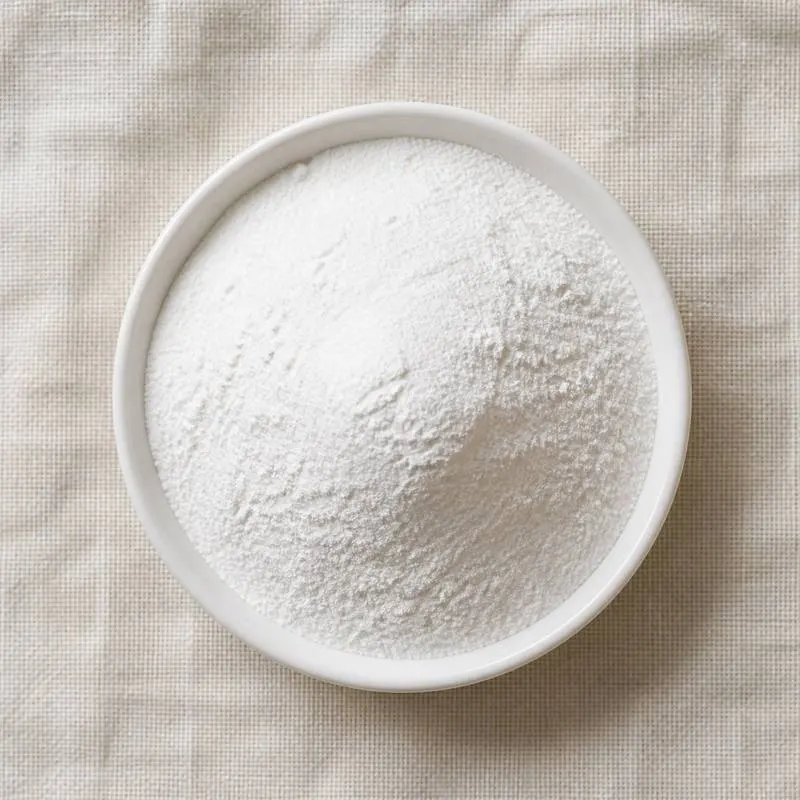
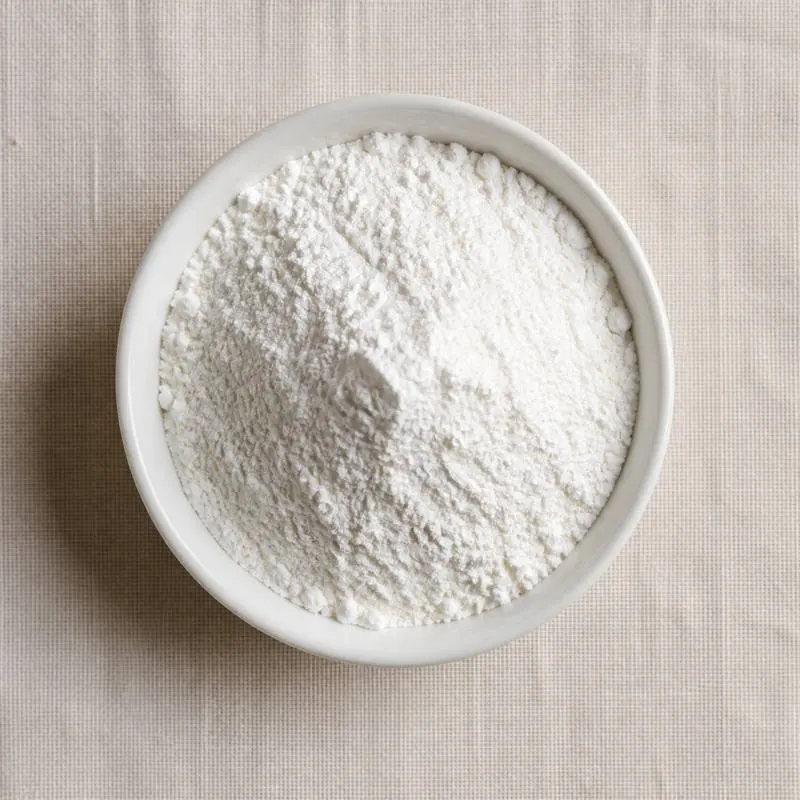
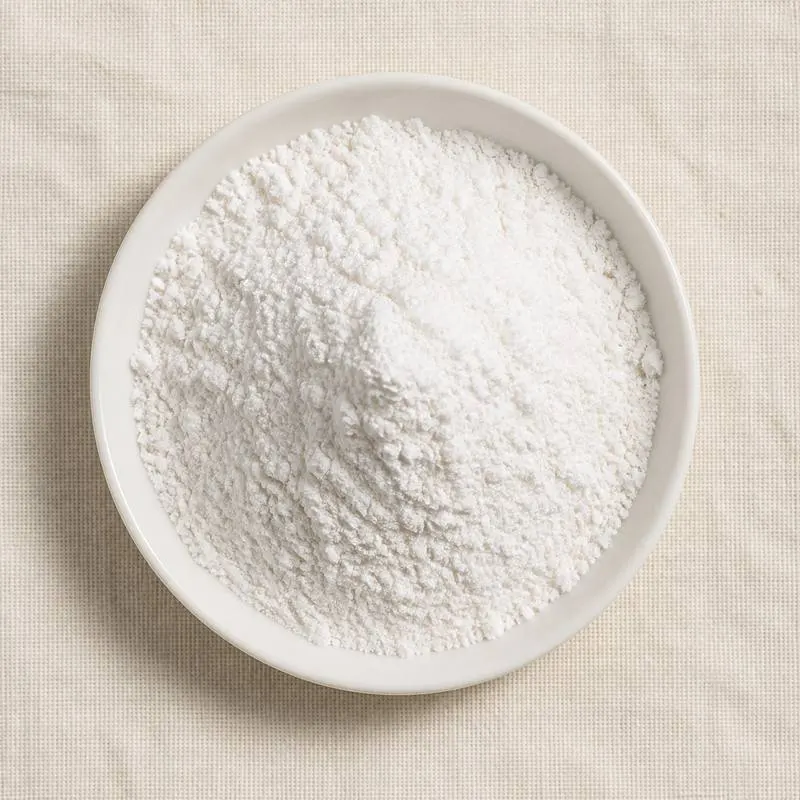
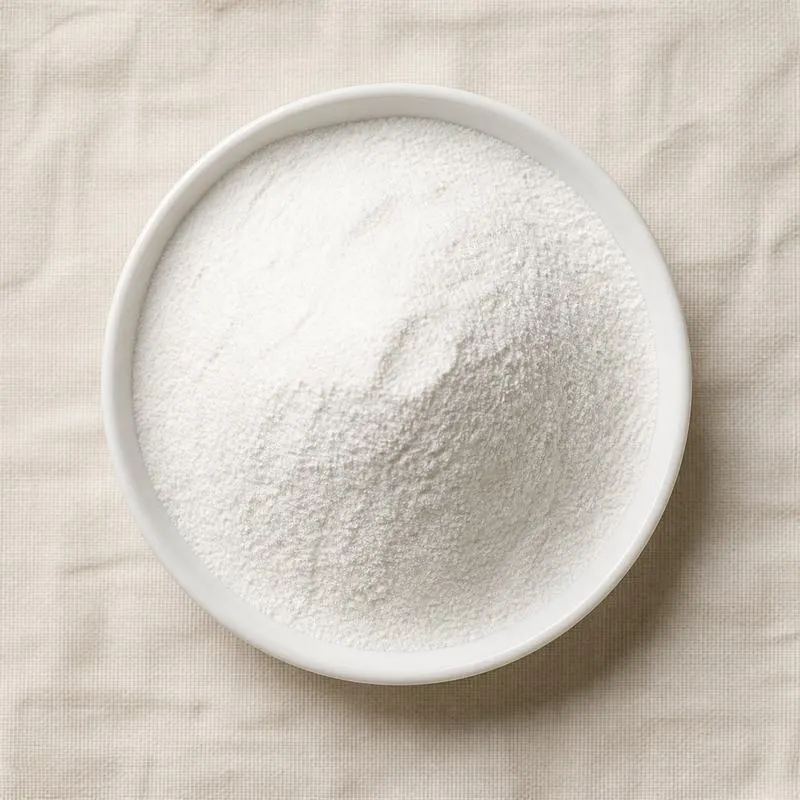
| Appearance | White to slightly cream fine powder |
| Moisture | ≤ 14.0% |
| Ash (dry basis) | ≤ 0.40% |
| Protein (dry basis) | ≤ 0.80% |
| Fat (dry basis) | ≤ 0.20% |
| pH (10% slurry) | 5.5 to 7.5 |
| Brabender peak viscosity (6%) | 250 to 400 BU |
| Amylose content | 38% to 45% |
| Gel strength (5%, 24 h) | ≥ 1000 g/cm² |
| Particle size | ≥ 99% through 100 mesh |
| Lead | ≤ 0.5 mg/kg |
| Arsenic | ≤ 0.5 mg/kg |
| Total plate count | ≤ 10,000 cfu/g |
| Yeast and mold | ≤ 100 cfu/g |
| E. coli | Negative in 5 g |
| Salmonella | Negative in 25 g |
| Source | Vigna radiata (mung bean) seed |
Common Markets Grades
The food grades of Mung Bean Starch target noodle and traditional-food manufacture.
Premium noodle-grade powder contains 40 to 45 percent amylose, the highest of any commercial starch. Moisture sits below 14 percent and colour is bright white with no detectable legume off-flavour.
Standard food-grade is produced for jellies, snacks, and sauces where the full amylose premium is not required.
Pre-gelatinized grades are spray- or drum-processed for cold-water-thickening applications in instant noodle sauces and chilled desserts.
Blends with pea or chickpea starch are produced for cost-optimised cellophane-noodle production where pure mung bean starch is too expensive.
Applications
- Cellophane noodles (fensi, dangmyeon, bun tau) for Chinese, Korean, and Vietnamese cuisine
- Mung bean jelly (liangfen, nokdumuk) and starch-based snack jellies
- Vermicelli, glass noodle, and crystal noodle applications
- Asian dessert and dim sum wrappers including crystal shrimp dumpling skin
- Gluten-free pasta and noodle formulations
- Sauce, soup, and gravy thickening for transparent finishes
- Hot pot dipping sauce and stir-fry glaze applications
- Confectionery jelly and Turkish-delight style desserts
China Manufacturers of Mung Bean Starch
Top Mung Bean Starch manufacturers in China.
 Harbin Hada Starch Co., Ltd.3 ingredients in the directory
 Shandong Jianyuan Bioengineering Co., Ltd.9 ingredients in the directory
Company names and logos are the property of the manufacturers themselves. They are listed here because our own directory records them as producing this ingredient. A listing is not an endorsement by them, and we do not represent them or speak on their behalf.
How We Help Source Mung Bean Starch
Direct Factory Sourcing
We run the whole process: selecting the manufacturer from the top Chinese food ingredient producers, negotiating the price, verifying quality, and coordinating the logistics. You deal with us instead of with several factories at once.
Original Packaging and Documents from the Manufacturer
The manufacturer sends your Mung Bean Starch out of its own factory in the original packing, through to your destination port. The COA, COO, MSDS, TDS and any certifications reach you from the manufacturer as well.
Free Samples and Lead Time
We send 100 to 500 g free for your own laboratory to test and you cover only the courier, usually within 2 to 3 working days. ETD is usually within 7 to 15 days once the order is confirmed, and we check that date against the factory's own manufacturing schedule before we give it to you.
Combined Shipment
We can load Mung Bean Starch together with other ingredients such as Modified Starch, Corn Starch and Pea Starch into one 20' FCL. If your quantity is small, we can also ship LCL.
Regulatory Status
Mung Bean Starch is a food ingredient rather than a regulated additive. It does not carry an E number.
It is treated as ordinary food in the United States, the EU, China, Korea, Japan, and most Southeast Asian markets. The Codex framework for sugars and starches covers it for international trade.
It is naturally gluten-free and free of the major regulated allergens in the United States system. Some markets require declaration of mung bean as a legume source on the ingredient list.
Halal and Kosher certifications are routinely available. Non-GMO is the default because mung bean is not produced as a genetically modified crop at commercial scale.
Manufacturing Process
Mung Bean Starch is recovered by an alkaline-soak wet-milling process developed in southern China centuries ago and now operated at industrial scale.
Dehulled mung beans are soaked in dilute alkali for 8 to 24 hours to soften the cotyledons and loosen the protein matrix.
The softened beans are wet-milled into a slurry that is screened to remove fibre. The filtered slurry is allowed to settle in tall sedimentation tanks. The dense starch fraction settles to the bottom while the lighter protein layer and supernatant are decanted off.
The starch layer is repeatedly washed with water and re-settled to remove residual protein and colour. The final wet starch is dewatered, sun-dried or flash-dried, and milled to a fine powder.
Major production sites operate in Shandong and Henan provinces in China, with secondary capacity in Thailand, Vietnam, and Myanmar.