Natural Clouding Agent
A natural clouding agent is a formulated oil in water emulsion used to give still and carbonated drinks the opaque, juice like appearance that consumers associate with fruit content. It is a compound product rather than a single chemical, built from a vegetable oil or natural wax phase, a natural emulsifier such as gum arabic, modified starch or lecithin, and water.
The cloud comes from light scattering by finely divided oil droplets held in suspension. Droplet size is the controlling variable: a mean diameter of roughly 0.5 to 1.5 micrometres scatters visible light efficiently and gives a white, stable haze, while coarser droplets cream to the surface and finer ones lose opacity. Natural grades avoid titanium dioxide and brominated vegetable oil, using density matched natural oils, ester gum alternatives or protein and starch systems to keep the droplets neutrally buoyant.
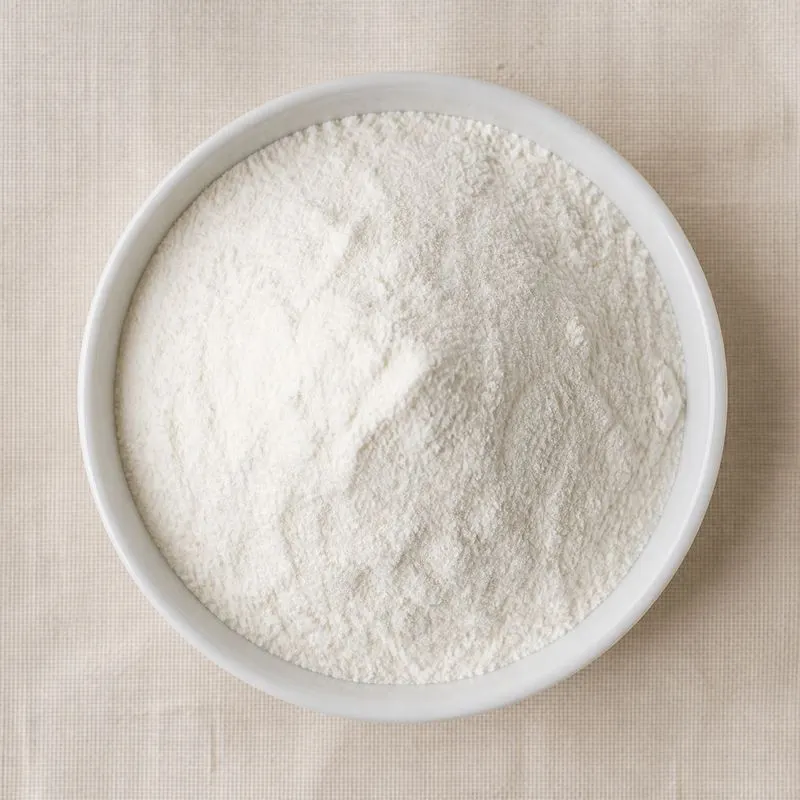
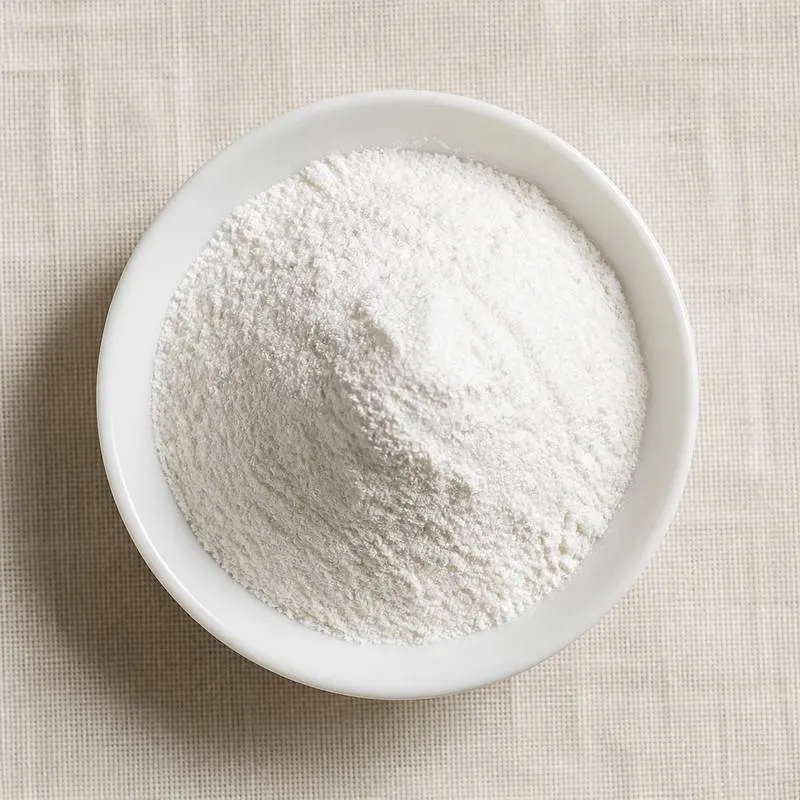
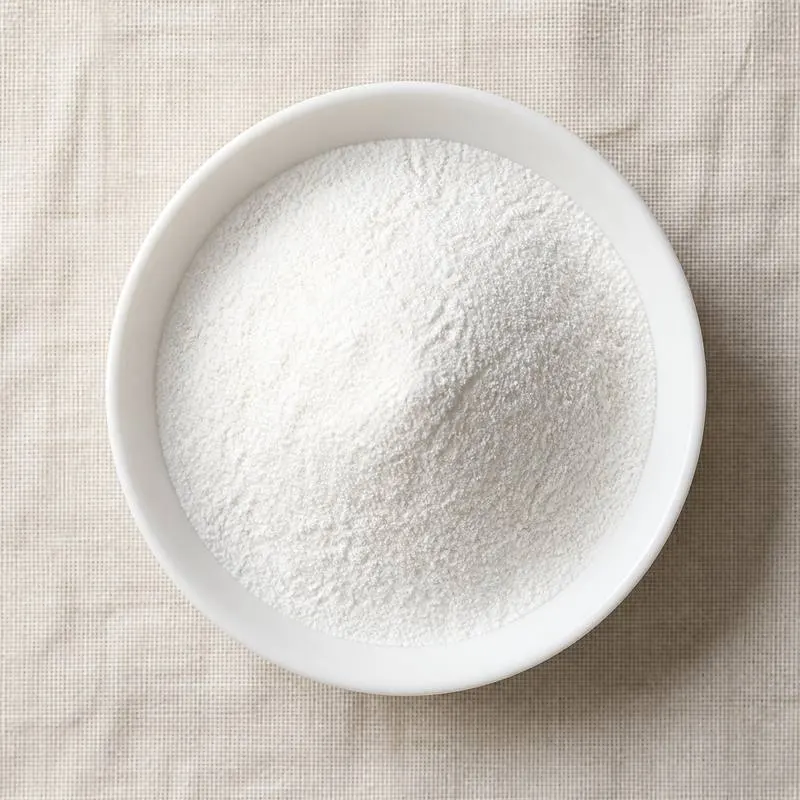
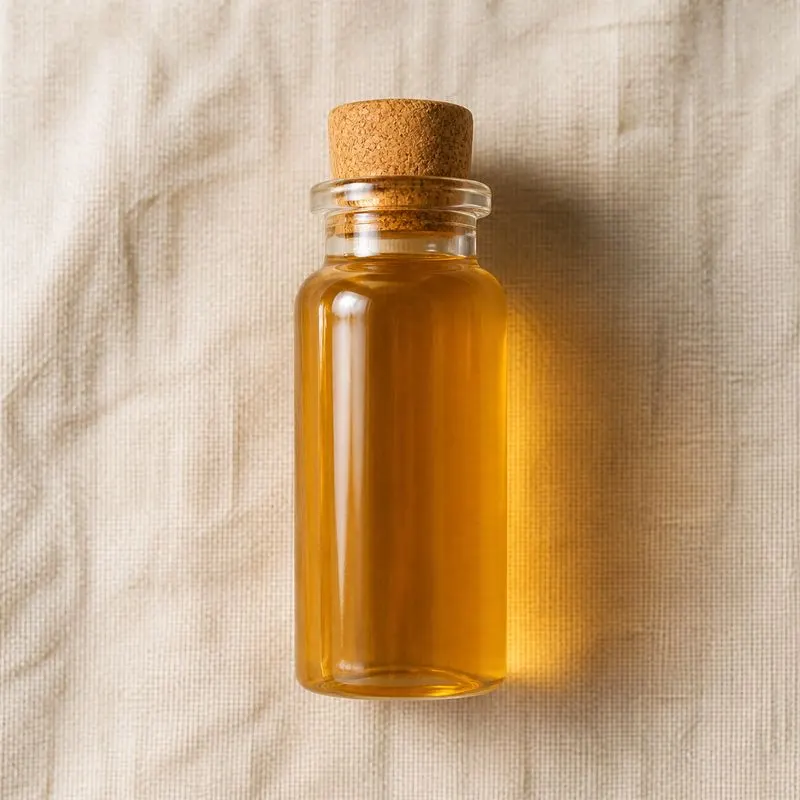
Two formats reach the market: a pourable white liquid emulsion at around 20 to 40 percent solids, and a spray dried powder that is reconstituted before use. It disperses directly into the beverage syrup, tolerates the pH range of acidified drinks and remains stable through pasteurisation when correctly formulated, although it is sensitive to freezing and to high shear after emulsification.
We source bulk Natural Clouding Agent from top China manufacturers for our partners. The manufacturer is in Jiangsu. A smaller requirement can ship in a combined container with other ingredients.
Please send the grade you need, the volume and your destination port, and we will come back with a solution and a price.
or call +86-21-6858 0751
- Function
- Emulsifier
Specifications
| Item | Specification |
|---|---|
| Appearance | Homogeneous white to off-white liquid emulsion |
| Odour and taste | Bland, free from rancid notes |
| Total solids | 20 - 40% |
| Mean droplet size | ≤ 1.5 μm |
| Viscosity (25 °C) | 50 - 400 mPa·s |
| pH (10% dilution) | 3.0 - 4.5 |
| Density (20 °C) | 1.00 - 1.10 g/mL |
| Heavy metals (as Pb) | ≤ 5 mg/kg |
| Lead | ≤ 1 mg/kg |
| Arsenic | ≤ 1 mg/kg |
| Total plate count | ≤ 1,000 cfu/g |
| Yeast and mould | ≤ 100 cfu/g |
| E. coli | Absent in 1 g |
| Salmonella | Absent in 25 g |
Common Markets Grades
Clouding agents are traded as concentrated liquid emulsions and as spray dried powders. Liquid grades carry a stated solids content and are dosed at low levels into the syrup, and they are the more common form where the bottling line has refrigerated storage. Powder grades, encapsulated in gum arabic or octenyl succinic anhydride modified starch, suit dry beverage mixes and long shipping routes and are declared by their oil load rather than by an assay.
Within each form the meaningful distinctions are the emulsifier system and the weighting approach, since these determine label declaration and stability. Because the product is a formulation, it is specified by physical performance, cloud value or turbidity in a defined dilution, droplet size distribution, viscosity, pH and microbiological cleanliness, rather than by a chemical assay.
Applications
- Cloudy carbonated soft drinks, where it replaces the opacity that would otherwise come from juice or from titanium dioxide
- Fruit flavoured still drinks and squashes at low juice content, where it supports the visual expectation set by the flavour
- Powdered instant drink mixes, where the spray dried form restores cloud on reconstitution
- Isotonic and sports drinks, where a light haze softens the appearance of a clear electrolyte solution
- Dairy analogue and coconut style beverages, where it reinforces the white opacity of a low solids base
- Jelly, dessert gels and syrup toppings, where it gives an even translucency instead of a glassy set
- Alcoholic ready to drink mixers built on citrus profiles, where it carries a small oil load alongside the flavour
- Sugar free beverages, where removing sugar solids has thinned both body and appearance
China Manufacturers of Natural Clouding Agent
Top Natural Clouding Agent manufacturers in China.

Company names and logos are the property of the manufacturers themselves. They are listed here because our own directory records them as producing this ingredient. A listing is not an endorsement by them, and we do not represent them or speak on their behalf.
Regulatory Status
A clouding agent has no single additive number of its own because it is a formulation. Its regulatory position is determined component by component: the carrier oil is a food ingredient, and the emulsifier, antioxidant and any preservative must each be permitted for the beverage category in the destination market. In the European Union that means gum arabic, modified starches and lecithins used within the terms of Regulation (EC) No 1333/2008, with the whole preparation handled as a compound food ingredient rather than as an additive in its own right.
In the United States the same logic applies, with each component either generally recognised as safe or cleared under its own food additive regulation, and with the finished emulsion labelled by its constituent ingredients. Products presented as natural avoid brominated vegetable oil, which the United States has moved away from, and avoid titanium dioxide, which is no longer authorised as a food additive in the European Union. Codex addresses the individual emulsifiers and stabilisers rather than the blend.
Manufacturing Process
Manufacture begins with preparation of the two phases. The oil phase is a refined vegetable oil, sometimes blended with a natural density adjusting material and with an antioxidant, warmed until fluid and clear. The water phase carries the hydrocolloid emulsifier, gum arabic or modified starch, which is hydrated under agitation, together with a preservative and any acid needed to set pH. The phases are combined under high shear to form a coarse pre emulsion.
The coarse emulsion then passes through a two stage high pressure homogeniser, typically at several hundred bar, which reduces the droplet population into the sub micron range that produces the cloud. Output is checked for droplet size and turbidity, then either cooled and filled as a liquid concentrate or fed to a spray drier to give an encapsulated powder. Both forms are filtered or sieved and filled into lined drums or lined bags.