Odd-chain Fatty Acids
Odd chain fatty acids are saturated fatty acids with an odd number of carbon atoms, of which pentadecanoic acid with fifteen carbons and heptadecanoic acid with seventeen are the two of commercial interest. They are minor components of ruminant fat and dairy fat, formed by rumen bacteria from propionate, and they occur at low levels in some fish and microbial lipids; almost no plant oil contains them in meaningful quantity.
Their metabolism differs from that of even chain fatty acids. Beta oxidation of an odd chain acid ends in propionyl coenzyme A rather than acetyl coenzyme A, which enters the citric acid cycle through a separate route, and that difference explains most of the nutritional interest in the group. Heptadecanoic and pentadecanoic acid are also long established as analytical biomarkers of dairy fat intake, and heptadecanoic acid is widely used as an internal standard in fatty acid analysis.
Commerce takes three forms: the free fatty acid, a purified triglyceride, or a powder in which the lipid is microencapsulated on a carbohydrate or protein wall. The free acids are waxy solids at ambient temperature with melting points above fifty degrees Celsius, poorly soluble in water and soluble in ethanol and in oils, and they are considerably more resistant to oxidation than the polyunsaturated nutritional lipids.
We source bulk Odd-chain Fatty Acids from top China manufacturers for our partners. The manufacturer is in Zhejiang. A smaller requirement can ship in a combined container with other ingredients.
Please send the grade you need, the volume and your destination port, and we will come back with a solution and a price.
or call +86-21-6858 0751
- Function
- Nutraceutical
Specifications
| Item | Specification |
|---|---|
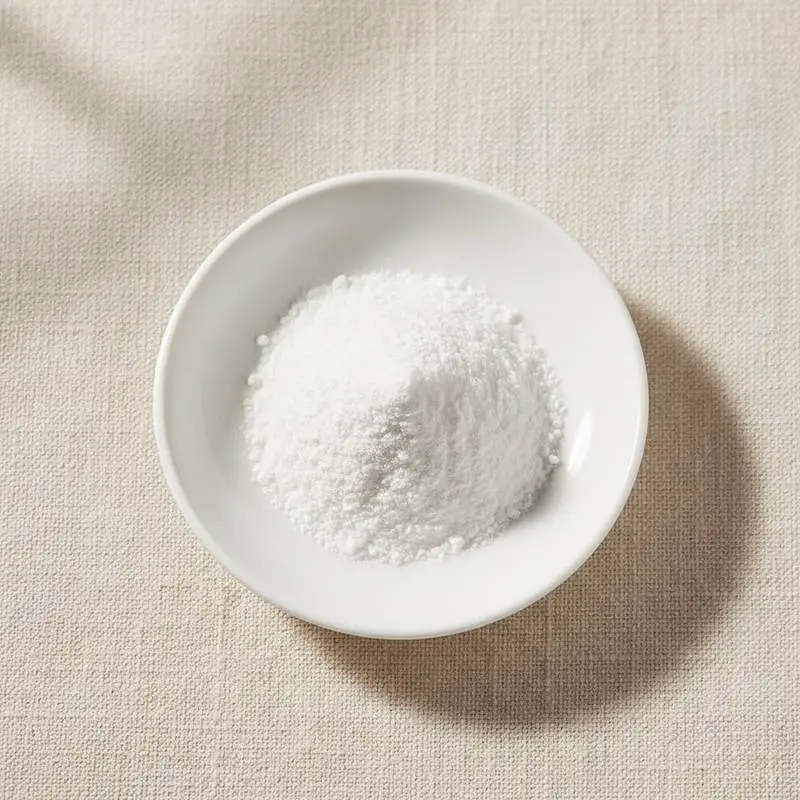
| Appearance | White to off-white waxy flakes, crystals or powder |
| Odour | Faint fatty, free from rancid notes |
| Assay, named odd chain fatty acid | Not less than 90.0 percent for nutritional grade |
| Identification | Retention time and mass spectrum conform to reference by GC-MS |
| Melting Range | 50 to 62 degrees C according to chain length |
| Acid Value | Conforms to theoretical value for the free acid grade |
| Iodine Value | Not more than 1.0 |
| Loss on Drying | Not more than 0.5 percent |
| Residue on Ignition | Not more than 0.1 percent |
| Peroxide Value | Not more than 5.0 meq/kg |
| Lead (Pb) | Not more than 0.5 mg/kg |
| Arsenic (As) | Not more than 0.5 mg/kg |
| Residual Solvent | Not more than 50 mg/kg |
| Total Plate Count | Not more than 1,000 cfu/g |
Common Markets Grades
The main grades are analytical and food or supplement grade. Analytical grade pentadecanoic and heptadecanoic acid, sold at very high purity as free acid or methyl ester, is used as a chromatographic standard and is priced accordingly. Nutritional grade material runs at a lower purity, typically above ninety percent for the named acid, and is the form used in supplements and fortified foods.
Chemical form is a second axis. Free fatty acid grades are crystalline solids; triglyceride grades are made by esterifying the acid onto glycerol and are preferred where a bland, oil miscible material is needed; sodium and calcium salts are also produced. Physical grades include flakes, milled powder, and spray dried microencapsulated powders with a defined lipid load for dry blending. Dairy derived and synthetically produced material are distinguished on the specification, as are vegan grades made by fermentation or synthesis rather than from milk fat.
Applications
- Dietary supplements in capsule, tablet and powder format, marketed on the metabolic role of pentadecanoic acid
- Fortification of dairy alternative beverages, which naturally lack odd chain fatty acids
- Clinical and medical nutrition formulations
- Analytical internal standards for fatty acid quantification by gas chromatography
- Reference material for the measurement of dairy fat intake biomarkers in nutrition research
- Research substrates in studies of propionate metabolism and mitochondrial function
- Pet and companion animal supplements, in equivalent oil and powder grades
- Feedstock for the synthesis of odd chain structured triglycerides
Brands Using Odd-chain Fatty Acids
Widely-distributed consumer products that list Odd-chain Fatty Acids on the ingredient label.
- fatty15fatty15 Essential C15:0 Supplement ↗Each dose supplies 100 mg of pure pentadecanoic acid, the odd-chain saturated fatty acid C15:0.Label verified 2026-08-31
- CodeageLiposomal C15:0+ ↗Capsules built on pentadecanoic acid, the C15:0 odd-chain fatty acid, paired with CoQ10 and astaxanthin.Label verified 2026-08-31
Brand names, product names and logos are the property of their owners. They appear here as published evidence that the ingredient is used, taken from the brand's own label or website. Their appearance is not an endorsement, and it does not mean the brand buys from us or from any manufacturer listed on this site.
China Manufacturers of Odd-chain Fatty Acids
Top Odd-chain Fatty Acids manufacturers in China.

Company names and logos are the property of the manufacturers themselves. They are listed here because our own directory records them as producing this ingredient. A listing is not an endorsement by them, and we do not represent them or speak on their behalf.
Regulatory Status
In the United States pentadecanoic acid has been the subject of a generally recognised as safe determination notified to the Food and Drug Administration for defined uses in food and beverages, and supplement forms are marketed under the dietary supplement framework with manufacture under the good manufacturing practice rule at 21 CFR part 111. Fatty acids used as food additives more generally are covered by the fatty acid provisions of the food additive regulations. Structure and function claims must be substantiated by the manufacturer, and disease claims are not permitted.
In the European Union a purified odd chain fatty acid presented as a food ingredient would not have a significant history of consumption in that isolated form, so it must be assessed under the novel food regulation, Regulation (EU) 2015/2283, before it can be placed on the market, and any use must follow the conditions of an authorisation. Directive 2002/46/EC additionally covers food supplements, and the nutrition and health claims regulation covers claims. Codex has adopted general standards for contaminants and for food supplements that apply to the finished products.
Manufacturing Process
Two industrial routes dominate. The isolation route starts from a lipid naturally containing odd chain acids, in practice dairy fat or a selected microbial oil. The fat is hydrolysed or transesterified to free the fatty acids or their methyl esters, and the mixture is separated by fractional distillation and by crystallisation from solvent, which relies on the melting point differences between adjacent chain lengths. Repeated fractionation is needed because the odd chain acids are present at low levels and sit between two abundant even chain neighbours.
The synthetic route builds the chain deliberately, most often by chain extension chemistry from a shorter even chain feedstock or by fermentation in which a propionate primer directs the biosynthesis towards odd chain products, and the biomass is then harvested, dried and extracted. In both routes the crude acid is purified by distillation under vacuum and by recrystallisation, then either flaked and milled as the free acid, esterified with glycerol over a catalyst and distilled to give the triglyceride, or emulsified with a wall material, homogenised and spray dried to a microencapsulated powder.