Olive Fruit Polyphenols
Olive fruit polyphenols are a standardised phenolic extract of the fruit of Olea europaea, recovered either from the fruit itself or from the aqueous vegetation water that separates during olive oil milling. The characteristic constituents are the secoiridoid oleuropein and its hydrolysis product hydroxytyrosol, together with tyrosol, verbascoside, oleocanthal and oleacein, and it is hydroxytyrosol content that most commonly defines the commercial grade.
The functional interest is antioxidant. These ortho-diphenols are efficient radical scavengers and metal chelators, and in food systems they slow lipid oxidation in fats, oils and emulsions. In supplements they are sold on the strength of the authorised European claim relating olive oil polyphenols to protection of blood lipids from oxidative damage.
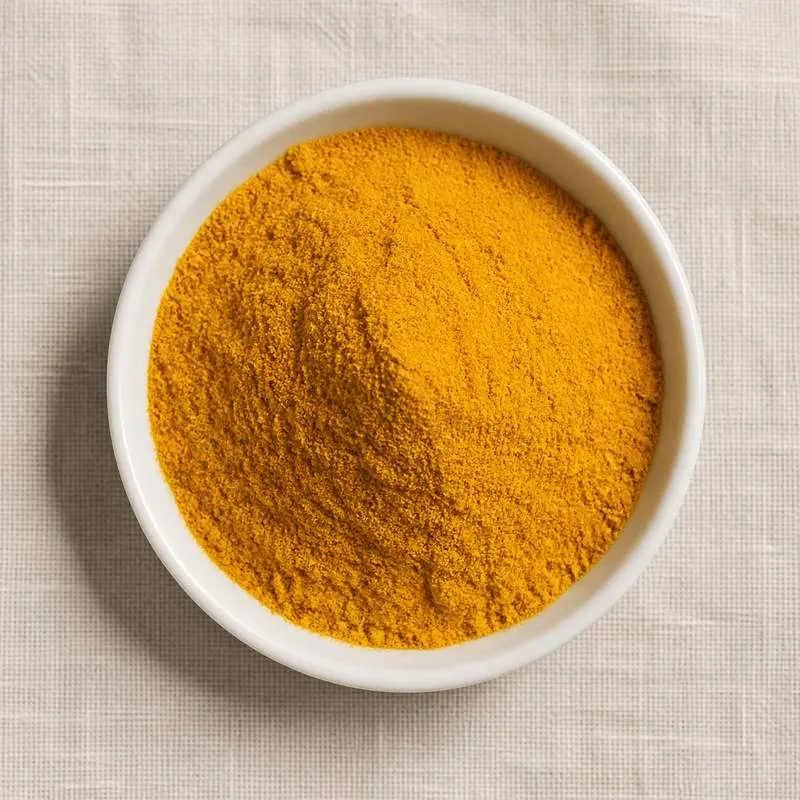
Commercial powders are light brown to tan, freely soluble in water and in aqueous ethanol, and mildly bitter with an astringent finish that limits dosage in unmasked applications. The phenolics are stable to heat in dry form but darken in solution at alkaline pH and oxidise on prolonged exposure to air, so material is packed under a moisture and oxygen barrier.
We source bulk Olive Fruit Polyphenols from top China manufacturers for our partners. The manufacturer is in Shaanxi. A smaller requirement can ship in a combined container with other ingredients.
Please send the grade you need, the volume and your destination port, and we will come back with a solution and a price.
or call +86-21-6858 0751
- Function
- Plant extract
Specifications
| Item | Specification |
|---|---|
| Appearance | Light brown to tan fine powder |
| Odour and Taste | Characteristic olive, bitter and astringent |
| Hydroxytyrosol (HPLC) | ≥ 20.0% |
| Total Polyphenols (Folin) | ≥ 40.0% |
| Identification | Conforms by HPLC against hydroxytyrosol reference |
| Loss on Drying | ≤ 5.0% |
| Total Ash | ≤ 5.0% |
| Particle Size | 100% through 80 mesh |
| Residual Ethanol | ≤ 0.5% |
| Heavy Metals (as Pb) | ≤ 10 mg/kg |
| Lead | ≤ 1.0 mg/kg |
| Arsenic | ≤ 1.0 mg/kg |
| Total Plate Count | ≤ 1,000 cfu/g |
| Yeast and Mould | ≤ 100 cfu/g |
| E. coli | Negative |
| Salmonella | Absent in 25 g |
Common Markets Grades
Grades are defined by the marker they are standardised against. Hydroxytyrosol standardised extracts are traded at 5, 10, 20 and 40 percent, with concentrated grades of 90 percent or more available as near pure material. Oleuropein standardised extracts, usually derived from leaf rather than fruit, run from 20 to 80 percent, and total polyphenol grades measured by the Folin method are quoted at 20 to 60 percent. The three figures measure different things and are not interchangeable, so a specification names the assay method.
Physical grades cover spray dried powder at 80 mesh, liquid concentrate at 5 to 15 percent solids for beverage dosing, and oil dispersible versions carried in a vegetable oil or lecithin base for fat phase antioxidant use. Organic certified and solvent free water extracted grades are produced where a clean label is required, and debittered grades with part of the secoiridoid fraction removed are made for beverage applications.
Applications
- Dietary supplements in capsule and tablet form, standardised on hydroxytyrosol content
- Functional beverages and shots positioned on antioxidant content, using a debittered water soluble grade
- Edible oils and fat blends, where the phenolics slow the onset of rancidity in frying and storage
- Meat products, added to raw and cooked formulations to slow lipid oxidation and warmed over flavour
- Emulsified sauces such as mayonnaise and dressings, protecting the dispersed oil phase
- Bakery fillings and fat based creams, extending shelf life without a synthetic antioxidant declaration
- Sports nutrition products, formulated around the recovery positioning of olive polyphenols
- Skin care and sun care formulations, where the ortho-diphenol structure provides radical scavenging
- Animal feed and pet food, used as a natural antioxidant for the fat fraction
Brands Using Olive Fruit Polyphenols
Widely-distributed consumer products that list Olive Fruit Polyphenols on the ingredient label.
- ProHealth LongevityUltimate Olive Oil+ ↗Softgels combining cold-pressed extra virgin olive oil with olive leaf extract and an olive fruit extract standardised for hydroxytyrosol.Label verified 2026-08-31
- ProHealth LongevityHydroxytyrosol Extreme 25 mg ↗Capsules supplying 25 mg of hydroxytyrosol, the principal polyphenol of the olive fruit.Label verified 2026-08-31
Brand names, product names and logos are the property of their owners. They appear here as published evidence that the ingredient is used, taken from the brand's own label or website. Their appearance is not an endorsement, and it does not mean the brand buys from us or from any manufacturer listed on this site.
China Manufacturers of Olive Fruit Polyphenols
Top Olive Fruit Polyphenols manufacturers in China.
Company names and logos are the property of the manufacturers themselves. They are listed here because our own directory records them as producing this ingredient. A listing is not an endorsement by them, and we do not represent them or speak on their behalf.
Regulatory Status
In the United States olive fruit extracts standardised on hydroxytyrosol are marketed as food ingredients and dietary ingredients. Several hydroxytyrosol rich olive extracts have been the subject of GRAS notices to the Food and Drug Administration for use in foods and beverages, and the agency responded without objection to those notices. There is no food additive regulation specific to olive polyphenols, so the basis of use is the notified or self affirmed GRAS conclusion, and the material carries no colour additive listing.
In the European Union olive fruit extract is a food ingredient rather than an additive and has no E number. Extracts made by processes without a history of use before May 1997, including some high purity hydroxytyrosol preparations, have been authorised individually as novel foods under Regulation 2015/2283, and the authorisation sets out the permitted specification and the categories of food in which the ingredient may be used. A health claim on protection of blood lipids from oxidative stress by olive oil polyphenols is authorised under Regulation 432/2012 with a defined condition of use. Codex has a standard for olive oils and olive pomace oils but no standard for the polyphenol extract itself.
Manufacturing Process
The dominant industrial route starts from olive mill vegetation water, the aqueous phase separated by the decanter in a two or three phase olive oil plant, which carries most of the fruit phenolics but very little oil. The stream is screened and centrifuged to remove suspended solids and residual oil, then acidified to stabilise the phenolics and held under controlled conditions so that oleuropein hydrolyses to hydroxytyrosol where a high hydroxytyrosol grade is the target. Some plants instead extract milled whole fruit or destoned pulp with aqueous ethanol.
The clarified aqueous stream is fractionated on a food grade adsorption resin, which binds the phenolics while sugars, organic acids and salts pass to waste. The resin is washed with water and the phenolic fraction eluted with ethanol, which is recovered by vacuum distillation and recycled. The eluate is concentrated under vacuum, optionally purified further by membrane filtration or preparative chromatography for high assay grades, standardised against an assayed batch, blended with maltodextrin where a carrier is specified, and spray dried. Powder is sieved, assayed by HPLC and packed under nitrogen.