Omega-3 DHA Concentrate
Omega-3 DHA concentrate is a marine or algal oil in which docosahexaenoic acid has been enriched well beyond its natural level, so that DHA rather than total omega-3 is the parameter the material is bought on. A natural fish oil carries around 12 percent DHA and an algal oil 40 to 50 percent; a concentrate runs from 50 percent up to 70 percent and above.
DHA is the 22 carbon omega-3 fatty acid with six double bonds, the longest and most unsaturated of the common dietary fatty acids, and it is the dominant structural fatty acid of neural and retinal membranes. That is the reason concentrates weighted towards DHA rather than EPA are made at all, since the applications that drive demand, infant nutrition and cognitive positioning, are specified on DHA.
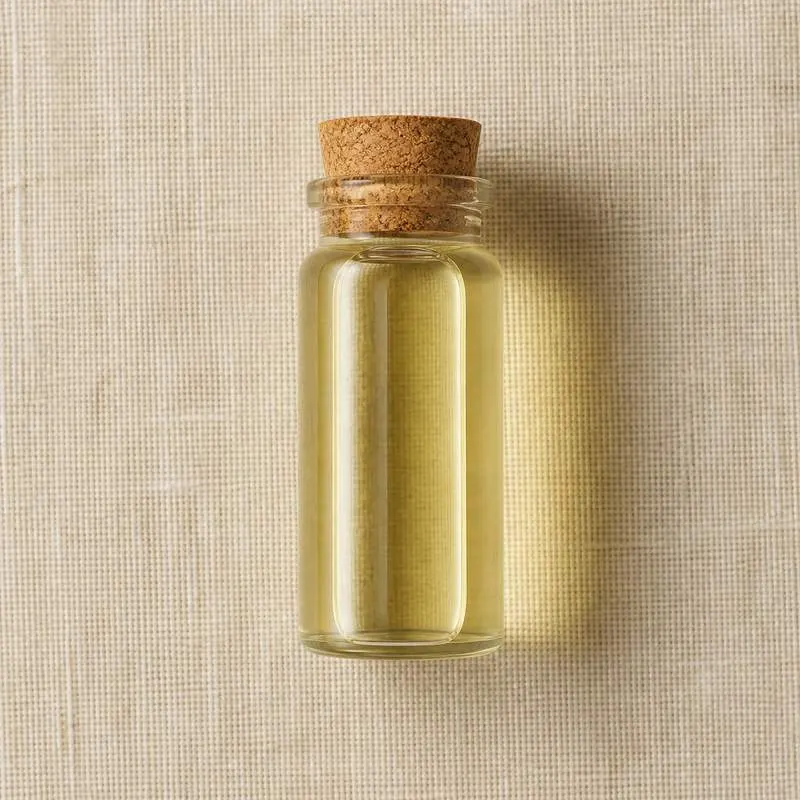
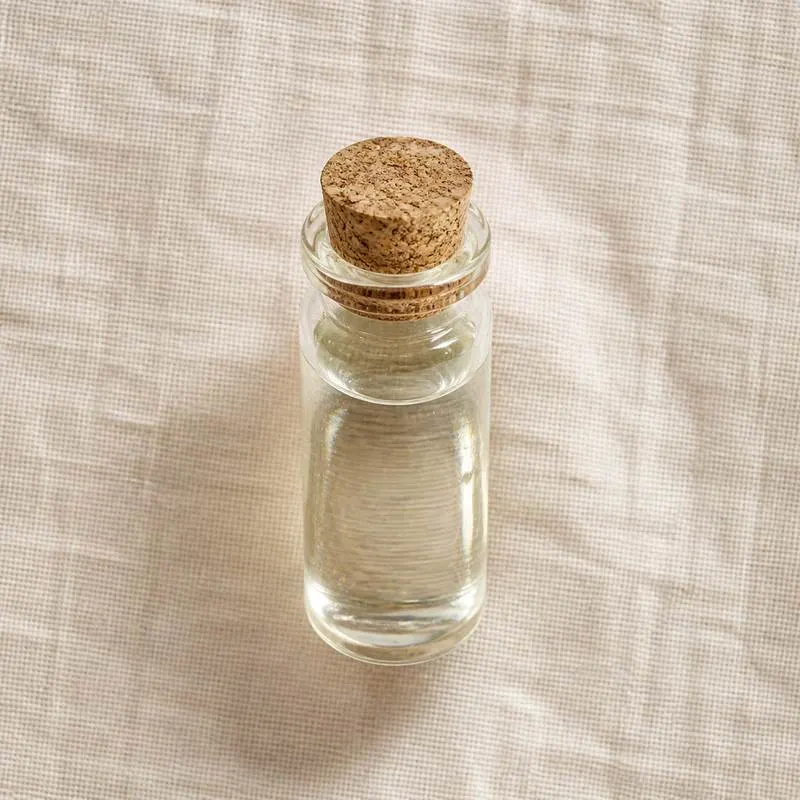
The product is an ethyl ester or a re-esterified triglyceride, and the form is stated because it affects softgel compatibility and labelling. It is a clear pale yellow to light amber oil, low in viscosity, insoluble in water and miscible with other oils, and it stays clear at refrigeration temperature because the saturated fraction was removed during concentration. Six double bonds make it the most oxidation prone material in the omega-3 range, so it is stabilised with tocopherols, held under nitrogen in light protected containers and released against peroxide, anisidine and total oxidation values that are rechecked on receipt.
We source bulk Omega-3 DHA Concentrate from top China manufacturers for our partners. The manufacturer is in Sichuan. A smaller requirement can ship in a combined container with other ingredients.
Please send the grade you need, the volume and your destination port, and we will come back with a solution and a price.
or call +86-21-6858 0751
- Function
- Specialty oil
Specifications
| Item | Specification |
|---|---|
| Appearance | Clear pale yellow to light amber oily liquid |
| Odour and Taste | Slight marine note, free from rancid character |
| DHA (of total fatty acids) | ≥ 50.0% |
| EPA (of total fatty acids) | ≤ 10.0% |
| Total Omega-3 Fatty Acids | ≥ 60.0% |
| Chemical Form | Ethyl ester or re-esterified triglyceride as declared |
| Identification | Conforms by gas chromatography fatty acid profile |
| Acid Value | ≤ 0.5 mg KOH/g |
| Peroxide Value | ≤ 5.0 meq/kg |
| Anisidine Value | ≤ 20 |
| Totox Value | ≤ 26 |
| Trans Fatty Acids | ≤ 1.0% |
| Moisture and Volatiles | ≤ 0.05% |
| Unsaponifiable Matter | ≤ 1.5% |
| Dioxins and Furans | ≤ 1.75 pg WHO-TEQ/g |
| Lead | ≤ 0.1 mg/kg |
| Mercury | ≤ 0.1 mg/kg |
Common Markets Grades
Grades are quoted by DHA content and by the EPA that accompanies it, in the two figure trade shorthand, so a 10/50 concentrate carries 10 percent EPA and 50 percent DHA. Common levels are 50, 60 and 70 percent DHA, with the highest assays reached only through chromatographic separation. Products intended for infant nutrition are specified with EPA deliberately held low, since a high EPA level is not wanted in that application.
Chemical form is the second axis: the ethyl ester is cheaper and reaches the higher assays, while the re-esterified triglyceride costs more and is preferred where a triglyceride form is required. Source is declared as marine or algal; algal concentrates carry a vegan claim and avoid the fish allergen and marine contaminant profile, which is why they dominate infant formula supply. Beyond the neat oil, microencapsulated powders spray dried at 10 to 25 percent oil load and oil in water emulsions are separate finished formats. Grades meeting a pharmacopoeial monograph carry tighter limits than the general supplement line.
Applications
- Infant formula and follow-on formula, where DHA is required at defined levels
- Prenatal and maternal supplements dosed on DHA content
- Cognitive and eye health supplement ranges in softgel and liquid form
- Paediatric supplements, chews and gummies using the encapsulated form
- Clinical and enteral nutrition formulations requiring a defined DHA level
- Fortified dairy, plant milks and beverages, added as an emulsion or powder
- Nutrition bars and cereals, using the microencapsulated powder to survive processing
- Pet supplements aimed at cognitive development and coat condition
- Aquaculture larval and broodstock feed requiring preformed long chain omega-3
Brands Using Omega-3 DHA Concentrate
Widely-distributed consumer products that list Omega-3 DHA Concentrate on the ingredient label.
- Carlson LabsElite DHA Gems ↗A single softgel carries a concentrated 1,000 mg of the omega-3 DHA from cold-water fish oil.Label verified 2026-08-31
- Wiley's FinestPeak DHA ↗Concentrated wild Alaskan fish oil supplying 600 mg of DHA and 300 mg of EPA per serving.Label verified 2026-08-31
- CodeageAmen Algal Oil ↗Softgels providing 1,000 mg of algal oil per serving as a vegan source of concentrated DHA and EPA.Label verified 2026-08-31
Brand names, product names and logos are the property of their owners. They appear here as published evidence that the ingredient is used, taken from the brand's own label or website. Their appearance is not an endorsement, and it does not mean the brand buys from us or from any manufacturer listed on this site.
China Manufacturers of Omega-3 DHA Concentrate
Top Omega-3 DHA Concentrate manufacturers in China.
Company names and logos are the property of the manufacturers themselves. They are listed here because our own directory records them as producing this ingredient. A listing is not an endorsement by them, and we do not represent them or speak on their behalf.
Regulatory Status
In the United States, DHA rich marine and algal oils are the subject of GRAS notifications to which the FDA responded without objection for defined food uses including infant formula, and they are sold as dietary ingredients under the dietary supplement framework. Each GRAS position attaches to a specific source and specification rather than to DHA concentrates generally. Infant formula manufacturers must notify the FDA before marketing a formula containing a new ingredient. Fish must be declared as a major food allergen where the source is marine.
In the European Union, concentrated and algal DHA oils are authorised individually under the novel food regulation and appear in the Union list with source, permitted food categories, maximum levels and specification set out for each. DHA is a nutrient rather than an additive, so no E number applies. The delegated regulation on infant and follow-on formula requires DHA at defined levels in those products, and the nutrition and health claims regulation carries authorised claims for DHA relating to brain and vision function at specified intakes. Fish is an allergen requiring emphasis in the ingredient list, and the contaminants regulation sets maximum levels for dioxins and dioxin-like polychlorinated biphenyls in fish oil. Codex has adopted a standard for fish oils covering DHA rich and concentrated oils.
Manufacturing Process
For the marine route, crude fish oil, often from tuna because tuna oil is naturally DHA rich, is refined by degumming, alkali neutralisation, bleaching and vacuum deodorisation, with a dedicated step to strip dioxins and polychlorinated biphenyls. For the algal route, the crude oil extracted from Schizochytrium biomass is refined through the same train. Either refined oil is then transesterified with anhydrous ethanol over an alkaline catalyst, cleaving the triglycerides into ethyl esters and releasing glycerol, which is drawn off.
Enrichment then proceeds by fractionating the ester mixture. Short path or falling film molecular distillation under high vacuum at low temperature removes the shorter and more saturated esters, and because DHA is the longest chain present it concentrates in the residue rather than the distillate, which is the basis of the separation. Urea complexation removes further saturated and monounsaturated material. Separating DHA from EPA, which requires resolving two closely related polyunsaturates, calls for preparative chromatography, generally simulated moving bed, and this is the step that takes a product from a general concentrate to a defined DHA grade. The purified fraction is either finished as an ethyl ester or re-esterified onto glycerol under lipase catalysis at moderate temperature under vacuum, with residual free acids and partial glycerides stripped by distillation. The oil is polish filtered, deodorised, dosed with tocopherols and filled under nitrogen.