Schizochytrium
Schizochytrium is a genus of marine heterotrophic microalgae, formally thraustochytrids, cultivated in closed fermenters as a source of docosahexaenoic acid. Unlike photosynthetic algae it grows in the dark on sugar, which is why it can be produced in conventional fermentation plant at industrial scale, and it accumulates lipid to more than half its dry weight with docosahexaenoic acid making up a large share of the fatty acids.
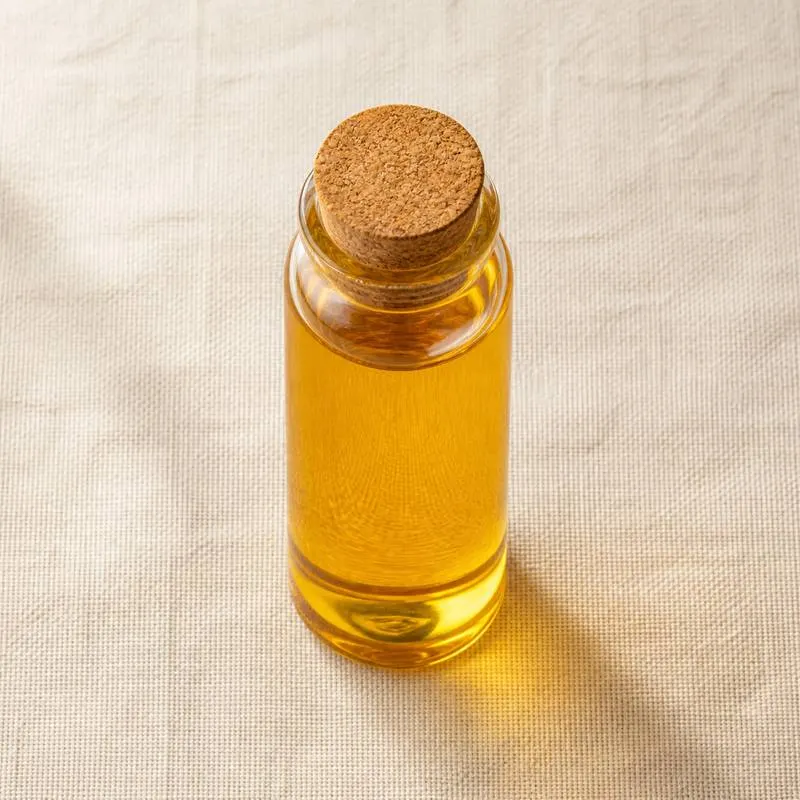
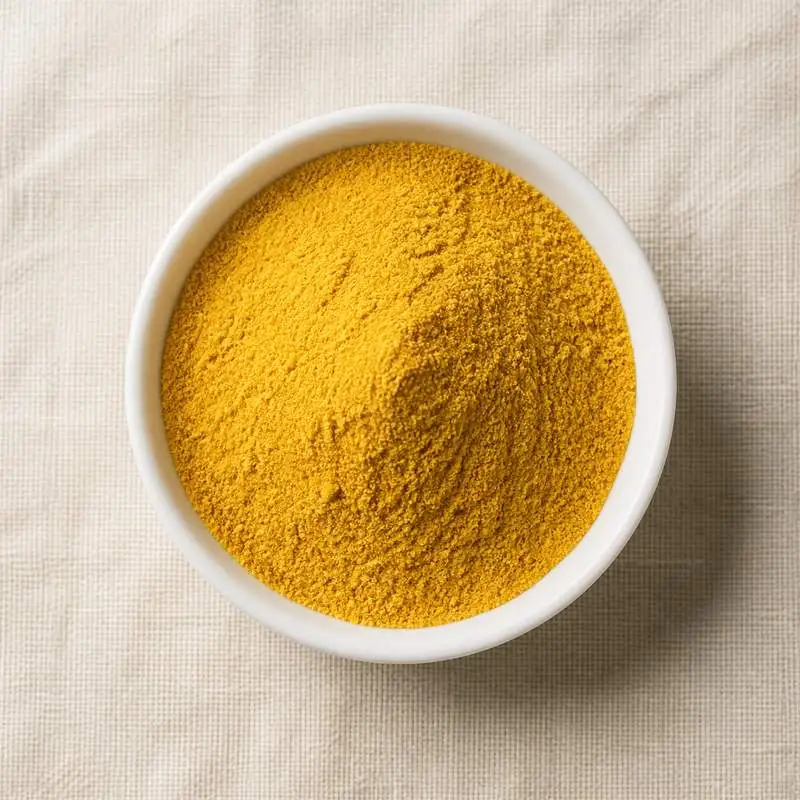
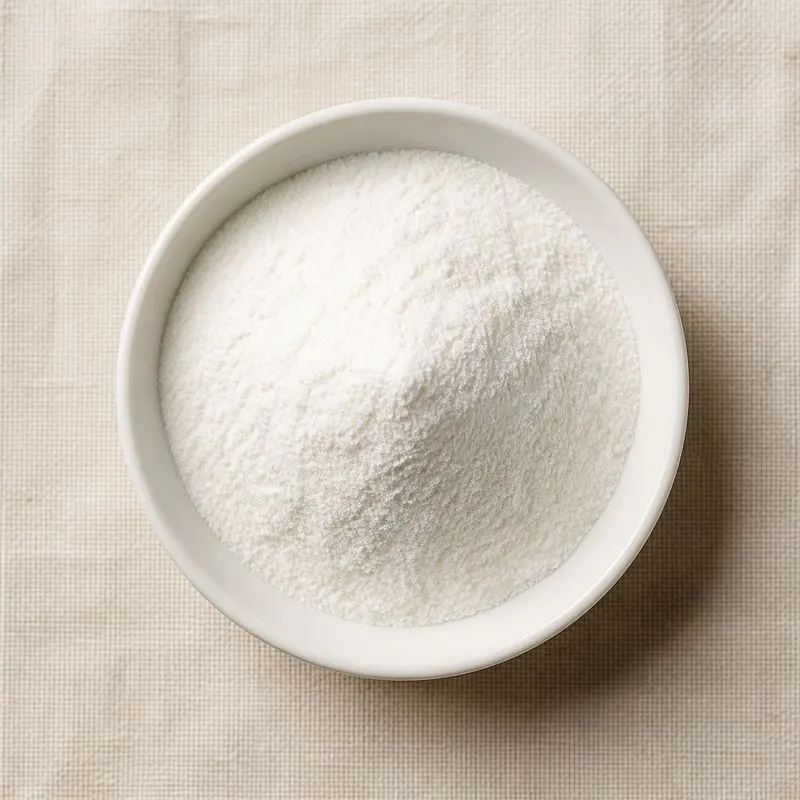
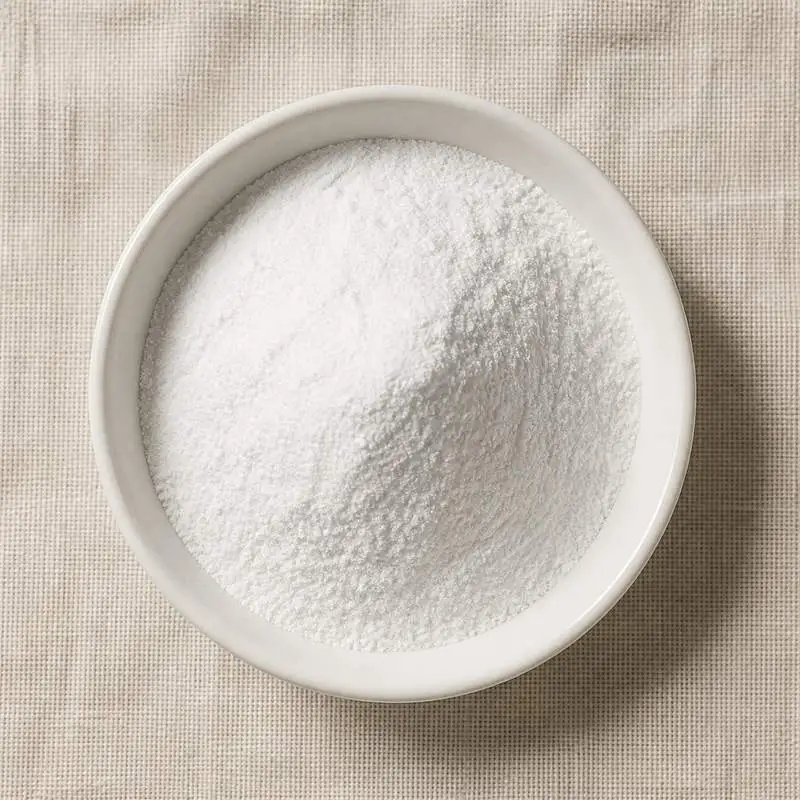
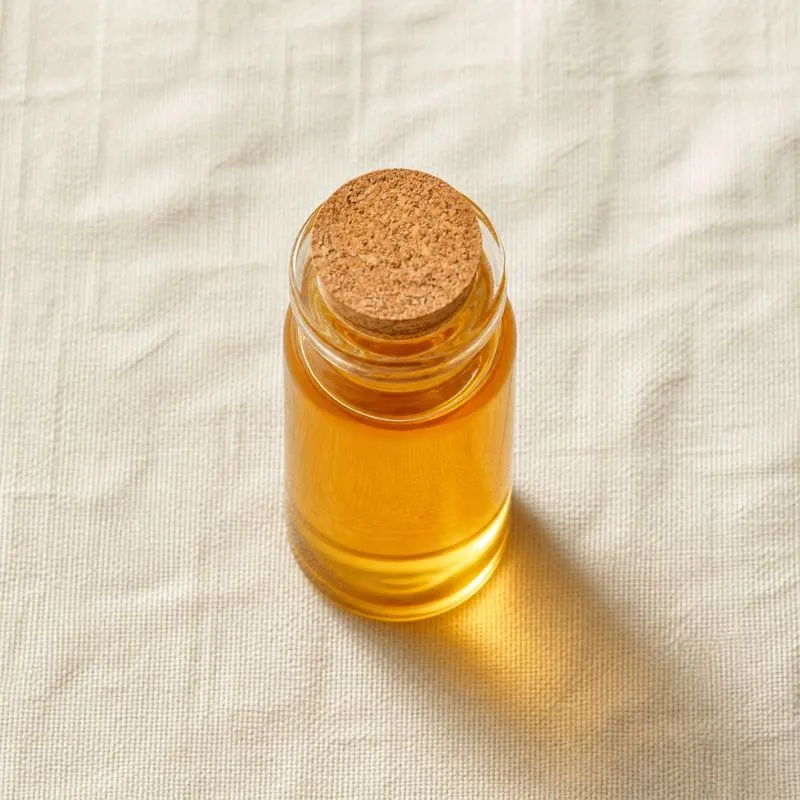
Two ingredient forms come from the same organism. Schizochytrium oil is the extracted triglyceride oil, a pale yellow to orange liquid with added tocopherols and rosemary extract as antioxidants, typically carrying 35 to 55 percent docosahexaenoic acid with a small amount of docosapentaenoic acid and palmitic acid as the dominant saturate. Whole cell dried algal biomass is the second form, a beige to brown free flowing powder in which the oil remains inside the cell wall, used mainly in animal feed and in some dry food formats.
The oil is insoluble in water and is delivered in food either as an emulsion or as a microencapsulated powder. Being a highly unsaturated marine oil it oxidises readily, so peroxide value and anisidine value are core specifications, packing is under nitrogen, and heat exposure in the finished process is kept short.
We source bulk Schizochytrium from top China manufacturers for our partners. The manufacturer is in Fujian. A smaller requirement can ship in a combined container with other ingredients.
Please send the grade you need, the volume and your destination port, and we will come back with a solution and a price.
or call +86-21-6858 0751
- Function
- Nutraceutical
Specifications
| Item | Specification |
|---|---|
| Appearance | Clear pale yellow to orange oil, free of sediment at 20 degrees Celsius |
| Odour and taste | Bland, characteristic, free of rancid notes |
| Docosahexaenoic acid, gas chromatography | Not less than 35.0 percent of total fatty acids |
| Total omega-3 fatty acids | Not less than 40.0 percent of total fatty acids |
| Identification | Fatty acid profile conforms to reference chromatogram |
| Peroxide value | Not more than 5.0 meq/kg |
| Anisidine value | Not more than 20.0 |
| Free fatty acid, as oleic | Not more than 0.2 percent |
| Unsaponifiable matter | Not more than 4.5 percent |
| Moisture and volatile matter | Not more than 0.1 percent |
| Trans fatty acids | Not more than 1.0 percent |
| Residual hexane | Not more than 5 mg/kg |
| Lead | Not more than 0.1 mg/kg |
| Arsenic | Not more than 0.1 mg/kg |
| Mercury | Not more than 0.04 mg/kg |
| Total plate count | Not more than 1000 cfu/g |
| Salmonella | Absent in 25 g |
Common Markets Grades
The oil is traded by docosahexaenoic acid content and by refining stage. Crude algal oil is sold for further processing, refined and deodorised oil at roughly 35 to 40 percent docosahexaenoic acid is the standard food and infant formula grade, and concentrated grades at 50 percent and above are produced by further processing for supplements. Infant formula grade carries the tightest limits on oxidation, on trans fatty acids and on residual solvents, and is the specification against which most plants are audited.
Alongside the liquid oil, manufacturers supply microencapsulated powders in which the oil is emulsified into a matrix of modified starch, gum acacia or protein and spray dried, sold at 7 to 20 percent docosahexaenoic acid, and vegetarian softgel fills. Whole cell dried biomass is graded on crude fat and docosahexaenoic acid on the dry basis and is sold for aquaculture, poultry and pet feed. All grades are marketed with vegan and vegetarian declarations, since the point of the ingredient is that it supplies a marine fatty acid without fish, and allergen free and non-GMO statements are standard where the strain and the carbon source allow.
Applications
- Infant formula and follow on formula, as the docosahexaenoic acid source paired with an arachidonic acid oil
- Vegan omega-3 supplements in softgel and liquid form, the main alternative to fish oil
- Fortified dairy, plant milks and yoghurt drinks, using the microencapsulated powder or a stabilised emulsion to keep off notes out of the finished product
- Bakery and cereal bars, where the encapsulated powder survives mixing and a short bake
- Clinical and elderly nutrition, in tube feeds and oral nutritional supplements
- Aquaculture feed, where the whole cell biomass replaces part of the fish oil in salmon and shrimp diets
- Layer hen and broiler feed, to raise the docosahexaenoic acid content of eggs and meat
- Pet food and pet supplements, for coat and cognitive positioning
- Plant based meat and seafood analogues, where the oil supplies a marine lipid profile
Brands Using Schizochytrium
Widely-distributed consumer products that list Schizochytrium on the ingredient label.
- Nature's WayNutraVege Omega-3 Plant ↗The supplement facts name algal oil from Schizochytrium spp. as the source of the 300 mg DHA and 150 mg EPA per serving.Label verified 2026-08-31
- Nature's WayAlive! Premium Prenatal Multivitamin ↗The prenatal softgel supplies 200 mg of DHA from algal oil listed as Schizochytrium sp.Label verified 2026-08-31
- CodeageAmen Algal Oil Vegan Omega-3 ↗Each serving carries 1,000 mg of algal oil sourced from algae identified on the page as Schizochytrium sp.Label verified 2026-08-31
Brand names, product names and logos are the property of their owners. They appear here as published evidence that the ingredient is used, taken from the brand's own label or website. Their appearance is not an endorsement, and it does not mean the brand buys from us or from any manufacturer listed on this site.
China Manufacturers of Schizochytrium
Top Schizochytrium manufacturers in China.
Company names and logos are the property of the manufacturers themselves. They are listed here because our own directory records them as producing this ingredient. A listing is not an endorsement by them, and we do not represent them or speak on their behalf.
Regulatory Status
In the United States oil and biomass from Schizochytrium are the subject of multiple GRAS notifications covering defined food categories and infant formula use, and the Food and Drug Administration has issued no questions letters on those notifications; the permitted uses follow the notification rather than a single additive regulation. Feed grade material is handled through the animal food ingredient definition and approval process. Manufacturers of supplement grades operate under 21 CFR Part 111.
In the European Union oil from Schizochytrium sp. is an authorised novel food, listed with specified conditions of use and food categories in the Union list of novel foods, and separate entries cover different strains and preparation routes including the whole cell biomass. It is not a food additive and has no E number. Use in infant formula is additionally governed by the compositional rules for infant and follow on formula, which require docosahexaenoic acid within a defined range. Codex has no commodity standard for algal oil as such, but the Codex standard for infant formula and the general standard for contaminants apply, and the Codex fats and oils work on marine oils is the reference used for oxidation and identity parameters. Labelling in the Union treats algal oil as free of fish allergen, though customers usually require confirmation that the plant handles no fish oil on the same line.
Manufacturing Process
A selected Schizochytrium strain is grown from a working cell bank through seed stages into a large fed batch fermenter charged with a sterile medium of glucose or another refined carbohydrate, a nitrogen source such as yeast extract or ammonium salts, sea salts and trace minerals. The fermentation is aerobic and runs several days, with the feed strategy shifted late in the run to limit nitrogen and drive lipid accumulation. On harvest the broth is pasteurised and the biomass is concentrated by centrifugation and washed.
For biomass the concentrate is spray dried or drum dried directly. For oil the cells are ruptured mechanically or enzymatically and the lipid is recovered either by solvent extraction with hexane or by a solvent free route in which the oil is released and separated by centrifugation from the aqueous phase. Crude oil is then refined through the conventional edible oil train: degumming, alkali or physical neutralisation, bleaching on clay to remove pigment and oxidation products, and deodorisation under high vacuum at the lowest temperature that will strip volatiles without damaging the polyunsaturates. Antioxidants are dosed into the finished oil, which is filtered, nitrogen blanketed and filled. Powder grades are made by emulsifying the refined oil into a carrier solution, homogenising and spray drying.