Organic Noni Enzyme Juice
Organic noni enzyme juice is the drinkable, liquid form of fermented Morinda citrifolia fruit produced from certified organic raw material. Enzyme here translates the Chinese term jiaosu, describing a fermented plant preparation rather than an isolated enzyme, so the product is a fruit fermentate with no declared enzyme activity.
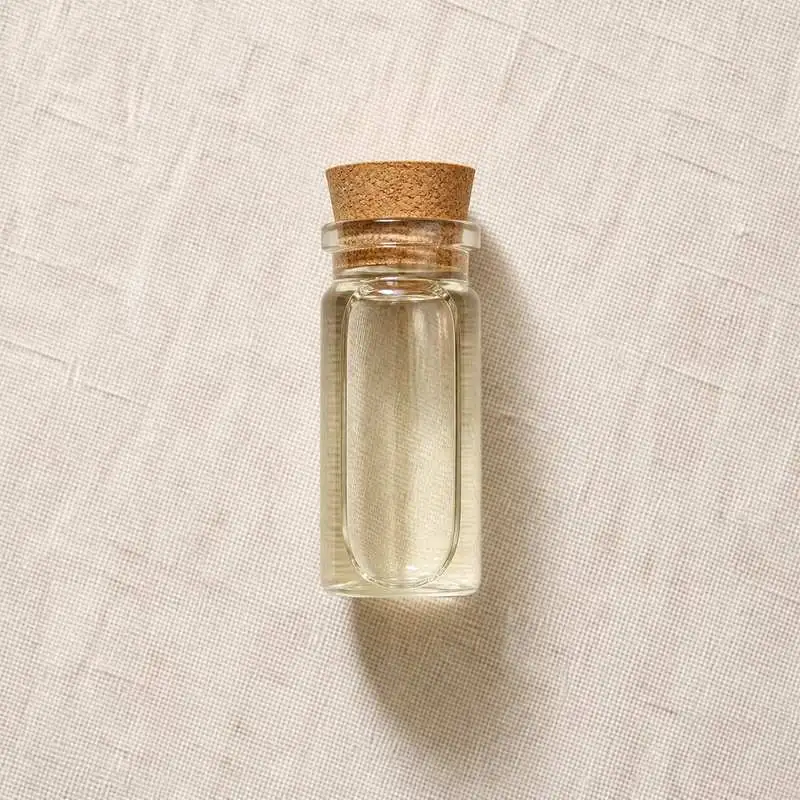
Ripe organic noni fruit is fermented in sealed vessels for weeks to months, during which fruit sugars are converted to lactic and acetic acid and the exuded juice is collected. The finished liquid is dark brown and slightly viscous, with the pungent, cheese like aroma that comes from the octanoic and hexanoic acids characteristic of the fruit. It normally runs between pH 3.2 and 3.8, with soluble solids of roughly 6 to 12 degrees Brix.
The juice sells at single strength for direct bottling or as a vacuum concentrate for dilution and blending. Its own acidity gives partial microbiological protection, but commercial material is pasteurised or aseptically filled. Because the organic specification rules out synthetic preservatives and most clarifying aids, cold storage, opaque packaging and low oxygen filling do the work that additives would otherwise do.
We source bulk Organic Noni Enzyme Juice from top China manufacturers for our partners. The manufacturer is in Hainan. A smaller requirement can ship in a combined container with other ingredients.
Please send the grade you need, the volume and your destination port, and we will come back with a solution and a price.
or call +86-21-6858 0751
- Function
- Probiotic
Specifications
| Item | Specification |
|---|---|
| Appearance | Dark brown slightly viscous liquid |
| Odour and Taste | Characteristic fermented noni, pungent and sour |
| Identification | Positive for Morinda citrifolia by HPLC profile |
| Soluble Solids | 6.0 to 12.0 °Brix at 20°C |
| pH | 3.2 to 3.8 |
| Titratable Acidity as Citric | 1.0% to 2.5% |
| Ethanol | ≤ 0.5% v/v |
| Pesticide Residues | Complies with organic certification requirements |
| Lead | ≤ 0.3 mg/kg |
| Arsenic | ≤ 0.5 mg/kg |
| Total Plate Count | ≤ 1,000 CFU/mL |
| Yeast and Mould | ≤ 100 CFU/mL |
| Coliforms | ≤ 3 MPN/mL |
| Salmonella | Absent in 25 mL |
Common Markets Grades
The organic claim constrains the entire chain, so the practical grading questions are the certification held, the fermentation length and the physical form. Certification is normally to the United States National Organic Program, the European Union organic regulation, or the Japanese Agricultural Standard, and any fermentation culture, carrier or processing aid must be permitted under the standard claimed.
Within that, the trade offers single strength drinking juice at natural Brix, a filtered clear grade for transparent bottles, and vacuum concentrate at several times single strength. Pulp containing and pulp free versions are both sold, the former noticeably more viscous. Short aged material of a few weeks is milder, while long aged juice held a year or more carries higher acidity and a heavier aroma, and that ageing period is normally written into the purchase specification.
Applications
- Bottled organic wellness beverages, drunk neat or diluted, where the fermented character is the selling proposition
- Shot format supplements in 30 to 60 ml bottles, using the concentrate at high dosage
- Organic blended juice drinks, in which sweeter juices such as apple, grape or pineapple cover the butyric note of noni
- Multi fruit jiaosu blends, where the noni juice is one fermented component among several
- Organic fruit vinegar drinks, combining the fermentate with cider or rice vinegar
- Dilutable syrups and cordials made from the concentrate
- Organic cosmetic and personal care formulations, using the filtered juice as a botanical fermentate
- Bulk supply to contract bottlers who blend and pack finished organic retail lines
China Manufacturers of Organic Noni Enzyme Juice
Top Organic Noni Enzyme Juice manufacturers in China.

Company names and logos are the property of the manufacturers themselves. They are listed here because our own directory records them as producing this ingredient. A listing is not an endorsement by them, and we do not represent them or speak on their behalf.
Regulatory Status
In the United States the product is sold as a conventional juice beverage or as a dietary supplement, with the organic claim certified under the National Organic Program. Juice products are subject to the juice hazard analysis and critical control point requirements and to the rules on declaring percentage juice content. The Food and Drug Administration has taken enforcement action against noni products carrying disease treatment claims, so labelling is confined to structure and function statements.
In the European Union Morinda citrifolia juice is an authorised novel food and may be placed on the market only within the conditions of use set out in the Union list of novel foods, which specify the permitted forms of the juice and the food categories in which it may be used. Organic labelling is separately governed by the Union organic production regulation, and any health claim would require authorisation under the nutrition and health claims regulation. Codex has no commodity standard specific to noni, so the general standard for fruit juices and nectars and the general principles of food hygiene apply.
Manufacturing Process
Fruit is harvested ripe from certified organic plantations, washed in potable water and sorted, then loaded into food grade fermentation tanks. The traditional route seals whole fruit and lets it collapse and ferment on its own epiphytic microflora over weeks to months, while the juice drains and is drawn off. Controlled production instead pulps the fruit and inoculates it with an organic compliant lactic acid bacteria or yeast culture at a held temperature, so the endpoint is judged on pH and titratable acidity rather than on elapsed time, and each batch matches the last.
The fermented mash is pressed and screened to remove seeds and coarse pulp, settled by gravity, and filtered through plate or membrane filters to the clarity the grade requires, without the synthetic fining agents used in conventional juice production. The filtrate is standardised for Brix and acidity, pasteurised or flash heated, then filled aseptically at single strength or concentrated under vacuum at low temperature to protect volatile aroma. Bulk product is packed in drums or lined intermediate bulk containers under nitrogen and held cool, with segregated equipment and unbroken batch records maintained so that organic certification carries through to the finished lot.