Rice Vinegar
Rice vinegar is a fermented acidulant made by converting the starch of rice to sugar, the sugar to ethanol and the ethanol to acetic acid. Unlike an isolated acid it is a food in its own right, an aqueous solution carrying typically 4 to 6 grams of acetic acid per 100 millilitres alongside lactic, succinic and citric acids, residual amino acids, sugars and a set of esters and higher alcohols that give it a softer and more rounded sourness than distilled vinegar.
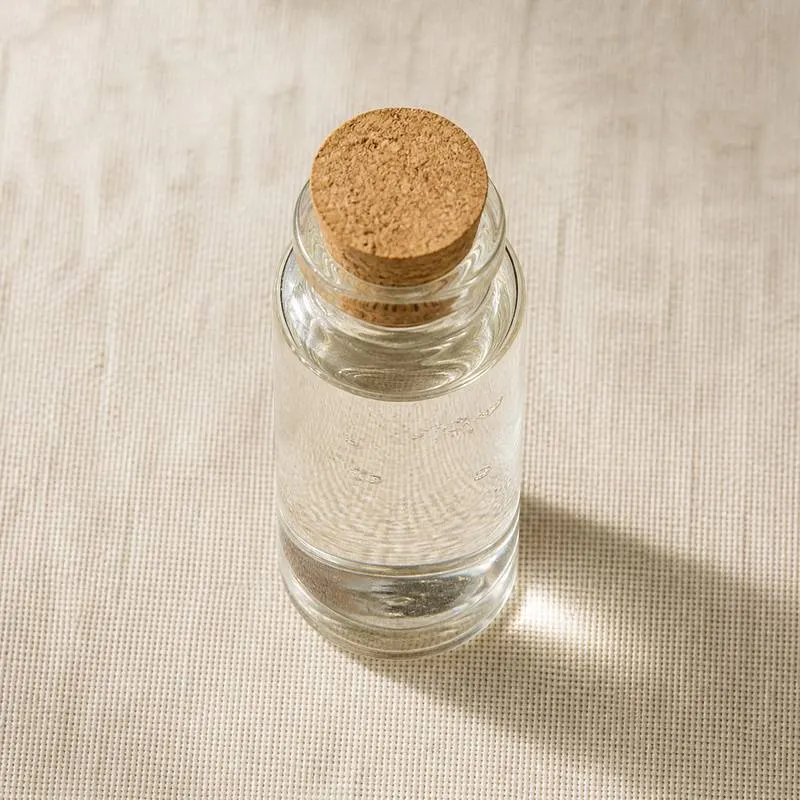
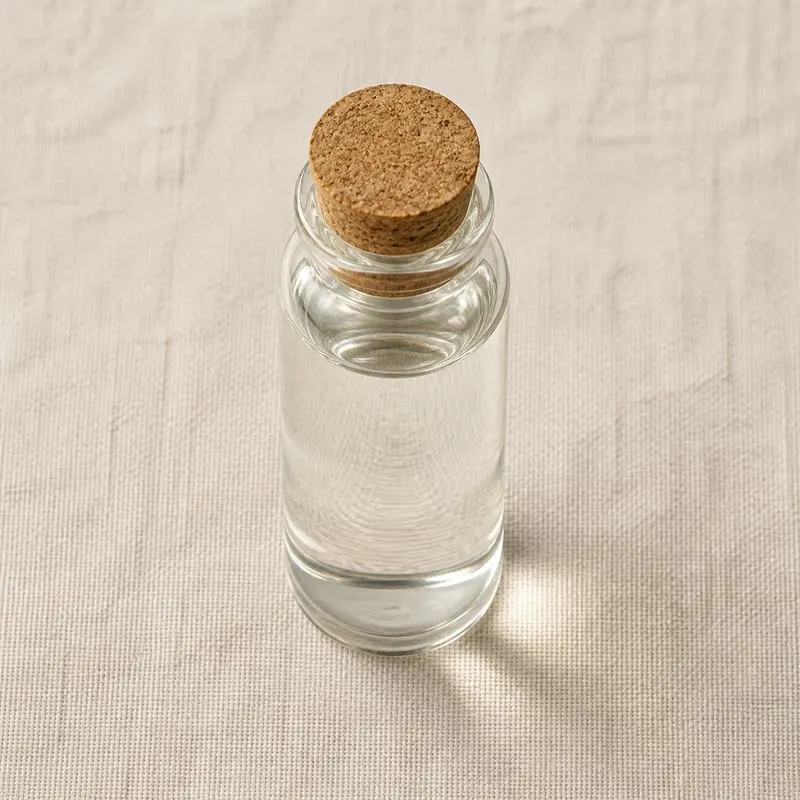
The material ranges from a nearly water white pale yellow liquid in the case of clear rice vinegar through to the deep brown of aged black vinegar, where prolonged solid state fermentation and ageing develop Maillard colour and a malty, smoky character. Both are clear and free flowing, miscible with water in all proportions, and stable at ambient temperature once pasteurised and protected from air.
In use rice vinegar delivers acidity, aroma and antimicrobial effect at the same time. Its pH sits near 2.8 to 3.4 undiluted, low enough to inhibit most spoilage bacteria and to shift a dressed or pickled product below the threshold where a mild thermal process becomes sufficient. Because much of its character is volatile, it is added late in a cooked process rather than boiled at length.
We source bulk Rice Vinegar from top China manufacturers for our partners. The manufacturer is in Henan. A smaller requirement can ship in a combined container with other ingredients.
Please send the grade you need, the volume and your destination port, and we will come back with a solution and a price.
or call +86-21-6858 0751
- Function
- Acidulant
Specifications
| Item | Specification |
|---|---|
| Appearance | Clear liquid, free from sediment and mother, pale yellow to dark brown by type |
| Odour and taste | Characteristic of rice vinegar, free from foreign odour |
| Total acidity, as acetic acid | Not less than 4.5 g per 100 mL, to declared strength |
| pH | 2.8 to 3.4 |
| Residual ethanol | Not more than 0.5% by volume |
| Total soluble solids | 1.0 to 6.0 degrees Brix by type |
| Specific gravity at 20 degrees Celsius | 1.005 to 1.025 |
| Amino nitrogen | Not less than 0.03 g per 100 mL for aged types |
| Arsenic, as As | Not more than 0.5 mg/kg |
| Lead, as Pb | Not more than 0.5 mg/kg |
| Total plate count | Not more than 100 cfu/mL after pasteurisation |
| Yeast and mould | Not more than 20 cfu/mL |
| Escherichia coli | Absent in 1 mL |
| Salmonella | Absent in 25 mL |
Common Markets Grades
The main trading distinction is between clear and dark types. Clear or white rice vinegar is made from polished rice, usually at 4.5 to 5 percent acidity, and is used where colour must not shift. Aged black vinegar is produced from glutinous rice, sorghum, bran or a mixture, matured in jars or tanks for months to years, and is sold at higher acidity and with a declared ageing period. Between the two sit amber cooking vinegars and the sweeter seasoned vinegars, which are compounded with sugar and salt for sushi rice and dressings and are labelled as seasoning rather than as vinegar.
Acidity is the specification that decides price, and material is traded at declared strengths that let a buyer dilute to a target. Concentrated grades of 10 percent acidity and above are produced for reformulation and for antimicrobial use. Spray dried vinegar powder on a maltodextrin or starch carrier is made for dry seasonings and snack coatings, and buffered dry vinegar, in which part of the acid is neutralised to the acetate salt, is used as a label friendly antimicrobial in meat and delicatessen products.
Applications
- Sushi rice seasoning, where the vinegar sets flavour and lowers the pH of the cooked rice enough to slow bacterial growth at ambient service temperature
- Dressings, dipping sauces and cold noodle sauces, where its milder acidity carries soy and sesame notes without the harshness of distilled vinegar
- Quick pickles and preserved vegetables, where acidification is the preservation step and the residual sugars soften the bite
- Sweet and sour and other braising sauces, where black vinegar contributes colour and malty depth alongside sourness
- Marinades for meat and fish, where the acid denatures surface protein and improves moisture retention during cooking
- Mayonnaise and emulsified sauces, where it supplies the acidity that stabilises the emulsion against microbial growth
- Ready to eat delicatessen products, where buffered dry vinegar acts against Listeria and other psychrotrophs under a clean label declaration
- Snack seasonings and coated nuts, where vinegar powder delivers a sour top note in a dry system
- Beverage shrubs and drinking vinegars, where rice vinegar forms the acid base of the drink
- Bakery and steamed products, where small additions adjust dough pH and act on the shelf life of the finished item
Brands Using Rice Vinegar
Widely-distributed consumer products that list Rice Vinegar on the ingredient label.
- MarukanOrganic Rice Vinegar ↗Brewed vinegar whose ingredient statement reads organic rice vinegar made from water and organic rice.Label verified 2026-08-31
- MarukanSeasoned Gourmet Rice Vinegar ↗Seasoned vinegar listing rice vinegar as the first ingredient ahead of sugar and salt.Label verified 2026-08-31
Brand names, product names and logos are the property of their owners. They appear here as published evidence that the ingredient is used, taken from the brand's own label or website. Their appearance is not an endorsement, and it does not mean the brand buys from us or from any manufacturer listed on this site.
China Manufacturers of Rice Vinegar
Top Rice Vinegar manufacturers in China.

Company names and logos are the property of the manufacturers themselves. They are listed here because our own directory records them as producing this ingredient. A listing is not an endorsement by them, and we do not represent them or speak on their behalf.
Regulatory Status
Rice vinegar is regulated as a food rather than as a food additive, so it carries no E number and is not listed among permitted acidity regulators. In the United States the Food and Drug Administration has not issued a formal standard of identity for vinegar but applies a longstanding compliance policy under which a product labelled vinegar must supply at least 4 grams of acetic acid per 100 millilitres, and the labelling must identify the source material, so a product made from rice is declared as rice vinegar. Dilution below that strength, or blending with distilled vinegar, must be reflected in the declaration.
In the European Union vinegar is likewise a food, covered by general food law, the hygiene regulations and the food information rules rather than by the additives framework, with compositional expectations for named vinegar types set at national level in several member states. Codex has developed regional standards for vinegar that define minimum acidity, limit residual ethanol and set out the permitted source materials. Where vinegar or vinegar powder is used specifically for its antimicrobial effect in meat and poultry in the United States, that use is reviewed by the Food Safety and Inspection Service, which lists acceptable vinegar based antimicrobials and the product classes they may be applied to.
Manufacturing Process
Production runs in three biological stages. Rice is washed, soaked and steamed, then cooled and inoculated. Because yeast cannot ferment starch directly, the grain is first saccharified, traditionally with koji, a culture of Aspergillus oryzae grown on steamed rice that supplies amylases, and in industrial plants with added bacterial and fungal amylase and glucoamylase. The saccharified mash is pitched with Saccharomyces yeast and fermented to an alcoholic wash of roughly 6 to 9 percent ethanol.
The wash is then oxidised to acetic acid by Acetobacter and related acetic acid bacteria. Traditional Chinese and Japanese production uses a solid state or surface method in jars or shallow beds, where the culture works slowly at the air interface over weeks and the long contact builds the aroma complexity and colour associated with aged vinegar. Industrial production uses submerged acetification in aerated acetators, where forced air and temperature control complete the conversion in one to two days at higher yield but with a plainer aroma profile. The raw vinegar is then aged, clarified by settling and filtration, and standardised to the declared acidity. It is pasteurised or sterile filtered to stop further biological activity and to prevent vinegar eels and mother formation, then filled. Powder grades are made by absorbing concentrated vinegar onto a carrier and spray drying.