Noni
Noni is the fruit of Morinda citrifolia, a small evergreen tree of the Rubiaceae family native to Southeast Asia and the Pacific islands, where it has a long history of traditional use. The ripe fruit is a lumpy pale yellow to translucent white syncarp with a pungent butyric odour and a bitter taste, characteristics that come from short chain fatty acids, principally octanoic and hexanoic acid, developed as the fruit ripens.
Its ingredient value rests on a set of iridoid glycosides, chiefly deacetylasperulosidic acid and asperulosidic acid, together with anthraquinones, scopoletin, polysaccharides and a modest vitamin C content. Modern commercial specifications increasingly standardise on iridoid content, because it is measurable and reasonably stable, whereas the older trade relied on origin claims and juice percentage alone.
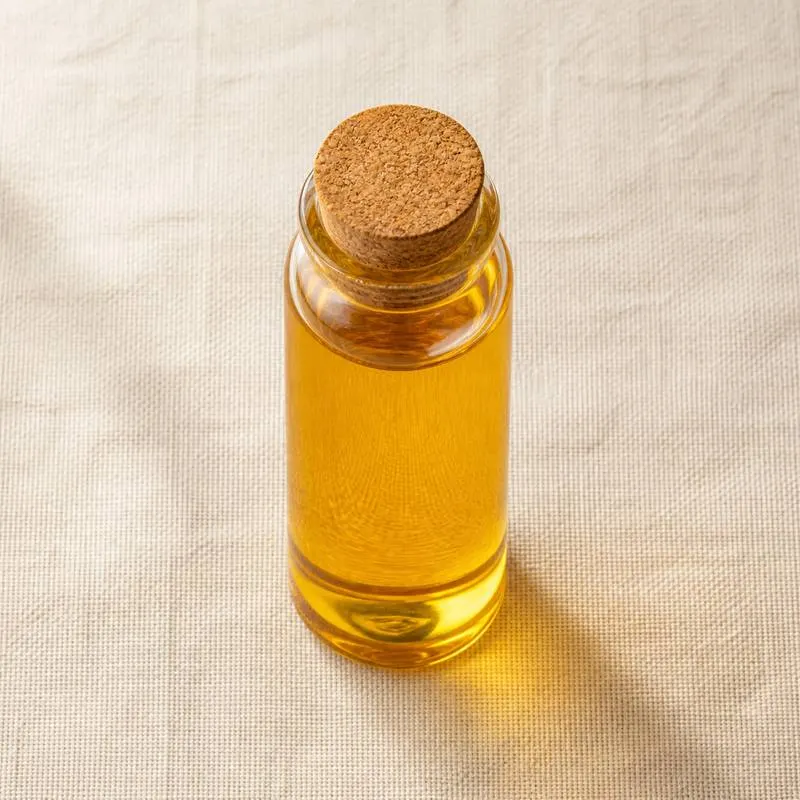
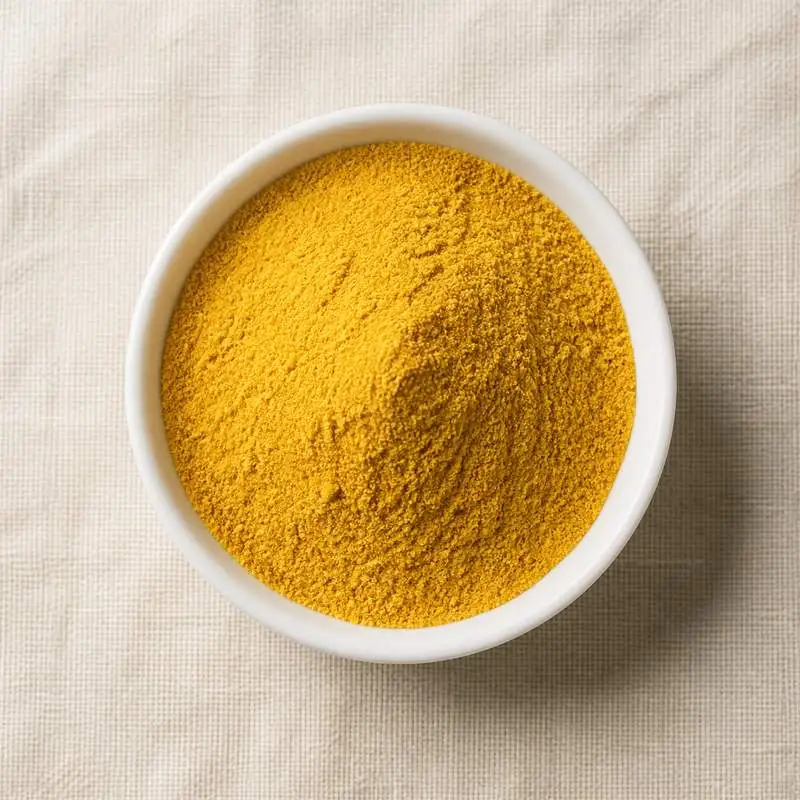
Commercial forms are pasteurised juice and juice from concentrate, purée, fermented juice made by the traditional method of holding ripe fruit in sealed vessels, spray dried and freeze dried fruit powder, seed oil pressed from the seed fraction, and standardised leaf and fruit extracts. Juice is an acidic liquid of pH around 3.5, which helps its microbiological stability, and the powders are hygroscopic. The characteristic odour is the main formulation problem, and most consumer products blend noni with grape, blueberry or other juices to mask it.
We source bulk Noni from top China manufacturers for our partners. The manufacturers are in Hainan. A smaller requirement can ship in a combined container with other ingredients.
Please send the grade you need, the volume and your destination port, and we will come back with a solution and a price.
or call +86-21-6858 0751
- Function
- Nutraceutical
Specifications
| Item | Specification |
|---|---|
| Appearance | Pale brown to amber liquid or free flowing powder |
| Odour and Taste | Characteristic pungent and bitter |
| Identification | Iridoid profile by HPLC conforms to Morinda citrifolia reference |
| Total Iridoids | Not less than 0.05 percent in juice |
| Soluble Solids | Not less than 6.0 degrees Brix, single strength juice |
| pH | 3.2 to 4.0 |
| Titratable Acidity (as citric) | 0.5 to 1.5 percent |
| Moisture (powder) | Not more than 6.0 percent |
| Total Ash (powder) | Not more than 10.0 percent |
| Lead | Not more than 0.5 mg/kg |
| Arsenic | Not more than 0.5 mg/kg |
| Cadmium | Not more than 0.5 mg/kg |
| Patulin | Not more than 50 micrograms per kg |
| Total Plate Count | Not more than 10000 cfu/g |
| Yeast and Mould | Not more than 100 cfu/g |
| E. coli | Absent in 1 g |
| Salmonella | Absent in 25 g |
Common Markets Grades
Juice is the principal traded form and is graded first on whether it is pure single strength juice, juice from concentrate, or a blend, and then on degrees Brix, acidity and the percentage of noni in the finished blend. Fermented juice, produced by the traditional ageing route, is traded separately from directly pressed pasteurised juice and has a different sensory and chemical profile. Concentrates are quoted at their fold reduction and at Brix.
Powder grades divide by drying route and carrier. Spray dried powder normally carries a declared maltodextrin or fibre carrier, while freeze dried powder is carrier free and retains more of the volatile profile, for better or worse given the odour. Whole fruit powder, made by drying and milling the fruit including seed and skin, is distinct from juice powder and carries a higher fibre and lower soluble solids figure. Extracts are standardised on total iridoids, commonly 3 to 10 percent, or on scopoletin, and buyers should note that fruit, leaf and root derived material differ substantially in composition and that root derived anthraquinones are the fraction that has attracted regulatory attention. Organic certification is common across the category.
Applications
- Bottled noni juice and juice blends, the largest single outlet for the fruit
- Functional beverage blends where noni juice is combined with grape or berry juice to mask its odour
- Immune and general wellness supplements in capsule and tablet form using fruit powder
- Joint comfort formulations built on the iridoid and scopoletin fraction
- Superfruit powder blends and greens formulas
- Concentrated liquid shots and sachets for the traditional use market
- Noni seed oil in cosmetic and skin care preparations, valued for its linoleic acid content
- Topical creams and gels using fruit or leaf extract for skin conditioning claims
- Pet supplements and companion animal wellness products
- Analytical reference material for iridoid glycoside method development
Brands Using Noni
Widely-distributed consumer products that list Noni on the ingredient label.
Brand names, product names and logos are the property of their owners. They appear here as published evidence that the ingredient is used, taken from the brand's own label or website. Their appearance is not an endorsement, and it does not mean the brand buys from us or from any manufacturer listed on this site.
China Manufacturers of Noni
Top Noni manufacturers in China.
 Hainan Nicepal Industry Co., Ltd.6 ingredients in the directory
- Hainan Xisha Noni Biotech Co., Ltd.3 ingredients in the directory
Company names and logos are the property of the manufacturers themselves. They are listed here because our own directory records them as producing this ingredient. A listing is not an endorsement by them, and we do not represent them or speak on their behalf.
Regulatory Status
In the United States noni juice is sold as a conventional food and noni fruit preparations are marketed as dietary ingredients under the dietary supplement framework. Juice processors operate under the juice hazard analysis and critical control point rules requiring a validated five log pathogen reduction. The Food and Drug Administration has issued warning letters to noni marketers over disease treatment claims, which is the recurring compliance issue in the category rather than the safety of the fruit itself.
In the European Union noni juice from Morinda citrifolia was authorised as a novel food, initially to a single applicant and subsequently extended, and pasteurised noni fruit juice and purée now appear on the Union list of novel foods with defined specifications and conditions of use. Noni leaves and leaf infusions have been the subject of separate novel food consideration, and noni fruit powder has its own listing, so the authorised status attaches to the specific preparation rather than to the plant in general. The European Food Safety Authority reviewed reports of liver injury associated with noni juice and concluded that the juice was unlikely to be the cause at normal intakes, while recommending continued monitoring. It is not a food additive and holds no E number, no health claim covers it, and neither JECFA nor Codex has published specifications.
Manufacturing Process
Fruit is hand harvested at the hard white stage or allowed to ripen to translucency, then washed and sorted. Two processing traditions run in parallel. In the direct route the ripe fruit is pulped, the seeds and skin are separated on a finisher screen, and the purée is pressed or decanted to give juice, which is then filtered, deaerated, pasteurised in a plate or tubular heat exchanger and either hot filled, aseptically filled or frozen. In the traditional fermented route the whole ripe fruit is packed into sealed drums or tanks and held for several weeks to several months, during which it collapses and releases juice under its own weight and enzymatic action, with a native microbial fermentation proceeding alongside. The exuded juice is drawn off, filtered, pasteurised and filled. Fermented juice carries a different acid and volatile profile from directly pressed juice and is priced and specified separately.
Downstream products branch from these two streams. Concentrate is produced by vacuum evaporation or by membrane concentration, the latter preferred where the heat sensitive iridoids and the volatile profile are to be preserved. Powder is made by spray drying juice with a carrier at a low inlet temperature, by freeze drying juice or purée, or by drying and milling whole fruit. Seed oil is recovered by separating the seed fraction on the finisher, drying it, and cold pressing or solvent extracting the kernel, followed by filtration and winterisation. Standardised extract is produced by percolating dried fruit with aqueous ethanol, capturing the iridoid fraction on a polymeric resin, eluting, concentrating under vacuum and drying. All forms are packed in light and oxygen barrier material.