Partially Hydrolyzed Guar Gum
Partially hydrolysed guar gum is a soluble dietary fibre produced by cutting native guar galactomannan down to a low molecular weight fraction with a controlled enzymatic treatment. The polymer backbone of beta-(1,4) linked mannose with single galactose side units is retained, but average chain length falls from over one million daltons to roughly twenty thousand, which removes almost all of the thickening power of the parent gum while leaving the fibre intact.
That loss of viscosity is the point of the product. Native guar gum cannot be dosed above a fraction of a percent without turning a beverage into a gel, whereas the hydrolysed form dissolves clear at ten percent or more and leaves a solution barely thicker than water. It is odourless, effectively tasteless, and does not mask flavour, so it can carry a meaningful fibre load into drinks and clinical nutrition where texture is fixed by other constraints.
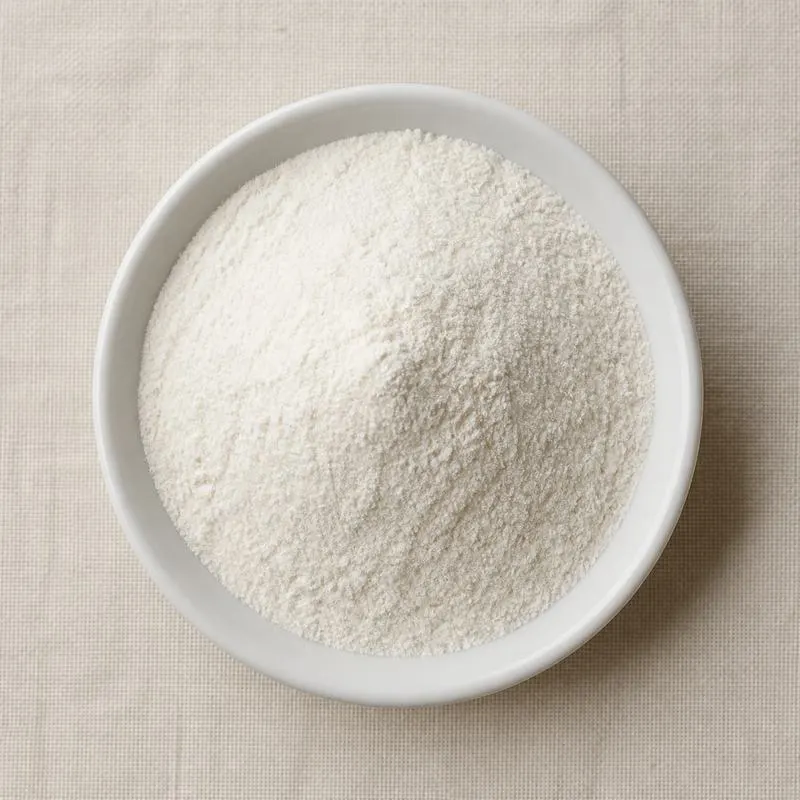
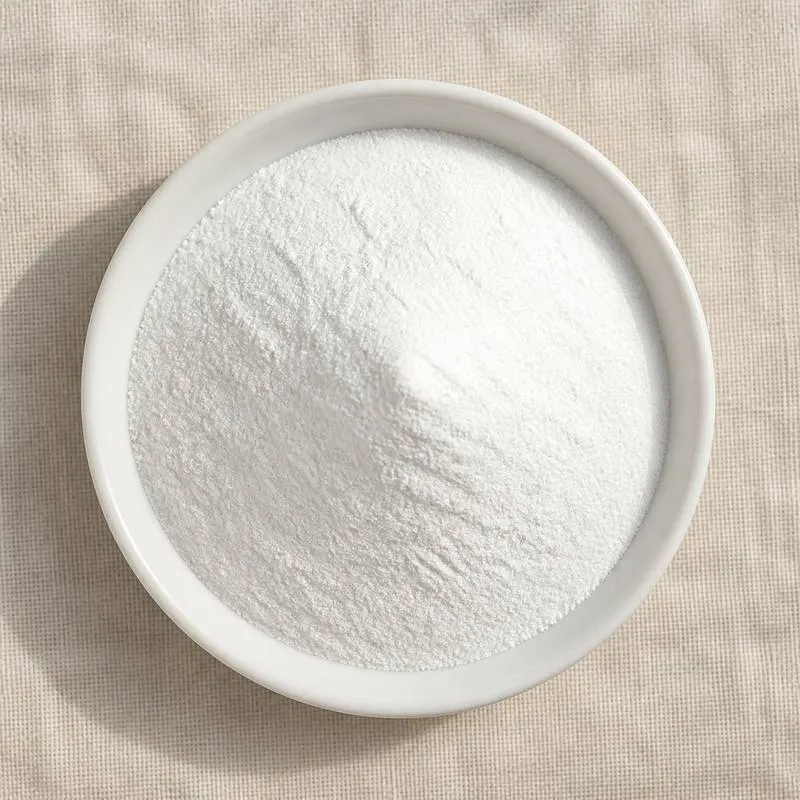
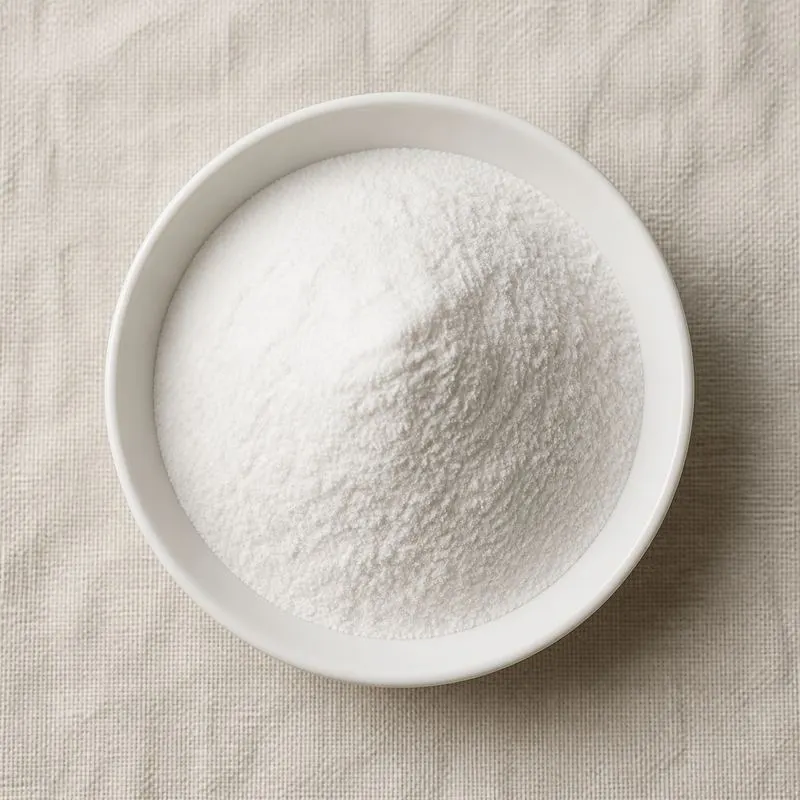
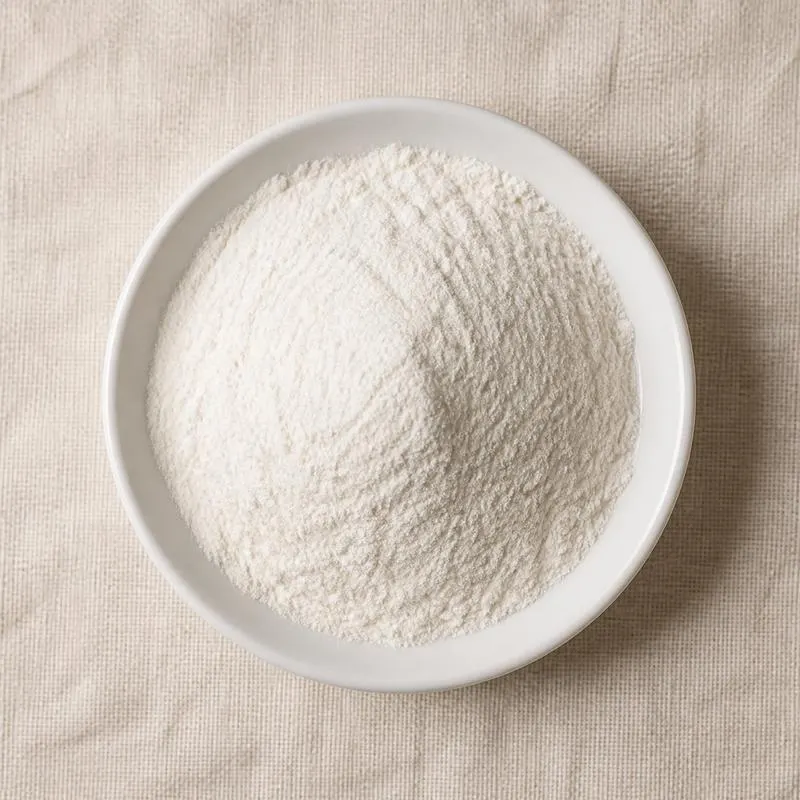
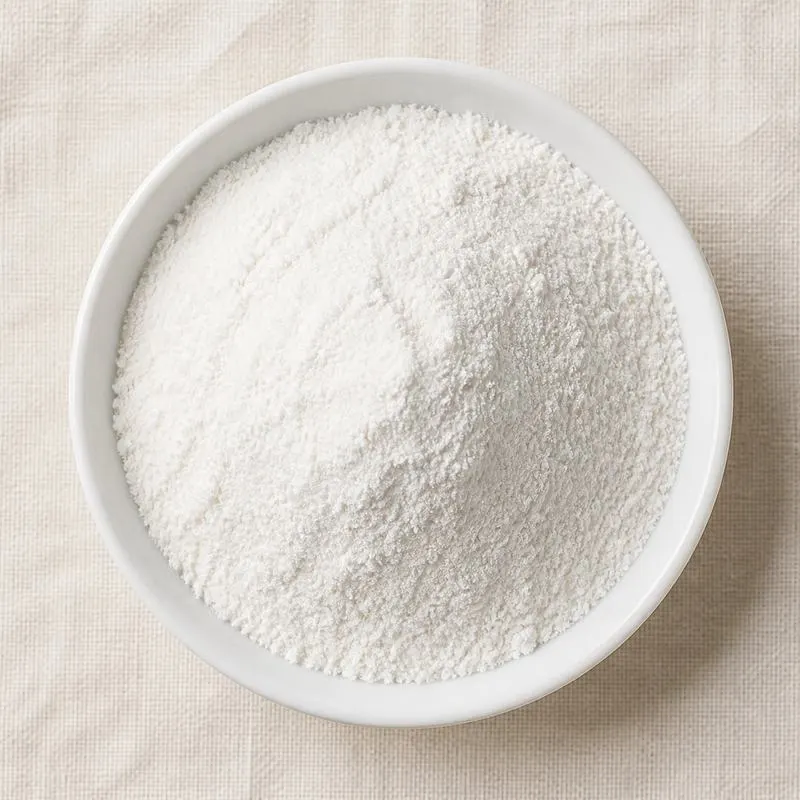
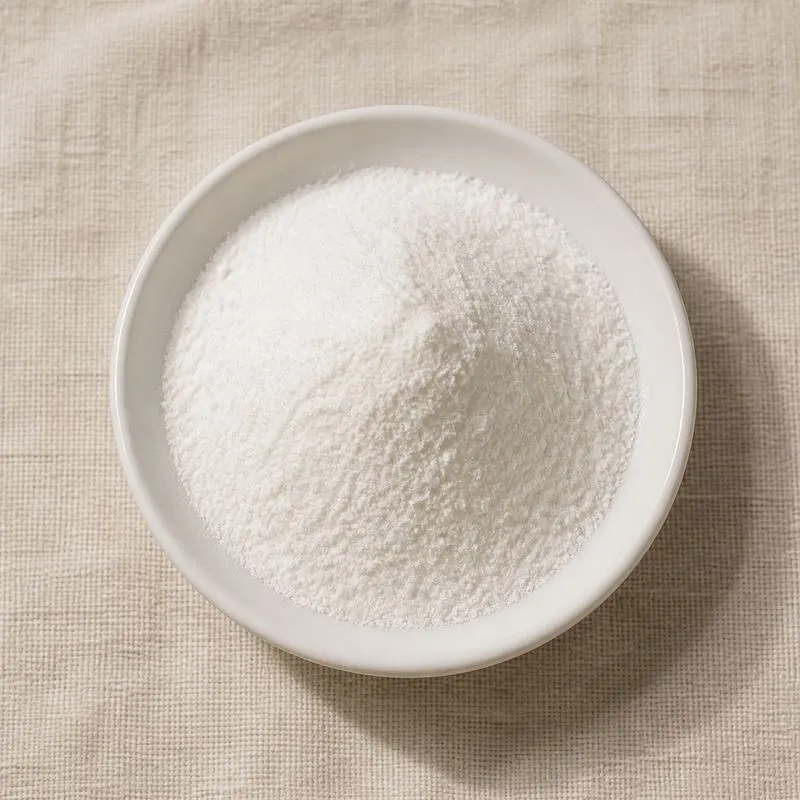
The material is a white to off white free flowing powder with fibre content above 75 percent on a dry basis. It dissolves in cold and hot water, is stable from pH 3 to 9, survives pasteurisation, retort and freeze thaw without losing fibre value, and is fully fermented in the large intestine by resident flora, yielding short chain fatty acids.
We source bulk Partially Hydrolyzed Guar Gum from top China manufacturers for our partners. The manufacturers are in Beijing and Zhejiang. A smaller requirement can ship in a combined container with other ingredients.
Please send the grade you need, the volume and your destination port, and we will come back with a solution and a price.
or call +86-21-6858 0751
- Function
- Dietary Fibres
Specifications
| Item | Specification |
|---|---|
| Appearance | White to off white free flowing powder |
| Odour and taste | Neutral, free from foreign odour |
| Dietary fibre, dry basis | 75.0% minimum |
| Identification | Positive for galactomannan by infrared and sugar composition |
| Viscosity, 10% solution at 25 C | 20 mPa.s maximum |
| Loss on drying | 8.0% maximum |
| Ash | 5.0% maximum |
| Protein | 1.0% maximum |
| pH, 1% solution | 5.0 to 7.5 |
| Particle size | 98% through 80 mesh |
| Lead | 1.0 mg/kg maximum |
| Arsenic | 1.0 mg/kg maximum |
| Total plate count | 3,000 cfu/g maximum |
| Yeast and mould, E. coli, Salmonella | Yeast and mould 100 cfu/g maximum; E. coli and Salmonella absent in 25 g |
Common Markets Grades
The primary specification variable is dietary fibre content, quoted by the AOAC enzymatic gravimetric method. Standard food grade sits at 75 percent minimum, with higher purity grades at 82 to 85 percent produced by additional washing and drying control. Residual viscosity is the second control point; a grade intended for clear beverages is specified at a low centipoise ceiling in a ten percent solution, whereas grades for nutritional powders tolerate more.
Physical variants cover particle size, with standard 80 to 100 mesh powder for dry blending and a coarser agglomerated instant grade that wets out without fisheyes when stirred into cold water. Clinical and enteral nutrition grades are made under tighter microbiological limits and lower residual protein, reflecting the tube feeding and medical food outlets. Feed grade material at lower assay is sold from the same process, and organic certified lines are produced from certified guar splits.
Applications
- Clear and near clear beverages, where fibre can be added at several grams per serving without measurable thickening
- Enteral and tube feed formulas, where low viscosity is essential to avoid blocking narrow bore feeding tubes
- Powdered digestive health supplements, where the fibre is dosed in sachets and stirred into water or juice
- Yoghurt and fermented dairy, as a fermentable fibre that does not alter the set or add ropiness
- Infant and toddler foods, where the mild fermentation profile suits a developing gut flora
- Soups, sauces and instant noodles, where fibre is added without disturbing the viscosity built by starch
- Bakery and cereal bars, where it raises declarable fibre without the water competition that thickening gums cause
- Reduced sugar confectionery, as a soluble bulking agent replacing part of the sugar solids
- Meal replacement and satiety drinks, where fibre content is a formulation target but drinkability decides acceptance
- Pet food and veterinary diets, as a fermentable fibre supporting intestinal function
Brands Using Partially Hydrolyzed Guar Gum
Widely-distributed consumer products that list Partially Hydrolyzed Guar Gum on the ingredient label.
Brand names, product names and logos are the property of their owners. They appear here as published evidence that the ingredient is used, taken from the brand's own label or website. Their appearance is not an endorsement, and it does not mean the brand buys from us or from any manufacturer listed on this site.
China Manufacturers of Partially Hydrolyzed Guar Gum
Top Partially Hydrolyzed Guar Gum manufacturers in China.
 Beijing Guaran Science And Technology.Co., Ltd.2 ingredients in the directory
 Zhejiang Gold Kropn Biological Technology Co., Ltd.1 ingredient in the directory
Company names and logos are the property of the manufacturers themselves. They are listed here because our own directory records them as producing this ingredient. A listing is not an endorsement by them, and we do not represent them or speak on their behalf.
Regulatory Status
In the United States guar gum itself is affirmed as generally recognised as safe for use in food under 21 CFR 184.1339, and the partially hydrolysed form is marketed under GRAS conclusions notified to the Food and Drug Administration that cover the enzymatic process and the intended food uses. The agency has also acted on the question of fibre labelling, and partially hydrolysed guar gum is among the isolated non digestible carbohydrates recognised for declaration as dietary fibre on the Nutrition Facts panel.
In the European Union guar gum is an authorised food additive with the number E 412, permitted as a thickener and stabiliser under the additives Regulation and specified in the associated purity criteria Regulation. Partially hydrolysed guar gum sold as a fibre ingredient rather than as a thickener is generally handled as a food ingredient, and its use in food for special medical purposes and in infant nutrition is governed by the compositional rules for those categories. JECFA has evaluated guar gum and established specifications for it in the Combined Compendium of Food Additive Specifications, and Codex includes guar gum in the General Standard for Food Additives.
Manufacturing Process
Manufacture starts from guar splits, the endosperm halves recovered when the guar bean is dehusked and the germ removed. The splits are milled and hydrated into a slurry, or a purified guar gum powder is redissolved, and the solution is brought to the temperature and pH at which the hydrolysing enzyme works best. A food grade endo-beta-mannanase of microbial origin is dosed and the reaction is held under agitation while molecular weight is tracked by viscosity, which falls sharply and then plateaus as the target chain length is reached.
When the endpoint is met the reaction is stopped by heating the liquor, which deactivates the enzyme and also serves as a pasteurisation step. Insoluble husk residue, protein and enzyme solids are removed by centrifugation and filtration, and the clear liquor may be passed over activated carbon and ion exchange resin where a lighter colour and lower ash are specified. The purified solution is concentrated under vacuum and spray dried, and the resulting powder is milled, sieved to the ordered granulation and packed. Agglomerated grades receive a steam rewetting and redrying pass before sieving.