Peony Extract
Peony extract is prepared from the root of Paeonia lactiflora, traded as white peony root, or from the root bark of Paeonia suffruticosa, known as moutan bark. The marker compound of the root is paeoniflorin, a monoterpene glycoside of the pinane type, accompanied by albiflorin, oxypaeoniflorin, benzoylpaeoniflorin, gallotannins and paeonol. Paeonol is the characteristic phenolic ketone of the tree peony bark.
Functionally the material is used as a standardised botanical rather than as a technological food additive. The glycoside fraction is the basis of its supplement positioning, while paeonol carries a distinct phenolic aroma and is used in cosmetics for its soothing and antimicrobial character. Peony root also contributes astringency from its tannin content, which is noticeable in beverage applications.
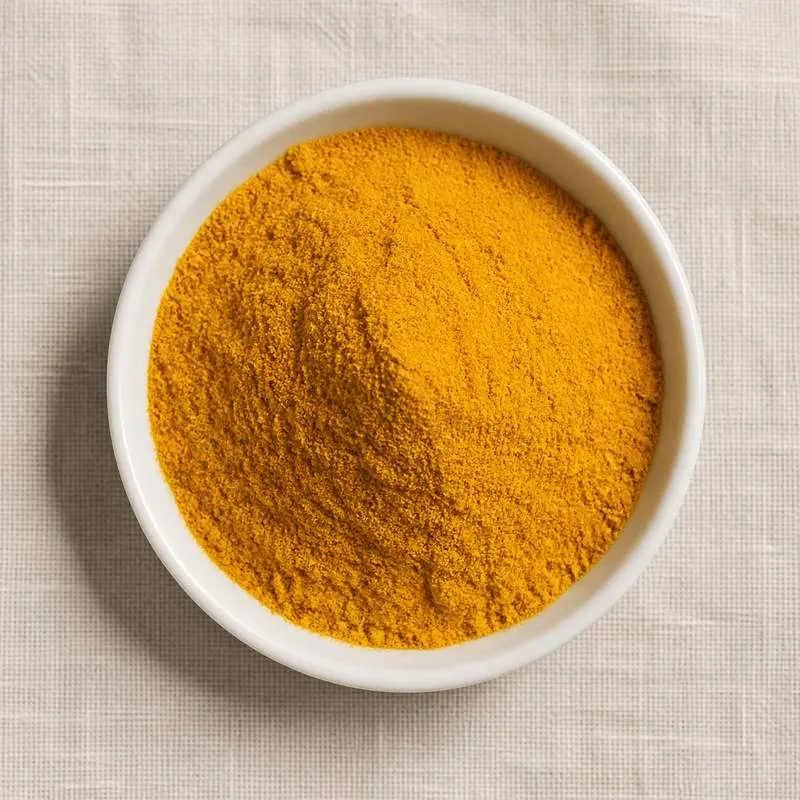
Commercial extracts are light brown to brown fine powders, soluble in water and aqueous ethanol, with a slightly bitter and astringent taste. Paeoniflorin is reasonably stable in neutral and mildly acid solution but hydrolyses under strong acid and prolonged heat, so extraction and drying are run at controlled temperature and the finished powder is packed against moisture.
We source bulk Peony Extract from top China manufacturers for our partners. The manufacturer is in Heilongjiang. A smaller requirement can ship in a combined container with other ingredients.
Please send the grade you need, the volume and your destination port, and we will come back with a solution and a price.
or call +86-21-6858 0751
- Function
- Plant extract
Specifications
| Item | Specification |
|---|---|
| Appearance | Light brown to brown fine powder |
| Odour and Taste | Characteristic, slightly bitter and astringent |
| Paeoniflorin (HPLC) | ≥ 30.0% |
| Identification | Conforms by HPLC against paeoniflorin reference |
| Loss on Drying | ≤ 5.0% |
| Total Ash | ≤ 5.0% |
| Acid Insoluble Ash | ≤ 1.0% |
| Particle Size | 100% through 80 mesh |
| Residual Ethanol | ≤ 0.5% |
| Heavy Metals (as Pb) | ≤ 10 mg/kg |
| Lead | ≤ 2.0 mg/kg |
| Arsenic | ≤ 1.0 mg/kg |
| Total Plate Count | ≤ 10,000 cfu/g |
| Yeast and Mould | ≤ 100 cfu/g |
| E. coli | Negative |
| Salmonella | Absent in 25 g |
Common Markets Grades
Grades are defined by botanical source and by marker level. White peony root extracts are standardised on paeoniflorin at 10, 20, 30 and 50 percent by HPLC, with purified paeoniflorin available at 98 percent as an isolated compound. Moutan bark extracts are standardised instead on paeonol, commonly at 20 to 50 percent, with 98 percent crystalline paeonol traded separately for cosmetic and fragrance use. Total glucoside of peony, a defined multi-glycoside fraction, is a further grade used in pharmaceutical manufacture.
Ratio extracts without a marker are sold at 4:1 and 10:1 for traditional preparations. Physical forms cover spray dried powder at 80 mesh, granulated material for capsule filling, and liquid concentrate for cosmetic incorporation. Water extracted and solvent free grades are offered where a clean label is required, and organic certified root is available at limited volume.
Applications
- Dietary supplements in capsule and tablet form standardised on paeoniflorin content
- Women's health formulations, where peony root is a traditional component of Asian herbal combinations
- Herbal teas and instant granule preparations in Chinese and Japanese markets
- Functional beverages in the botanical wellness category, dosed as a water soluble extract
- Skin care emulsions and serums, where paeonol and the glycoside fraction are used for their soothing character
- Skin brightening formulations, using the extract alongside other polyphenol actives
- Hair and scalp care products, formulated on the antioxidant and antimicrobial properties of the bark extract
- Fragrance and personal care bases, where crystalline paeonol supplies a sweet phenolic note
- Traditional herbal medicinal preparations sold as decoction granules
Brands Using Peony Extract
Widely-distributed consumer products that list Peony Extract on the ingredient label.
- Korea Ginseng CorpCheonNok Extract Convenience ↗The ingredient list names Chinese peony root extract inside the herbal blend alongside red ginseng and deer antler extracts.Label verified 2026-08-31
- Korea Ginseng CorpWomen's Balance JIN ↗Peony appears in the vegetable mix concentrate listed in the ingredients, together with bamboo leaves and angelica.Label verified 2026-08-31
Brand names, product names and logos are the property of their owners. They appear here as published evidence that the ingredient is used, taken from the brand's own label or website. Their appearance is not an endorsement, and it does not mean the brand buys from us or from any manufacturer listed on this site.
China Manufacturers of Peony Extract
Top Peony Extract manufacturers in China.

Company names and logos are the property of the manufacturers themselves. They are listed here because our own directory records them as producing this ingredient. A listing is not an endorsement by them, and we do not represent them or speak on their behalf.
Regulatory Status
In the United States peony root extract is sold as a dietary ingredient under the Dietary Supplement Health and Education Act, on the basis that Paeonia lactiflora root has a history of use in supplements. It has no food additive regulation and no listing among substances generally recognised as safe for general food use, so use as a food ingredient would require a GRAS conclusion that has not been broadly established. Cosmetic use falls under the general safety provisions of the Federal Food, Drug, and Cosmetic Act.
In the European Union peony extract carries no E number because it is not an additive. Its status as a food supplement ingredient depends on demonstrating consumption in the Union before May 1997 under Regulation 2015/2283, and Paeonia preparations are not among the botanicals with an established Union wide position, so market access varies between member states under their national botanical lists. Regulation 1223/2009 governs cosmetic use. Codex has no standard covering peony extract, and JECFA has not evaluated it.
Manufacturing Process
Peony roots are lifted in autumn from three to five year old plants, washed, and for white peony root boiled briefly and peeled before drying, a step that fixes the appearance and reduces enzymatic browning. The dried root is sliced and milled to a coarse powder. Extraction runs in countercurrent flow with water or aqueous ethanol at 60 to 80 degrees Celsius over several stages, held below the temperature at which paeoniflorin begins to hydrolyse.
The pooled liquor is separated on a decanter centrifuge and clarified by plate and membrane filtration. For standardised grades the clarified extract is loaded onto a macroporous adsorption resin that retains the glycosides while sugars, salts and part of the tannin fraction pass through, and the glycoside fraction is then eluted with aqueous ethanol. The eluate is concentrated in a falling film vacuum evaporator, solvent is recovered by distillation, and the concentrate is standardised against an assayed batch, blended with maltodextrin where a carrier is specified, and spray dried. Purified paeoniflorin is taken further by preparative chromatography and crystallisation from an alcohol and water mixture.