Pharmaceutical Grade Gelatin
Pharmaceutical grade gelatin is the quality tier of gelatin qualified for use in medicinal products, defined not by a different chemistry but by a stricter specification, a documented supply chain and testing against the pharmacopoeial monographs.
Gelatin at every grade is partially hydrolysed collagen from bovine hide and bone, porcine skin or fish skin. Its amino acid composition is roughly one third glycine, with high proline and hydroxyproline, and it forms a thermoreversible gel that sets below about 35 degrees Celsius and melts near body temperature. Technical grade gelatin serves photographic and industrial uses, food grade serves confectionery, dairy and meat, and pharmaceutical grade sits above both.
What separates the tiers is the set of controls applied. Pharmaceutical grade carries limits on bioburden, specified absence of pathogens in a defined sample size, bacterial endotoxin where the route of administration demands it, peroxide and residual chemical controls, and an audited traceability chain back to the abattoir with a transmissible spongiform encephalopathy risk assessment attached. Physical specification is tighter as well, particularly viscosity, because capsule film thickness depends directly on it. A food grade gelatin of the same Bloom is not interchangeable, since the documentation that qualifies it for a medicinal product does not exist.
We source bulk Pharmaceutical Grade Gelatin from top China manufacturers for our partners. The manufacturers are in Shandong. A smaller requirement can ship in a combined container with other ingredients.
Please send the grade you need, the volume and your destination port, and we will come back with a solution and a price.
or call +86-21-6858 0751
- Function
- Protein
Specifications
| Item | Specification |
|---|---|
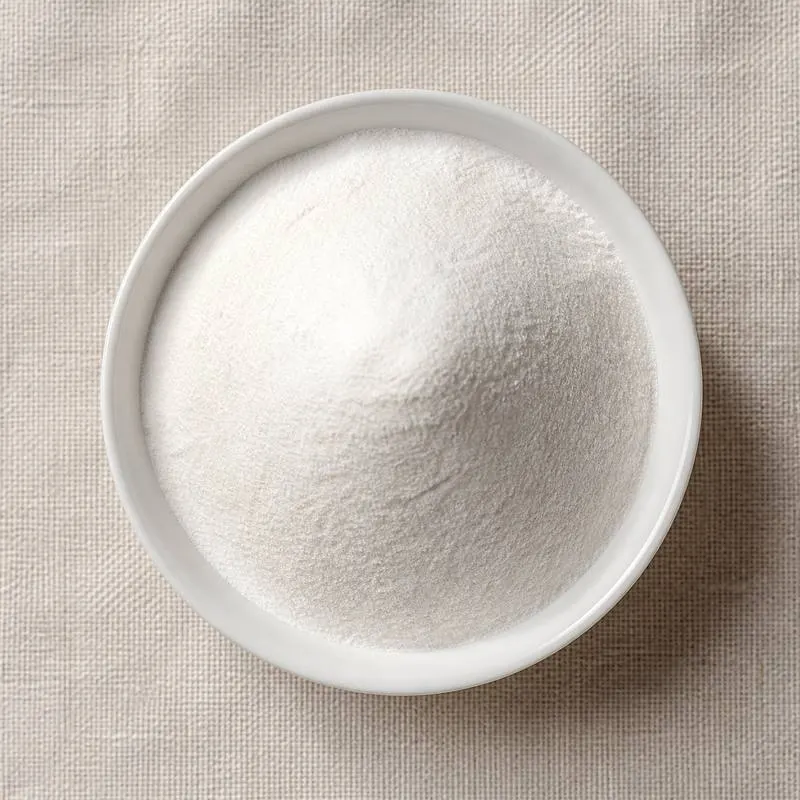
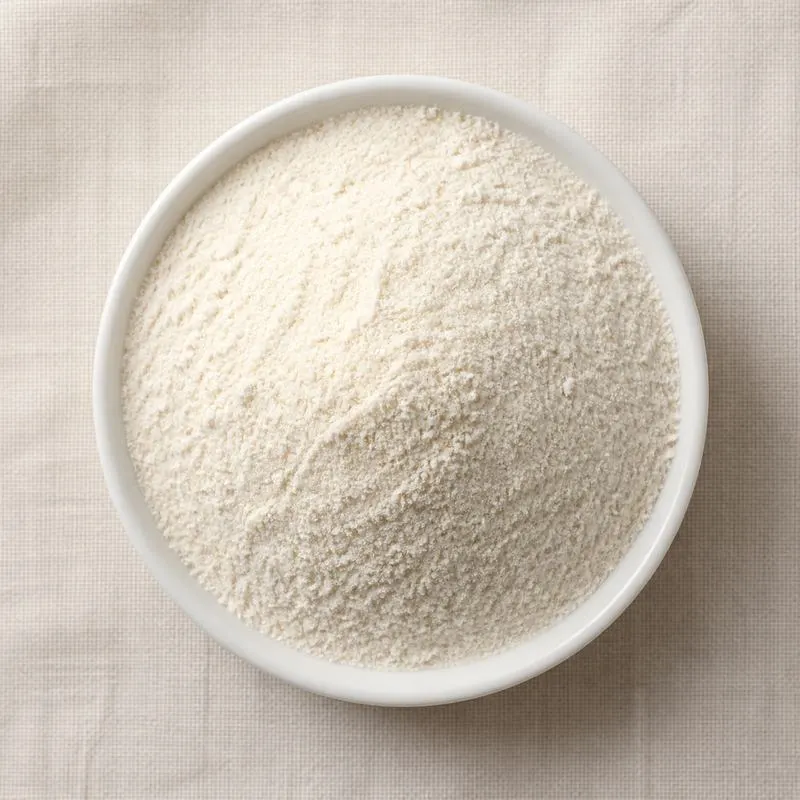
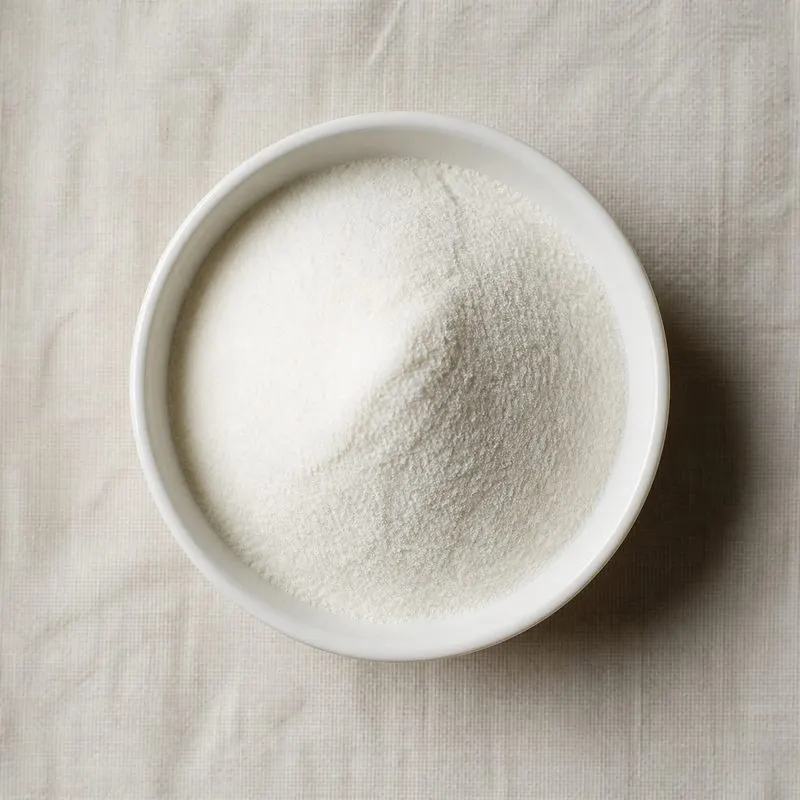
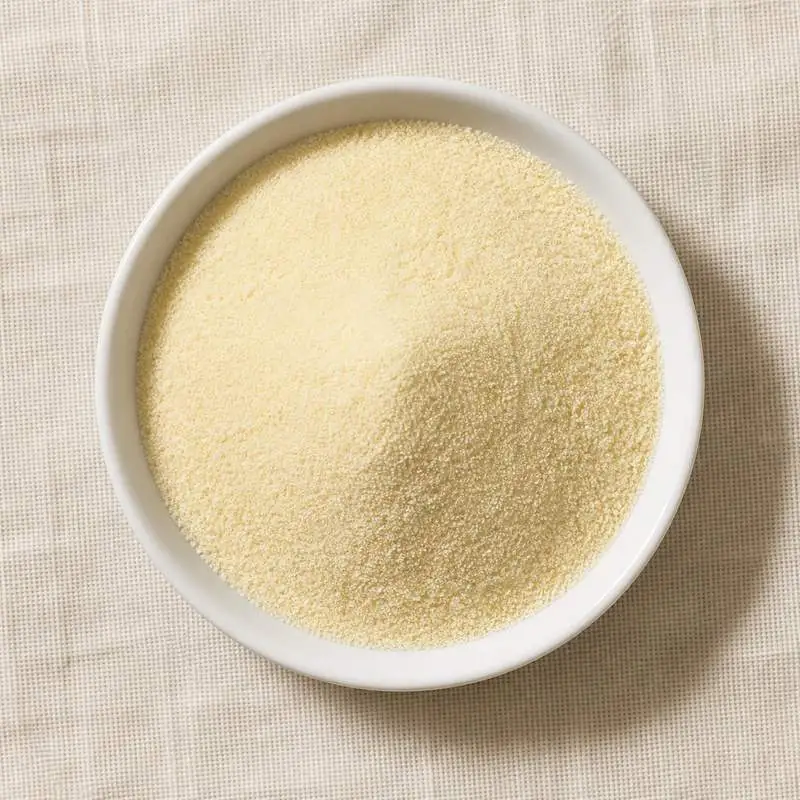
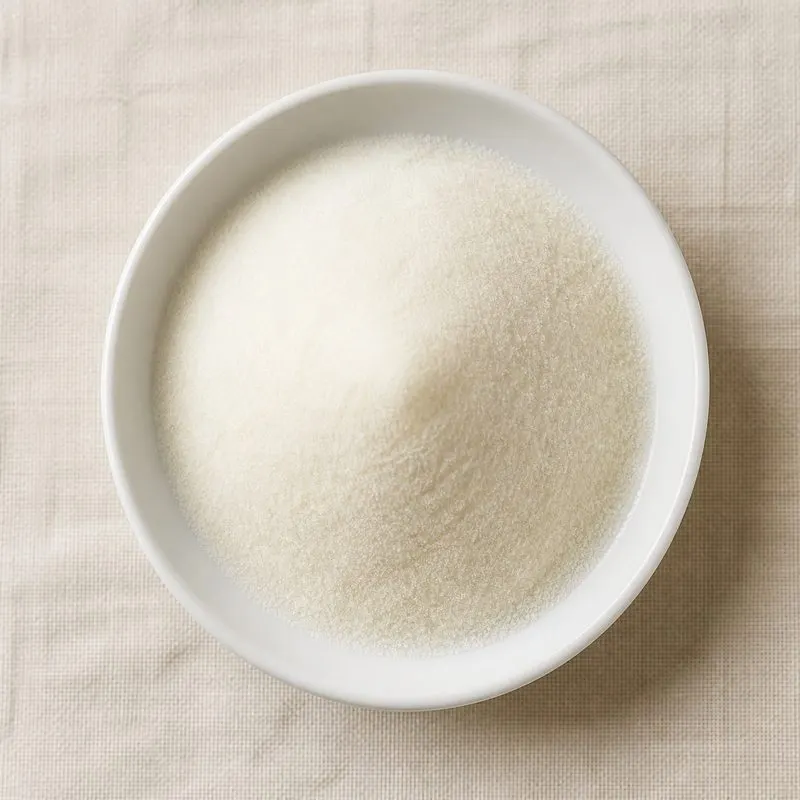
| Appearance | Pale yellow to light amber granules or powder, practically odourless |
| Identification | Complies with the pharmacopoeial identity tests for gelatin |
| Gel Strength (6.67% Bloom) | 150 to 250 g, as ordered |
| Viscosity (6.67% at 60 degrees Celsius) | 3.0 to 5.0 mPa.s |
| Loss on Drying | Maximum 14.0% |
| Residue on Ignition | Maximum 2.0% |
| pH (1% solution) | 4.5 to 7.0 |
| Sulphur Dioxide | Maximum 50 mg/kg |
| Peroxides | Maximum 10 mg/kg |
| Heavy Metals | Maximum 20 mg/kg |
| Chromium | Maximum 10 mg/kg |
| Total Aerobic Microbial Count | Maximum 1,000 cfu/g |
| Yeast and Mould | Maximum 100 cfu/g |
| Escherichia coli and Salmonella | Absent in 10 g |
Common Markets Grades
Within the pharmaceutical tier, material is ordered by type, Bloom and viscosity against the intended dosage form. Hard capsule grades cluster at 150 to 250 Bloom with a narrow viscosity band, soft capsule grades sit in a similar Bloom range but are specified alongside the plasticiser system used in the shell, tablet binder and coating grades are lower in Bloom, and pastille grades higher. Type A from acid pretreated porcine skin and type B from limed bovine stock are held as separate lines because their isoelectric points differ, which changes compatibility with charged actives.
Sourcing forms the second layer of the grade. Bovine only, porcine only and fish gelatin lines are segregated, with halal and kosher certification maintained on dedicated production, and each carries its own certificate of suitability documentation. Buyers additionally distinguish standard pharmaceutical grade from parenteral quality material used in plasma volume expanders, which is prepared and controlled to injectable standards, and from low endotoxin grades specified for biological formulations. Qualification of a new supplier normally requires several consecutive batches tested against the full monograph before approval.
Applications
- Hard capsule shell manufacture, where viscosity control sets shell wall thickness and weight
- Soft gelatin capsules, forming the plasticised shell around liquid and semi solid fills
- Wet granulation binder in tablet manufacture, and a component of aqueous film coatings
- Medicated pastilles and lozenges, providing the chewy set that carries the active
- Stabiliser in freeze dried vaccines and biological preparations
- Microencapsulation by complex coacervation with anionic hydrocolloids
- Absorbable haemostatic sponges and surgical scaffolds
- Plasma volume expanders based on chemically modified hydrolysed gelatin
- Suppository bases and glycerinated gelatin preparations
- Suspending agent in oral liquids, and a blocking protein in diagnostic assays
China Manufacturers of Pharmaceutical Grade Gelatin
Top Pharmaceutical Grade Gelatin manufacturers in China.
 Shandong Hengxin Biological Technology Co., Ltd.4 ingredients in the directory
- Weihai Yinhe Biological Technology Co., Ltd.2 ingredients in the directory
Company names and logos are the property of the manufacturers themselves. They are listed here because our own directory records them as producing this ingredient. A listing is not an endorsement by them, and we do not represent them or speak on their behalf.
Regulatory Status
In the United States gelatin for medicinal use is controlled against the United States Pharmacopeia monograph and handled under the good manufacturing practice expectations for pharmaceutical components, with the excipient supplier subject to customer audit and to the requirements flowing from the drug product application. The Food and Drug Administration has issued guidance limiting the sourcing of bovine material for medical products to tissues and countries not associated with bovine spongiform encephalopathy risk, and that documentation is part of what makes a lot pharmaceutical grade rather than food grade. Food and supplement uses of gelatin sit separately under the conventional food and dietary supplement frameworks.
In the European Union the material must meet the European Pharmacopoeia gelatin monograph and the note for guidance on minimising the risk of transmitting animal spongiform encephalopathy agents, with the manufacturer holding a certificate of suitability from the European Directorate for the Quality of Medicines covering the specific raw material and process. Production also falls under the animal by-products framework and the transmissible spongiform encephalopathy regulation. Excipient manufacture is additionally addressed by the European Union good manufacturing practice guidance for excipients and by the requirement on medicinal product manufacturers to assess and audit their excipient suppliers. Gelatin carries no E number in any jurisdiction, and Codex maintains no additive specification for it.
Manufacturing Process
Manufacture follows the standard gelatin route but under pharmaceutical quality management from raw material onwards. Bovine bone is demineralised in dilute hydrochloric acid to ossein, or hide split and porcine skin go directly to pretreatment, which is either prolonged alkaline liming for type B or a short acid soak for type A. The stock is washed and neutralised, then extracted with hot water in successive stages at rising temperature, and the fractions are blended later to hit the ordered Bloom and viscosity.
The distinguishing operations are downstream. Extracts are filtered and deionised on ion exchange resin, concentrated by evaporation, and given a validated high temperature short time sterilisation rather than a nominal heat step. Gelling, extrusion and belt drying take place in areas supplied with filtered air, with the drying profile controlled to avoid thermal damage, and milling, blending and packing are carried out in classified rooms. Each batch is tested against the full monograph, gel strength, viscosity, loss on drying, residue on ignition, sulphur dioxide, peroxides, heavy metals and microbial attributes, and released with a certificate of analysis accompanied by the transmissible spongiform encephalopathy risk documentation, the certificate of suitability reference and the species and country of origin of the raw material. Change control on the process is formal, since a customer's medicinal product registration cites the gelatin manufacturing route.