Phytosterol Ester
Phytosterol Ester is the family of fatty-acid esters formed by reacting free plant sterols (and stanols) with long-chain vegetable-oil fatty acids. The ester bond at the 3β-hydroxyl converts a crystalline, poorly oil-soluble solid into a lipid-soluble liquid or low-melting wax.
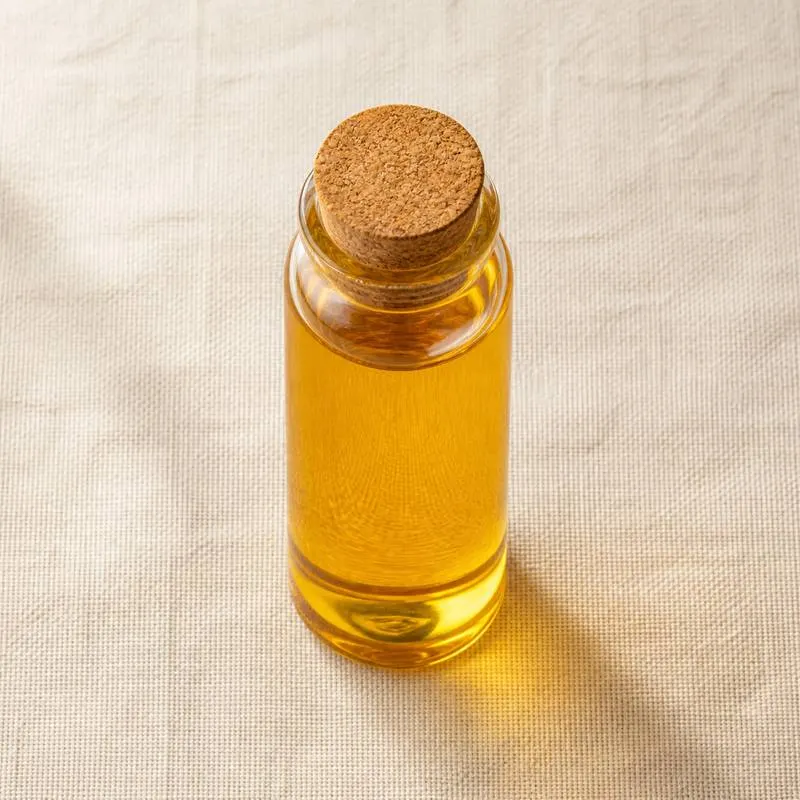
The commercial material is typically a pale yellow to light amber semi-solid at room temperature, with a melting range determined by the fatty-acid distribution. It is fully miscible with vegetable oils, with no contribution to off-flavour or off-colour in finished food matrices.
We source bulk Phytosterol Ester from top China manufacturers for our partners. The manufacturer is in Shandong. A smaller requirement can ship in a combined container with other ingredients.
Please send the grade you need, the volume and your destination port, and we will come back with a solution and a price.
or call +86-21-6858 0751
- Packaging
- 25 kg kraft paper bag with PE inner liner
- ISO 9001
- HACCP
- Halal
- Kosher
Specifications
Grades / Types Available: Food Grade, Feed Grade
| Item | Specification |
|---|---|
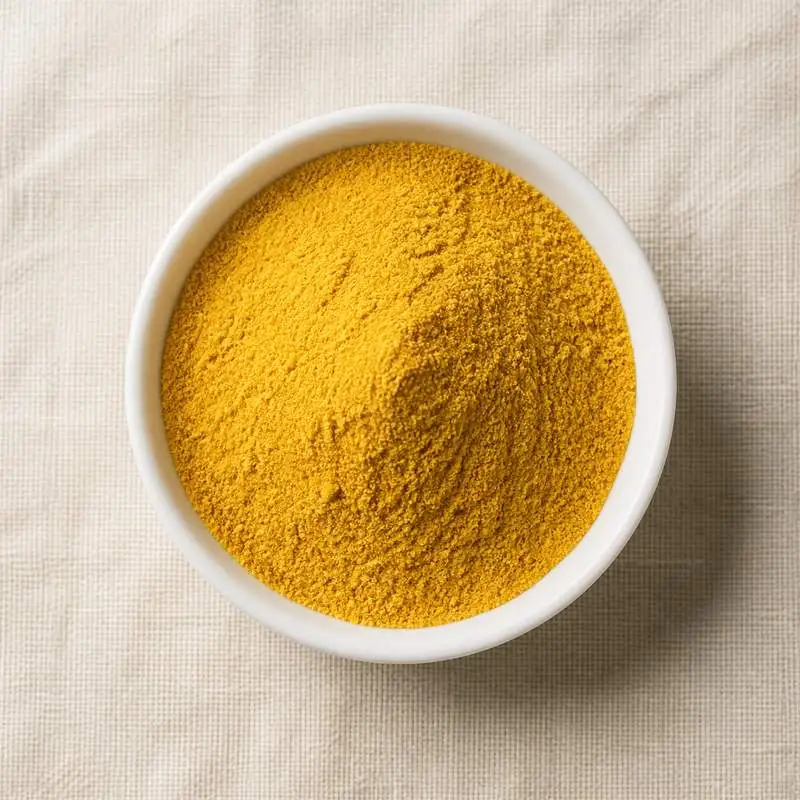
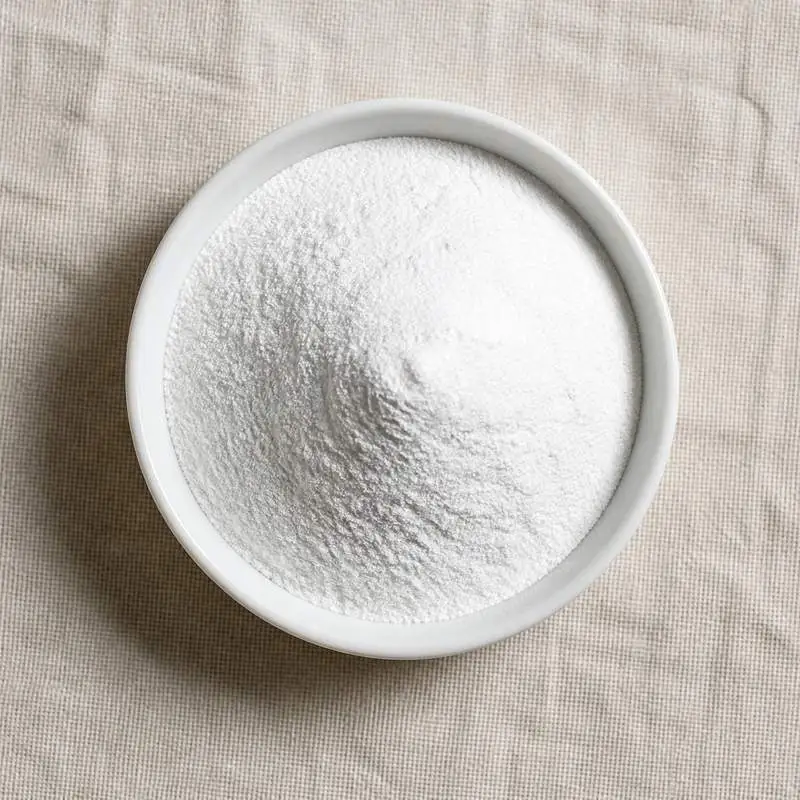
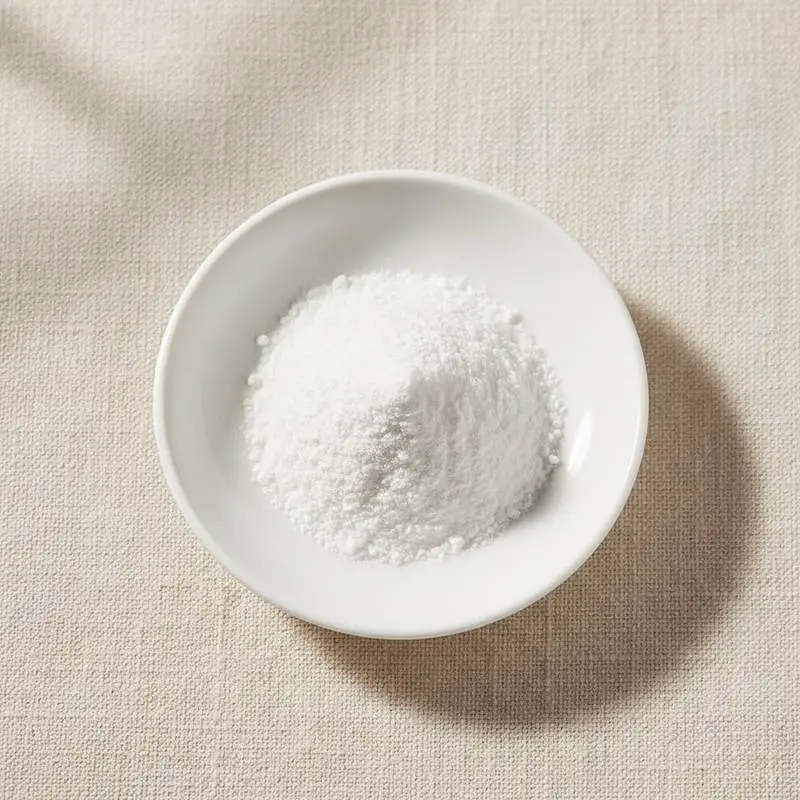
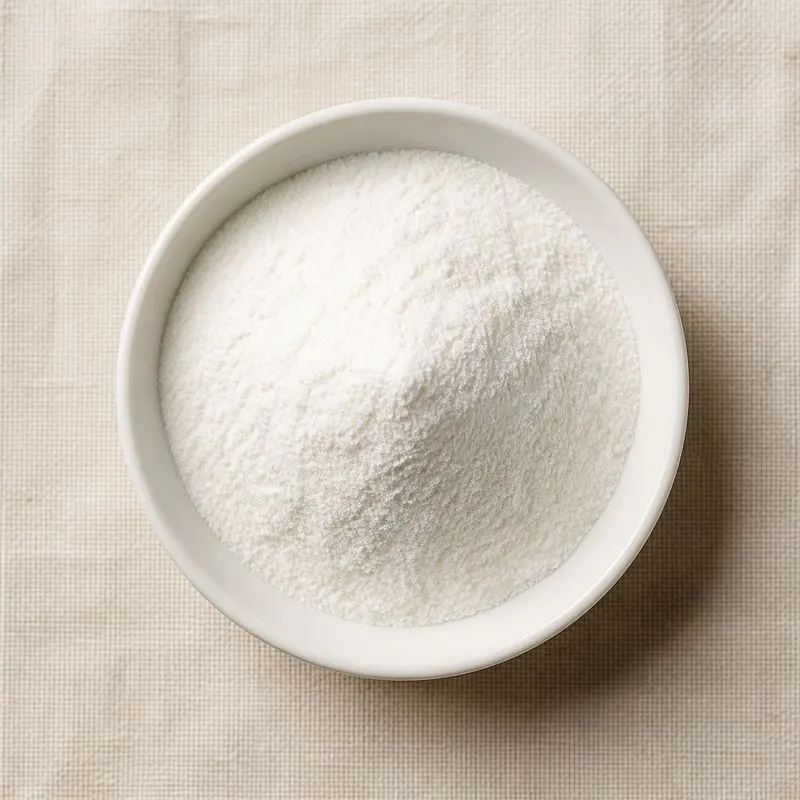
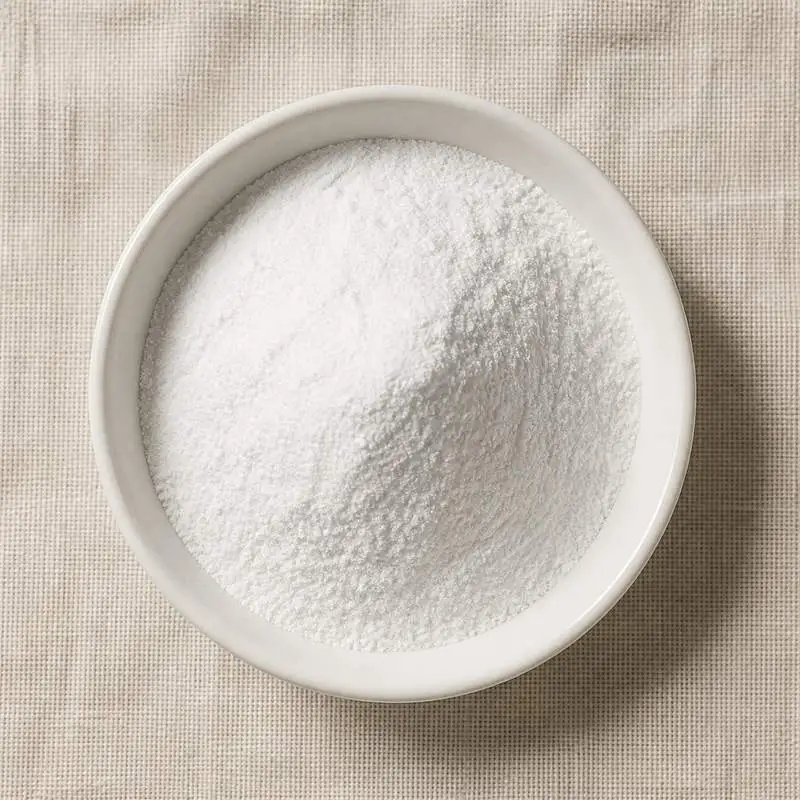
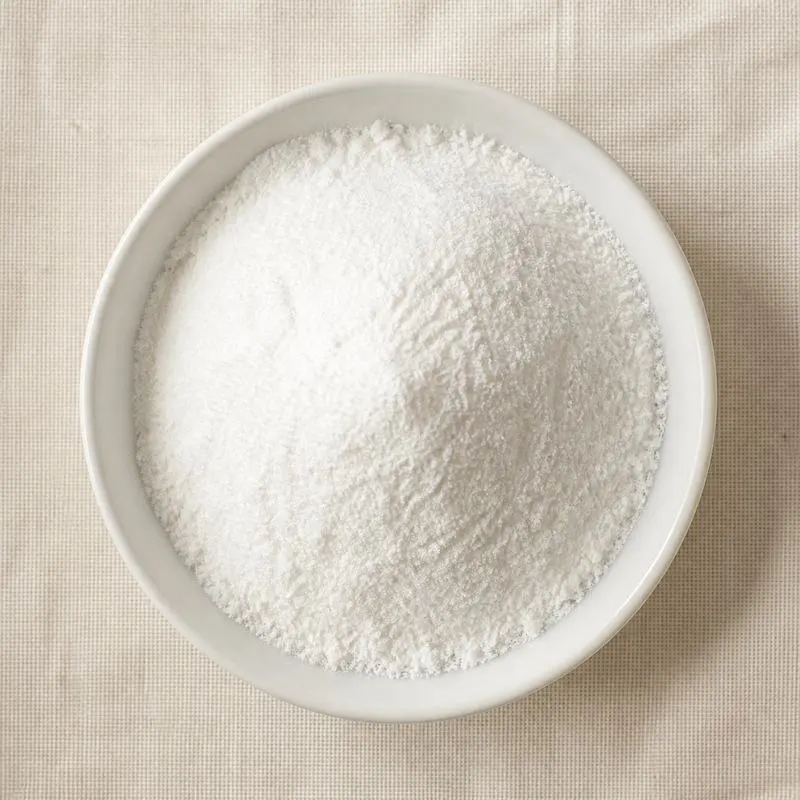
| Appearance | Off-white to pale yellow fine powder |
| Phytosterol Esters | ≥ 60% |
| Moisture | ≤ 5.0% |
| Particle Size | 80-100 mesh |
| Peroxide Value | ≤ 5.0 meq/kg |
| Heavy Metals (as Pb) | ≤ 2 mg/kg |
| Total Plate Count | ≤ 10,000 cfu/g |
| Purity (Food Grade) | ≥ 95% |
| Moisture/Loss on Drying | ≤ 5% |
| pH | 5.0 - 7.0 |
| Particle Size/Mesh | 100% pass 80 mesh |
| Ash | ≤ 1% |
| Lead | ≤ 1 ppm |
| Arsenic | ≤ 0.5 ppm |
| Yeast & Mold | ≤ 100 cfu/g |
Common Markets Grades
Phytosterol esters are graded by total sterol content expressed as free sterol equivalent (FSE).
The standard commercial grades deliver greater than 55 percent FSE and greater than 60 percent FSE, with premium grades above 65 percent FSE for high-load spread and beverage applications.
The two main sub-categories are phytosterol esters (where the sterol fraction retains its native double bonds) and phytostanol esters (where the sterols have been pre-hydrogenated to fully saturated stanols such as sitostanol and campestanol). Stanol esters are the basis of the Benecol product line.
The fatty-acid distribution is generally selected to match the host food matrix. Sunflower-fatty-acid esters are typical for spreads and dairy. Rapeseed or high-oleic fatty-acid esters are used for emulsion stability in beverages.
Water-dispersible powder grades, in which the ester is microencapsulated onto a carrier with emulsifiers, are produced for dry-mix and tablet applications.
Applications
- Cholesterol-lowering spreads, margarines, and butter blends in the cardiovascular-health category
- Fortified yogurt and yogurt-drink products positioned around heart health
- Fortified milk, plant-milk, and ready-to-drink shake products
- Fortified cheese, processed cheese, and cheese alternatives
- Salad dressings, mayonnaises, and culinary oils with added phytosterol esters
- Bakery products including breads, cookies, and breakfast pastries
- Breakfast cereals and granola products with lipid-based fortification
- Softgel dietary supplements at 400 mg, 800 mg, and 1,000 mg loading per capsule
- Chewable tablets and stickpack powders for daily cholesterol-management routines
- Sports-nutrition and clinical-nutrition products positioned around lipid profile
- Functional confectionery including chocolates and energy bars in select markets
Brands Using Phytosterol Ester
Widely-distributed consumer products that list Phytosterol Ester on the ingredient label.
- BenecolBenecol Original Buttery Spread ↗A buttery spread containing plant stanol esters, 1.02 g plant stanol ester (0.6 g plant stanols) per tablespoon.Label verified 2026-05-24
- BenecolBenecol Soft Chews ↗Daily soft chew delivering 2 g of plant stanols (as plant stanol esters) per 5-chew serving for cholesterol management.Label verified 2026-05-24
- Promise (Upfield)Promise Activ Light 35% Vegetable Oil Spread ↗Light vegetable-oil spread fortified with plant sterol esters (about 1.0 g plant sterols per serving) to help lower LDL cholesterol.Label verified 2026-05-24
- Smart BalanceSmart Balance Heart Right Light Buttery Spread ↗Buttery spread fortified with 1,700 mg of plant sterol esters per serving for LDL cholesterol reduction as part of a heart-healthy diet.Label verified 2026-05-24
- Unilever (Take Control)Take Control Spread (historic) ↗Historic Unilever cholesterol-lowering tub spread fortified with vegetable oil sterol esters (phytosterol esters), launched as one of the original phytosterol-ester margarines in the US.Label verified 2026-05-24
- Raisio (Benecol Spreadable)Benecol Spreadable (Raisio, EU) ↗Spreadable plant-stanol-ester product from Raisio's Benecol line containing the Benecol ingredient (plant stanol esters from vegetable oils) for cholesterol-lowering.Label verified 2026-05-24
Brand names, product names and logos are the property of their owners. They appear here as published evidence that the ingredient is used, taken from the brand's own label or website. Their appearance is not an endorsement, and it does not mean the brand buys from us or from any manufacturer listed on this site.
China Manufacturers of Phytosterol Ester
Top Phytosterol Ester manufacturers in China.

Company names and logos are the property of the manufacturers themselves. They are listed here because our own directory records them as producing this ingredient. A listing is not an endorsement by them, and we do not represent them or speak on their behalf.
How We Help Source Phytosterol Ester
Direct Factory Sourcing
We run the whole process: selecting the manufacturer from the top Chinese food ingredient producers, negotiating the price, verifying quality, and coordinating the logistics. You deal with us instead of with several factories at once.
Original Packaging and Documents from the Manufacturer
The manufacturer sends your Phytosterol Ester out of its own factory in the original packing, through to your destination port. The COA, COO, MSDS, TDS and any certifications reach you from the manufacturer as well.
Free Samples and Lead Time
We send 100 to 500 g free for your own laboratory to test and you cover only the courier, usually within 2 to 3 working days. ETD is usually within 7 to 15 days once the order is confirmed, and we check that date against the factory's own manufacturing schedule before we give it to you.
Combined Shipment
We can load Phytosterol Ester together with other ingredients such as Arachidonic Acid, Coenzyme Q10 and Chondroitin Sulphate Sodium into one 20' FCL. If your quantity is small, we can also ship LCL.
Regulatory Status
Phytosterol esters share the cholesterol-lowering regulatory framework established for free phytosterols.
The U.S. Food and Drug Administration's authorised health claim under 21 CFR 101.83 covers both free phytosterols and phytosterol esters consumed in food at specified daily intakes.
The European Food Safety Authority Article 14 health claim covers plant sterols and stanols and their esters for blood-cholesterol reduction, with mandatory consumer-information statements on finished-product labels.
The European Union approved phytosterol esters as a Novel Food in 2000 (Regulation (EC) 258/97, since superseded by 2015/2283), with defined food categories including yellow fat spreads, milk products, fermented milk products, soya-based drinks, dressings, and rice drinks.
JECFA has evaluated phytosterol esters and confirmed their suitability for use as food ingredients.
Kosher and Halal certifications are routinely available for material made from vegetable-oil-derived sterols and fatty acids.
Manufacturing Process
Phytosterol esters are produced by transesterification of free phytosterols with fatty acid methyl esters (FAME) derived from refined vegetable oils.
The reaction is carried out at elevated temperature (typically 90 to 120 °C) under reduced pressure, using sodium or potassium alkoxide catalysts, with continuous removal of methanol to drive equilibrium.
For stanol-ester products, the free phytosterol feedstock is first hydrogenated in a separate step over a nickel or palladium catalyst to saturate the 5,6- and 22,23-double bonds. The resulting phytostanol mixture is then esterified by the same FAME route.
After reaction completion, the crude product is washed to remove residual catalyst, bleached with activated clay to control colour, and deodorised under high vacuum to remove residual methanol and volatile odour compounds.
The finished ester is filtered, standardised by saponification and HPLC for total sterol content, and packaged hot to maintain a flowable consistency.
Some manufacturers use an enzymatic esterification route with immobilized lipases (typically Candida antarctica lipase B) as a lower-temperature, more selective alternative, particularly for premium and clean-label positioning.