Policosanol
Policosanol is a defined mixture of long chain primary aliphatic alcohols, saturated and unbranched, with chain lengths running from about 24 to 34 carbons. Octacosanol, the 28 carbon alcohol, is the dominant component and usually accounts for 60 percent or more of the mixture, with triacontanol, hexacosanol, dotriacontanol and tetracosanol making up most of the remainder.
It is used as a nutraceutical active rather than as a functional food ingredient, sold in supplements positioned around lipid metabolism and, in sports products, around endurance. The composition is what defines the material: a policosanol specification is a fingerprint of the ratios between individual alcohols, and material from different waxes gives measurably different profiles.
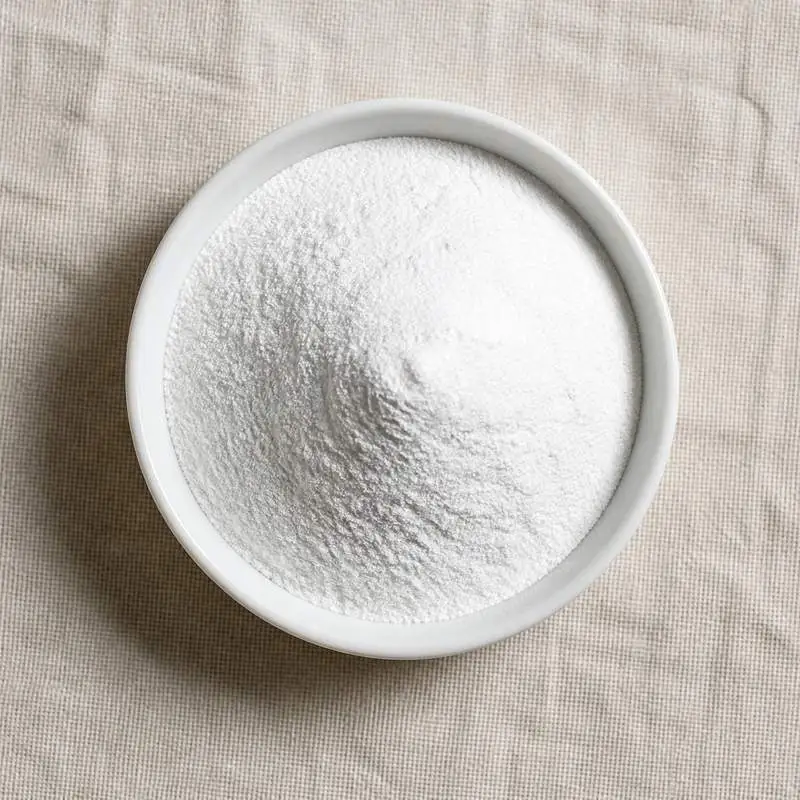
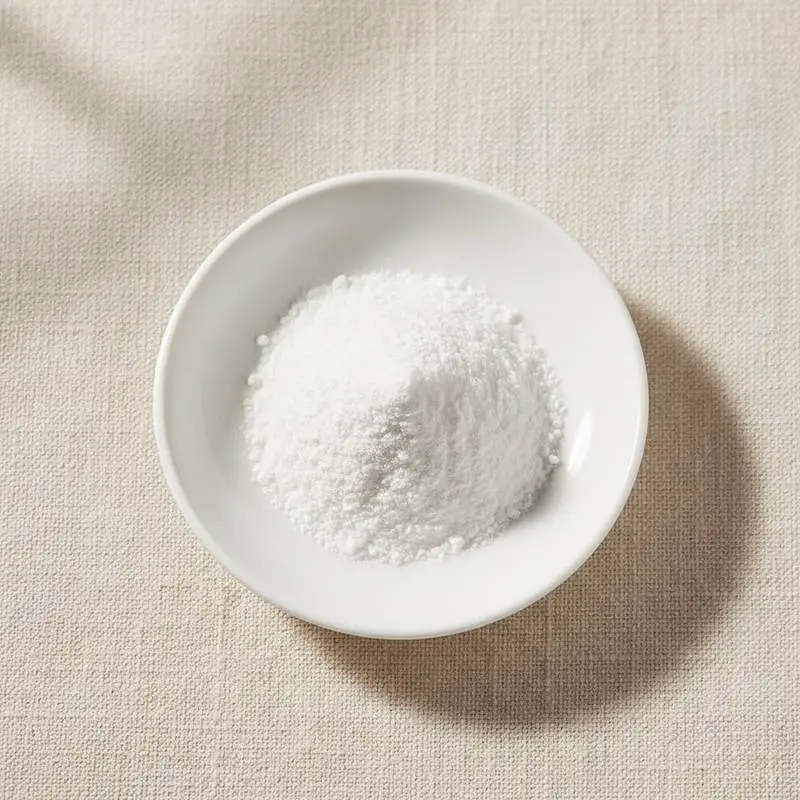
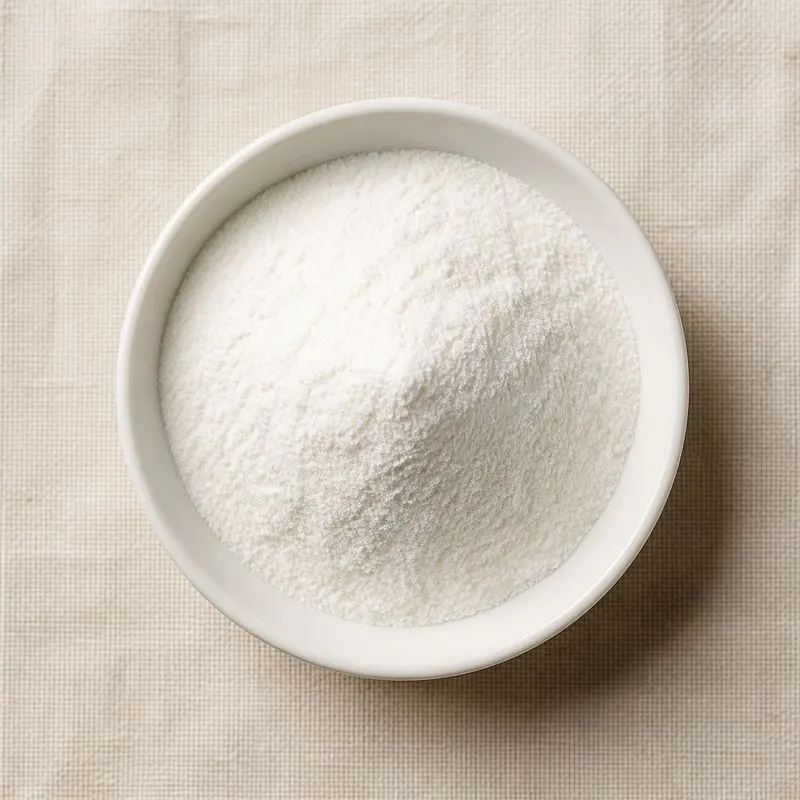
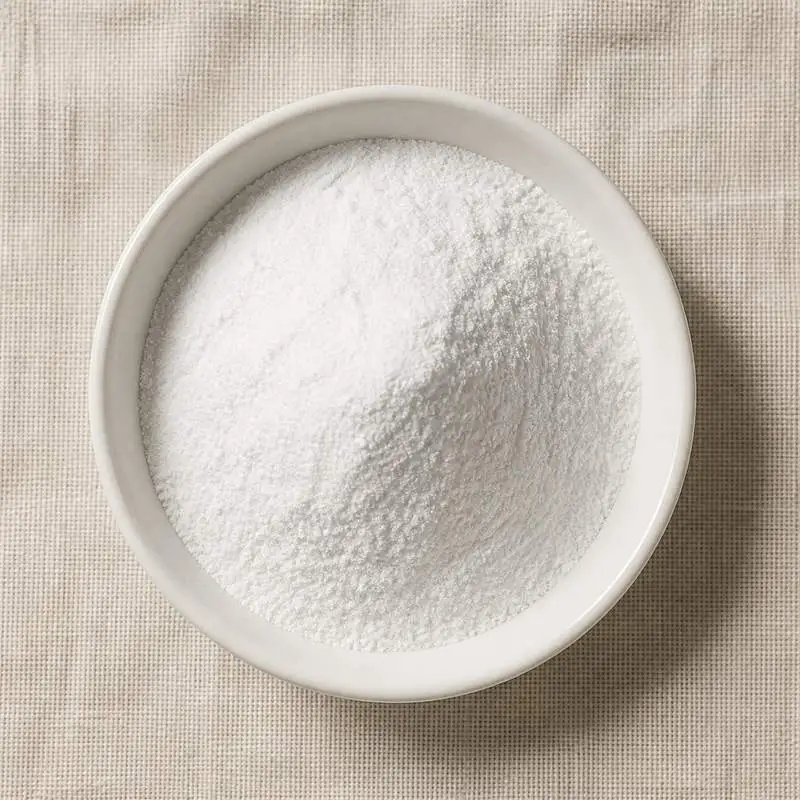
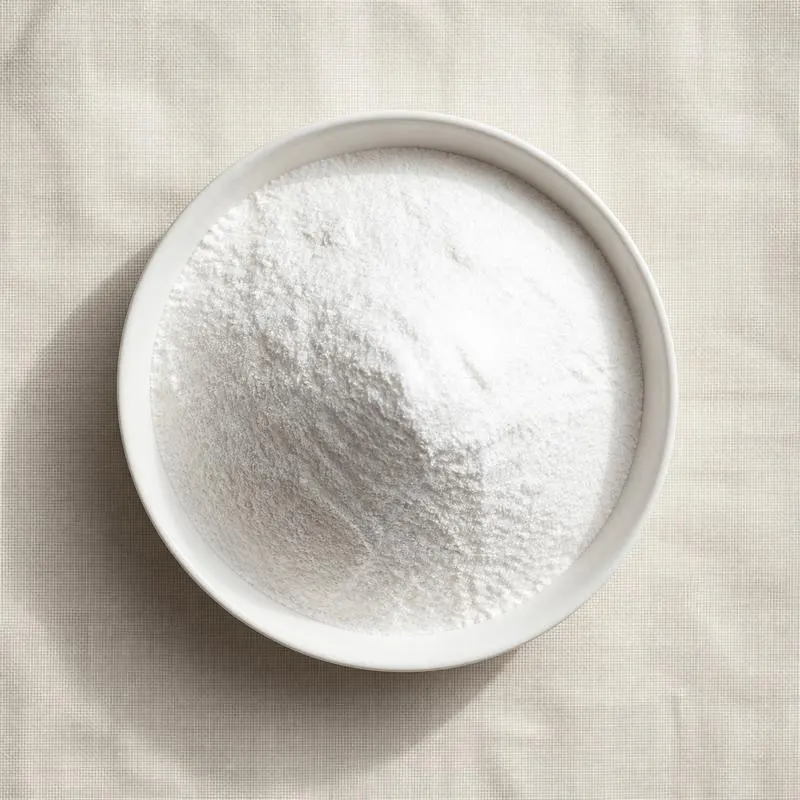
The substance is a white to off white waxy powder or fine flakes, odourless and tasteless, with a melting range of roughly 75 to 85 degrees Celsius. It is practically insoluble in water and only sparingly soluble in cold ethanol, dissolving in hot alcohols, chloroform and hydrocarbon solvents. That insolubility decides how it is formulated: it is dosed as a powder in tablets and capsules, and any attempt to put it into a beverage requires emulsification or a solid dispersion. The material is chemically stable, non hygroscopic and resistant to oxidation because the chains are fully saturated, so it holds two years or more in sealed storage.
We source bulk Policosanol from top China manufacturers for our partners. The manufacturer is in Zhejiang. A smaller requirement can ship in a combined container with other ingredients.
Please send the grade you need, the volume and your destination port, and we will come back with a solution and a price.
or call +86-21-6858 0751
- Function
- Nutraceutical
Specifications
| Item | Specification |
|---|---|
| Appearance | White to off white waxy powder or flakes |
| Odour and taste | Odourless, tasteless |
| Identification | Gas chromatographic alcohol profile conforms to reference standard |
| Total policosanol, C24 to C34 alcohols | 90.0 percent minimum |
| Octacosanol | 60.0 percent minimum of total alcohols |
| Triacontanol | 10.0 percent minimum of total alcohols |
| Melting range | 75 to 85 degrees Celsius |
| Acid value | 2.0 mg KOH per g maximum |
| Loss on drying | 1.0 percent maximum |
| Residue on ignition | 0.5 percent maximum |
| Heavy metals | 10 mg/kg maximum |
| Lead | 1.0 mg/kg maximum |
| Arsenic | 1.0 mg/kg maximum |
| Residual hexane | 10 mg/kg maximum |
| Total plate count | 1,000 cfu/g maximum |
| Yeast and mould | 100 cfu/g maximum |
| Salmonella | Absent in 25 g |
Common Markets Grades
Policosanol is graded first by botanical or animal source, because that sets the alcohol distribution. Sugarcane wax policosanol is the reference material, with the highest octacosanol share and the profile against which the clinical literature was generated. Rice bran wax policosanol carries a similar distribution and is the volume source in Asian production. Beeswax policosanol is richer in triacontanol and is traded as a distinct profile. Wheat germ policosanol is a smaller trade positioned on octacosanol for sports use.
The second axis is total alcohol content. Concentrations of 60, 70, 80, 90 and 95 percent total policosanol are traded, with the balance made up of residual wax esters, hydrocarbons and fatty acids. Octacosanol is specified separately as a minimum percentage of the total, commonly 60 percent, and buyers who want a single component rather than a mixture specify octacosanol at 90 percent or above as a different product. Physical grades cover standard powder, micronised material for uniform blending at low dose weights, and granulated or excipient carried premixes for direct compression. Organic certified sugarcane material is available.
Applications
- Cholesterol and lipid support supplements, the principal outlet, where policosanol is dosed in tablets and capsules at milligram levels
- Sports and endurance products, where octacosanol rich grades are used in pre-workout and stamina formulations
- Combination cardiovascular formulas, where it is blended with plant sterols, red yeast rice or omega-3 oils
- Tablet and capsule manufacture, where granulated grades are used because the raw powder is waxy and flows poorly
- Functional food powders and bars, where micronised material is dispersed into a fat or powder matrix rather than a water phase
- Cosmetic and skin care formulation, where long chain fatty alcohols act as emollients and consistency factors
- Wax and coating applications, where lower purity policosanol fractions are used as release agents and polish components
- Analytical reference use, where characterised mixtures serve as standards for wax alcohol profiling
Brands Using Policosanol
Widely-distributed consumer products that list Policosanol on the ingredient label.
- NutricostPolicosanol Capsules ↗Sold in 25, 40 and 100 mg strengths, each capsule delivers policosanol as the single active ingredient.Label verified 2026-08-31
- CodeageLiposomal Red Yeast Rice+ Platinum ↗Policosanol is listed in this red yeast rice formula along with berberine, garlic bulb extract, grape seed extract and CoQ10.Label verified 2026-08-31
Brand names, product names and logos are the property of their owners. They appear here as published evidence that the ingredient is used, taken from the brand's own label or website. Their appearance is not an endorsement, and it does not mean the brand buys from us or from any manufacturer listed on this site.
China Manufacturers of Policosanol
Top Policosanol manufacturers in China.

Company names and logos are the property of the manufacturers themselves. They are listed here because our own directory records them as producing this ingredient. A listing is not an endorsement by them, and we do not represent them or speak on their behalf.
Regulatory Status
In the United States policosanol is marketed as a dietary ingredient under the Dietary Supplement Health and Education Act, on the basis of its presence in food waxes and its marketing history, and manufacture is subject to current good manufacturing practice for dietary supplements at 21 CFR Part 111. It has no food additive regulation of its own, so use in conventional food requires an independent GRAS conclusion for the specified conditions of use. Related long chain aliphatic alcohols appear in the food contact and processing aid provisions of the regulations, but those clearances do not extend to policosanol as a supplement active. Claims made for it are limited to structure and function statements, since no authorised health claim covers the substance.
In the European Union policosanol is used in food supplements in several member states on the basis of national rules for botanical and wax derived ingredients, and material with a demonstrable history of consumption in the Union before May 1997 falls outside the Novel Food Regulation. Preparations from sources or by processes without that history require assessment under Regulation (EU) 2015/2283. The European Food Safety Authority has assessed health claim applications relating to policosanol and blood lipids and did not find the cause and effect relationship established, so no authorised claim is available under Regulation (EC) No 1924/2006. Supplements containing it remain subject to Directive 2002/46/EC on food supplements as regards labelling and presentation. Codex Alimentarius has no commodity or additive standard for policosanol and JECFA has not evaluated it, so the applicable international references are the general standard for contaminants and the good manufacturing practice expectations that apply to wax derived ingredients.
Manufacturing Process
Production starts from a natural wax. In the sugarcane route the feedstock is filter mud or press mud, the residue left after cane juice clarification, which carries the cuticular wax of the cane stalk. The mud is dried and the crude wax recovered by solvent extraction with hexane or a similar hydrocarbon, then the miscella is desolventised to leave a dark crude wax. Rice bran wax is recovered instead from the wax cake that separates during rice bran oil winterisation, and beeswax is used directly.
The crude wax is refined by de-oiling and by treatment with activated carbon and bleaching clay to remove pigment, oil and resin. The central transformation is saponification: the wax, which consists mainly of esters of long chain alcohols with long chain fatty acids, is heated with potassium or sodium hydroxide in an alcoholic medium, which cleaves the ester bonds and releases the free fatty alcohols while the acids are converted to soaps. The reaction mass is then diluted with water and the unsaponifiable fraction, containing the alcohols, is separated from the aqueous soap phase by solvent extraction or by filtration of the precipitated solid.
The crude unsaponifiable is purified by successive recrystallisations from hot alcohol or from a hydrocarbon and alcohol mixture, each pass raising the total alcohol content and narrowing the chain length distribution, with molecular distillation used where a very high concentration is required. The purified solid is washed to remove residual soap and solvent, dried under vacuum, milled to the target particle size, sieved and packed in lined drums.