Octacosanol
Octacosanol is a straight chain saturated primary fatty alcohol of twenty eight carbons, 1 octacosanol, one of the long chain aliphatic alcohols collectively called policosanols. It occurs naturally in the epicuticular wax that coats plant surfaces, and it is the dominant component of policosanol preparations from sugar cane and rice bran wax.
As an ingredient it is sold on two positions. In sports nutrition it is used for endurance and physical performance, a position dating to mid twentieth century work on wheat germ oil. In cardiovascular supplements it is used as the principal constituent of policosanol, a mixture whose lipid effects were reported extensively in one country and reproduced inconsistently elsewhere, so the evidence base is contested rather than settled and buyers should treat the two positions differently.
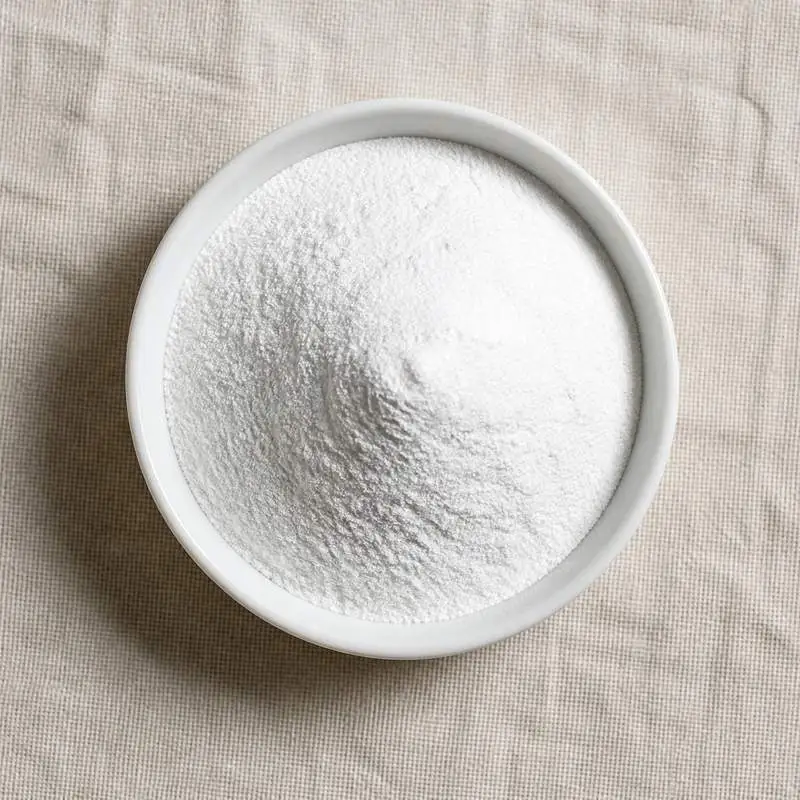
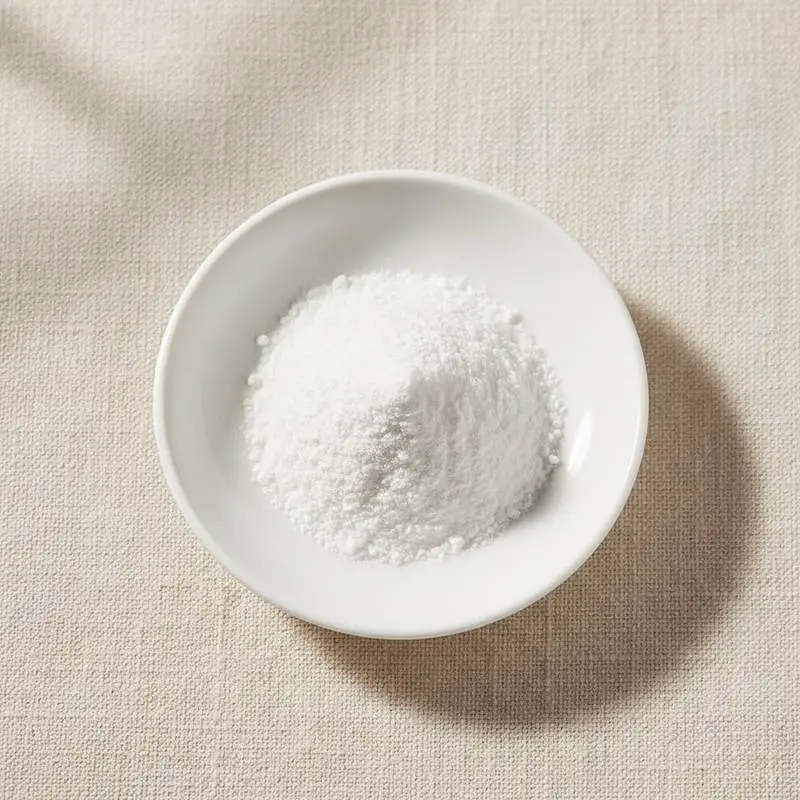
The commercial material is a white to off white crystalline powder or waxy flake with a melting point near 83 degrees Celsius. It is practically insoluble in water and only sparingly soluble in cold ethanol, dissolving in hot alcohol and in chloroform, which is the central formulation problem: dissolution rather than chemical stability limits how much reaches the bloodstream, and micronised, solubilised and emulsified delivery forms are traded to address it. The compound itself is chemically stable, resisting oxidation and heat far better than the unsaturated lipids it is often formulated alongside.
We source bulk Octacosanol from top China manufacturers for our partners. The manufacturers are in Jiangsu and Zhejiang. A smaller requirement can ship in a combined container with other ingredients.
Please send the grade you need, the volume and your destination port, and we will come back with a solution and a price.
or call +86-21-6858 0751
- Function
- Nutraceutical
Specifications
| Item | Specification |
|---|---|
| Appearance | White to off white crystalline powder or waxy flake |
| Odour and Taste | Odourless, tasteless |
| Assay (gas chromatography) | Not less than 90.0 percent |
| Identification | Infrared spectrum and retention time conform to reference |
| Melting Point | 81 to 85 degrees Celsius |
| Total Policosanols | Not less than 98.0 percent |
| Free Fatty Acids | Not more than 0.5 percent |
| Loss on Drying | Not more than 1.0 percent |
| Residue on Ignition | Not more than 0.2 percent |
| Residual Solvents | Conforms to ICH Class 3 limits |
| Particle Size (micronised grade) | D90 not more than 20 micrometres |
| Lead | Not more than 1.0 mg/kg |
| Arsenic | Not more than 1.0 mg/kg |
| Heavy Metals (as Pb) | Not more than 10 mg/kg |
| Total Plate Count | Not more than 1000 cfu/g |
| Salmonella | Absent in 25 g |
Common Markets Grades
The trade divides between purified octacosanol and policosanol mixtures, and the distinction matters commercially because the two are priced very differently. Purified octacosanol is offered at 90 percent, 95 percent and 98 percent minimum assay by gas chromatography, with the neighbouring homologues hexacosanol, heptacosanol, triacontanol and dotriacontanol controlled as named related substances. Policosanol is sold as a defined blend, typically 60 to 70 percent octacosanol with the remainder made up of the other long chain alcohols, and is specified on total policosanol content rather than on octacosanol alone.
Source is the second axis. Sugar cane wax derived material is the classical policosanol source, rice bran wax derived material is the largest volume source of purified octacosanol, and beeswax and wheat germ derived grades exist as smaller trades sold on origin. Physical grades run from standard crystalline powder through micronised powder with a median particle size in the low micron range, to solubilised preparations dispersed on a carrier or complexed with cyclodextrin, and this last group is specified on octacosanol content in the finished preparation rather than on assay of the isolated compound.
Applications
- Sports and endurance supplements in capsule and tablet form, the longest established position for the ingredient
- Cardiovascular and lipid support formulations, sold as policosanol in most markets
- Combination supplements with coenzyme Q10, plant sterols or red yeast rice
- Energy and stamina products aimed at older consumers and at athletes in masters categories
- Functional beverages using micronised or cyclodextrin complexed grades that disperse in water
- Meal replacement and protein powders, where the powder is dry blended into the matrix
- Pet and equine supplements positioned on stamina and coat condition
- Cosmetic formulations, where the long chain alcohol acts as an emollient and structuring wax
- Feed additives for livestock and aquaculture aimed at growth and lipid metabolism
- Analytical reference standard for policosanol and long chain alcohol quantification
Brands Using Octacosanol
Widely-distributed consumer products that list Octacosanol on the ingredient label.
- NOW FoodsPolicosanol 20 mg Veg Capsules ↗NOW describes the policosanol in these capsules as a plant wax blend of long chain fatty alcohols made up primarily of octacosanol.Label verified 2026-08-31
- Source NaturalsPolicosanol Tablets ↗The product is described as long chain fatty alcohols isolated from plant waxes, naming octacosanol first alongside hexacosanol and triacontanol.Label verified 2026-08-31
Brand names, product names and logos are the property of their owners. They appear here as published evidence that the ingredient is used, taken from the brand's own label or website. Their appearance is not an endorsement, and it does not mean the brand buys from us or from any manufacturer listed on this site.
China Manufacturers of Octacosanol
Top Octacosanol manufacturers in China.
 Wuxi Century Bio-engineering Co., Ltd.5 ingredients in the directory
 Wuyi Zhenwei Biological Science And Technology Co., Ltd.2 ingredients in the directory
Company names and logos are the property of the manufacturers themselves. They are listed here because our own directory records them as producing this ingredient. A listing is not an endorsement by them, and we do not represent them or speak on their behalf.
Regulatory Status
In the United States octacosanol and policosanol are sold as dietary ingredients under the dietary supplement framework, marketed with structure function claims rather than disease claims. Octacosanol also appears among the substances used in food as a component of certain plant wax preparations. Because the cardiovascular literature is inconsistent, claims in this area attract regulatory attention, and the Food and Drug Administration has issued warning letters where policosanol products carried cholesterol lowering disease claims.
In the European Union the position depends on the source and preparation. Sugar cane wax derived policosanol and rice bran derived long chain alcohol preparations should be assessed against the novel food regulation for the specific preparation and its consumption history, since a purified fraction obtained by saponification and recrystallisation may not share the traditional food status of the source material. Octacosanol is not a food additive and carries no E number. No health claim has been authorised for octacosanol or policosanol, so European labelling is confined to compositional statements. Neither JECFA nor Codex has evaluated the substance or published specifications.
Manufacturing Process
Manufacture begins with a plant wax rather than with an oil. Sugar cane wax is recovered from filter mud, the residue left after clarifying cane juice, and rice bran wax is separated from crude rice bran oil during winterisation, where the higher melting fraction crystallises out on chilling and is filtered off. Both crude waxes are dark, sticky and heavily contaminated with resin, pigment and residual oil, so the first step is refining: the wax is melted, treated with solvent to precipitate resin, or bleached with activated clay and carbon, then filtered.
The long chain alcohols in the refined wax are present as esters of long chain fatty acids rather than as free alcohols, so the wax is saponified with potassium or sodium hydroxide in an alcoholic medium under reflux, which cleaves the esters and leaves the alcohols free while converting the acids to soaps. The reaction mass is diluted with water and the unsaponifiable fraction, containing the alcohols, is recovered by solvent extraction with hexane or toluene, or by direct filtration where the alcohols crystallise on cooling. Soaps and residual glycerol are washed out of the organic phase. The crude alcohol mixture is then purified by fractional crystallisation from an alcohol or hydrocarbon solvent, repeated to raise the octacosanol share, and by molecular distillation where the homologues need separating further. Purified crystals are washed, dried under vacuum, milled and sieved, with jet milling used where a micronised grade is required, then packed in lined bags. Policosanol grades stop short of the final purification and are blended to a defined homologue distribution.