Potassium Bitartrate
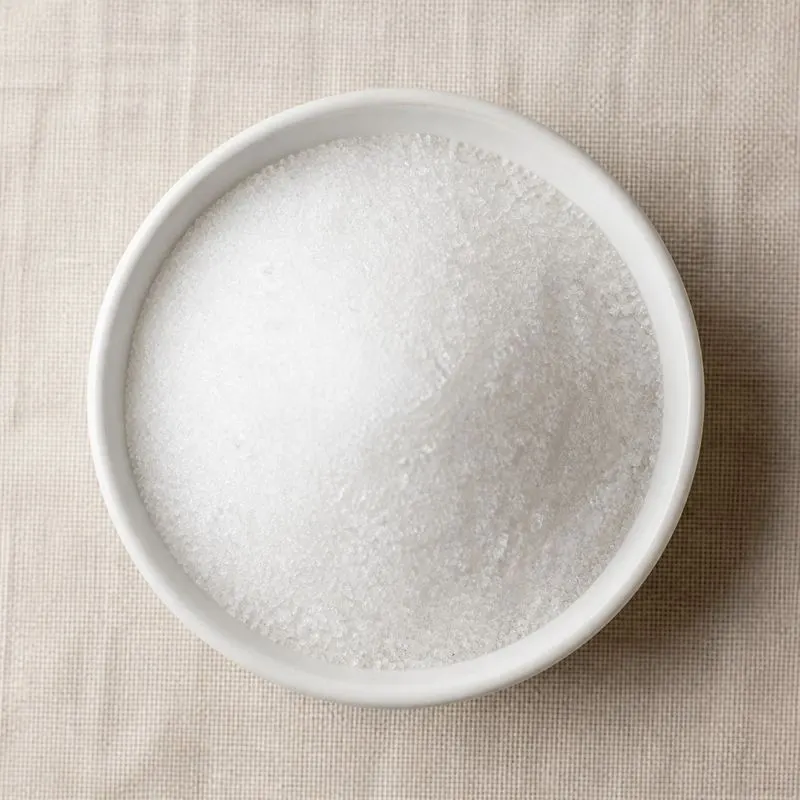
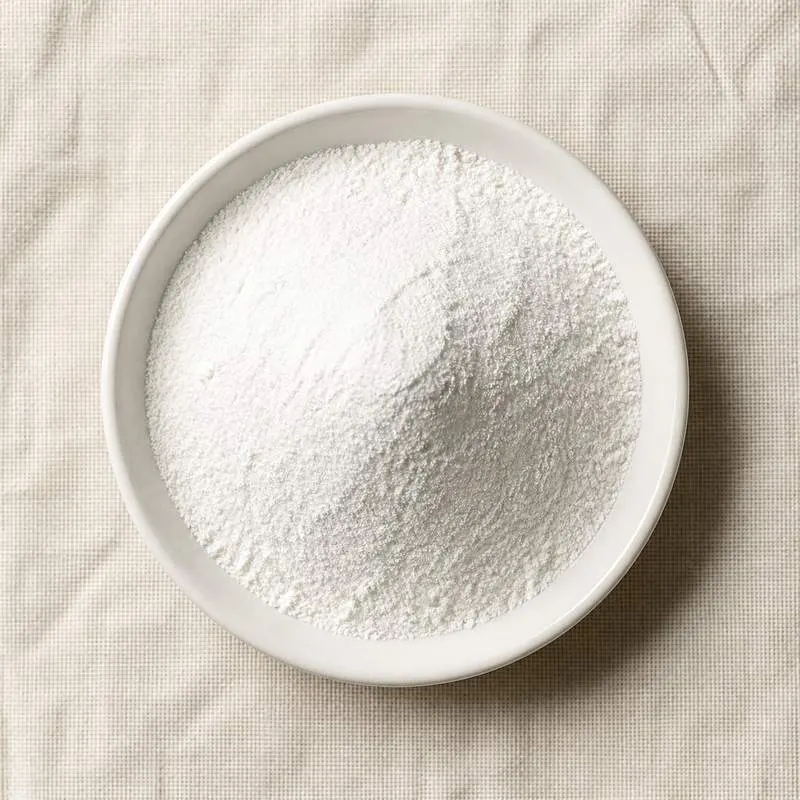
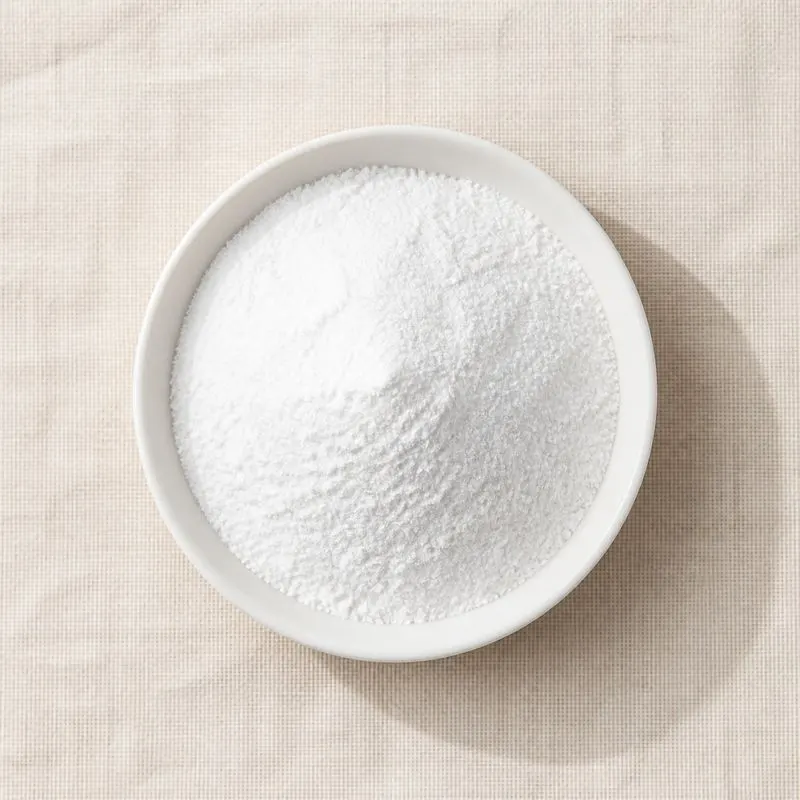
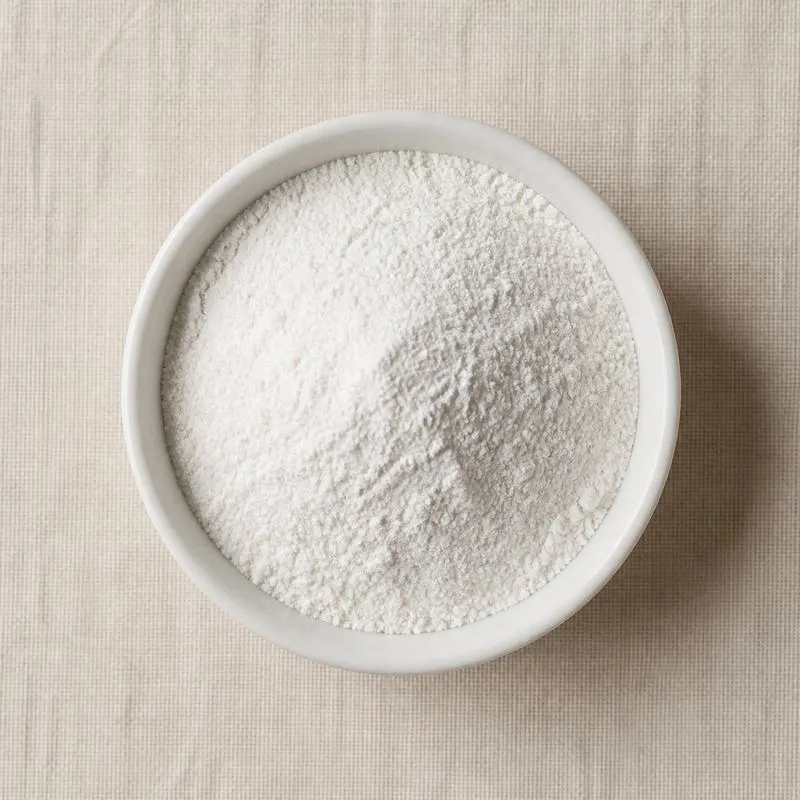
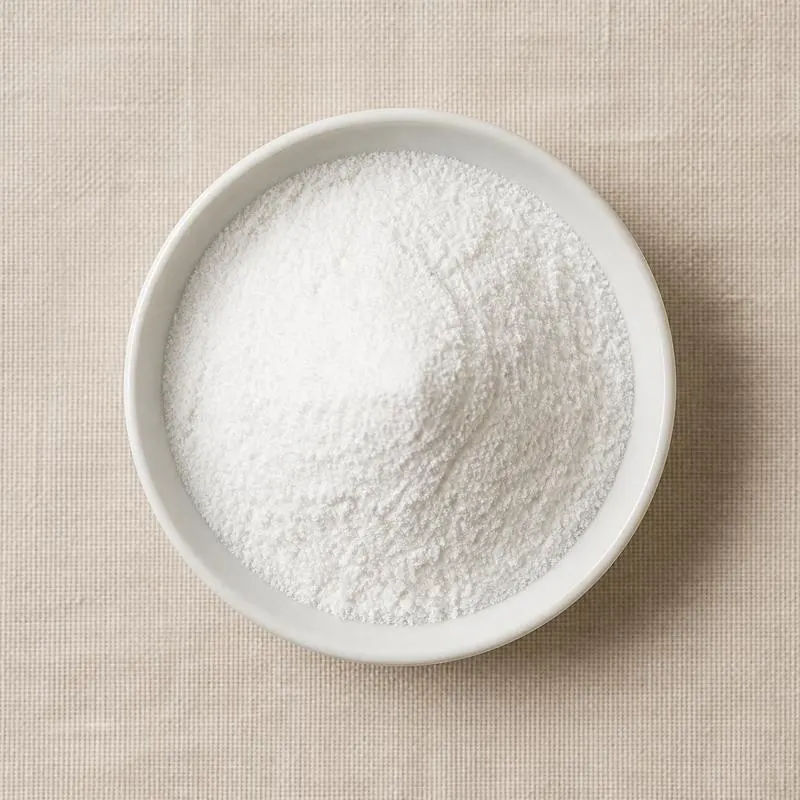
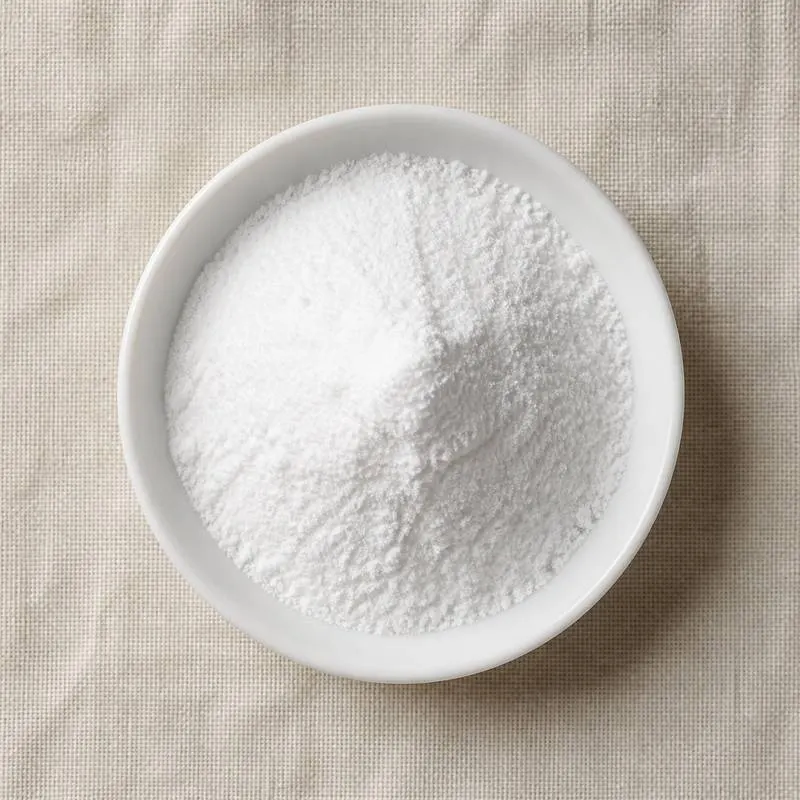
Potassium Bitartrate, better known as cream of tartar, is the acid potassium salt of L-tartaric acid with the formula KHC4H4O6. It is a white crystalline powder with a sharp, mildly acidic taste and a long-standing role as a natural leavening acid in baking.
The compound (CAS 868-14-4, molar mass 188.18 g/mol) is sparingly soluble in cold water and substantially more soluble in hot water, a property that drives both its winemaking origin and its baking behaviour.
We source bulk Potassium Bitartrate from top China manufacturers for our partners. The manufacturers are in Jiangsu and Hebei. A smaller requirement can ship in a combined container with other ingredients.
Please send the grade you need, the volume and your destination port, and we will come back with a solution and a price.
or call +86-21-6858 0751
- Packaging
- 25 kg kraft paper bag with PE inner liner
- Function
- Mineral salt
- ISO 9001
- HACCP
- Halal
- Kosher
Specifications
| Item | Specification |
|---|---|
| Appearance | White to slightly off-white crystalline powder or granular crystals |
| Identification (potassium and tartrate) | Positive |
| Assay (as KHC4H4O6, dried basis) | 99.0 - 101.0% |
| Loss on Drying (105 °C, 3 h) | ≤ 0.5% |
| pH (saturated solution, 25 °C) | 3.4 - 3.6 |
| Solubility | 1 g dissolves in about 160 mL water at 25 °C, freely soluble in hot water |
| Oxalate | ≤ 100 mg/kg |
| Ammonium Salts | ≤ 0.01% |
| Calcium | ≤ 0.1% |
| Water-Insoluble Matter | ≤ 0.2% |
| Sulfate (as SO4) | ≤ 0.05% |
| Heavy Metals (as Pb) | ≤ 10 mg/kg |
| Lead | ≤ 2 mg/kg |
| Arsenic | ≤ 3 mg/kg |
Common Markets Grades
Potassium Bitartrate is graded largely by purity and particle size.
Food grade meets FCC and E336(i) specifications at minimum 99.0 percent assay (calculated on the dried basis), with tight limits on lead, arsenic, and oxalate. It is a fine white powder for direct addition to dry mixes.
USP and Ph. Eur. grades carry tighter residual heavy metal limits and consistent particle size for pharmaceutical effervescent tablets and laxative preparations.
Winemaking grade is a coarse crystalline material used for seeding cold-stability trials and for analytical reference. The same producers usually supply a recrystallised food grade for bakery and confectionery customers.
Reagent grade at 99.5 percent plus is sold to analytical laboratories as a primary pH standard. A saturated aqueous solution at 25 degrees Celsius is an IUPAC-recognised pH buffer at 3.557.
Applications
- Natural acid component of double-acting and single-acting baking powders
- Egg-white whipping aid for meringues, angel food cake, and souffles, stabilising the foam
- Crystallisation inhibitor in sugar boiling for fondants, fudges, and pulled-sugar work
- Colour stabiliser for boiled green vegetables and a brightener for boiled potatoes
- Snickerdoodle and soda cracker formulations for characteristic tang and crumb texture
- Effervescent pharmaceutical tablets paired with potassium bicarbonate
- Mild osmotic laxative in over-the-counter constipation remedies
- Primary pH reference standard at 3.557 for laboratory pH meter calibration
- Metal cleaning paste for copper, brass, and aluminium cookware
- Play-dough and modeling-clay recipes as a natural stabiliser
- Galvanic mirror silvering as a mild reducing buffer
Brands Using Potassium Bitartrate
Widely-distributed consumer products that list Potassium Bitartrate on the ingredient label.
- McCormickMcCormick Cream of Tartar (1.5 oz) ↗McCormick Cream of Tartar is pure potassium bitartrate (potassium acid tartrate); used to stabilize beaten egg whites in angel food cake, meringues, macarons and frostings.Label verified 2026-05-24
- ACH Food Companies (Spice Islands)Spice Islands Cream of Tartar (3 oz) ↗Spice Islands Cream of Tartar is a single-ingredient potassium bitartrate product collected from wine cask sediment; sold as a baking aid and egg-white stabilizer.Label verified 2026-05-24
- McCormickNoSalt Original Sodium-Free Salt Alternative ↗NoSalt Original panel: 'Potassium Chloride, Potassium Bitartrate, Adipic Acid, Silicon Dioxide, Mineral Oil and Fumaric Acid.' KHT used as a flow / flavour-modifying co-ingredient in the salt substitute.Label verified 2026-05-24
Brand names, product names and logos are the property of their owners. They appear here as published evidence that the ingredient is used, taken from the brand's own label or website. Their appearance is not an endorsement, and it does not mean the brand buys from us or from any manufacturer listed on this site.
China Manufacturers of Potassium Bitartrate
Top Potassium Bitartrate manufacturers in China.
 Changmao Biochemical Engineering Co., Ltd.8 ingredients in the directory
 The Greatwall Bio-chemical Engineering Co., Ltd.5 ingredients in the directory
Company names and logos are the property of the manufacturers themselves. They are listed here because our own directory records them as producing this ingredient. A listing is not an endorsement by them, and we do not represent them or speak on their behalf.
How We Help Source Potassium Bitartrate
Direct Factory Sourcing
We run the whole process: selecting the manufacturer from the top Chinese food ingredient producers, negotiating the price, verifying quality, and coordinating the logistics. You deal with us instead of with several factories at once.
Original Packaging and Documents from the Manufacturer
The manufacturer sends your Potassium Bitartrate out of its own factory in the original packing, through to your destination port. The COA, COO, MSDS, TDS and any certifications reach you from the manufacturer as well.
Free Samples and Lead Time
We send 100 to 500 g free for your own laboratory to test and you cover only the courier, usually within 2 to 3 working days. ETD is usually within 7 to 15 days once the order is confirmed, and we check that date against the factory's own manufacturing schedule before we give it to you.
Combined Shipment
We can load Potassium Bitartrate together with other ingredients such as Sodium Acetate, Calcium Citrate and Sodium Lactate into one 20' FCL. If your quantity is small, we can also ship LCL.
Regulatory Status
Potassium Bitartrate is one of the oldest documented food additives and is approved worldwide without numerical limits in most categories.
In the European Union it is listed as E336(i), Monopotassium Tartrate (a.k.a. Potassium Hydrogen Tartrate), with quantum satis use permitted as an acidity regulator, stabiliser, and raising agent. It is also approved for oenological use under EU wine regulations.
The U.S. Food and Drug Administration affirms it as GRAS under 21 CFR 184.1077 for use as a leavening agent, pH control agent, and stabiliser. JECFA has assigned an ADI not specified.
Pharmacopoeial monographs appear in the USP, Ph. Eur., and JP. The pH-standard application is governed by NIST and IUPAC primary standard specifications.
The USDA NOP and the EU organic regulations permit the substance in certified organic foods. Halal and Kosher certifications are routine because the source is non-animal grape material.
Manufacturing Process
Potassium bitartrate is recovered as a by-product of wine and grape juice production.
During fermentation, naturally occurring tartaric acid in grape must reacts with potassium ions from the fruit and from added oenological salts. As fermentation lowers the temperature and raises the alcohol content, the bitartrate becomes far less soluble and precipitates as a hard reddish-brown crust on tank walls, called argol or beeswing.
Crude argol is scraped from storage tanks, decanted from lees, or filtered from the chilled wine itself during cold stabilisation. The crude material is then dissolved in hot water, decolorised with activated carbon, and recrystallised.
For high-purity food and pharmaceutical grades the recrystallisation is repeated and the final cake is centrifuged, washed with cold water and a small volume of ethanol, and dried below 80 degrees Celsius.
Major producing regions are the wine and brandy districts of Italy, Spain, France, Argentina, and California. A small fraction of supply also comes from synthetic L-tartaric acid neutralised with potassium hydroxide and crystallised as the acid salt.