Potassium Bicarbonate
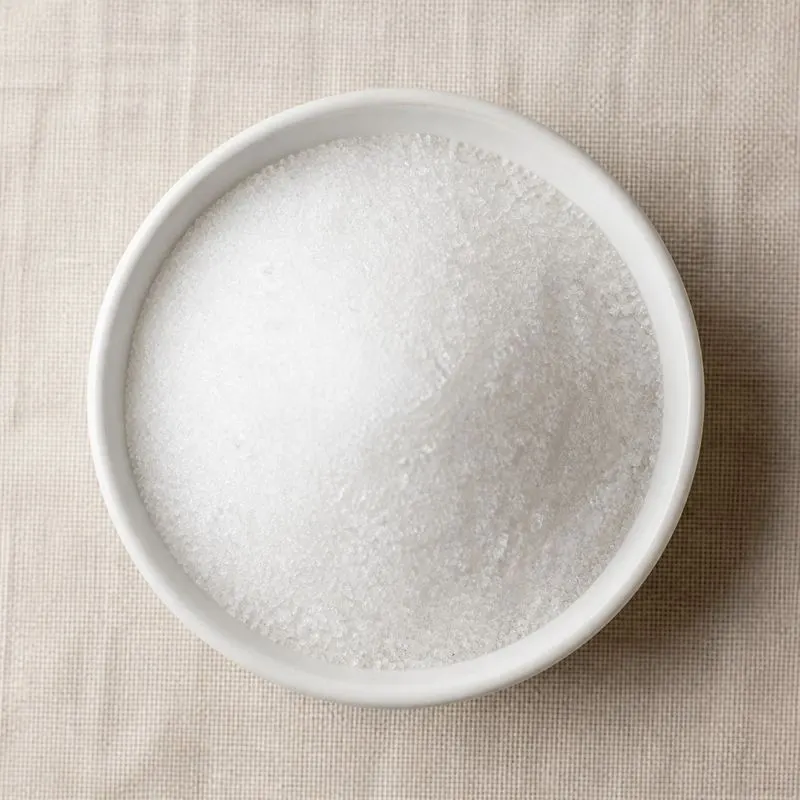
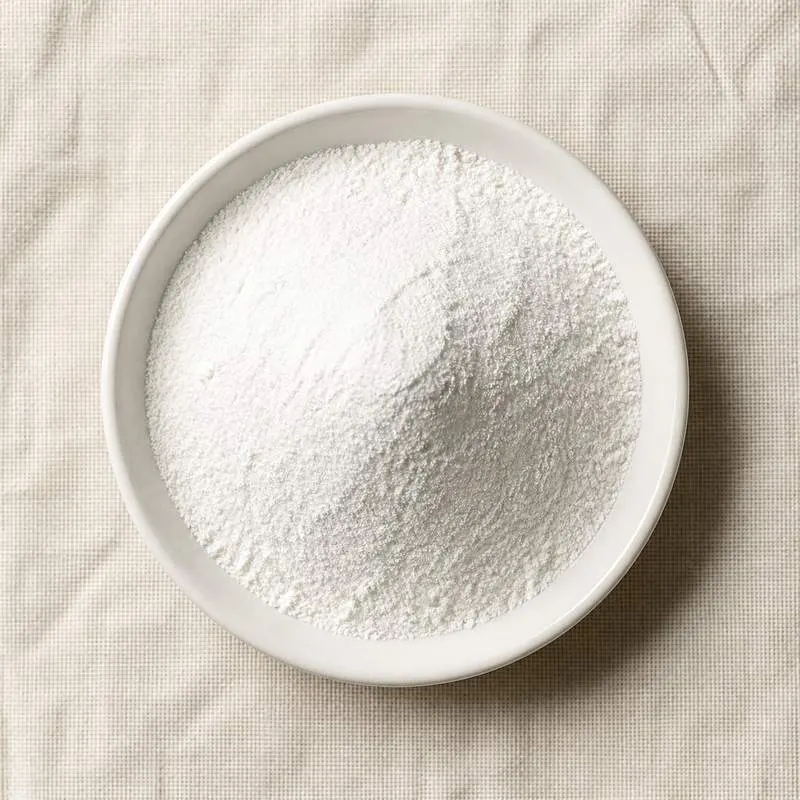
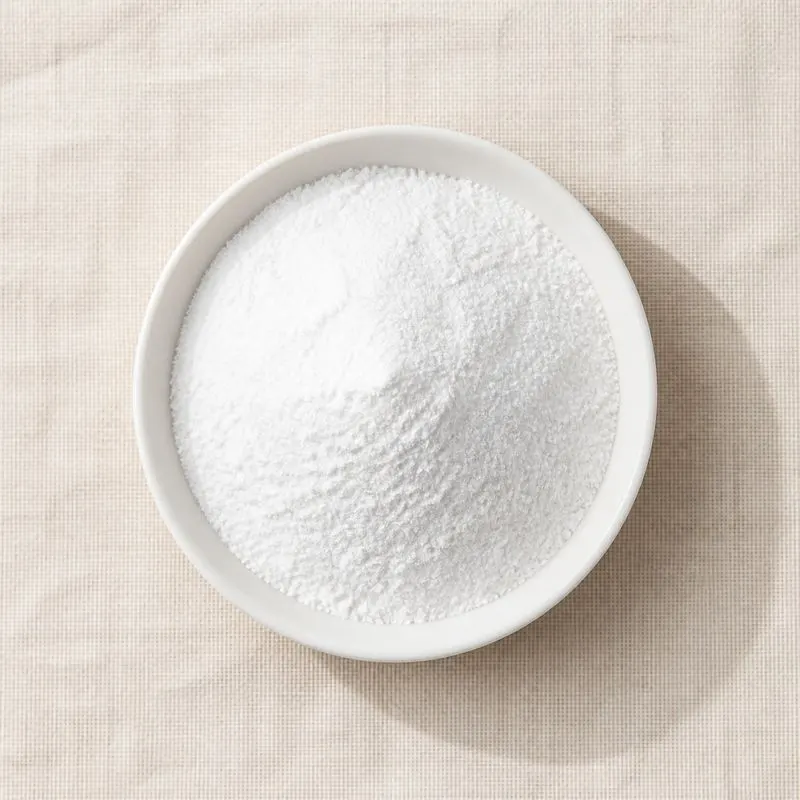
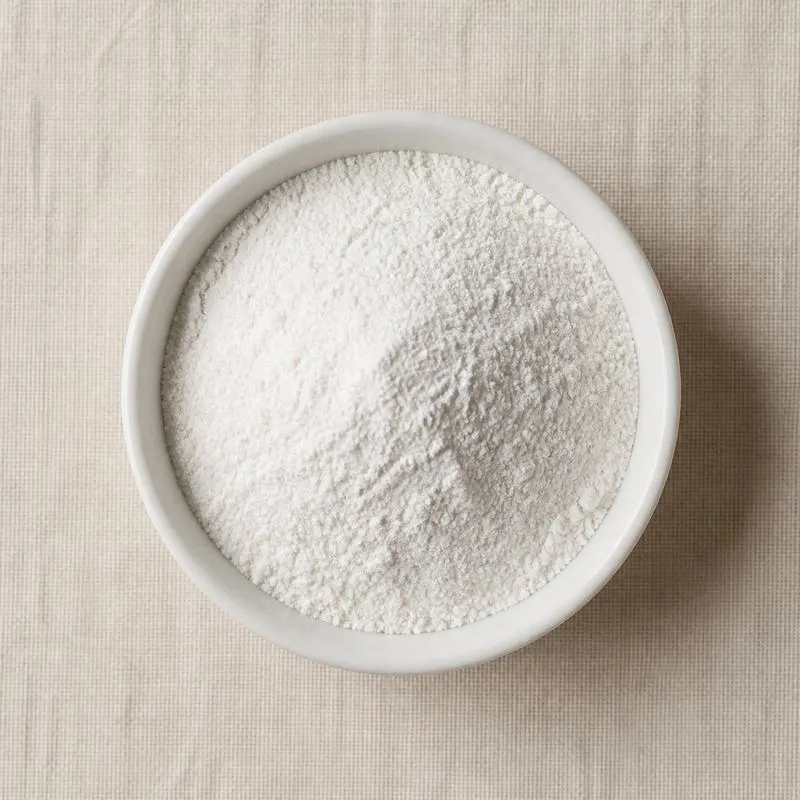
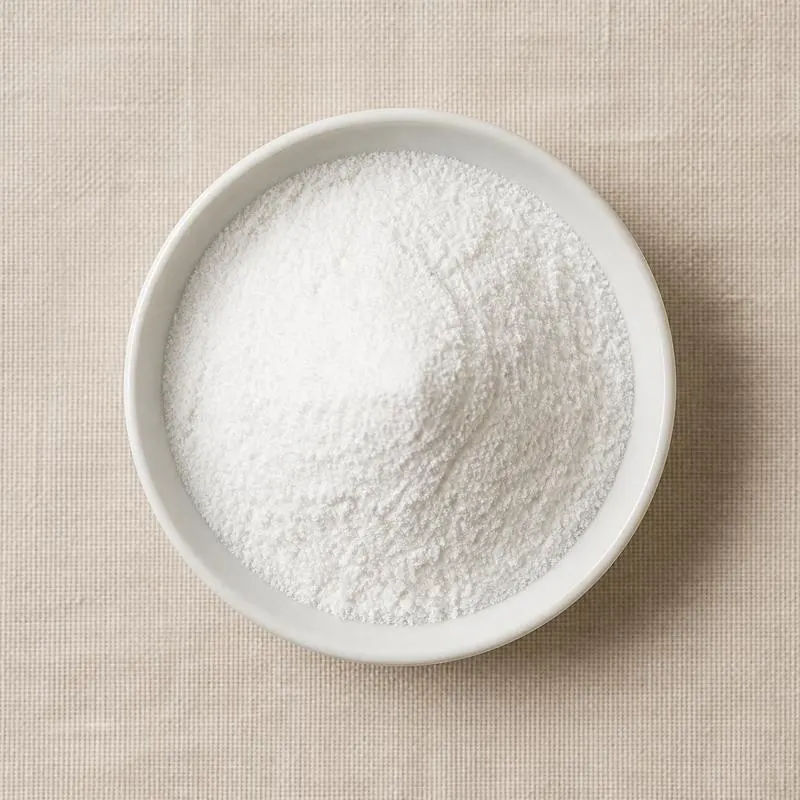
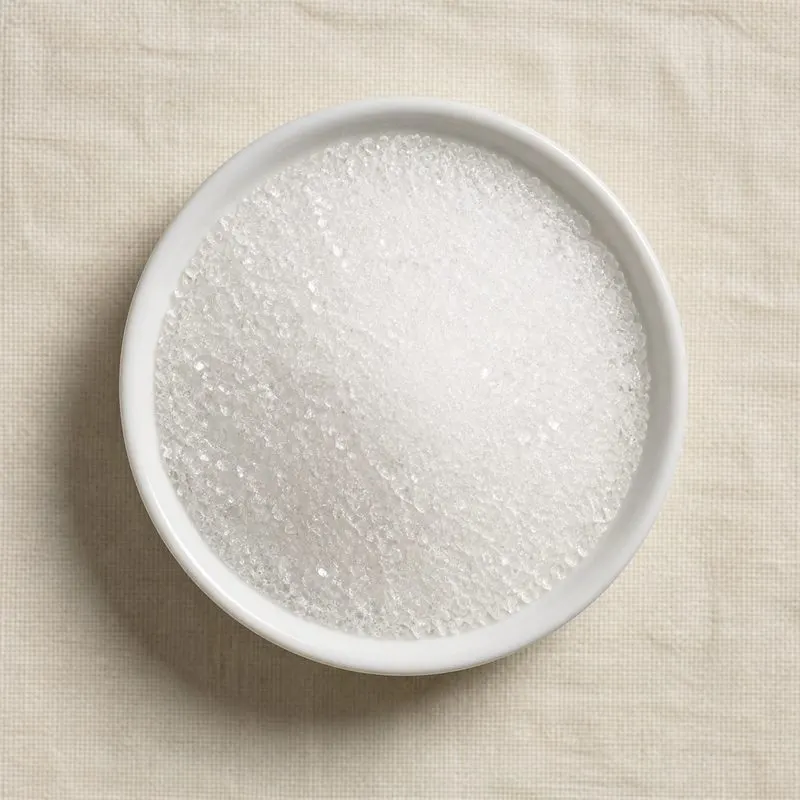
Potassium Bicarbonate is a white crystalline salt with the formula KHCO3, releasing carbon dioxide on heating or acidification and supplying a buffered source of potassium with no sodium contribution.
The compound (CAS 298-14-6, molar mass 100.12 g/mol) is moderately soluble in water and yields a mildly alkaline solution. It is the potassium counterpart to baking soda and behaves similarly in leavening and antacid chemistry.
We source bulk Potassium Bicarbonate from top China manufacturers for our partners. The manufacturer is in Jiangsu. A smaller requirement can ship in a combined container with other ingredients.
Please send the grade you need, the volume and your destination port, and we will come back with a solution and a price.
or call +86-21-6858 0751
- Packaging
- 25 kg kraft paper bag with PE inner liner
- ISO 9001
- HACCP
- Halal
- Kosher
Specifications
Grades / Types Available: Food Grade, Feed Grade, Pharmaceutical Grade
| Item | Specification |
|---|---|
| Appearance | White crystalline powder or granules |
| Assay | ≥ 99.0% |
| pH (1% solution) | 8.0-8.6 |
| Loss on Drying | ≤ 0.25% |
| Chloride | ≤ 0.01% |
| Sulfate | ≤ 0.003% |
| Heavy Metals (as Pb) | ≤ 5 mg/kg |
| Arsenic | ≤ 3 mg/kg |
| Purity (Food Grade) | 99.5% min |
| Moisture/Loss on Drying | 0.5% max |
| Particle Size/Mesh | 100% pass 80 mesh |
| Lead | 2 ppm max |
| Total Plate Count | 1000 cfu/g max |
| Yeast & Mold | 100 cfu/g max |
Common Markets Grades
Potassium Bicarbonate sells in four grades: food, pharmaceutical, wine and beverage, and technical.
Food grade meets FCC and E501(ii) at 99.0 to 100.5 percent assay, sold as fine crystals or milled powder for direct addition to dry mixes and effervescent blends.
USP and Ph. Eur. grades carry tighter limits on heavy metals, ammonium, and chloride, and are sold to manufacturers of effervescent tablets, antacids, and oral electrolyte formulas.
Wine and beverage grade starts from the food specification and adds qualification for tartrate stabilisation and pH correction in must and finished wine, with low iron content.
Technical and fire-suppression grade (Purple-K dry chemical) is a finer, hydrophobically coated powder optimised for Class B and C fire extinguishers.
Particle-size variants from 50 micron micronized powder through 0.5 to 2.0 mm granular crystals serve dishwasher tabs, bath salts, and direct compression tableting.
Applications
- Sodium-free leavening agent in cookies, crackers, and reduced-sodium bakery products
- Effervescent antacid and analgesic tablets, often paired with citric acid
- Oral potassium supplements and electrolyte replacement formulas
- Winemaking: pH adjustment of acidic musts and prevention of cold-stability tartrate haze
- Cocoa alkalization (Dutch processing) as a sodium-free alternative to potassium carbonate
- Carbon dioxide source in self-rising beverage mixes and powdered drink concentrates
- pH buffering in liquid laundry detergents, dishwasher tablets, and personal care
- Purple-K dry chemical fire extinguishers for flammable liquid and electrical fires
- Agricultural fungicide approved for organic powdery mildew control on grapes and vegetables
- Potassium fertilizer for chloride-sensitive crops including tobacco, citrus, and stone fruit
- Buffering agent in animal feed and ruminant rations to counter sub-acute acidosis
Brands Using Potassium Bicarbonate
Widely-distributed consumer products that list Potassium Bicarbonate on the ingredient label.
- Hain Pure FoodsFeatherweight Sodium-Free Baking Powder ↗Hain Featherweight Baking Powder panel: 'Monocalcium Phosphate, Potato Starch, Potassium Bicarbonate.' Sodium-free leavening (0 g sodium per serving), uses KHCO3 in place of NaHCO3.Label verified 2026-05-24
- NuunNuun Sport Hydration Tablets ↗Nuun Sport tablets list potassium bicarbonate among the leavening/effervescent base ingredients (with sodium bicarbonate and citric acid); supplies 150 mg potassium per serving alongside potassium chloride.Label verified 2026-05-24
Brand names, product names and logos are the property of their owners. They appear here as published evidence that the ingredient is used, taken from the brand's own label or website. Their appearance is not an endorsement, and it does not mean the brand buys from us or from any manufacturer listed on this site.
China Manufacturers of Potassium Bicarbonate
Top Potassium Bicarbonate manufacturers in China.

Company names and logos are the property of the manufacturers themselves. They are listed here because our own directory records them as producing this ingredient. A listing is not an endorsement by them, and we do not represent them or speak on their behalf.
How We Help Source Potassium Bicarbonate
Direct Factory Sourcing
We run the whole process: selecting the manufacturer from the top Chinese food ingredient producers, negotiating the price, verifying quality, and coordinating the logistics. You deal with us instead of with several factories at once.
Original Packaging and Documents from the Manufacturer
The manufacturer sends your Potassium Bicarbonate out of its own factory in the original packing, through to your destination port. The COA, COO, MSDS, TDS and any certifications reach you from the manufacturer as well.
Free Samples and Lead Time
We send 100 to 500 g free for your own laboratory to test and you cover only the courier, usually within 2 to 3 working days. ETD is usually within 7 to 15 days once the order is confirmed, and we check that date against the factory's own manufacturing schedule before we give it to you.
Combined Shipment
We can load Potassium Bicarbonate together with other ingredients such as Sodium Acetate, Calcium Citrate and Sodium Lactate into one 20' FCL. If your quantity is small, we can also ship LCL.
Regulatory Status
Potassium Bicarbonate is broadly cleared for food, pharmaceutical, and agricultural use.
In the European Union it is authorised as food additive E501(ii) under quantum satis principles as an acidity regulator, raising agent, and stabiliser. The Commission also lists it for oenological use under the wine regulations and approves it as a basic substance for organic plant protection.
The U.S. Food and Drug Administration affirms it as GRAS under 21 CFR 184.1613 for use as a formulation aid, leavening agent, nutrient supplement, and pH control agent. The U.S. Environmental Protection Agency exempts it from residue tolerance for use as a fungicide on growing crops.
Pharmacopoeial monographs appear in the USP, Ph. Eur., and JP. JECFA has assigned it an ADI not specified, the most permissive category, when used as a food additive.
The substance is accepted in organic food production under the USDA NOP and EU organic regulations, and Halal and Kosher certifications are routine.
Manufacturing Process
Potassium bicarbonate is made by carbonation of potassium carbonate or potassium hydroxide solution.
The standard route bubbles carbon dioxide (recovered from ammonia plants, fermentation, or flue gas) through a saturated solution of K2CO3 at 30 to 60 degrees Celsius. The bicarbonate is less soluble than the carbonate and crystallises out as it forms. Crystals are centrifuged, washed, and gently dried below 100 degrees Celsius to avoid decomposition back to the carbonate.
The potassium carbonate feedstock is itself produced by the Engel-Precht process or by carbonation of KOH electrolyzed from purified potassium chloride brine. Most modern plants are co-located with chlor-alkali operations that already produce KOH.
For pharmaceutical use the wet cake is recrystallised from deionized water, dried under controlled humidity, and milled to a defined particle distribution. Fire-extinguisher grade is post-treated with a hydrophobic silicone coating to keep the powder free-flowing in storage.