Potassium Diacetate
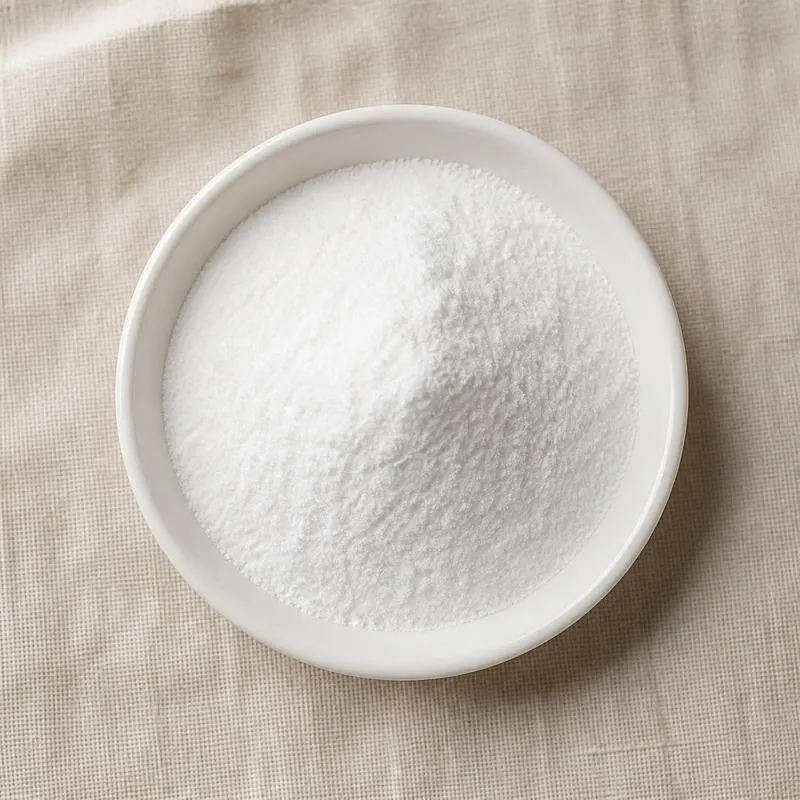
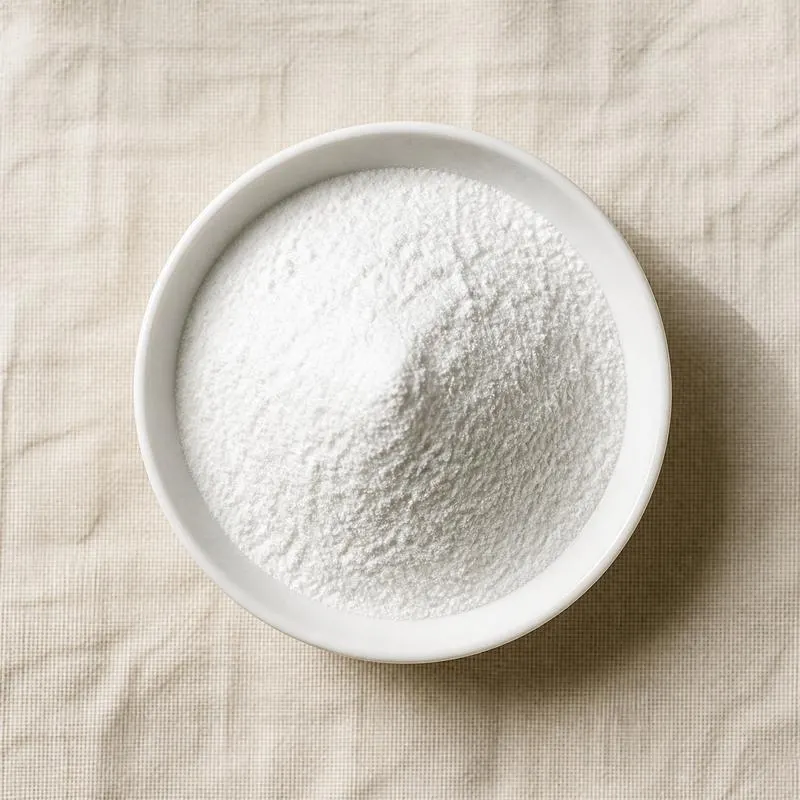
Potassium diacetate is a molecular compound of potassium acetate and acetic acid in equimolar proportion, written as CH3COOK·CH3COOH, with a molar mass of 158.20 g/mol. It is not a simple mixture: the acetate ion and the acetic acid molecule are held together by a strong hydrogen bond in the crystal, which is why the material behaves as a stable free flowing solid rather than as a damp salt wetted with acid.
In food it works as an antimicrobial and pH control agent. The undissociated acetic acid it releases is the active form, crossing microbial cell membranes and acidifying the cytoplasm, and it is particularly effective against Listeria monocytogenes in ready to eat meat, which is its largest single application. It also contributes the sharp note of vinegar, and it is the acid component of salt and vinegar seasoning systems.
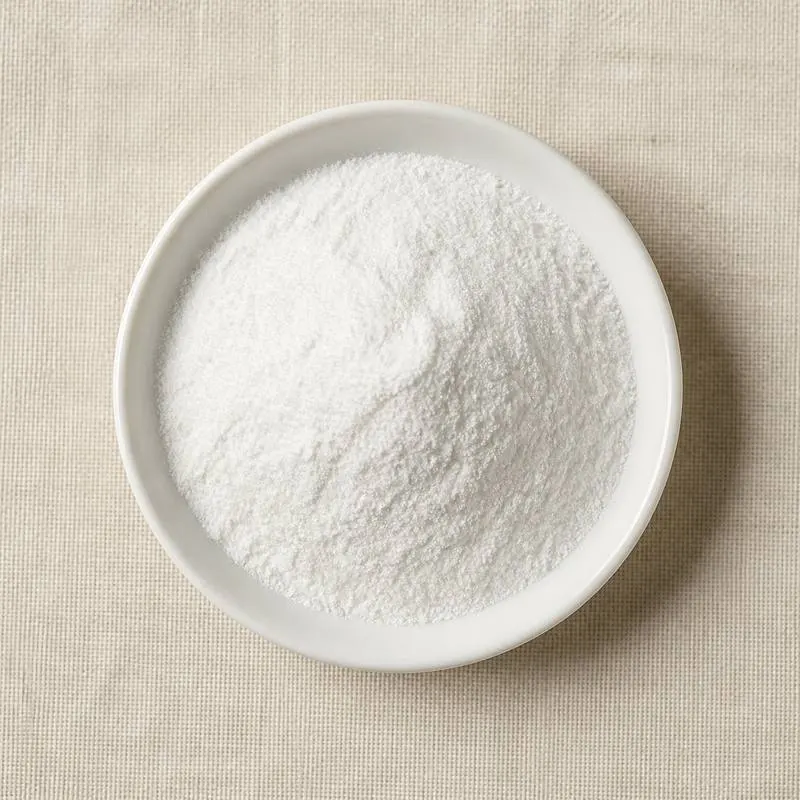
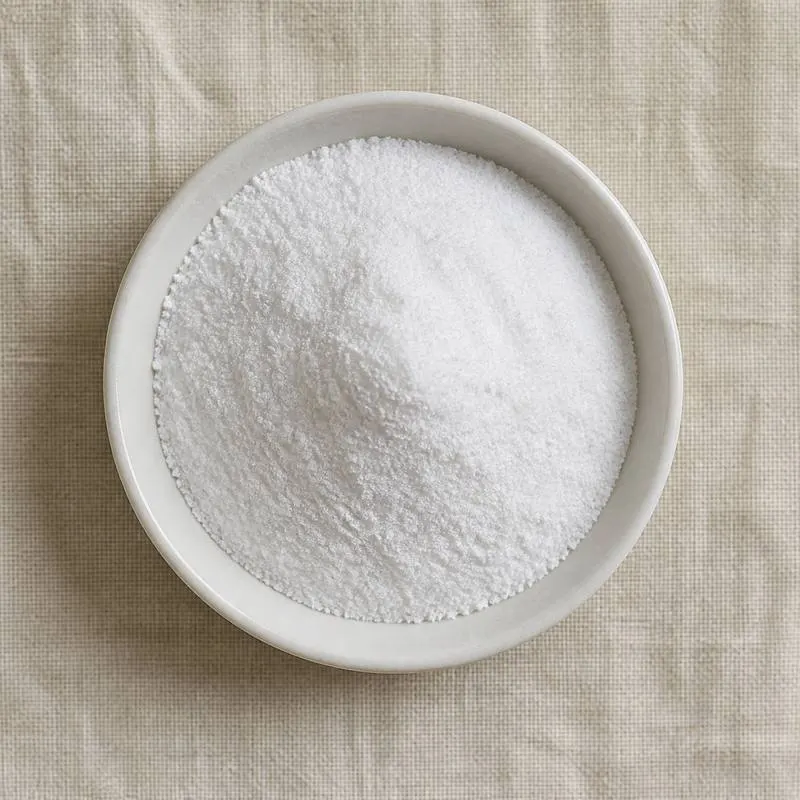
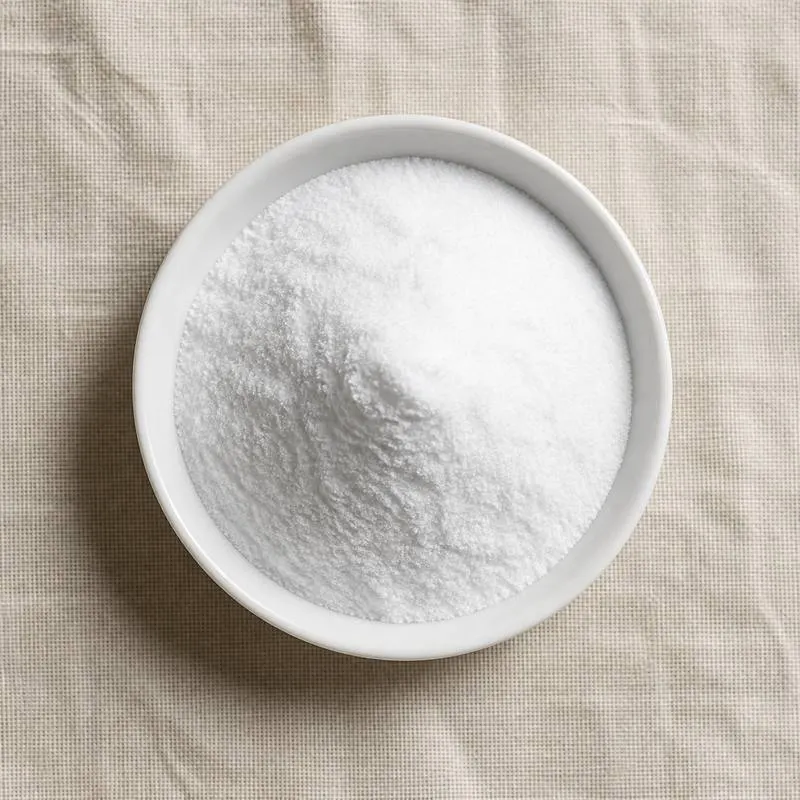
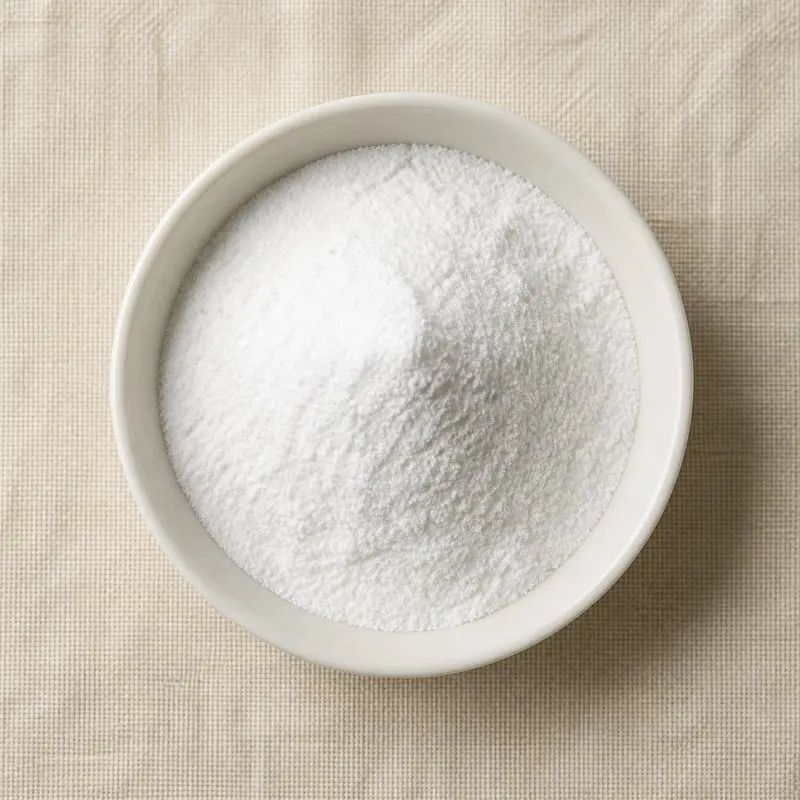
The commercial article is a white crystalline powder or granule with a distinct acetic odour, freely soluble in water at around 100 grams per 100 millilitres and soluble in ethanol. A one percent solution sits near pH 4.5 to 5. The material is hygroscopic and cakes readily, and it slowly loses acetic acid on open storage, so it is packed in moisture tight containers and handled in dry conditions.
We source bulk Potassium Diacetate from top China manufacturers for our partners. The manufacturers are in Jiangsu and Anhui. A smaller requirement can ship in a combined container with other ingredients.
Please send the grade you need, the volume and your destination port, and we will come back with a solution and a price.
or call +86-21-6858 0751
- Function
- Preservative
Specifications
| Item | Specification |
|---|---|
| Appearance | White crystalline powder or granule |
| Odour | Characteristic acetic |
| Assay as Potassium Diacetate | ≥ 98.0% |
| Free Acetic Acid | 39.0 to 41.0% |
| Potassium Acetate | 58.0 to 60.0% |
| Identification | Positive for potassium and for acetate |
| pH of 10% solution | 4.5 to 5.0 |
| Loss on Drying at 105°C | ≤ 1.0% |
| Water Insoluble Matter | ≤ 0.02% |
| Formic Acid and Oxidisable Impurities | ≤ 0.05% |
| Chloride | ≤ 0.05% |
| Sulphate | ≤ 0.05% |
| Heavy Metals (as Pb) | ≤ 10 mg/kg |
| Lead | ≤ 2.0 mg/kg |
| Arsenic | ≤ 3.0 mg/kg |
| Mercury | ≤ 1.0 mg/kg |
Common Markets Grades
Food grade potassium diacetate is the principal article and is traded on assay expressed as free acetic acid and combined acetate, typically 39 to 41 percent free acid and 58 to 60 percent potassium acetate, since a specification quoted only as a single percentage does not describe the compound. Powder and granular forms are offered, and the granular form is preferred in dry blending because it segregates less and picks up less moisture.
Solution grades at 25 to 60 percent in water are used for injection brines and for direct dosing into wet meat systems, where handling a liquid is easier than dispersing a hygroscopic solid. Blended antimicrobial systems combining potassium diacetate with potassium lactate are the standard commercial offer in the meat trade, quoted on the ratio of the two, since the lactate provides sustained inhibition and the diacetate the sharper immediate effect. Technical and de-icing grades of potassium acetate exist for other industries and are not interchangeable with the food article.
Applications
- Ready to eat meat and poultry, where it is the standard listeria control agent in frankfurters, deli meat and cooked sausage
- Injection brines and marinades for whole muscle products, dosed as a solution alongside potassium lactate
- Salt and vinegar seasonings for crisps and extruded snacks, supplying acetic sharpness as a dry powder
- Bread and baked goods, where it acts as a mould and rope inhibitor without the sodium of the equivalent sodium salt
- Sodium reduced formulations, replacing sodium diacetate where the sodium contribution must be cut
- Prepared salads, sandwich fillings and chilled ready meals as a shelf life extender
- Sauces, dressings and condiments, contributing both preservation and vinegar character
- Cheese and processed cheese products, used for pH control and mould inhibition
- Pet food and animal feed, where it functions as an acidifier and preservative
- Fish and seafood products, where it limits spoilage organisms in chilled distribution
China Manufacturers of Potassium Diacetate
Top Potassium Diacetate manufacturers in China.
 Lianyungang Tongyuan Biotechnology Co., Ltd.11 ingredients in the directory
- SUNRISE FOOD INGREDIENTS (HUAI NAN) Co., Ltd.5 ingredients in the directory
Company names and logos are the property of the manufacturers themselves. They are listed here because our own directory records them as producing this ingredient. A listing is not an endorsement by them, and we do not represent them or speak on their behalf.
Regulatory Status
In the United States potassium diacetate is used in food as an antimicrobial and flavouring agent on a generally recognised as safe basis, in parallel with sodium diacetate, which is affirmed as generally recognised as safe under 21 CFR 184.1754. For meat and poultry the responsible authority is the Food Safety and Inspection Service, which lists potassium diacetate among the substances permitted in meat and poultry products in its directive on safe and suitable ingredients, with the permitted use levels and the functional purpose stated there. Labelling declares the substance by name, and where it is used as an antimicrobial rather than a flavouring the label statement must reflect that function.
In the European Union potassium acetates are authorised food additives under Regulation 1333/2008 with the number E 261, and the specifications in Regulation 231/2012 distinguish potassium acetate as E 261(i) from potassium diacetate as E 261(ii), setting separate purity criteria for each. The additive is permitted in a range of food categories, in many cases at quantum satis. The Joint FAO WHO Expert Committee has evaluated acetic acid and its potassium and sodium salts and placed them in the group of substances not requiring a numerical limit, and Codex includes potassium acetates in its general standard for food additives.
Manufacturing Process
The compound is made by partially neutralising glacial acetic acid with a potassium base, most often potassium hydroxide or potassium carbonate, in a controlled stoichiometric ratio of one mole of base to two moles of acid. The neutralisation is strongly exothermic and is run in a jacketed vessel with cooling and with the base added gradually to the acid so that local overheating and loss of acetic acid vapour are avoided. Where potassium carbonate is used, carbon dioxide is evolved and vented.
The resulting solution is held at the target ratio, verified by titrating free acid and total acetate, and then crystallised. The usual route is to remove water under vacuum at moderate temperature until the solution is supersaturated, then cool with controlled agitation so that the diacetate crystallises as a defined solid rather than as a sticky mass. Crystals are recovered on a centrifuge or filter, dried in a fluid bed or vacuum drier under conditions dry enough to prevent hydrolysis but mild enough to avoid driving off acetic acid, then screened to the specified particle size. Fines are recycled, and the finished powder is assayed, metal checked and packed in moisture tight lined drums or bags. Solution grades skip the crystallisation step and are simply standardised, filtered and filled.