Potassium Acetate
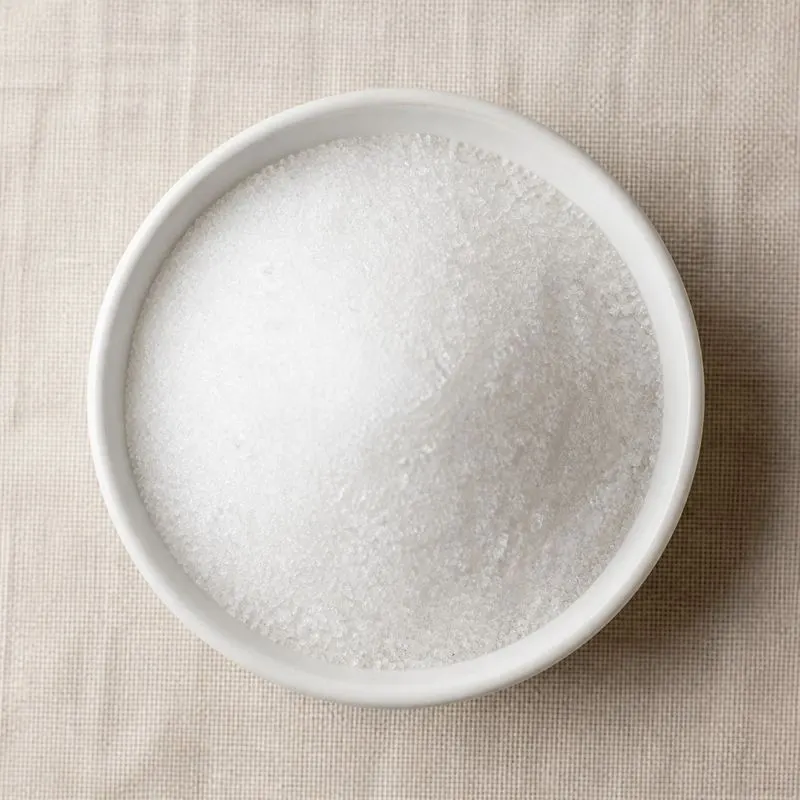
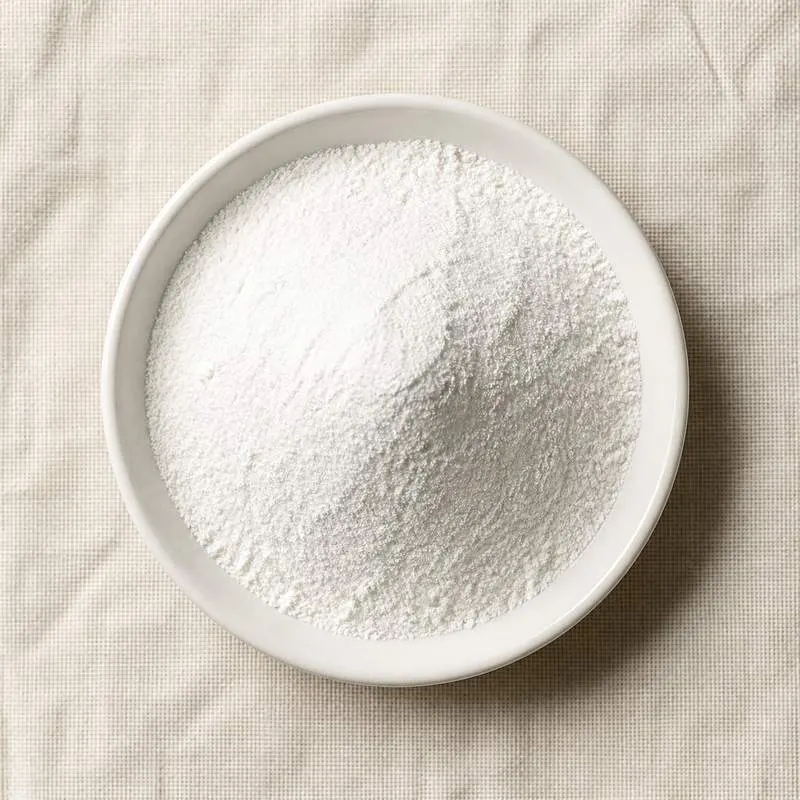
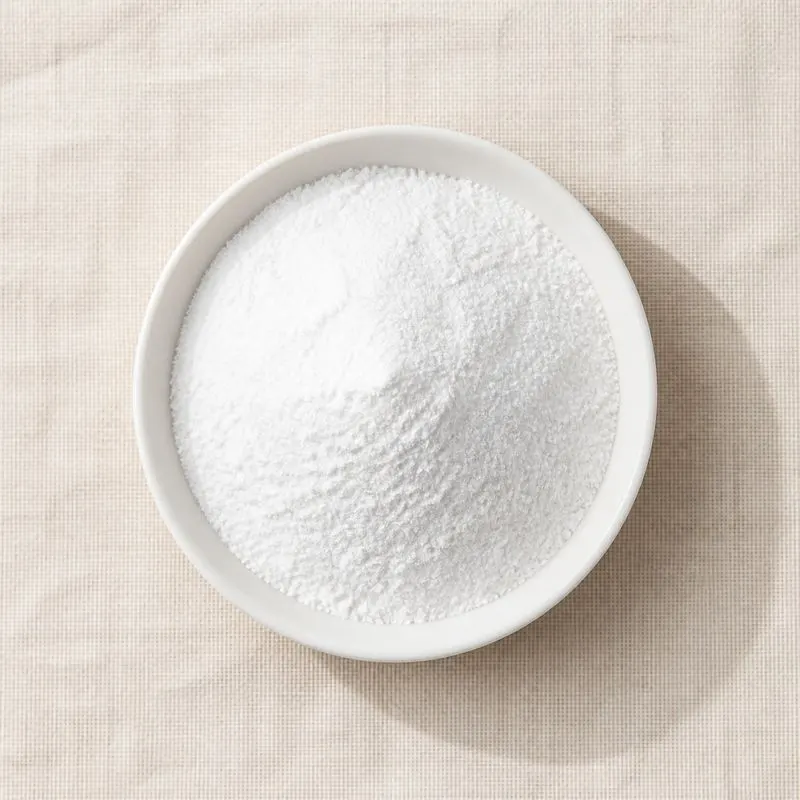
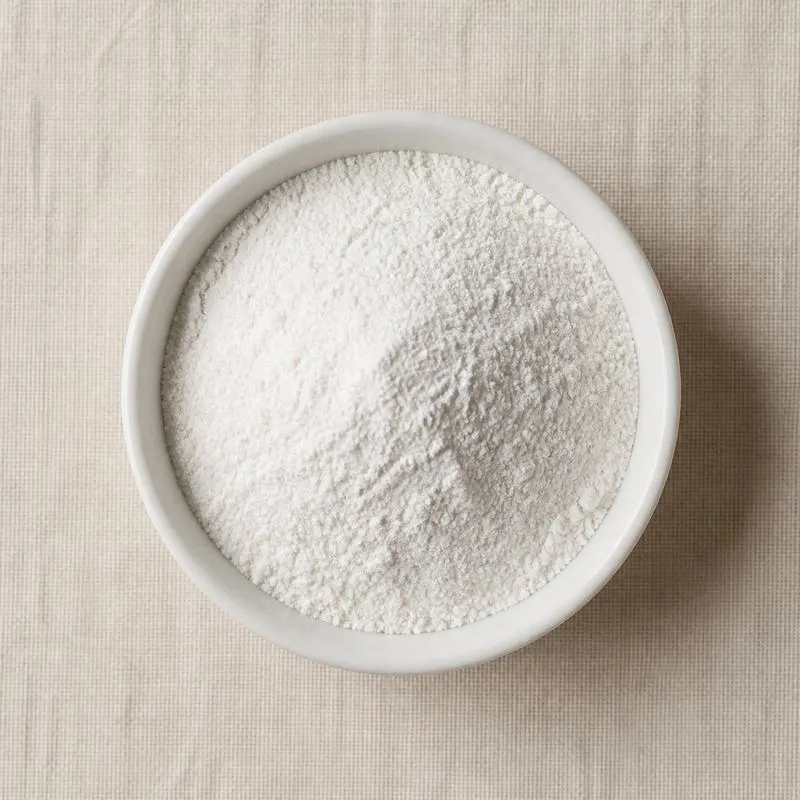
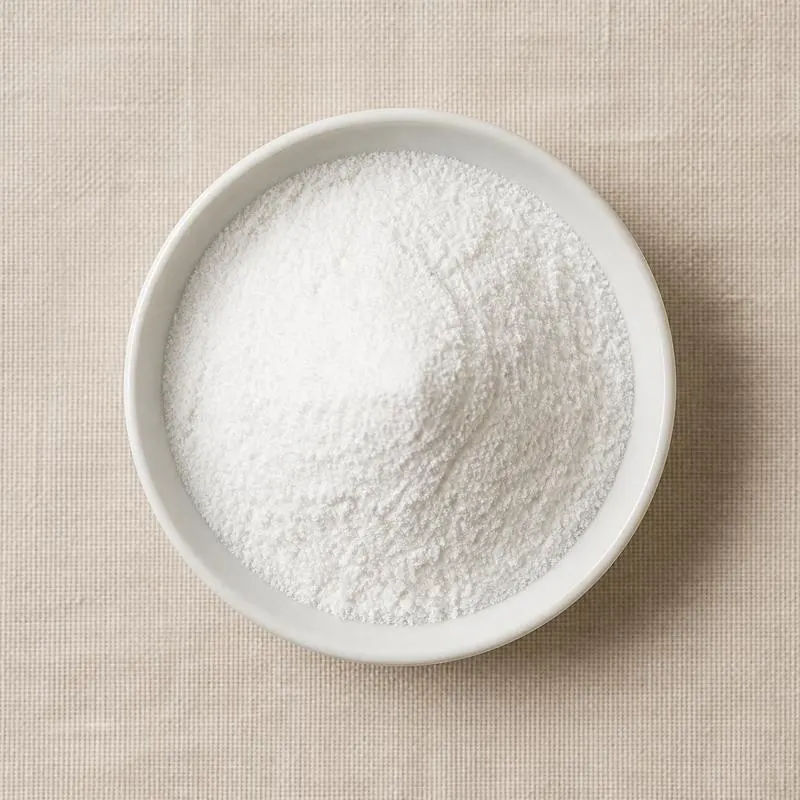
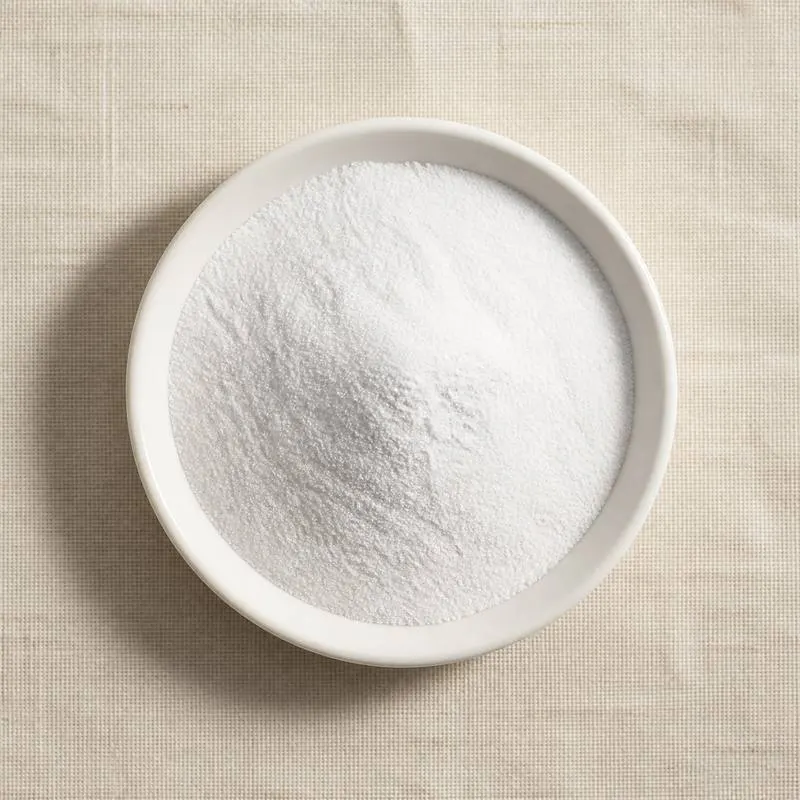
Potassium Acetate is the potassium salt of acetic acid with the formula CH3COOK. It is a white, deliquescent crystalline solid with a faintly vinegar-like aroma and very high solubility in water.
The compound (CAS 127-08-2, molar mass 98.14 g/mol) yields a near-neutral to mildly alkaline solution and acts as a weak buffer in the pH 4 to 6 range. Its hygroscopicity, low freezing depression, and low corrosivity drive applications from runway de-icing to medical infusion.
We source bulk Potassium Acetate from top China manufacturers for our partners, working with several of them. The manufacturers are in Jiangsu and Shandong. For this ingredient the minimum order is 500 kg and a 20-foot container takes 23 MT, and a smaller requirement can ship in a combined container with other ingredients.
Please send the grade you need, the volume and your destination port, and we will come back with a solution and a price.
or call +86-21-6858 0751
- Minimum order
- 500 kg
- Qty in 20' FCL
- 23 MT
- Packaging
- 25 kg kraft paper bag with PE inner liner
- ISO 9001
- HACCP
- Halal
- Kosher
Specifications
| Item | Specification |
|---|---|
| Appearance | White deliquescent crystals or powder |
| Assay (dry basis) | 99.0% to 100.5% |
| Loss on drying | ≤ 7.0% |
| pH (5% solution) | 7.5 to 9.0 |
| Chloride | ≤ 100 mg/kg |
| Sulphate | ≤ 100 mg/kg |
| Heavy metals (as Pb) | ≤ 5 mg/kg |
| Arsenic | ≤ 3 mg/kg |
| Iron | ≤ 10 mg/kg |
Common Markets Grades
Potassium Acetate reaches the market both as anhydrous crystals and as aqueous solutions.
Food grade meets FCC and E261 specifications at 99 percent assay (dry basis) and comes as flake or powder for preservative and pH-control use.
USP and Ph. Eur. grades carry tighter heavy-metal and microbiological limits and are produced for hemodialysis concentrate, parenteral nutrition, and replacement-fluid formulation.
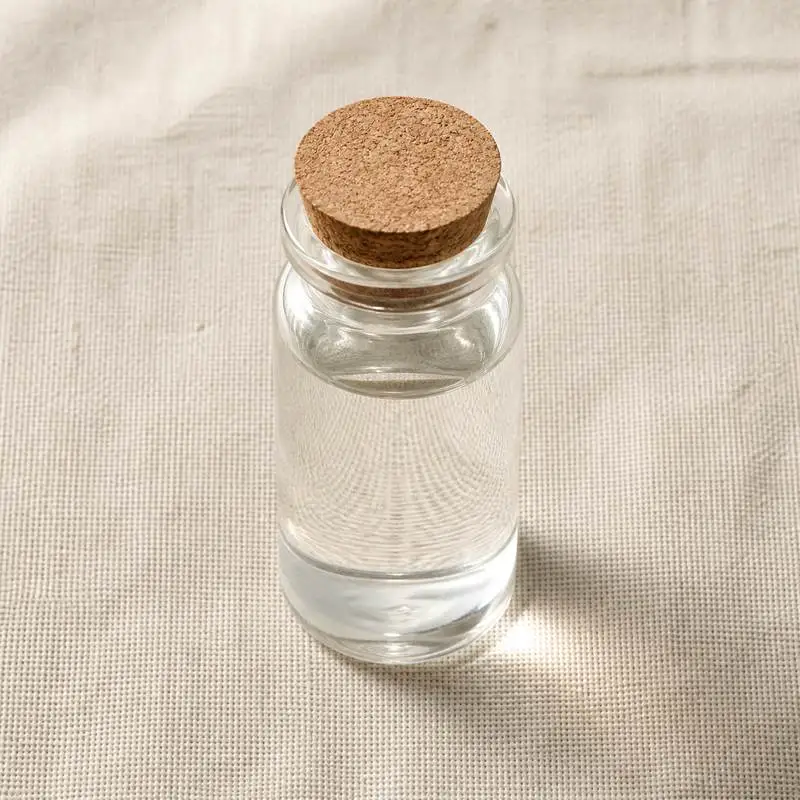
The most widely sold technical grade is a 50 percent w/w aqueous solution stabilised with a corrosion inhibitor for airport runway and aircraft de-icing. A 70 percent solution is the standard concentrate for further dilution by transport authorities.
A formate-blended grade (potassium acetate plus potassium formate) is used where lower viscosity at extreme cold is required.
Reagent grade at 99.5 percent plus is produced for laboratory buffer preparation and as a precipitant in plasmid DNA isolation kits.
Applications
- Aircraft and runway de-icing fluid, replacing urea and glycol formulations at major airports
- Concrete pavement de-icing where chloride attack on rebar must be avoided
- Hemodialysis and continuous renal replacement therapy as an alkalinizing buffer alternative to bicarbonate
- Parenteral nutrition and IV electrolyte concentrates for potassium repletion
- Treatment of severe diabetic ketoacidosis as part of balanced electrolyte protocols
- Food preservative and pH-control agent in dressings, baked goods, and processed meat
- Acidity regulator in soft drinks, jelly, and confectionery
- Plasmid DNA and RNA precipitation reagent in molecular biology kits
- Catalyst and acid scavenger in polyurethane foam manufacture
- Component of fire suppression liquids for commercial kitchen Class K fires
- Tobacco curing additive to promote even burn rate
Brands Using Potassium Acetate
Widely-distributed consumer products that list Potassium Acetate on the ingredient label.
- Pfizer (Hospira)Potassium Acetate Injection, USP (2 mEq/mL) ↗Hospira/Pfizer Potassium Acetate Injection, USP: each 20 mL vial provides 3.93 g potassium acetate (40 mEq K+ and 40 mEq acetate); IV electrolyte replenisher for hypokalemia after dilution into large-volume parenteral fluids.Label verified 2026-05-24
- Cryotech Deicing TechnologyCryotech CF7 Liquid Runway/Pavement Deicer ↗Cryotech CF7 is a 50% aqueous potassium acetate solution; non-chloride liquid runway/commercial deicer effective to -25 degrees F, widely used at airports for anti-icing and deicing.Label verified 2026-05-24
Brand names, product names and logos are the property of their owners. They appear here as published evidence that the ingredient is used, taken from the brand's own label or website. Their appearance is not an endorsement, and it does not mean the brand buys from us or from any manufacturer listed on this site.
China Manufacturers of Potassium Acetate
Top Potassium Acetate manufacturers in China.
 Lianyungang Nuoxin Food Ingredient Co., Ltd.13 ingredients in the directory
 Lianyungang Tongyuan Biotechnology Co., Ltd.11 ingredients in the directory
 Tengzhou Aolong Chemical Co., Ltd.12 ingredients in the directory
Company names and logos are the property of the manufacturers themselves. They are listed here because our own directory records them as producing this ingredient. A listing is not an endorsement by them, and we do not represent them or speak on their behalf.
How We Help Source Potassium Acetate
Direct Factory Sourcing
We run the whole process: selecting the manufacturer from the top Chinese food ingredient producers, negotiating the price, verifying quality, and coordinating the logistics. You deal with us instead of with several factories at once.
Original Packaging and Documents from the Manufacturer
The manufacturer sends your Potassium Acetate out of its own factory in the original packing, through to your destination port. The COA, COO, MSDS, TDS and any certifications reach you from the manufacturer as well.
Free Samples and Lead Time
We send 100 to 500 g free for your own laboratory to test and you cover only the courier, usually within 2 to 3 working days. ETD is usually within 7 to 15 days once the order is confirmed, and we check that date against the factory's own manufacturing schedule before we give it to you.
Combined Shipment
We can load Potassium Acetate together with other ingredients such as Sodium Acetate, Calcium Citrate and Sodium Lactate into one 20' FCL. If your quantity is small, we can also ship LCL.
Regulatory Status
Potassium Acetate is broadly cleared for food, pharmaceutical, and industrial use.
In the European Union it is authorised as food additive E261 (covering potassium acetate and potassium diacetate) at quantum satis levels as a preservative and acidity regulator.
The U.S. Food and Drug Administration affirms it as GRAS under 21 CFR 184.1639 for use as a flavouring agent and pH control agent. The U.S. Pharmacopeia carries a monograph for the parenteral injection form.
JECFA has assigned an ADI not specified to the acetate group, and the substance is approved for organic food production under both USDA NOP and EU organic regulations.
For airport de-icer use the SAE AMS 1435 specification sets the requirements for anti-icing fluid performance and Federal Aviation Administration acceptance. Halal and Kosher certifications are standard.
Manufacturing Process
Potassium Acetate is made by neutralising acetic acid with a potassium base.
The dominant industrial route reacts glacial or 99 percent acetic acid with potassium hydroxide or potassium carbonate in stoichiometric proportions. The reaction is exothermic and is run in stirred reactors with cooling, then concentrated by evaporation to either crystalline product or directly to the 50 percent commercial solution.
Anhydrous flake or powder is produced by spray-drying or drum-drying the saturated solution under controlled humidity to avoid pickup of atmospheric water. The product is immediately packed in moisture-barrier bags or steel drums with desiccant.
Pharmaceutical grade is recrystallised from purified water and ethanol mixtures, dried, and packed in nitrogen-blanketed containers. Final material is sterilised by gamma irradiation or by aseptic processing of the dissolved injection solution.
De-icer grade is post-blended with proprietary corrosion inhibitors, defoamers, and dyes by transport-authority specification.