Potassium L-Aspartate
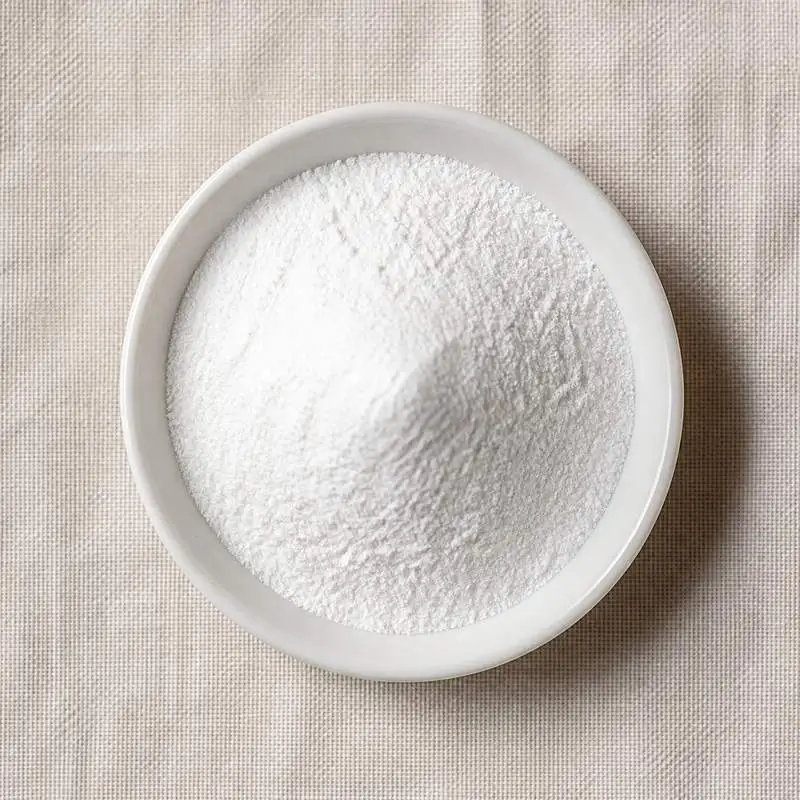
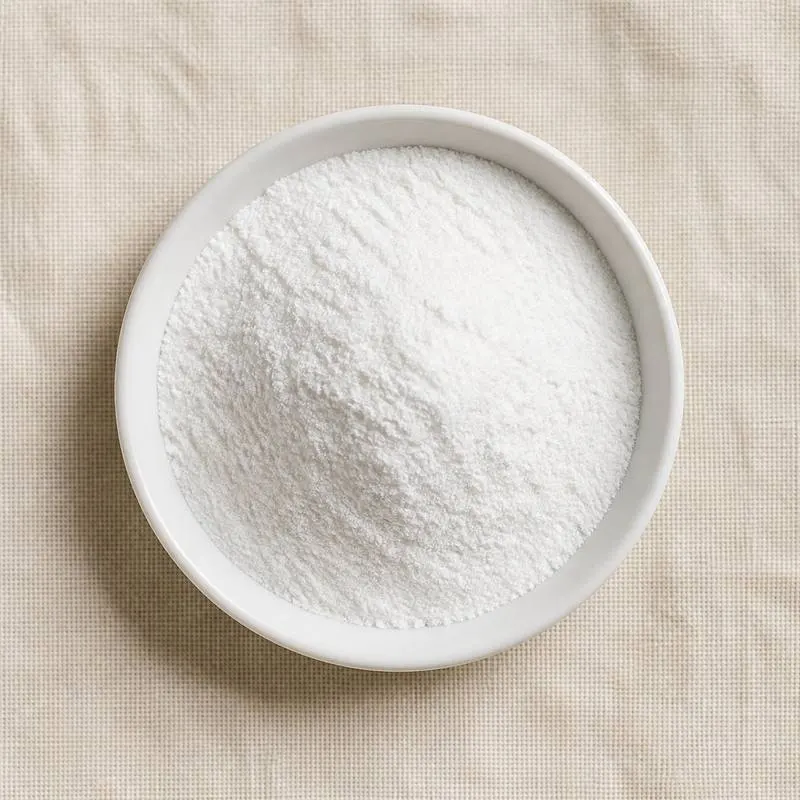
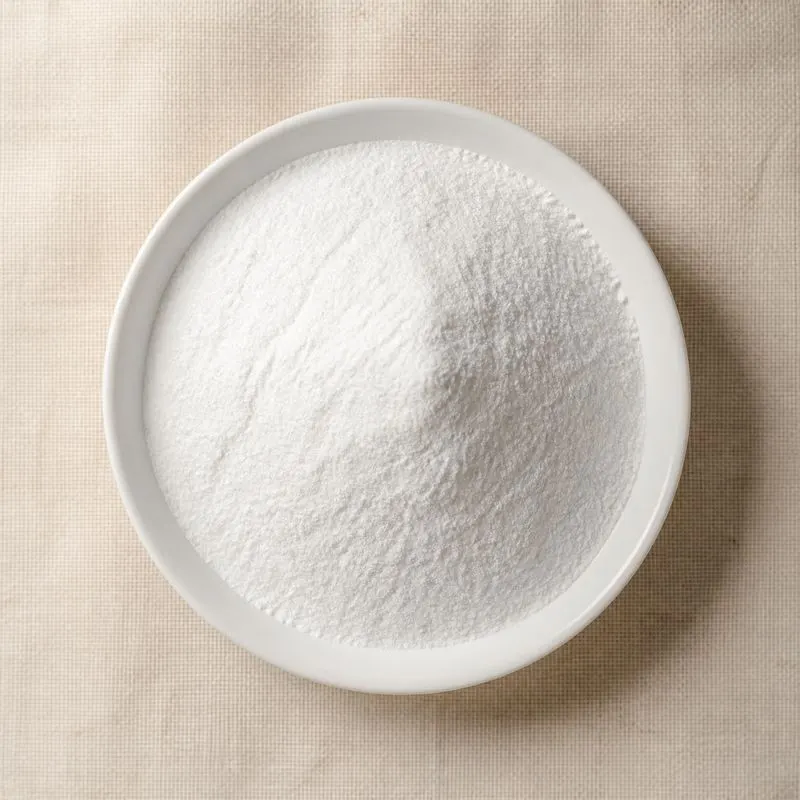
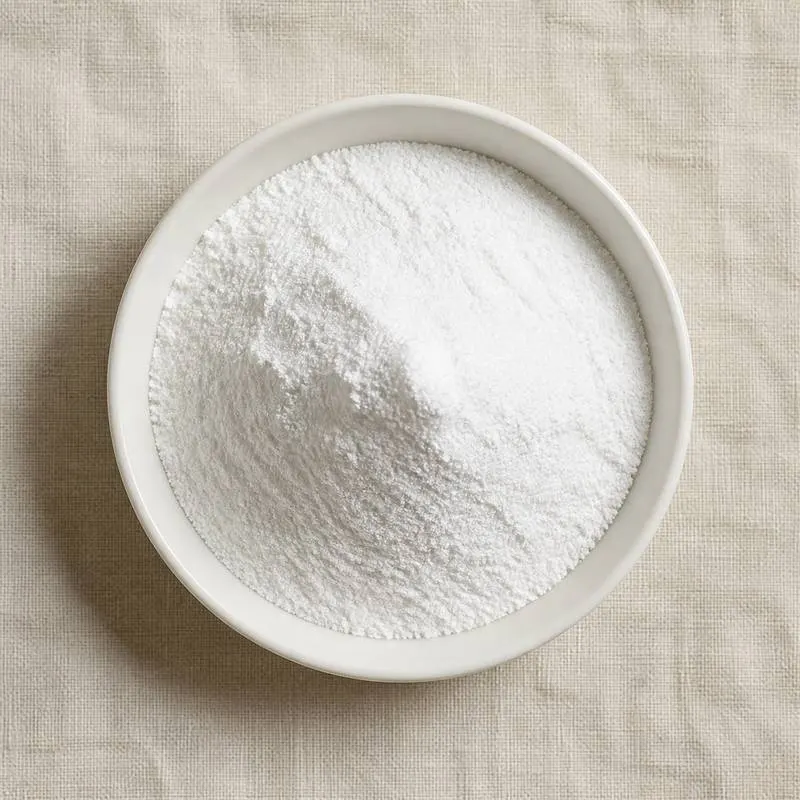
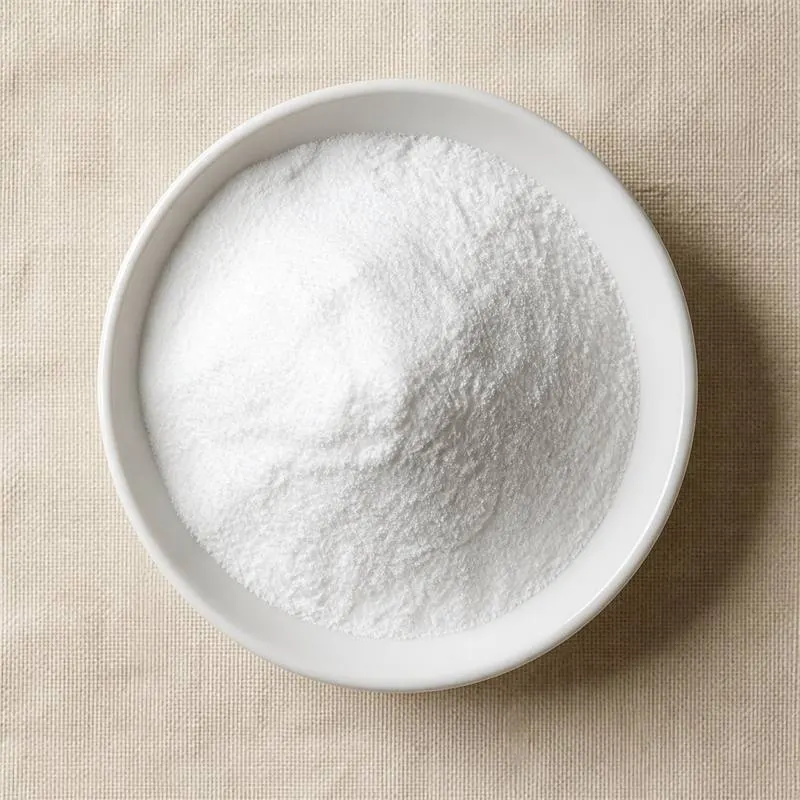
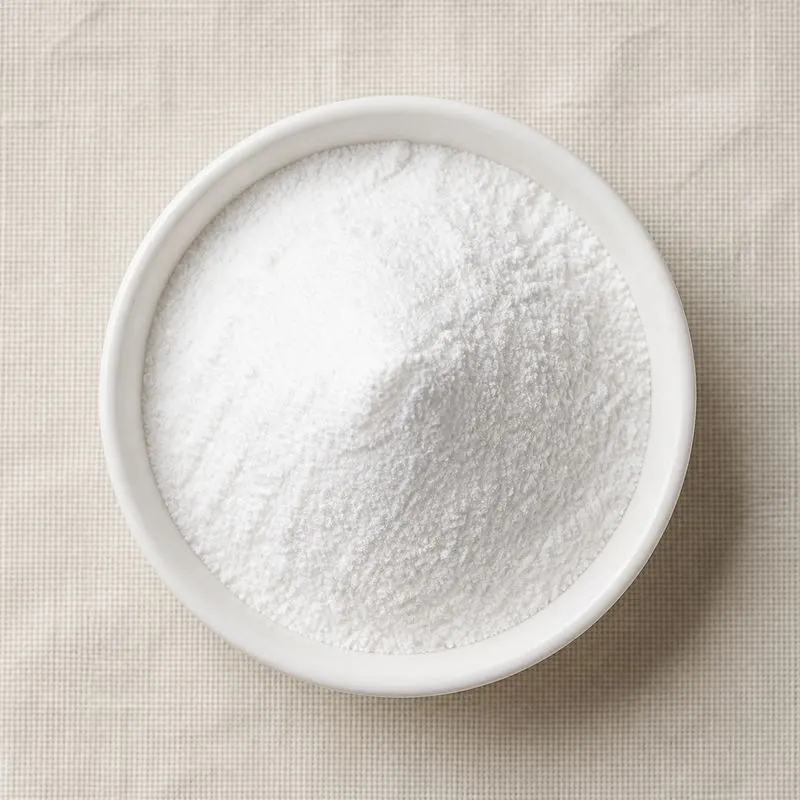
Potassium L-aspartate is the mono potassium salt of L-aspartic acid, a dicarboxylic amino acid. It is a white crystalline powder that is usually traded as the hemihydrate.
The salt is freely soluble in water, dissolving to a clear, nearly neutral solution with a mild saline and slightly umami taste that is far less harsh than potassium chloride. That taste behaviour is the main reason it is chosen over inorganic potassium salts in oral products, since potassium chloride contributes a metallic bitterness that has to be masked. Elemental potassium accounts for roughly a fifth of the molecular weight.
As a solid the material is stable and only mildly hygroscopic, tolerating normal blending, drying and tabletting. In solution it is stable across the pH range used in beverages and rehydration drinks, and it does not brown on heat treatment at the levels used, although the free amino group means it can take part in Maillard reactions in concentrated systems held hot for extended periods.
We source bulk Potassium L-Aspartate from top China manufacturers for our partners. The manufacturer is in Hebei. A smaller requirement can ship in a combined container with other ingredients.
Please send the grade you need, the volume and your destination port, and we will come back with a solution and a price.
or call +86-21-6858 0751
- Function
- Amino acid
Specifications
| Item | Specification |
|---|---|
| Appearance | White crystalline powder |
| Identification | Conforms by infrared spectrum and potassium flame test |
| Assay (on anhydrous basis) | 98.0 to 101.0% |
| Specific rotation | Plus 20.0 to plus 24.0 degrees |
| Water content | Not more than 5.5%, hemihydrate |
| pH (5% aqueous solution) | 6.0 to 8.0 |
| Chloride | Not more than 0.05% |
| Sulphate | Not more than 0.03% |
| Ammonium | Not more than 0.02% |
| Heavy metals (as Pb) | Not more than 10 mg/kg |
| Lead | Not more than 1.0 mg/kg |
| Arsenic | Not more than 1.0 mg/kg |
| Total plate count | Not more than 1,000 cfu/g |
| Salmonella | Absent in 25 g |
Common Markets Grades
The material is offered as a food and supplement grade and as a pharmaceutical grade, both assaying not less than 98 or 99 percent on the anhydrous basis. The pharmaceutical grade differs chiefly in documentation and impurity control, carrying residual solvent data, elemental impurity profiling and tighter limits on related amino acids, and is used where the salt goes into an infusion or an oral medicinal product.
Anhydrous and hemihydrate forms are both traded, and the water of crystallisation has to be allowed for when dosing on elemental potassium. Particle size is available as a standard crystalline powder for solution making and as a milled fine grade for dry blending and capsule filling, with a granulated version where direct compression flow is needed.
Applications
- Oral rehydration and electrolyte drinks, as a potassium source that avoids the metallic bitterness of potassium chloride
- Sports drinks and endurance gels replacing potassium lost in sweat
- Mineral supplement tablets and capsules, often paired with magnesium aspartate in the same formula
- Reduced sodium seasonings and salt replacers, contributing potassium with a softer taste profile
- Effervescent tablets and granules where a readily soluble potassium salt is required
- Clinical and enteral nutrition formulas needing a defined electrolyte pattern
- Parenteral and infusion solutions in the pharmaceutical grade
- Cell culture and fermentation media as a combined potassium and amino nitrogen source
China Manufacturers of Potassium L-Aspartate
Top Potassium L-Aspartate manufacturers in China.

Company names and logos are the property of the manufacturers themselves. They are listed here because our own directory records them as producing this ingredient. A listing is not an endorsement by them, and we do not represent them or speak on their behalf.
Regulatory Status
In the United States L-aspartic acid and its salts are used in dietary supplements as dietary ingredients under the Dietary Supplement Health and Education Act, and potassium aspartate also appears in pharmaceutical electrolyte preparations. It is not affirmed as generally recognised as safe for general purpose use in conventional foods, so food applications rest either on a self affirmed conclusion for a defined use or on supplement and medical food channels rather than on a broad additive clearance.
In the European Union potassium L-aspartate has no E number and is not an authorised food additive. Its use in food supplements depends on whether it appears among the permitted mineral sources in the annex to Directive 2002/46/EC, and formulators confirm the listing before placing product on the market. The salt is also described in the European Pharmacopoeia framework for medicinal use. Codex has not established a commodity or additive specification for it, and JECFA has not issued a monograph.
Manufacturing Process
The route runs through L-aspartic acid, which is made industrially by enzymatic addition of ammonia to fumaric acid using aspartase, most often as immobilised Escherichia coli cells packed into a column. Ammonium fumarate solution is passed over the biocatalyst at controlled temperature and pH, the effluent is acidified to the isoelectric point where L-aspartic acid crystallises out, and the crystals are centrifuged and washed.
The purified acid is then suspended in demineralised water and neutralised with potassium hydroxide or potassium carbonate to the target stoichiometry, with the endpoint set by pH. The liquor is treated with activated carbon, polish filtered and concentrated under vacuum, then cooled to crystallise the potassium salt. The crystals are centrifuged, washed, dried in a fluid bed or vacuum drier to the specified water content, then sieved, checked by metal detection and packed.