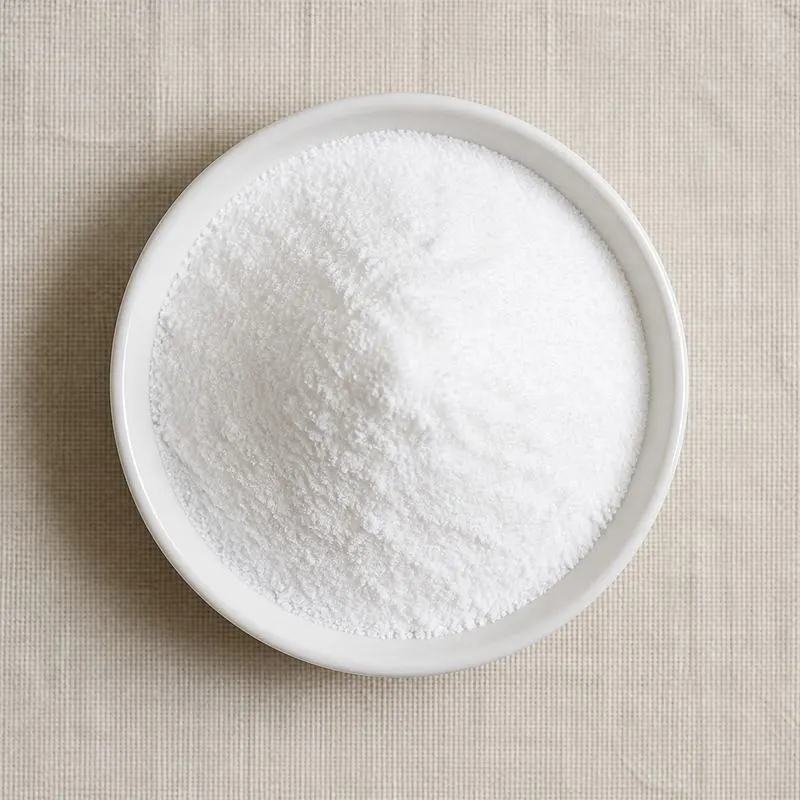
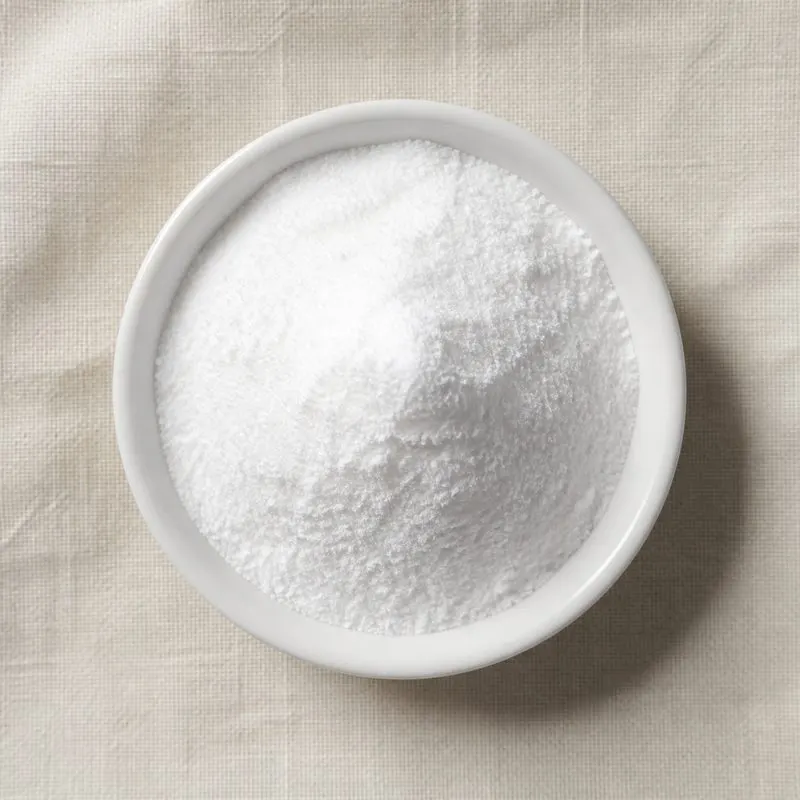
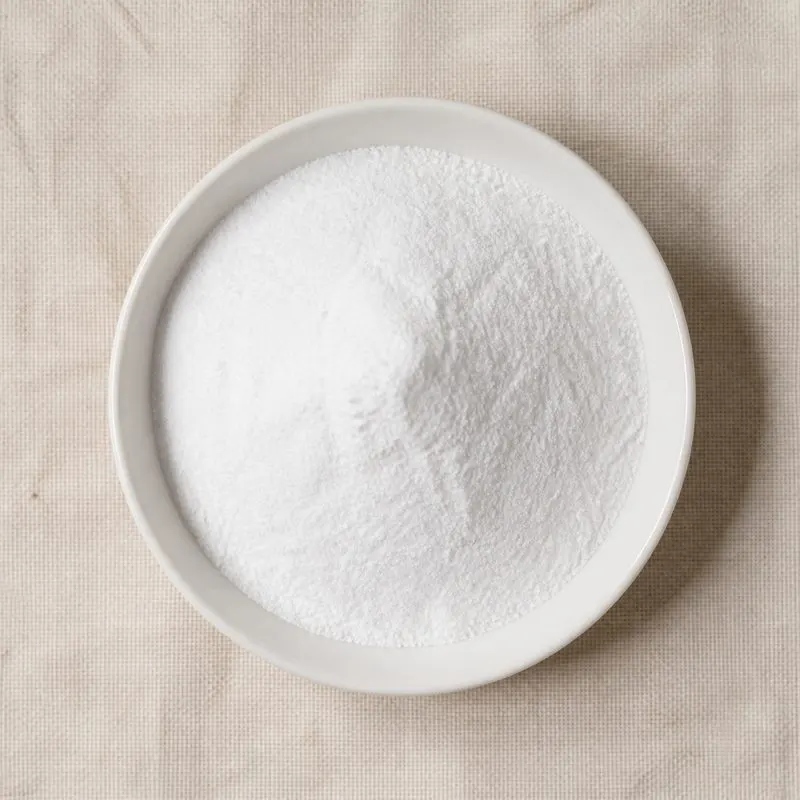
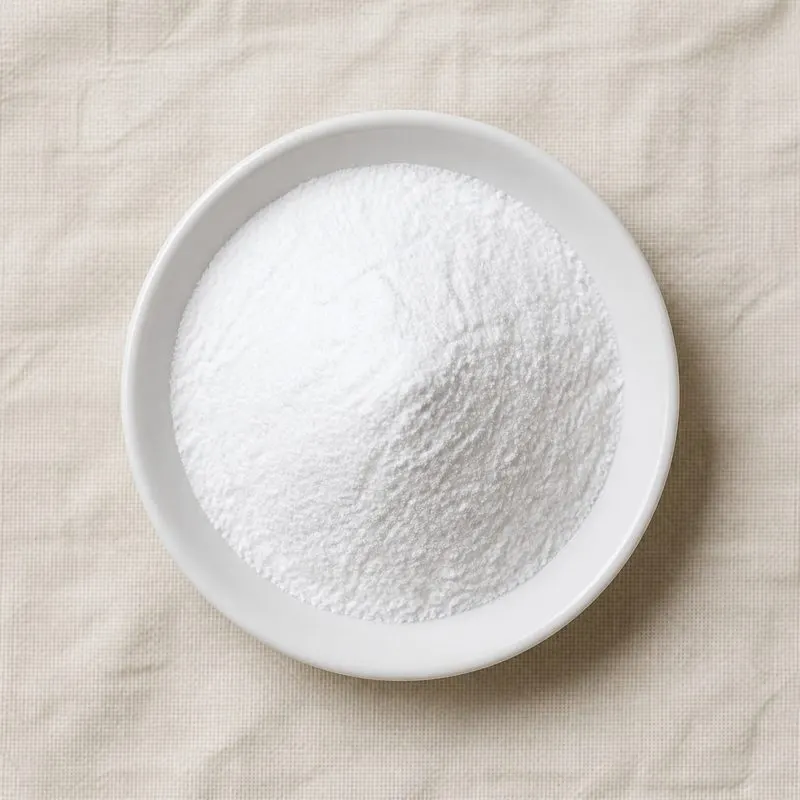
Potassium Polymetaphosphate
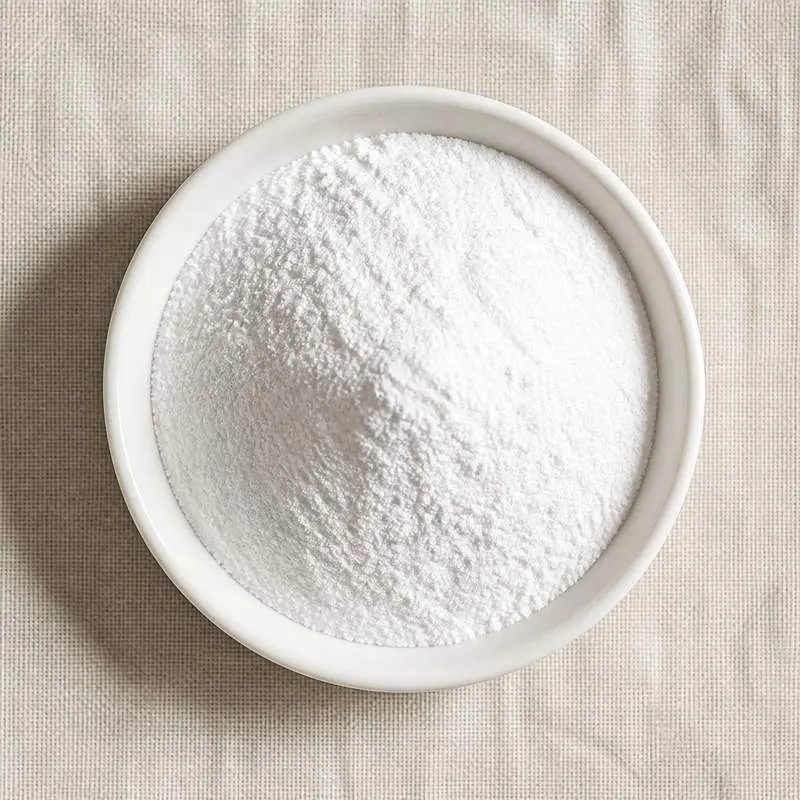
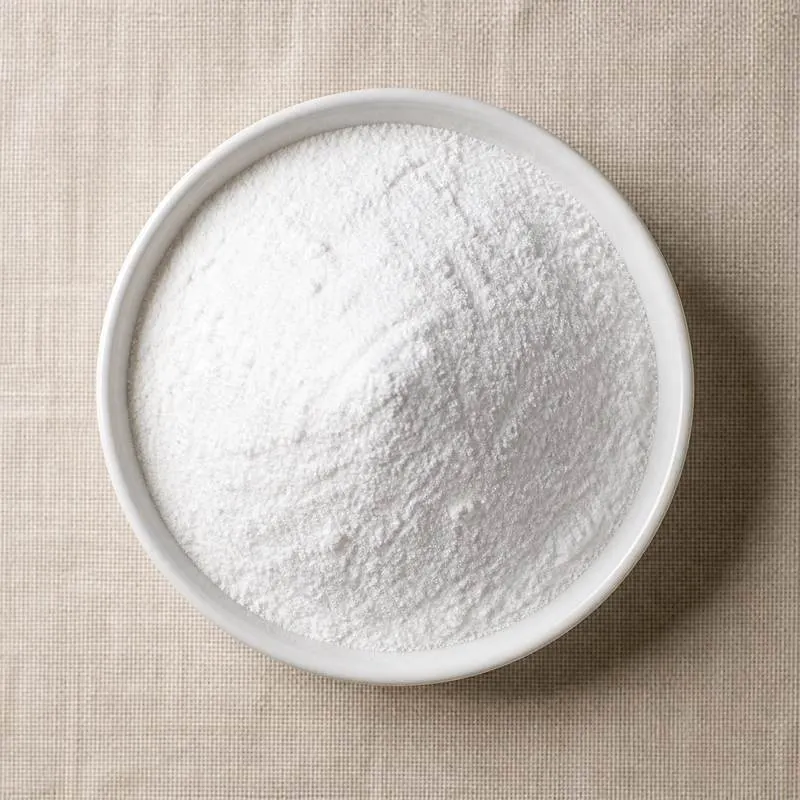
Potassium Polymetaphosphate is the polymerised form of potassium metaphosphate, with the general formula (KPO3)n where n indicates an extended chain length running from several hundred to several thousand phosphate units.
The name potassium polymetaphosphate is used in technical and regulatory documentation as an alternative to potassium metaphosphate when the emphasis is on the polymeric, long-chain nature of the salt rather than on the empirical formula. The two names describe the same material at different chain-length specifications.
We source bulk Potassium Polymetaphosphate from top China manufacturers for our partners. The manufacturer is in Yunnan. For this ingredient the minimum order is 500 kg and a 20-foot container takes 20 MT, and a smaller requirement can ship in a combined container with other ingredients.
Please send the grade you need, the volume and your destination port, and we will come back with a solution and a price.
or call +86-21-6858 0751
- Minimum order
- 500 kg
- Qty in 20' FCL
- 20 MT
- Packaging
- 25 kg kraft paper bag with PE inner liner
- ISO 9001
- HACCP
- Halal
- Kosher
Specifications
| Item | Specification |
|---|---|
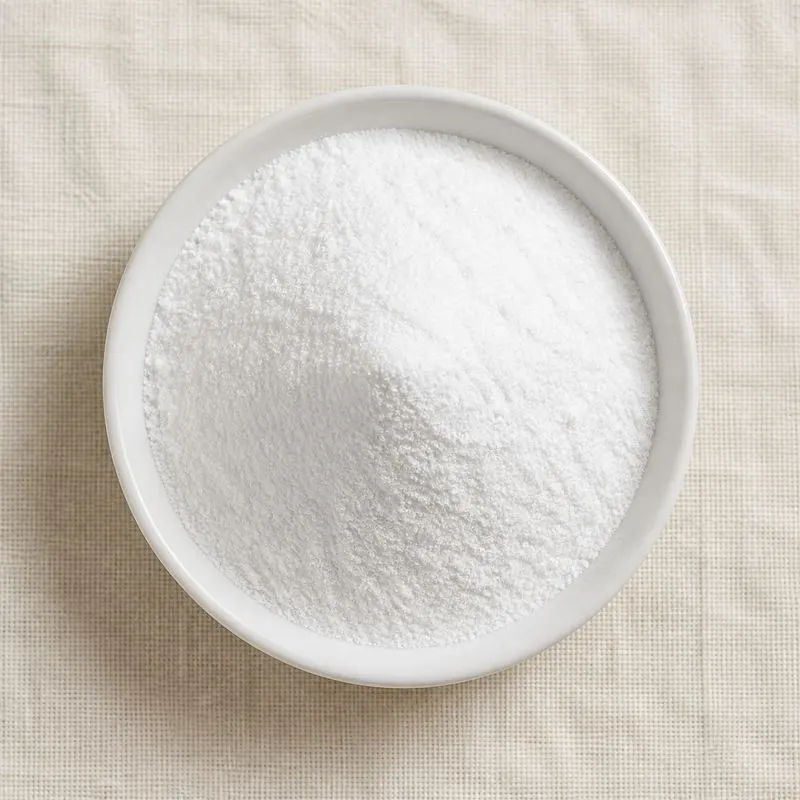
| Appearance | White powder or glassy granules |
| Assay (as KPO₃) | ≥ 96.0% |
| P₂O₅ Content | 58-62% |
| K₂O Content | 36-40% |
| pH (1% solution) | 6.0-7.5 |
| Loss on Ignition | ≤ 1.0% |
| Heavy Metals (as Pb) | ≤ 10 mg/kg |
| Arsenic | ≤ 3 mg/kg |
| Monopotassium phosphate (Anhydrate,Monhydrate ) | KH2PO4 |
| Dipotassium phosphate (Anhydrate , Hydrate ) | K2HPO4 KH2PO4 . nH2O (n = 3, 7 or 12) |
| Tripotassium phosphate (Anhydrate , Hydrate ) | K3PO4 |
| Tetrapotassium pyrophosphate | K4P2O7 |
| Potassium tripolyphosphate | K5P3O10 |
| Potassium polymetaphosphate | (KPO3)n |
| Potassium polyphosphate | (KPO3) x |
Common Markets Grades
Potassium polymetaphosphate is graded by chain length, crystalline phase, and dissolution rate.
Standard food and pharmaceutical grades carry minimum 95 percent (KPO3)n assay calculated from total P2O5 content, and conform to FCC, USP, and Ph. Eur. specifications.
Long-chain grades, with average chain length above 1,000 units, are used where slow controlled release of phosphate is required.
Shorter-chain grades, with average chain length in the hundreds, dissolve more rapidly and are used in faster-acting bakery, dairy, and supplement formulations.
Crystalline grades are largely insoluble in cold water. Glassy quenched grades, sold as flakes or beads, are partially soluble and offer intermediate dissolution profiles.
Particle sizes range from fine micronised powder for toothpaste and supplement applications to coarse granular grades for industrial dosing.
Applications
- Slow-release potassium and phosphate source in nutritional supplements
- Pharmaceutical electrolyte formulations and oral rehydration salts
- Bakery and dough conditioning as a long-acting phosphate source
- Cheese-product formulations as a slow-release emulsifying salt
- Meat phosphate blends paired with short-chain phosphates for extended shelf life
- Toothpaste as a polishing abrasive and slow-release phosphate
- Plant fertiliser as a slow-release potassium-phosphate component
- Pet food specialty formulations for controlled mineral delivery
- Industrial water-treatment scale inhibitor in cooling systems
- Specialty detergent and metal-cleaning compound builders
China Manufacturers of Potassium Polymetaphosphate
Top Potassium Polymetaphosphate manufacturers in China.
Company names and logos are the property of the manufacturers themselves. They are listed here because our own directory records them as producing this ingredient. A listing is not an endorsement by them, and we do not represent them or speak on their behalf.
How We Help Source Potassium Polymetaphosphate
Direct Factory Sourcing
We run the whole process: selecting the manufacturer from the top Chinese food ingredient producers, negotiating the price, verifying quality, and coordinating the logistics. You deal with us instead of with several factories at once.
Original Packaging and Documents from the Manufacturer
The manufacturer sends your Potassium Polymetaphosphate out of its own factory in the original packing, through to your destination port. The COA, COO, MSDS, TDS and any certifications reach you from the manufacturer as well.
Free Samples and Lead Time
We send 100 to 500 g free for your own laboratory to test and you cover only the courier, usually within 2 to 3 working days. ETD is usually within 7 to 15 days once the order is confirmed, and we check that date against the factory's own manufacturing schedule before we give it to you.
Combined Shipment
We can load Potassium Polymetaphosphate together with other ingredients such as Sodium Tripolyphosphate, Sodium Hexametaphosphate and TetraSodium Pyrophosphate into one 20' FCL. If your quantity is small, we can also ship LCL.
Regulatory Status
Potassium polymetaphosphate is approved as a food additive in major regulated markets.
The European Union covers the substance within the E 452(ii) potassium polyphosphate entry, with the polymetaphosphate name used in some national documentation as an alternative.
The U.S. FDA recognises it under 21 CFR 182.1810 (GRAS) and within the general phosphate sequestrant entries.
JECFA evaluates the substance within its group assessment of phosphate additives. FCC, USP, and Ph. Eur. monographs cover identity, assay, and impurity limits.
Halal and Kosher certifications are routinely available. The substance has no allergen concern and is used in some sodium-reduction reformulations where its potassium content supports cardiovascular positioning.
Manufacturing Process
Potassium polymetaphosphate is produced by extended thermal condensation of monopotassium orthophosphate, with the calcination dwell time and temperature tuned to drive chain growth into the polymeric regime.
Monopotassium orthophosphate is prepared by neutralising food-grade phosphoric acid with potassium hydroxide or potassium carbonate at a 1:1 mole ratio. The solution is concentrated and dried.
The dried salt is calcined in continuous rotary or belt furnaces at 700 to 900 degrees Celsius, with dwell times extended beyond those used for shorter-chain phosphates such as potassium tripolyphosphate.
The cooling regime determines the phase. Slow cooling through the crystallisation window produces the regular crystalline polymer. Rapid quenching of the molten material produces a glassy, less ordered form analogous to sodium hexametaphosphate glass.
The cooled product is milled, sieved, and analysed by X-ray diffraction and 31P NMR to confirm phase composition and chain length. Glassy grades are formed by pouring the molten material onto chilled rolls and breaking the resulting glass into flakes.