Potassium Tripolyphosphate
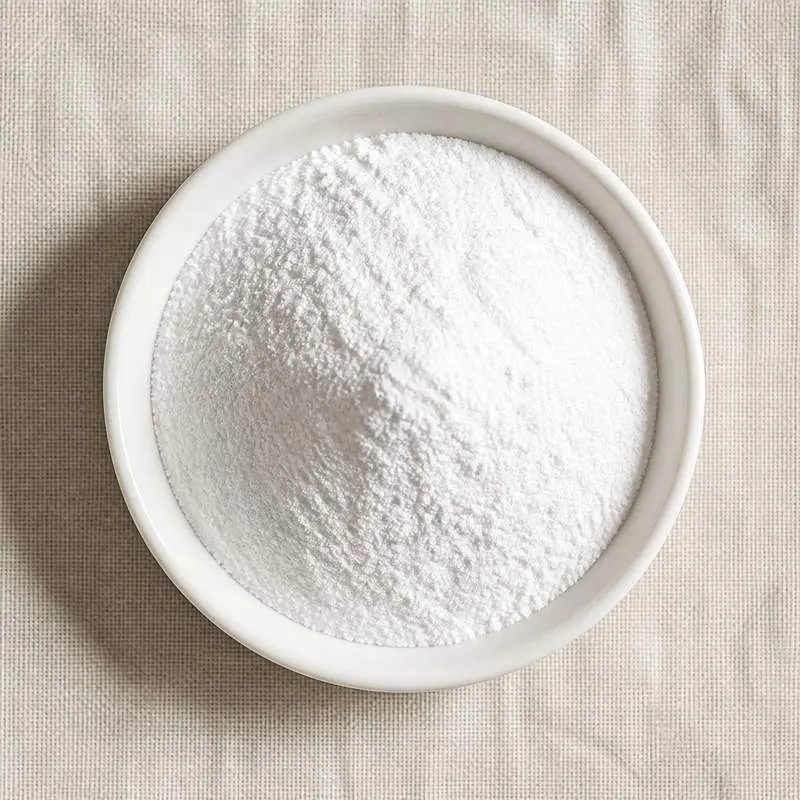
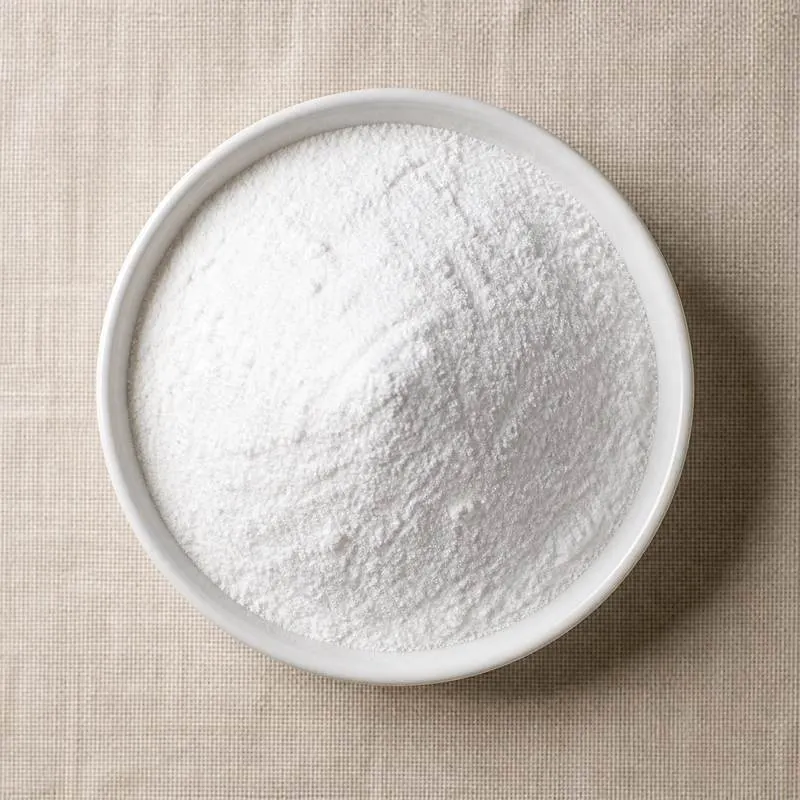
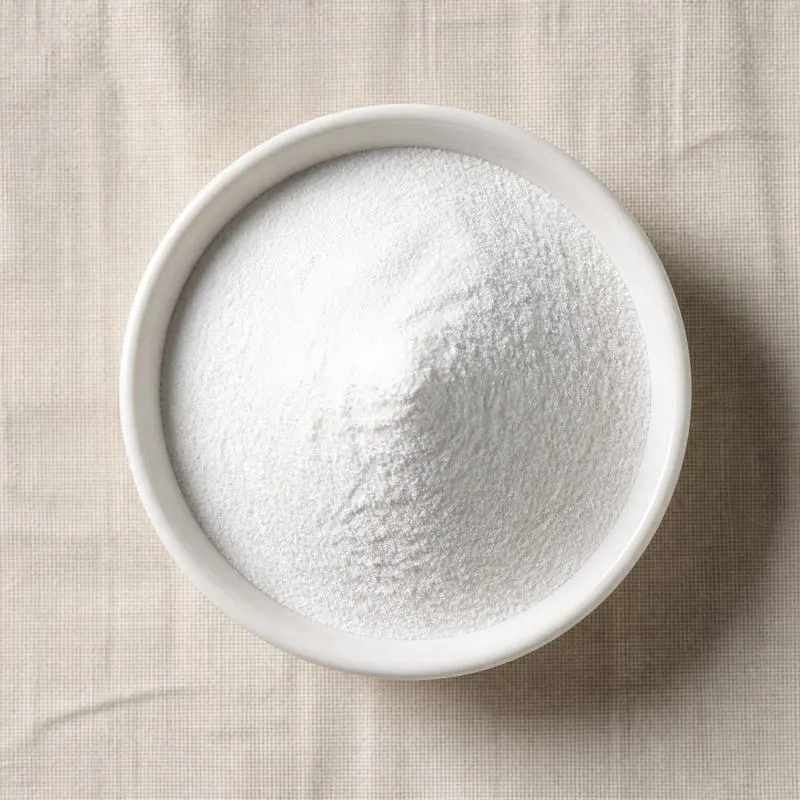
Potassium Tripolyphosphate (KTPP) is the potassium analogue of sodium tripolyphosphate, with the formula K5P3O10. It is a linear three-unit chain phosphate built from three PO4 tetrahedra sharing two bridging oxygens.
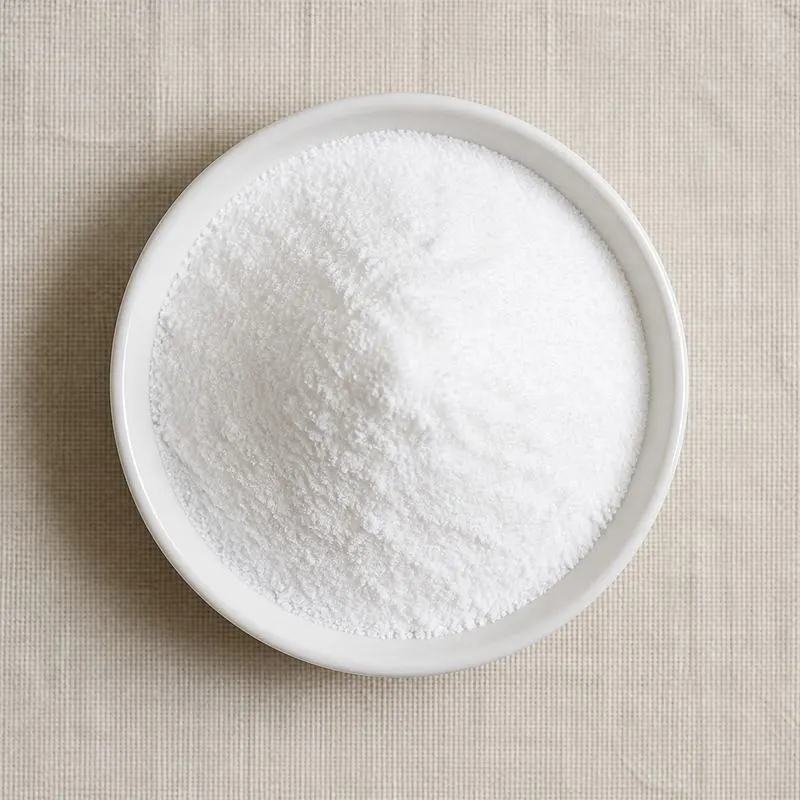
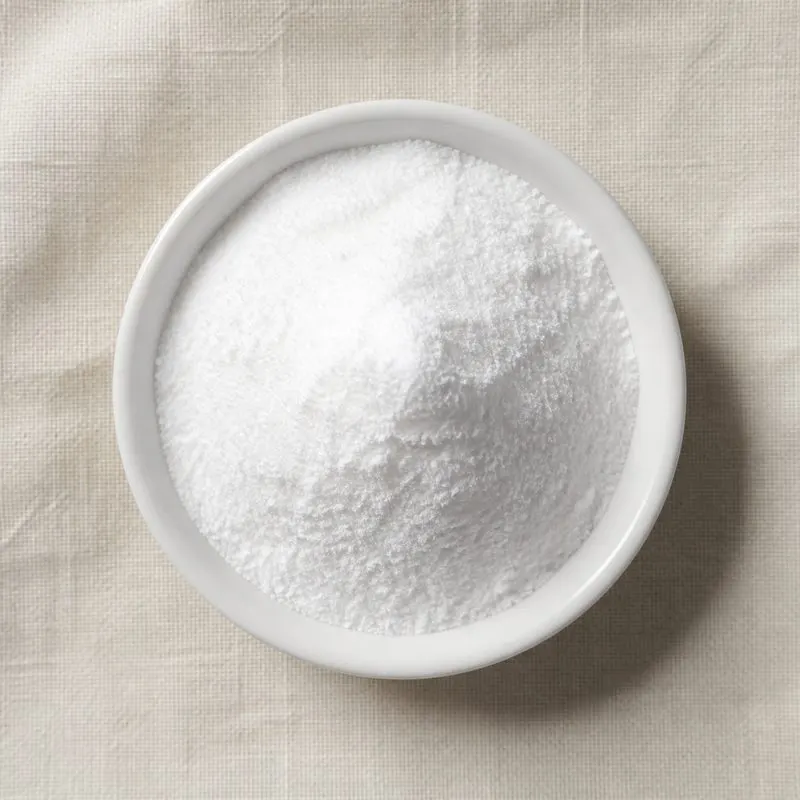
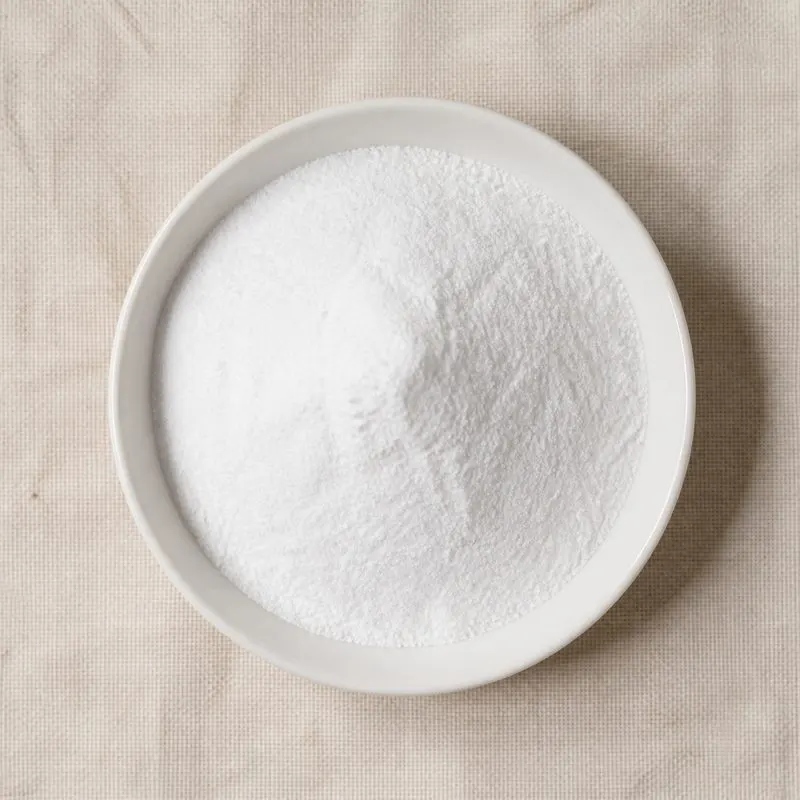
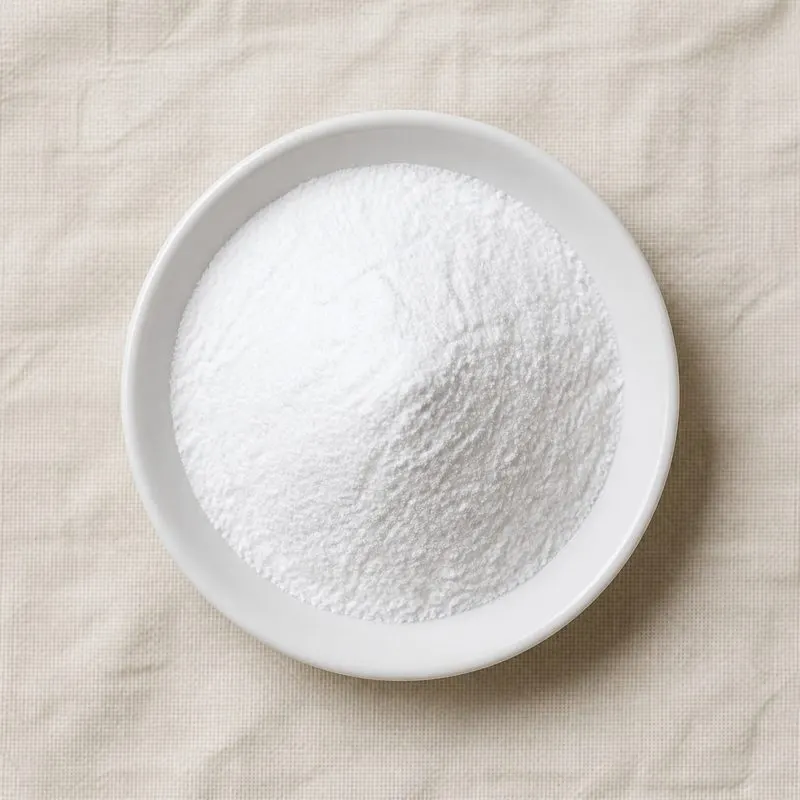
The salt is a white granular or powdered solid that dissolves in water to give a strongly alkaline solution near pH 9.5 at one percent concentration. The exchange of sodium for potassium delivers higher solubility, lower hygroscopic crystallisation tendency, and a sodium-reduction benefit for finished foods.
We source bulk Potassium Tripolyphosphate from top China manufacturers for our partners, working with several of them. The manufacturers are in Jiangsu and Sichuan. For this ingredient the minimum order is 500 kg and a 20-foot container takes 20 MT, and a smaller requirement can ship in a combined container with other ingredients.
Please send the grade you need, the volume and your destination port, and we will come back with a solution and a price.
or call +86-21-6858 0751
- Minimum order
- 500 kg
- Qty in 20' FCL
- 20 MT
- Packaging
- 25 kg kraft paper bag with PE inner liner
- Function
- Meat-processing aid
- ISO 9001
- HACCP
- Halal
- Kosher
Specifications
| Item | Specification |
|---|---|
| Appearance | White granular powder |
| Assay (K₅P₃O₁₀, dried basis) | ≥ 95.0% |
| Total P₂O₅ | 47.0–48.5% |
| K₂O Content | 51.0–53.0% |
| pH (1% solution, 25°C) | 9.2–10.0 |
| Loss on Ignition (550°C) | ≤ 0.7% |
| Water-Insoluble Matter | ≤ 0.1% |
| Solubility | Freely soluble in water, giving a clear alkaline solution |
| Fluoride (as F) | ≤ 10 mg/kg |
| Chloride (as Cl) | ≤ 0.2% |
| Sulfate (as SO₄) | ≤ 0.1% |
| Iron (as Fe) | ≤ 20 mg/kg |
| Heavy Metals (as Pb) | ≤ 10 mg/kg |
| Lead (as Pb) | ≤ 2 mg/kg |
| Arsenic (as As) | ≤ 3 mg/kg |
Common Markets Grades
KTPP is produced principally in food-grade and detergent-grade qualities.
Food-grade KTPP conforms to FCC, FAO/WHO, and E 451(ii) purity specifications, with minimum 95 percent K5P3O10 assay on a dry basis.
Liquid 50 percent solution grades are produced alongside dry powder. The liquid form takes advantage of KTPP's much higher water solubility than STPP and simplifies dosing in meat brine and dairy plants.
Particle size and bulk density of dry grades are tuned for either dry blend incorporation or for high-flow dust-free batching in meat-injection systems.
Detergent-grade KTPP has wider impurity tolerances and is used in liquid laundry and dishwashing formulations where its high solubility outperforms STPP.
Applications
- Liquid meat and poultry brines for sodium-reduced cured products
- Hams, bacon, deli meats, and roast beef in low-sodium positioning
- Processed cheese formulations as a potassium-based emulsifying salt
- Dairy: protein-stabilised beverages and UHT milk systems
- Pet food, especially canned products for low-sodium veterinary diets
- Liquid detergent and dish-cleaner builders
- Industrial water-treatment liquid formulations
- Surimi production for protein extraction
- Ceramic and clay slip deflocculation
- Liquid metal-cleaning baths
China Manufacturers of Potassium Tripolyphosphate
Top Potassium Tripolyphosphate manufacturers in China.
 Jiangsu Hens Food Technology Co., Ltd.11 ingredients in the directory
 Sichuan Kindia May Science And Tech.Co., Ltd.14 ingredients in the directory
- Xuzhou Hens Phosphate Co., Ltd.11 ingredients in the directory
Company names and logos are the property of the manufacturers themselves. They are listed here because our own directory records them as producing this ingredient. A listing is not an endorsement by them, and we do not represent them or speak on their behalf.
How We Help Source Potassium Tripolyphosphate
Direct Factory Sourcing
We run the whole process: selecting the manufacturer from the top Chinese food ingredient producers, negotiating the price, verifying quality, and coordinating the logistics. You deal with us instead of with several factories at once.
Original Packaging and Documents from the Manufacturer
The manufacturer sends your Potassium Tripolyphosphate out of its own factory in the original packing, through to your destination port. The COA, COO, MSDS, TDS and any certifications reach you from the manufacturer as well.
Free Samples and Lead Time
We send 100 to 500 g free for your own laboratory to test and you cover only the courier, usually within 2 to 3 working days. ETD is usually within 7 to 15 days once the order is confirmed, and we check that date against the factory's own manufacturing schedule before we give it to you.
Combined Shipment
We can load Potassium Tripolyphosphate together with other ingredients such as Sodium Tripolyphosphate, Sodium Hexametaphosphate and TetraSodium Pyrophosphate into one 20' FCL. If your quantity is small, we can also ship LCL.
Regulatory Status
KTPP is approved as a food additive in major regulated markets.
The European Union lists it as E 451(ii) within the triphosphate sub-family of phosphate additives. The U.S. FDA recognises it under 21 CFR 182.1810 (GRAS) and the general phosphate sequestrant entries.
JECFA includes KTPP within its group evaluation of phosphate additives.
FCC and Ph. Eur. monographs cover identity, assay, and impurity limits. Halal and Kosher certifications are routinely available.
The substance is increasingly important for sodium reduction. Substituting KTPP for STPP in meat brine can reduce sodium content in cured products by 25 to 35 percent while preserving water binding, supporting national sodium-reduction targets in many jurisdictions.
Manufacturing Process
KTPP is produced by thermal condensation of a balanced mixture of monopotassium and dipotassium orthophosphate, in direct analogy to STPP manufacture from sodium feedstocks.
Monopotassium and dipotassium orthophosphate are prepared by neutralising food-grade phosphoric acid with potassium carbonate or potassium hydroxide at the 1:2 mole ratio. The solution is concentrated.
Because KTPP is highly soluble and forms a viscous syrup at high concentration, many producers run the calcination step as a slurry calcination in fluidised beds rather than from a fully dried feedstock.
Calcination at 350 to 500 degrees Celsius condenses three orthophosphate units into the linear P3O10 chain, eliminating two molecules of water per chain. The product is cooled, milled, and sieved.
Liquid 50 percent solutions are produced by dissolving the dried product in deionised water at controlled temperature, then filtering, polishing, and packaging.