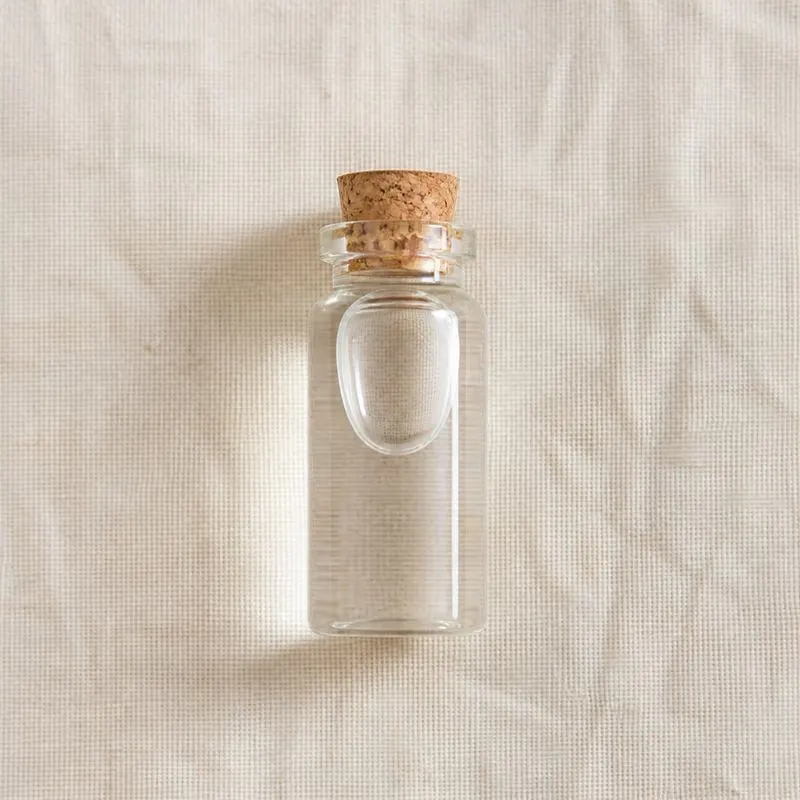
Purple Carrot Juice Concentrate
Purple carrot juice concentrate is the pressed juice of anthocyanin-rich carrot cultivars, Daucus carota subspecies sativus, evaporated to roughly 65 degrees Brix and standardised on colour rather than on flavour. It is one of the main natural sources of red to purple shading in food and drink.
The pigments are cyanidin glycosides acylated with ferulic, coumaric and sinapic acid. That acylation is what makes the material commercially useful, because it gives markedly better resistance to heat and light than the unacylated anthocyanins found in most berries. The shade is strongly pH dependent, reading bright red below pH 3.5, crimson to purple between pH 4 and 5, and drifting towards grey blue as the medium approaches neutrality.
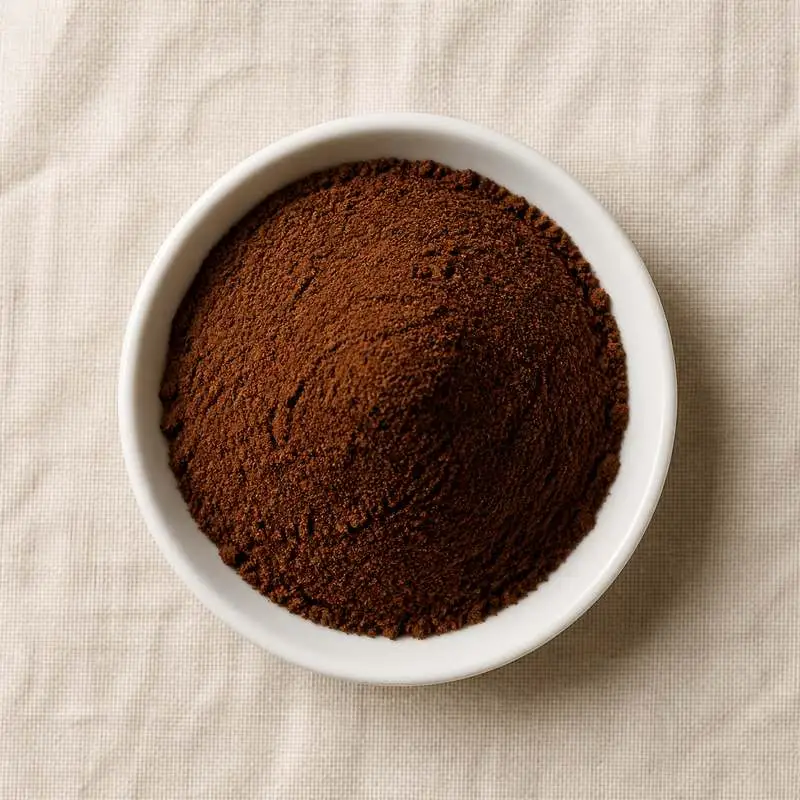
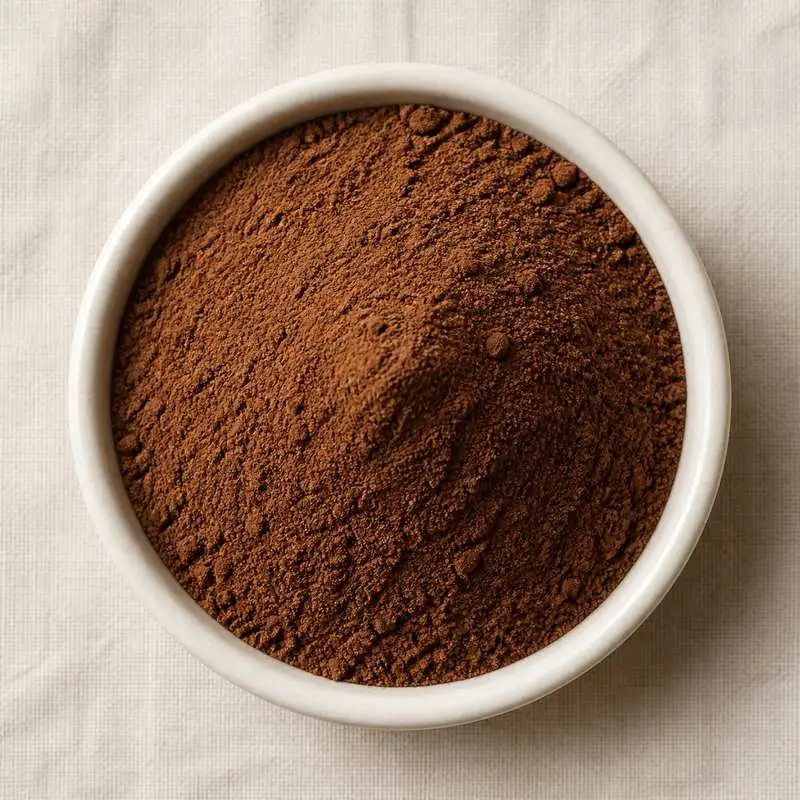
The concentrate is a dark, viscous liquid that dissolves completely in water and in acidic beverage bases. It is normally deodorised during processing, since untreated carrot juice carries an earthy note that limits dosage. Powdered versions on maltodextrin are used for dry blends. Anthocyanins bind sulphur dioxide and are bleached by ascorbic acid at high levels, so both are checked when the concentrate is used for colour.
We source bulk Purple Carrot Juice Concentrate from top China manufacturers for our partners. The manufacturer is in Shandong. A smaller requirement can ship in a combined container with other ingredients.
Please send the grade you need, the volume and your destination port, and we will come back with a solution and a price.
or call +86-21-6858 0751
- Function
- Beverage ingredient
Specifications
| Item | Specification |
|---|---|
| Appearance | Dark purple to red viscous liquid |
| Soluble Solids | 65.0 ± 1.0 °Brix at 20°C |
| Colour Value (E 1%, 520 nm) | Standardised, typically 25-120 |
| Anthocyanin Content | 1.0-5.0% as cyanidin-3-glucoside |
| pH | 2.8-4.0 |
| Sulphur Dioxide | ≤ 10 mg/kg |
| Heavy Metals (as Pb) | ≤ 10 mg/kg |
| Lead | ≤ 0.5 mg/kg |
| Arsenic | ≤ 0.2 mg/kg |
| Total Plate Count | ≤ 1,000 cfu/g |
| Yeast and Mould | ≤ 100 cfu/g |
| E. coli | Negative in 1 g |
| Salmonella | Absent in 25 g |
Common Markets Grades
Two commercial families exist. Juice concentrate grades are sold on soluble solids, usually 65 degrees Brix, and are used where both colour and a declaration as fruit and vegetable concentrate are wanted. Colour concentrate grades are sold on colour value, expressed either as anthocyanin content in the region of 1 to 5 percent or as an absorbance figure at 520 nanometres, and are dosed on shade rather than on Brix.
Both are offered as liquids in drums or as spray dried powders carrying maltodextrin, with powders running at higher anthocyanin loading and better shelf stability. Deodorised and non-deodorised lots are separated, acidified versions buffered to pH 2.5 to 3.5 are made for beverage use, and organic certified material is widely traded.
Applications
- Carbonated and still soft drinks, providing a red shade that survives light exposure in clear PET better than most natural alternatives
- Sugar confectionery and gummies, where the acidic sugar mass holds the pigment in its red form
- Fruit preparations for yoghurt, where the pH sits in the range that gives a clean berry red
- Ice cream and frozen desserts, in which low temperatures limit pigment loss over shelf life
- Icings, fillings and bakery decoration as a replacement for carmine and synthetic red dyes
- Fruit juice blends, where it both deepens colour and adds soluble solids
- Alcoholic ready to drink products and flavoured ciders
- Pet food and meat analogue products needing a red cast without an added colour declaration
- Dry beverage powders and sachet mixes, using the spray dried grade
China Manufacturers of Purple Carrot Juice Concentrate
Top Purple Carrot Juice Concentrate manufacturers in China.
Company names and logos are the property of the manufacturers themselves. They are listed here because our own directory records them as producing this ingredient. A listing is not an endorsement by them, and we do not represent them or speak on their behalf.
Regulatory Status
Status turns on how the material was made. A concentrate produced by pressing and evaporation, without selective pigment enrichment, is treated in the European Union as a colouring foodstuff and declared as concentrated purple carrot juice within the ingredient list. A preparation in which the anthocyanins have been selectively extracted onto resin and concentrated is a food colour, covered by the anthocyanins entry E 163 under Regulation 1333/2008, with purity criteria set in Regulation 231/2012.
In the United States, vegetable juice colour derived from purple carrot is listed as a colour additive exempt from certification and is declared on labels as vegetable juice colour or by the specific source. Codex and JECFA have both addressed anthocyanin-based colours through their general standards and specifications for food additives.
Manufacturing Process
Carrots are washed, destoned, inspected and chopped, then blanched briefly with steam to inactivate polyphenol oxidase and peroxidase, which would otherwise destroy the anthocyanins during pressing. The blanched material is milled to a mash, held with pectinase to release cell-bound pigment, and pressed on a belt or decanter press. Some plants use countercurrent water diffusion instead of pressing when maximum pigment recovery matters more than juice yield.
The raw juice is acidified, clarified by centrifugation and filtration, and passed over a macroporous adsorbent resin when a colour grade rather than a juice grade is being made, with ethanol or acidified water used to strip the pigment from the resin. Volatile earthy compounds are removed by stripping or by vacuum deodorisation. Concentration takes place on a falling film evaporator under vacuum at low temperature, the concentrate is standardised to the target colour value, pasteurised and filled aseptically or frozen. Powder grades are spray dried onto maltodextrin.