Red Beet Root Concentrated Juice
Red beetroot concentrated juice is the pressed juice of Beta vulgaris, evaporated under vacuum to a high solids concentrate and used as a colouring food. Its pigments are betalains rather than anthocyanins, a distinction that decides everything about how it behaves: the red betacyanins, principally betanin and its isomer isobetanin, are accompanied by the yellow betaxanthins, and none of them shift shade with pH in the way anthocyanins do.
That pH independence is the material's main advantage. Beetroot holds a bluish red across roughly pH 3 to 7, which covers most of the food range and makes it the natural colour of choice for neutral products such as dairy desserts and confectionery creams where anthocyanins turn grey. Its weakness is heat. Betanin degrades quickly above about 50 to 60 degrees Celsius in solution, and it is also sensitive to oxygen and to light, so the pigment suits chilled, frozen, dry and short process products far better than retorted or long life ambient ones.
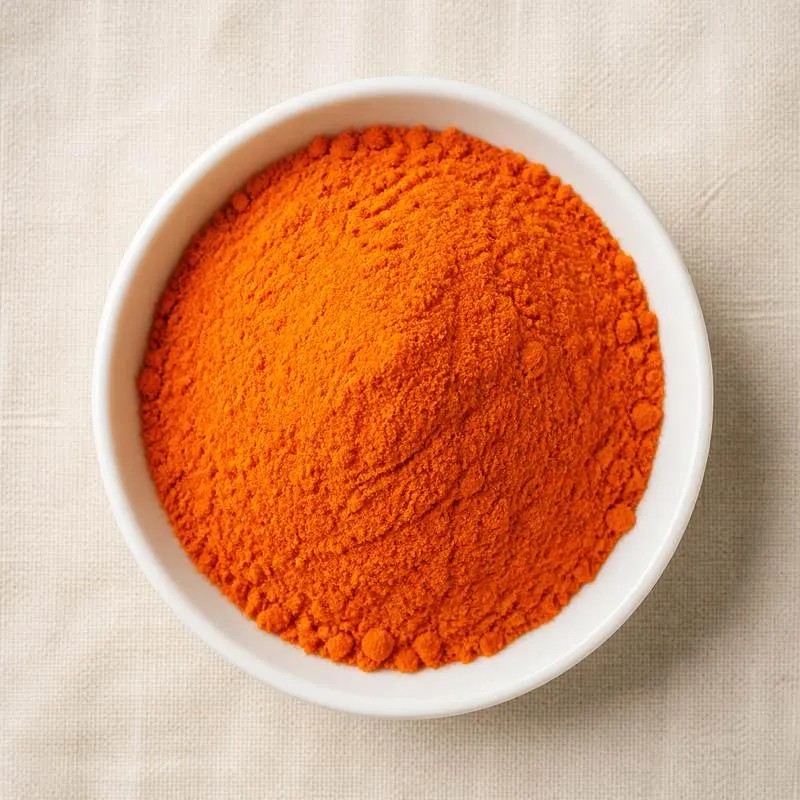
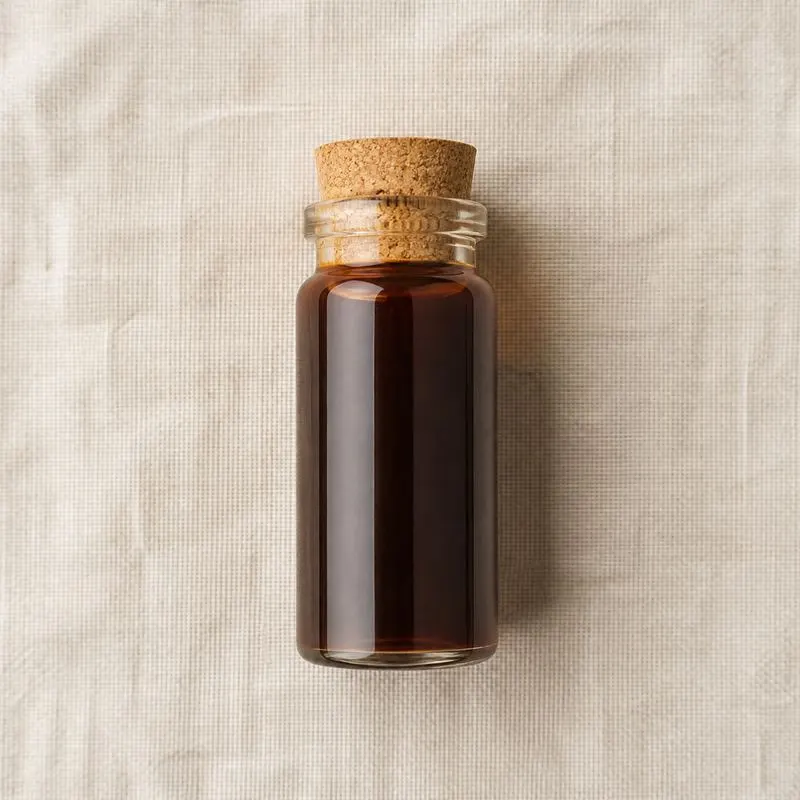
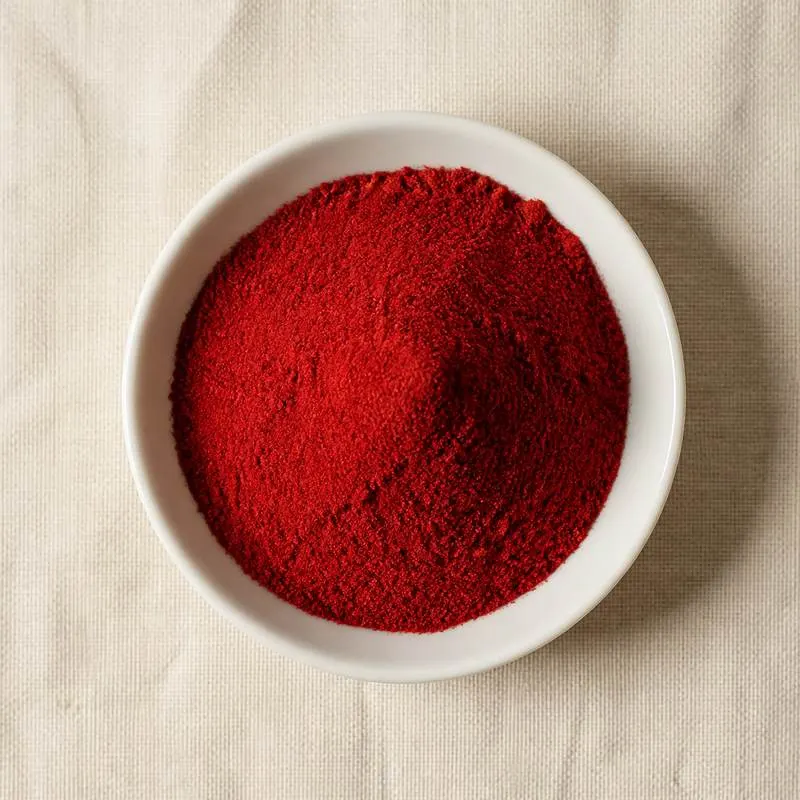
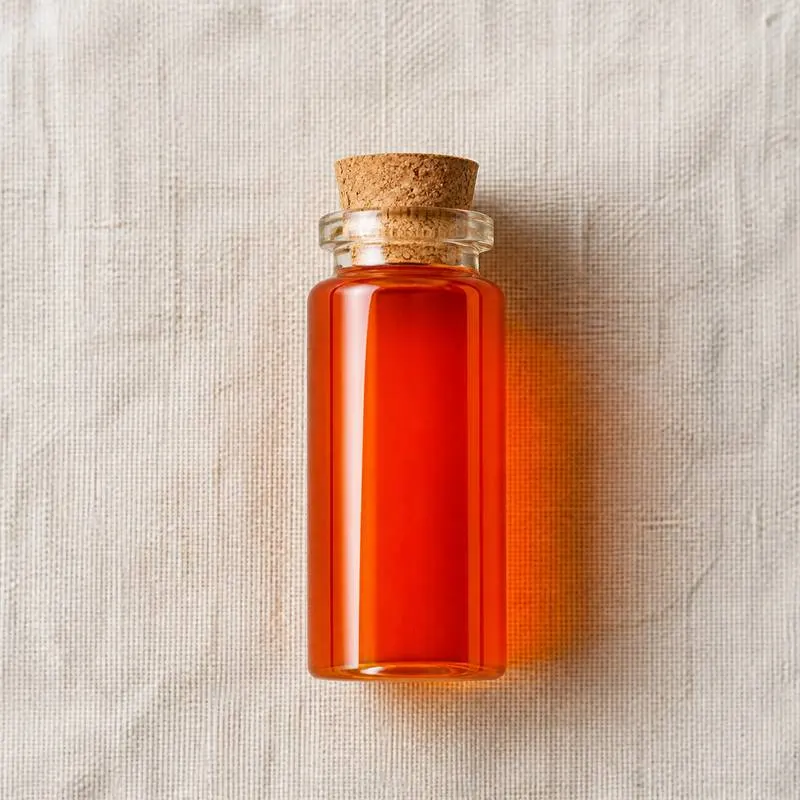
The concentrate comes as a dark red viscous liquid at roughly 40 to 65 degrees Brix and as a spray dried powder. It is fully miscible with water and insoluble in oil. Beetroot carries geosmin, the earthy compound that gives the root its characteristic taste, and it also carries nitrate from the soil; both are quantified on the specification because they limit how heavily the concentrate can be dosed.
We source bulk Red Beet Root Concentrated Juice from top China manufacturers for our partners. The manufacturer is in Hubei. A smaller requirement can ship in a combined container with other ingredients.
Please send the grade you need, the volume and your destination port, and we will come back with a solution and a price.
or call +86-21-6858 0751
- Function
- Colorant
Specifications
| Item | Specification |
|---|---|
| Appearance | Dark red to purple red viscous liquid |
| Soluble Solids | 65 degrees Brix, plus or minus 1 |
| Colour Value E1% 1cm at 535 nm | 4.0 minimum |
| Betanin | 0.3% minimum |
| Identification | Absorption maximum at 530 to 540 nm in water |
| pH | 4.0 to 5.5 |
| Nitrate as sodium nitrate | Declared per grade and tested each batch |
| Sulphur Dioxide | 10 mg/kg maximum |
| Lead | 0.5 mg/kg maximum |
| Arsenic | 0.5 mg/kg maximum |
| Total Plate Count | 1000 cfu/g maximum |
| Yeast and Mould | 100 cfu/g maximum |
| E. coli | Absent in 5 g |
| Salmonella | Absent in 25 g |
Common Markets Grades
Concentrates are specified on soluble solids, commonly 45, 60 and 65 degrees Brix, together with a colour value measured as E1% 1cm near 535 nm and a betanin content quoted alongside. Because the crop varies with variety, season and soil, suppliers work to a colour value range and standardise by blending lots rather than by adding isolated pigment, which would take the product out of the colouring food category.
The two distinctions that matter in use are deodorisation and nitrate. Deodorised grades are produced by additional treatment to reduce geosmin and the earthy note, and are specified for dairy, beverages and confectionery where dosage is high. Low nitrate grades are made from selected crops and by a nitrate reduction step, and are specified for infant products and for markets that limit dietary nitrate. Beyond these, clarified and unclarified versions are offered, spray dried powders on maltodextrin are used for dry blends, and frozen concentrate is traded where a cold chain exists, since freezing protects betanin considerably better than ambient storage.
Applications
- Ice cream, sorbet and frozen desserts, where frozen storage protects the heat sensitive pigment
- Yoghurt and fruit preparations for dairy, giving a pink to red without a colour declaration
- Confectionery creams, fondants and fillings at neutral pH, where anthocyanins would grey
- Gummies and jellies, provided the depositing temperature and hold time are controlled
- Meat analogues and plant based burgers, contributing a raw red that fades on cooking
- Dry mixes, dessert powders and instant products, where the pigment is protected by low water activity
- Bakery fillings, icings and decorations applied after baking
- Sauces, dressings and cold condiments
- Sports and functional beverages, often chosen for the dietary nitrate as well as the colour
- Pet food and treats requiring a plant derived red
Brands Using Red Beet Root Concentrated Juice
Widely-distributed consumer products that list Red Beet Root Concentrated Juice on the ingredient label.
Brand names, product names and logos are the property of their owners. They appear here as published evidence that the ingredient is used, taken from the brand's own label or website. Their appearance is not an endorsement, and it does not mean the brand buys from us or from any manufacturer listed on this site.
China Manufacturers of Red Beet Root Concentrated Juice
Top Red Beet Root Concentrated Juice manufacturers in China.

Company names and logos are the property of the manufacturers themselves. They are listed here because our own directory records them as producing this ingredient. A listing is not an endorsement by them, and we do not represent them or speak on their behalf.
Regulatory Status
In the United States, beetroot colour is a colour additive exempt from certification. 21 CFR Part 73 lists dehydrated beets, vegetable juice colour and dehydrated vegetable juice colour, and beetroot concentrate is sold within that framework; the applicable listing depends on the form of the material, so the supplier declaration should name it and state the permitted uses. Exempt colours remain subject to the specification and labelling provisions of the colour additive regulations.
In the European Union beetroot red, betanin, is the food colour E 162, authorised under Regulation (EC) No 1333/2008 with identity and purity criteria in Regulation (EU) No 231/2012. A gently concentrated juice that retains its natural food matrix is instead treated as a colouring foodstuff under European Commission guidance and is declared by an ingredient name such as concentrated beetroot juice, which is how much of this material is used in practice. Nitrate is regulated separately as a contaminant in certain foods, and this bears directly on dosage in infant and young child products. JECFA has evaluated beetroot red, and provisions appear in the Codex General Standard for Food Additives.
Manufacturing Process
Beetroot is received, washed and inspected, then topped and milled to a mash. The mash is warmed gently and treated with pectinase to break down cell wall pectin and release the juice, then pressed on a belt or decanter press; the cake is washed and re-pressed and the combined juice screened. Temperature control through this stage matters more than for most colour crops, because betanin begins to degrade at temperatures that other pigments tolerate easily.
The juice is clarified and, where required, passed through a nitrate reduction or deodorisation step, usually an ion exchange or adsorption treatment that removes nitrate and geosmin without capturing the pigment. It is then concentrated in a multiple effect falling film evaporator under deep vacuum, so that water is removed at the lowest practical temperature, and standardised to the target Brix and colour value. The concentrate is pasteurised with the shortest hold the microbiology allows, cooled rapidly and filled into drums, totes or aseptic bags, or blast frozen. Powder grades take the standardised concentrate, blend it with maltodextrin and spray dry it at a low outlet temperature.