Red Fermented Rice
Red Fermented Rice is the dried, milled product of polished rice fermented with the filamentous fungus Monascus purpureus (and related Monascus species), used historically in East Asian cuisine as a natural red colourant and traditional condiment.
During solid-state fermentation the fungus produces a family of azaphilone pigments collectively known as Monascus pigments, including the red monascorubramine and rubropunctamine, the orange monascorubrin and rubropunctatin, and the yellow monascin and ankaflavin. The same fermentation also generates monacolin K, a polyketide statin chemically identical to the pharmaceutical lovastatin.
We source bulk Red Fermented Rice from top China manufacturers for our partners. The manufacturers are in Fujian and Shandong. For this ingredient the minimum order is 500 kg and a 20-foot container takes 16 MT, and a smaller requirement can ship in a combined container with other ingredients.
Please send the grade you need, the volume and your destination port, and we will come back with a solution and a price.
or call +86-21-6858 0751
- Minimum order
- 500 kg
- Qty in 20' FCL
- 16 MT
- Packaging
- 25 kg kraft paper bag with PE inner liner
- ISO 9001
- HACCP
- Halal
- Kosher
Specifications
| Item | Specification |
|---|---|
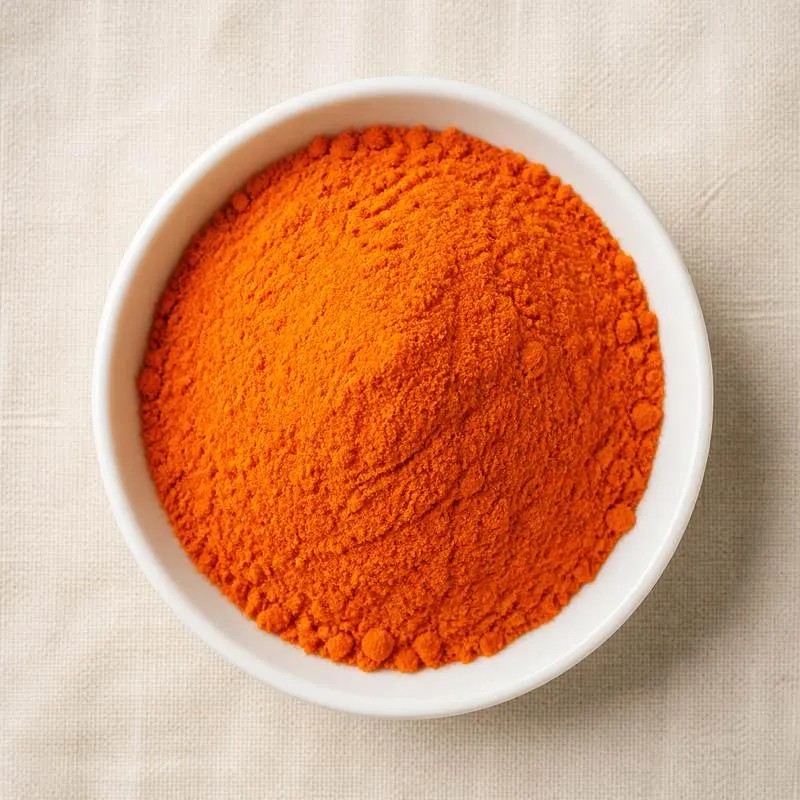
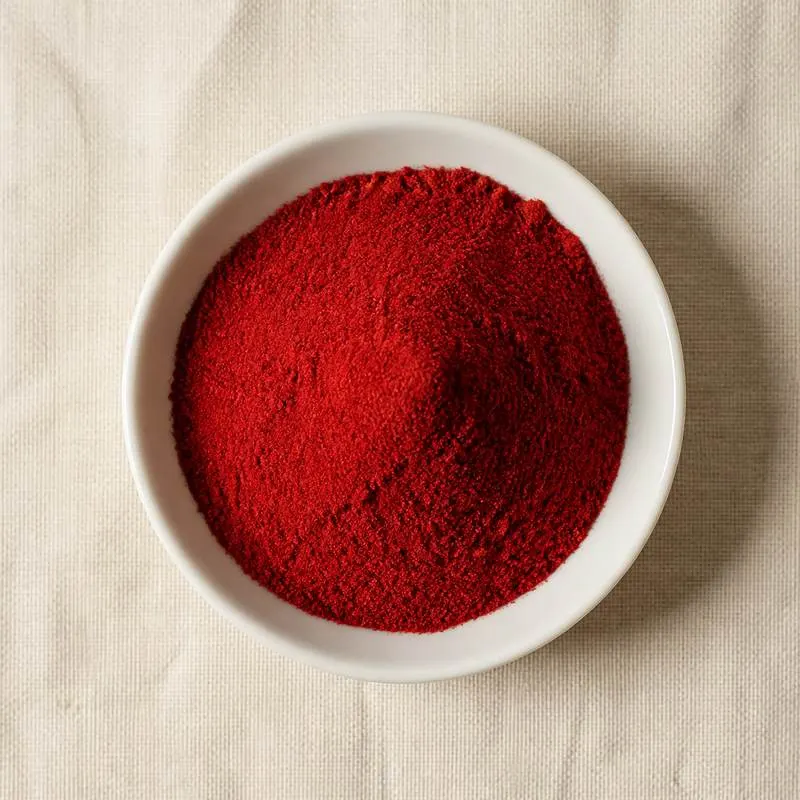
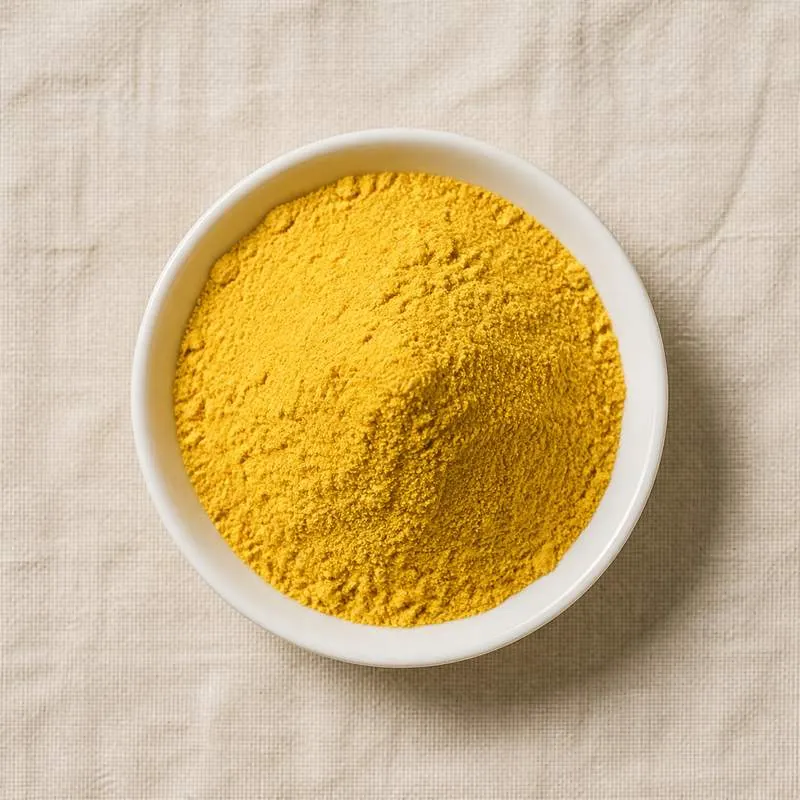
| Appearance | Red to dark red fine powder with a characteristic fermented odour |
| Colour Value (E1%1cm, 490 nm) | 200 to 3,000 U/g, grade dependent |
| Monacolin K (HPLC) | ≤ 0.2% colourant grade; 0.4 to 3.0% supplement grade |
| Citrinin (HPLC-FLD) | ≤ 0.2 mg/kg |
| Moisture | ≤ 8.0% |
| Total Ash | ≤ 3.0% |
| pH (1% aqueous suspension) | 4.0 to 6.5 |
| Particle Size | 100% through 80 mesh |
| Heavy Metals (as Pb) | ≤ 2 mg/kg |
| Arsenic (as As) | ≤ 1 mg/kg |
| Total Plate Count | ≤ 10,000 cfu/g |
| Yeast and Mould | ≤ 500 cfu/g |
| E. coli | Negative/g |
| Salmonella | Negative/25g |
Common Markets Grades
Red Fermented Rice is sold in two distinct families that should not be confused with one another.
The first is colourant-grade red yeast rice, often called red koji or angkak, traded as whole or milled grain and standardised by Colour Value at 490 nanometers. Typical colour values range from 200 to 3000, with higher strengths produced by submerged-culture extraction of the pigments rather than by traditional solid-state grain.
The second family is supplement-grade red yeast rice, sold as encapsulated powder and historically standardised by monacolin K content. The monacolin K story has been the source of significant regulatory turbulence, since the same compound is the active pharmaceutical ingredient in prescription lovastatin.
Pigment concentrates for food use are also offered in liquid and spray-dried forms, with carriers such as maltodextrin and ethanol-water. Most reputable suppliers test these products for citrinin, a nephrotoxic mycotoxin co-produced by some Monascus strains, and certify levels below tightly specified limits.
Applications
- Traditional Chinese cured and roasted meats including char siu, lap cheong sausage, and red braised pork
- Vietnamese and Southeast Asian sauces, marinades, and pickles where a deep red colour is desired
- Rice wines, fermented vinegars, and certain mirin-style condiments
- Plant-based meat analogs requiring a cured-meat appearance without nitrite
- Surimi, fish balls, and processed seafood pastes
- Bakery fillings and savory pastries in Asian product ranges
- Tofu and bean-curd products for a marbled red surface
- Sauces, gravies, and condiments calling for a warm earthy-red hue
- Confectionery and snack seasonings in regional markets
- Pet food and treats positioning on natural fermentation
- Traditional medicine preparations in regions where such use is permitted
- Dietary supplements in markets where the regulatory status permits sale
Brands Using Red Fermented Rice
Widely-distributed consumer products that list Red Fermented Rice on the ingredient label.
- NOW FoodsRed Yeast Rice 600 mg Veg Capsules ↗Veg capsules supplying 600 mg red yeast rice produced by fermenting Monascus purpureus on white rice.Label verified 2026-05-24
- NOW FoodsRed Yeast Rice 600 mg with CoQ10 30 mg Veg Capsules ↗NOW Foods product combines 600 mg fermented red yeast rice (Monascus purpureus) with CoQ10, alpha lipoic acid and silymarin.Label verified 2026-05-24
- SolarayRed Yeast Rice 600 mg ↗Ingredient list: Red Yeast Rice (Monascus purpureus) extract, vegetable cellulose capsule, silica, magnesium stearate.Label verified 2026-05-24
- SolarayRed Yeast Rice + CoQ-10 ↗Ingredient list includes Red Yeast Rice (Monascus purpureus) extract 600 mg per serving plus Niacin and CoQ-10.Label verified 2026-05-24
- NaturesPlusSource of Life Garden Red Yeast Rice Capsules ↗Supplies 600 mg of Monascus purpureus (red yeast rice) per capsule, delivering 2.3 mg total monacolins.Label verified 2026-05-24
- NaturesPlusHerbal Actives Red Yeast Rice Capsules ↗Capsules supplying 1,200 mg standardised Monascus-fermented red yeast rice per serving.Label verified 2026-05-24
- ThorneRed Yeast Rice + CoQ10 (formerly Choleast) ↗Thorne product contains 600 mg Red Yeast Rice (Monascus purpureus) and 15 mg CoQ10 per capsule.Label verified 2026-05-24
- ThorneRed Yeast Rice (formerly Choleast-900) ↗Thorne product delivers 900 mg Red Yeast Rice (Monascus purpureus) per capsule.Label verified 2026-05-24
- SolgarRed Yeast Rice 600 mg Vegetable Capsules ↗Solgar product page lists 600 mg Monascus purpureus (red yeast rice) per capsule.Label verified 2026-05-24
Brand names, product names and logos are the property of their owners. They appear here as published evidence that the ingredient is used, taken from the brand's own label or website. Their appearance is not an endorsement, and it does not mean the brand buys from us or from any manufacturer listed on this site.
China Manufacturers of Red Fermented Rice
Top Red Fermented Rice manufacturers in China.
- Gutian Fujian Chengjiu Enterprises Co., Ltd.2 ingredients in the directory
 Shandong Zhonghui Biotechnology Co., Ltd.6 ingredients in the directory
Company names and logos are the property of the manufacturers themselves. They are listed here because our own directory records them as producing this ingredient. A listing is not an endorsement by them, and we do not represent them or speak on their behalf.
How We Help Source Red Fermented Rice
Direct Factory Sourcing
We run the whole process: selecting the manufacturer from the top Chinese food ingredient producers, negotiating the price, verifying quality, and coordinating the logistics. You deal with us instead of with several factories at once.
Original Packaging and Documents from the Manufacturer
The manufacturer sends your Red Fermented Rice out of its own factory in the original packing, through to your destination port. The COA, COO, MSDS, TDS and any certifications reach you from the manufacturer as well.
Free Samples and Lead Time
We send 100 to 500 g free for your own laboratory to test and you cover only the courier, usually within 2 to 3 working days. ETD is usually within 7 to 15 days once the order is confirmed, and we check that date against the factory's own manufacturing schedule before we give it to you.
Combined Shipment
We can load Red Fermented Rice together with other ingredients such as Beta Carotene, Caramel Colour and Lycopene into one 20' FCL. If your quantity is small, we can also ship LCL.
Regulatory Status
Red Fermented Rice occupies a uniquely complicated regulatory position because the same fermentation produces both a food colour and a pharmacologically active statin.
The U.S. Food and Drug Administration has taken enforcement action against red yeast rice dietary supplements that contain meaningful levels of monacolin K, on the basis that monacolin K is identical to the prescription drug lovastatin and therefore makes the supplement an unapproved new drug. Citrinin contamination has been a second, parallel FDA concern, with the agency citing nephrotoxic risk in adverse-event reviews.
The European Union restricted the monacolin K content of red yeast rice food supplements to a maximum of 3 milligrams per daily serving in 2022, following EFSA scientific opinions that flagged hepatic, muscular, and renal adverse effects at higher intakes. The same regulation tightened limits on citrinin.
As a colourant for traditional Asian foods, red fermented rice and its pigment extracts continue to be used widely. Colour use is generally subject to citrinin limits and to good manufacturing practice. The supplement-grade monacolin K controversy remains unresolved in several jurisdictions and is a live compliance issue for any new entrant.
Manufacturing Process
Traditional production uses solid-state fermentation on cooked, polished long-grain rice. The grain is steamed, cooled, inoculated with a Monascus starter, and laid out in shallow trays at 25 to 32 degrees Celsius for 10 to 20 days, with periodic turning to manage moisture and aeration.
Over the fermentation period the fungal mycelium colonizes each rice kernel, and the pigments accumulate inside the fungal cells and at the grain surface. Colour develops first as orange, then deepens to brick red and finally to a dark burgundy as polymerisation proceeds.
The finished grain is dried, milled to the required particle size, and standardised by colour value. For pigment concentrates, the milled material is solvent-extracted with food-grade ethanol, the extract is clarified and concentrated, and the pigment is either kept in liquid form or spray-dried onto a carrier.
Strain selection and fermentation control are critical for managing citrinin co-production. Modern industrial strains have been selected or engineered to suppress the citrinin biosynthetic pathway, and finished material is routinely tested by HPLC against defined ceiling limits before release.