Reishi Fermented Freeze Dried
Reishi fermented freeze dried powder is the freeze dried biomass produced by liquid submerged fermentation of Ganoderma lucidum, the reishi or lingzhi mushroom, rather than by extraction of the fruiting body. The fungus is grown as mycelium in a stirred fermenter, and the whole culture, or the mycelium separated from it, is frozen and dried under vacuum so that the heat sensitive constituents survive the drying step.
The active fractions of interest are the beta-glucan and heteropolysaccharide complexes of the cell wall, together with the triterpene fraction, principally ganoderic and lucidenic acids, which carries the characteristic bitterness. Fermented mycelium generally gives a higher polysaccharide yield in a far shorter cycle than cultivating a fruiting body, while the triterpene content is usually lower unless the fermentation is specifically directed toward it.
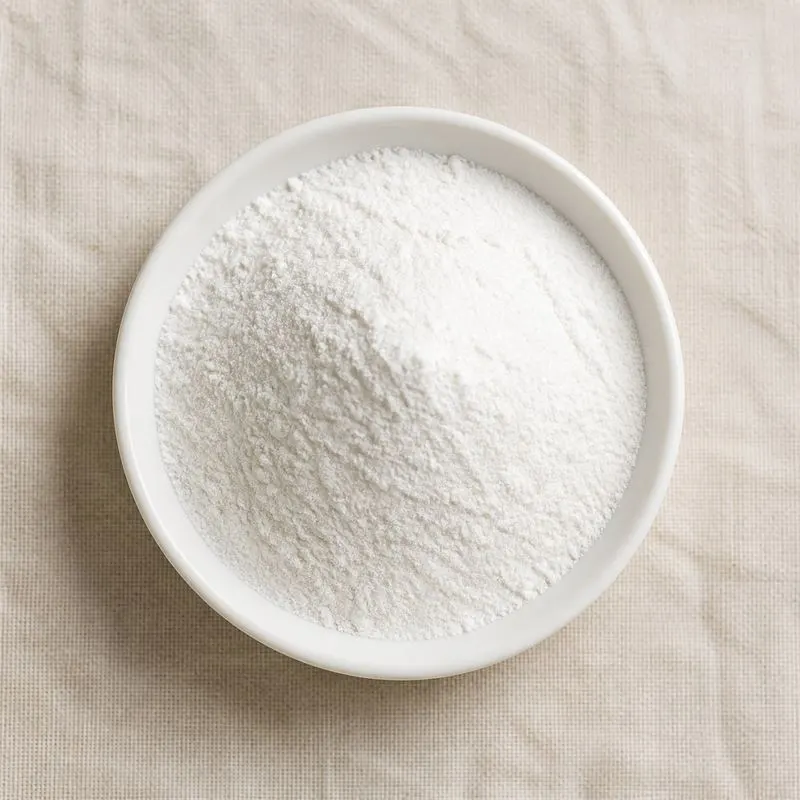
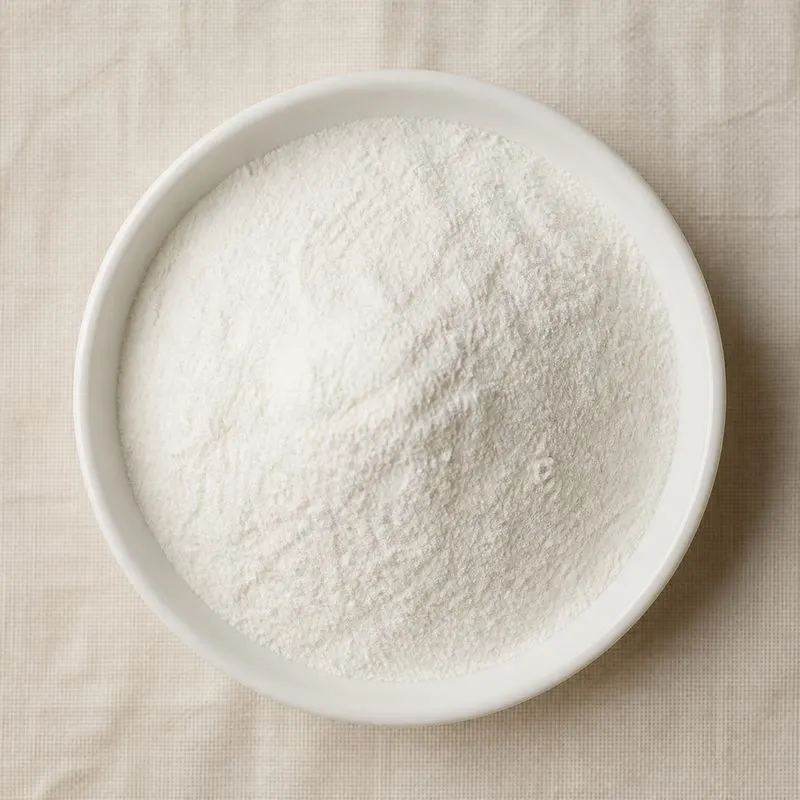
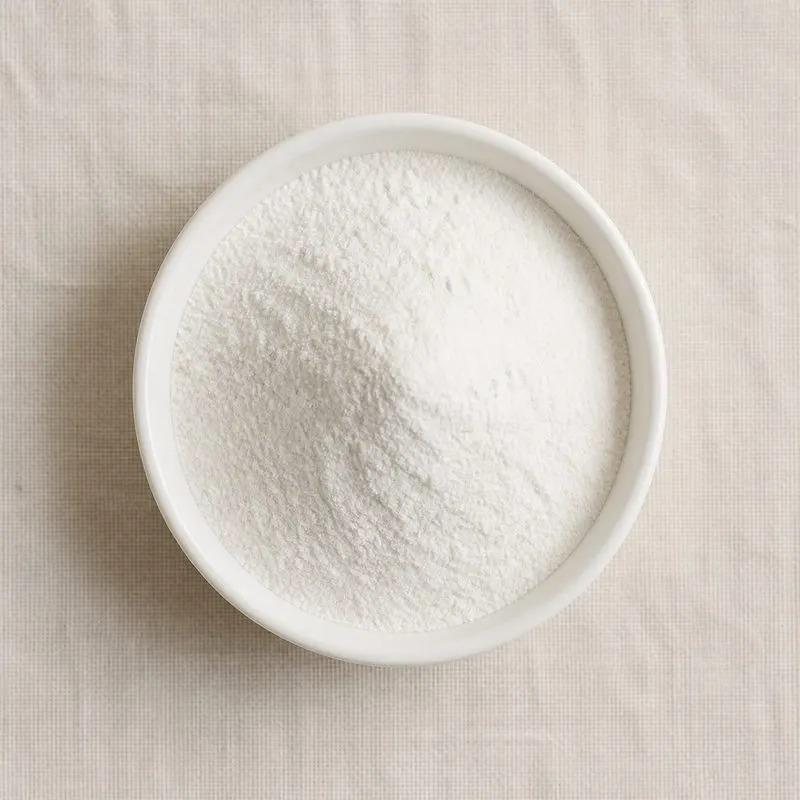
The material is a light brown to tan fine powder with an earthy, faintly bitter taste and a moisture content of about 5 percent. Freeze drying leaves a porous structure that rehydrates and disperses readily, though the polysaccharides give a partial suspension rather than a clear solution. The powder is hygroscopic and darkens on exposure to light and humidity, so it is packed in aluminium foil laminate and stored dry and cool.
We source bulk Reishi Fermented Freeze Dried from top China manufacturers for our partners. The manufacturer is in Zhejiang. A smaller requirement can ship in a combined container with other ingredients.
Please send the grade you need, the volume and your destination port, and we will come back with a solution and a price.
or call +86-21-6858 0751
- Function
- Probiotic
Specifications
| Item | Specification |
|---|---|
| Appearance | Light brown to tan fine powder |
| Odour and Taste | Characteristic earthy, faintly bitter |
| Identification | Ganoderma lucidum confirmed by DNA sequencing or TLC profile |
| Polysaccharides | ≥ 20.0% by colorimetric assay, per grade |
| Total Triterpenes | ≥ 2.0% where declared |
| Moisture | ≤ 6.0% |
| Ash | ≤ 8.0% |
| Particle Size | ≥ 95% through 80 mesh |
| Lead | ≤ 1.0 mg/kg |
| Arsenic | ≤ 1.0 mg/kg |
| Cadmium | ≤ 0.5 mg/kg |
| Total Plate Count | ≤ 10,000 CFU/g |
| Yeast and Mould | ≤ 100 CFU/g |
| E. coli | Absent in 1 g |
| Salmonella | Absent in 25 g |
Common Markets Grades
The primary grading basis is polysaccharide content, determined colorimetrically and declared as a minimum, with 10, 20 and 30 percent being the common trade points. Where the triterpene fraction is the target, a separate declaration of total triterpenes is specified, and a dual standardised grade carrying both figures is traded at a premium.
A second distinction is what part of the culture is dried. Whole broth powder retains the extracellular polysaccharides secreted into the medium as well as the mycelium, while separated mycelium powder is washed free of residual medium and gives a cleaner profile with lower ash. Spray dried versions of the same fermentation are cheaper but lose more of the heat sensitive fraction, so freeze drying is specified where that matters. Organic certified material grown on a certified substrate is available, and particle size is normally specified at 80 to 200 mesh depending on the dose form.
Applications
- Capsules and tablets in immune support and adaptogen supplements, the largest single outlet for the powder
- Mushroom blend powders combined with cordyceps, lion's mane or chaga for daily wellness formulations
- Instant coffee and cocoa sachets in the functional mushroom drink category, where the powder disperses without cooking
- Traditional tonic and herbal formulations, where reishi is a long established constituent
- Functional beverages and shots, using the water dispersible fraction at low inclusion because of the bitterness
- Nutrition bars and gummies, dosed low so the earthy bitter note stays within the flavour system
- Sports and recovery products positioned around stress adaptation
- Pet supplements, where mushroom polysaccharides are used in immune and senior formulations
- Cosmetic formulations, employing the polysaccharide fraction as a humectant and film former
China Manufacturers of Reishi Fermented Freeze Dried
Top Reishi Fermented Freeze Dried manufacturers in China.

Company names and logos are the property of the manufacturers themselves. They are listed here because our own directory records them as producing this ingredient. A listing is not an endorsement by them, and we do not represent them or speak on their behalf.
Regulatory Status
In the United States Ganoderma lucidum preparations are marketed as dietary ingredients under the dietary supplement framework, on the basis of documented use in the food supply before the relevant statutory date. Fermented mycelial biomass raises a labelling question that has drawn regulatory attention, since a product grown on a grain substrate and dried with that substrate must be described accurately rather than as mushroom fruiting body. Statements about immune or stress support are structure and function claims rather than authorised health claims.
In the European Union the position depends on the form. Fruiting body preparations of reishi with a documented history of consumption before May 1997 are treated as foods, whereas mycelial biomass produced by submerged fermentation may fall within the novel food regulation and require authorisation before being placed on the market, so the production route determines the regulatory pathway. Any health claim requires separate authorisation under the nutrition and health claims regulation. Codex has no commodity standard for mushroom preparations, so the general standards for contaminants, hygiene and labelling apply.
Manufacturing Process
Production starts from a preserved culture of Ganoderma lucidum, revived on agar and expanded through shake flask and seed fermenter stages. The production fermenter is charged with a medium of a carbohydrate source, usually glucose or a starch hydrolysate, an organic nitrogen source such as yeast extract, peptone or soybean meal hydrolysate, and mineral salts. The vessel is run aerobically with controlled agitation, temperature and dissolved oxygen for a cycle of several days to two weeks, and the culture grows as dispersed mycelial pellets whose shape and size strongly influence the polysaccharide yield.
At the end of the run the broth is either taken forward whole or separated by filtration or centrifugation into mycelium and supernatant. Where the extracellular fraction is wanted, the supernatant is concentrated by membrane filtration or vacuum evaporation and recombined with the washed mycelium. The material is homogenised, frozen on trays or as pellets, and freeze dried under vacuum until residual moisture falls to around 5 percent. The dried cake is milled and sieved to the specified mesh, assayed for polysaccharide content, and packed under nitrogen in foil laminate.