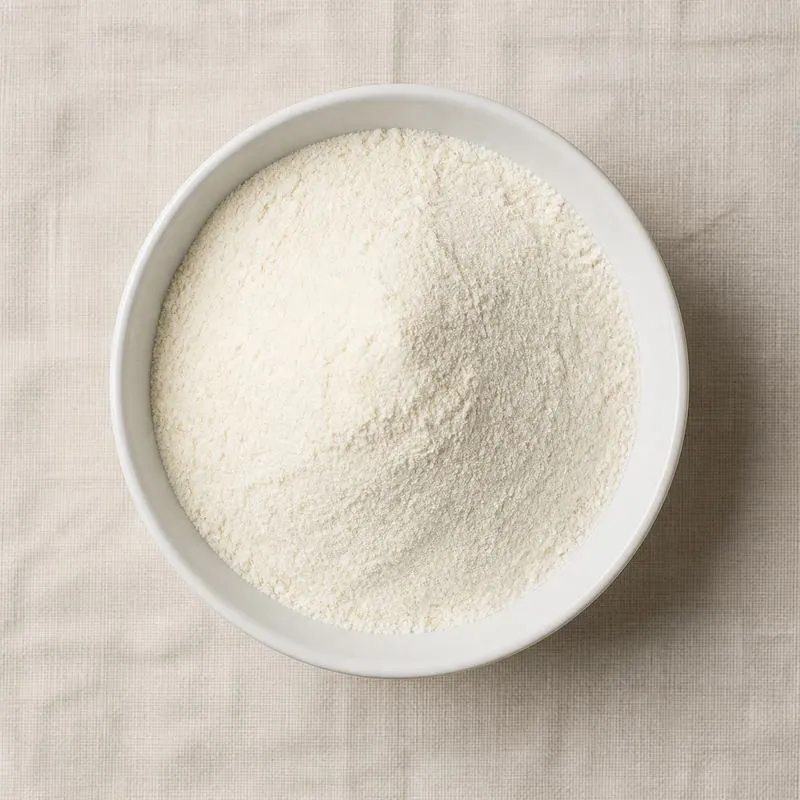
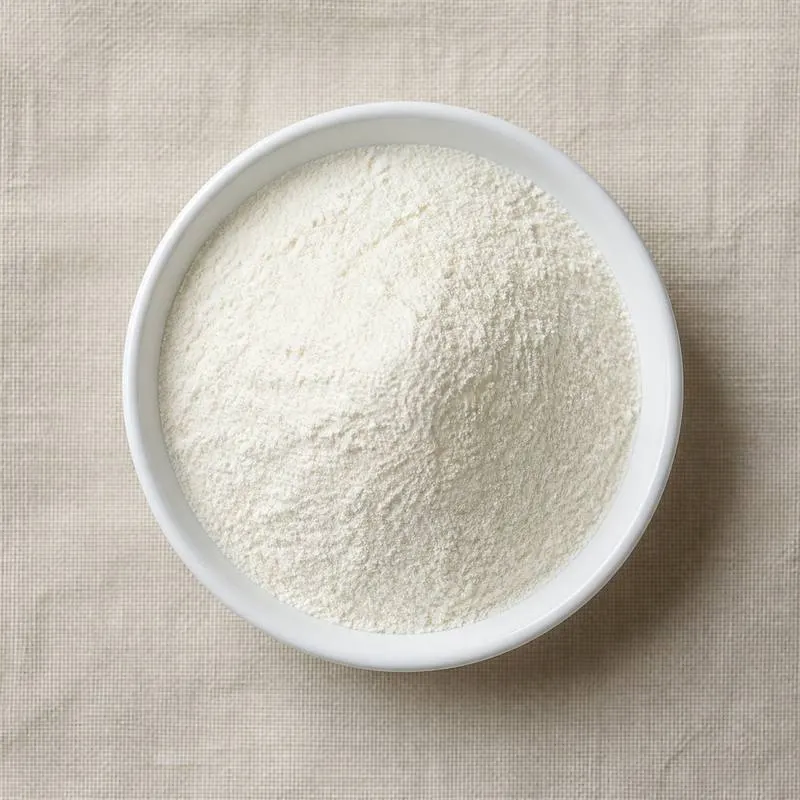
Rice Protein Peptide
Rice Protein Peptide is a partially hydrolysed rice protein that sits between intact rice protein concentrate and deeply hydrolysed rice peptide.
Mild proteolysis breaks a fraction of the peptide bonds, raising solubility and reducing viscosity, while preserving more of the functional properties of the parent protein. The product suits formulations that need better dispersion than a concentrate but cannot tolerate the bitter notes of a deep hydrolysate.
We source bulk Rice Protein Peptide from top China manufacturers for our partners. The manufacturer is in Jiangsu. A smaller requirement can ship in a combined container with other ingredients.
Please send the grade you need, the volume and your destination port, and we will come back with a solution and a price.
or call +86-21-6858 0751
- Packaging
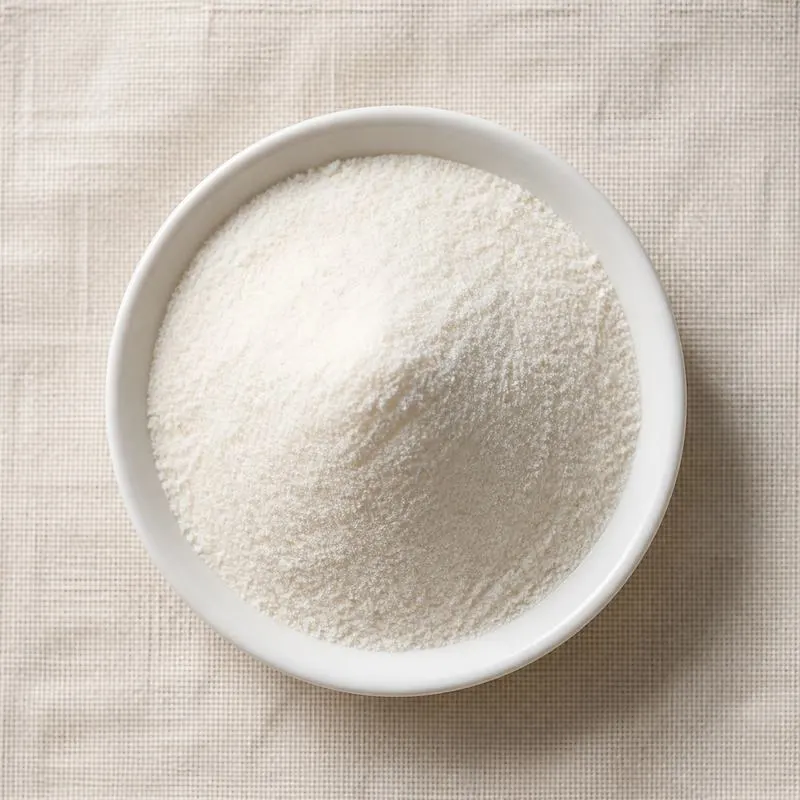
- 25 kg kraft paper bag with PE inner liner
- ISO 9001
- HACCP
- Halal
- Kosher
Specifications
| Item | Specification |
|---|---|
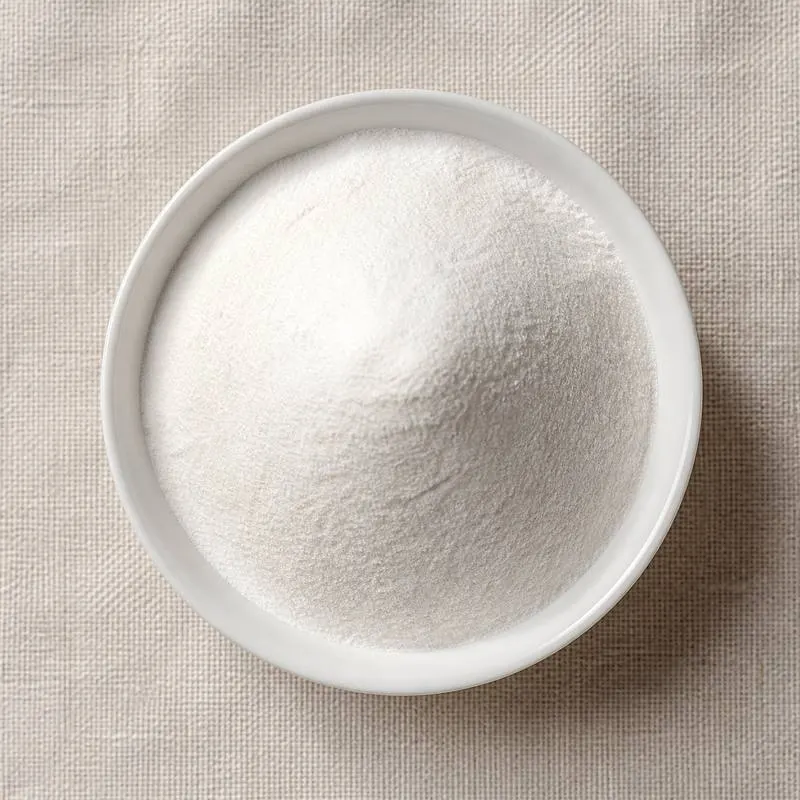
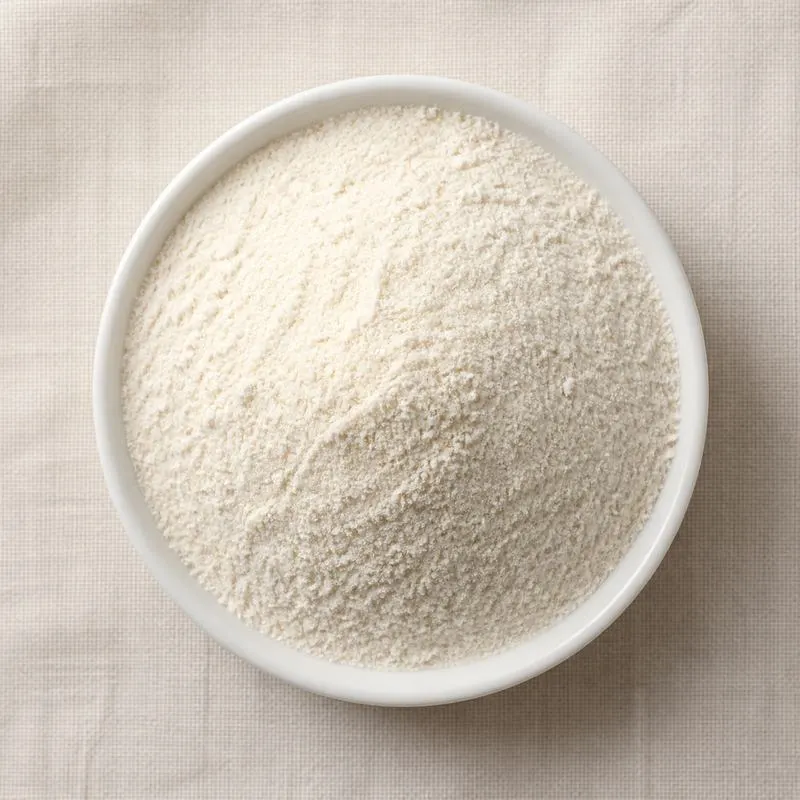
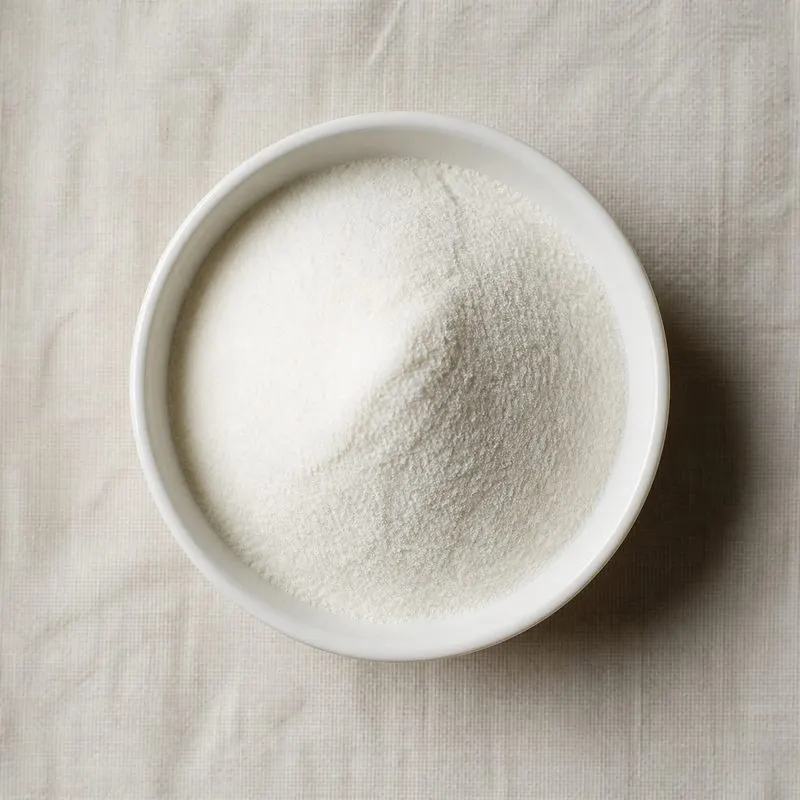
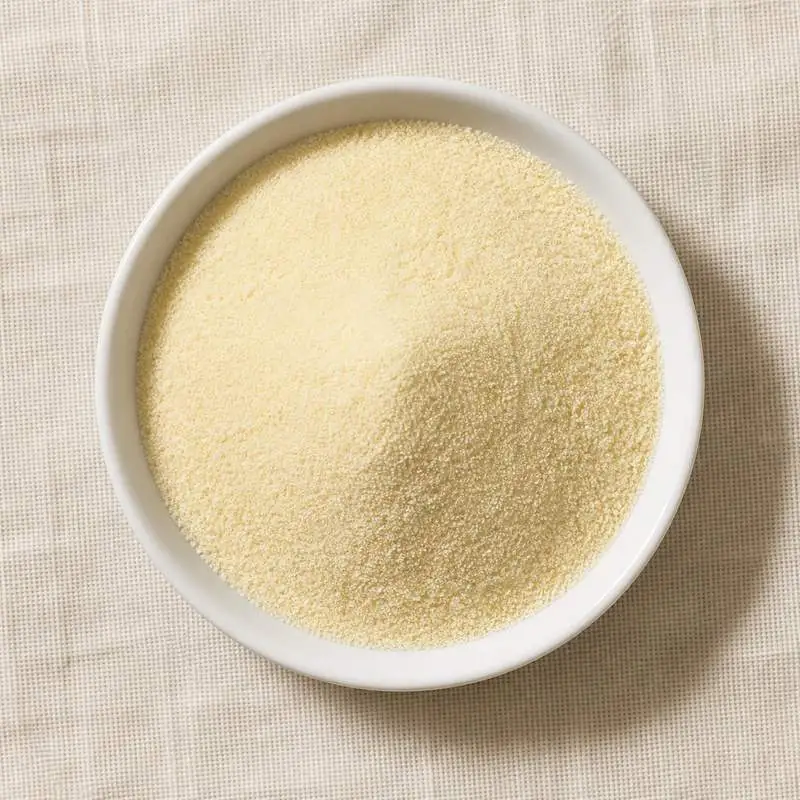
| Appearance | Light yellow fine powder |
| Protein (N×5.95) | ≥80% |
| Peptide Content | ≥85% |
| MW <3000 Da | ≥90% |
| MW <1000 Da | ≥70% |
| Free Amino Acids | ≤15% |
| Moisture | ≤7.0% |
| Ash | ≤6.0% |
| Solubility | ≥98% |
| Gluten | <20 ppm |
| Heavy Metals (as Pb) | ≤1 mg/kg |
| Salmonella | Absent in 25g |
Common Markets Grades
Rice Protein Peptide is graded by degree of hydrolysis, protein assay, and solubility at neutral pH.
The mainstream grade carries a degree of hydrolysis of 5 to 12 percent and a protein content of 80 percent on a dry basis. Solubility at pH 7 typically exceeds 80 percent.
Beverage grades target higher solubility above 90 percent with an additional debittering pass. Nutritional grades focus on neutral flavour and dispersibility for shake mixes.
Sensory variants include a lighter colour grade produced from endosperm-only protein, and a richer brown grade from whole brown rice. Both come in agglomerated and standard spray-dried formats.
Organic and non-GMO certified material is sold at modest premiums to conventional grades.
Applications
- Ready-to-mix protein shakes with improved dispersion over intact rice protein
- Ready-to-drink protein beverages at near-neutral pH
- Plant-based dairy alternatives including non-dairy milks and yogurts
- Sports recovery formulas where intermediate digestion speed is desired
- Meal replacement and weight-management drinks
- Protein-fortified soups and savory broths
- Protein bars where lower viscosity helps dough handling
- Bakery applications: high-protein breads, muffins, and pancakes
- Elderly nutrition products targeting palatability and easy mixing
- Plant-based meat analogs as a soluble protein component
- Cosmetic conditioners and skin formulations as a film-forming peptide source
Brands Using Rice Protein Peptide
Widely-distributed consumer products that list Rice Protein Peptide on the ingredient label.
Brand names, product names and logos are the property of their owners. They appear here as published evidence that the ingredient is used, taken from the brand's own label or website. Their appearance is not an endorsement, and it does not mean the brand buys from us or from any manufacturer listed on this site.
China Manufacturers of Rice Protein Peptide
Top Rice Protein Peptide manufacturers in China.
Company names and logos are the property of the manufacturers themselves. They are listed here because our own directory records them as producing this ingredient. A listing is not an endorsement by them, and we do not represent them or speak on their behalf.
How We Help Source Rice Protein Peptide
Direct Factory Sourcing
We run the whole process: selecting the manufacturer from the top Chinese food ingredient producers, negotiating the price, verifying quality, and coordinating the logistics. You deal with us instead of with several factories at once.
Original Packaging and Documents from the Manufacturer
The manufacturer sends your Rice Protein Peptide out of its own factory in the original packing, through to your destination port. The COA, COO, MSDS, TDS and any certifications reach you from the manufacturer as well.
Free Samples and Lead Time
We send 100 to 500 g free for your own laboratory to test and you cover only the courier, usually within 2 to 3 working days. ETD is usually within 7 to 15 days once the order is confirmed, and we check that date against the factory's own manufacturing schedule before we give it to you.
Combined Shipment
We can load Rice Protein Peptide together with other ingredients such as Collagen Peptide, Soy Protein Isolate and Fish Collagen Peptide into one 20' FCL. If your quantity is small, we can also ship LCL.
Regulatory Status
Rice Protein Peptide is regulated as a food ingredient derived from a conventional food source.
In the United States it is treated as Generally Recognized as Safe when produced from food-grade rice protein using food-grade enzymes. No specific premarket clearance applies.
In the European Union it is treated as a standard food ingredient and does not require Novel Food authorisation. The ingredient class has a documented history of use predating May 1997.
Allergen labelling is not required in the major markets, since rice is not classified as a priority allergen.
Kosher, Halal, vegan, and non-GMO certifications are routinely available. Organic certification is produced where the input rice and processing aids meet the relevant standards.
Manufacturing Process
Rice Protein Peptide is manufactured by mild enzymatic hydrolysis of food-grade rice protein concentrate.
The concentrate is slurried in water and heated to the optimal temperature for the chosen protease, typically 50 to 60 degrees Celsius. A food-grade endoprotease is dosed at low enzyme-to-substrate ratio to ensure controlled, partial hydrolysis.
The reaction is monitored by pH-stat or by direct degree of hydrolysis measurement. The enzyme is inactivated by a short heat treatment at 85 to 90 degrees Celsius once the target degree of hydrolysis is reached.
The hydrolysate is centrifuged to remove insolubles, optionally polished with activated carbon for colour and bitterness reduction, then concentrated and spray-dried.
Compared to deep hydrolysis, the milder process retains more secondary structure in the surviving peptides. This is what preserves emulsification and modest foaming capacity that intact rice protein offers.