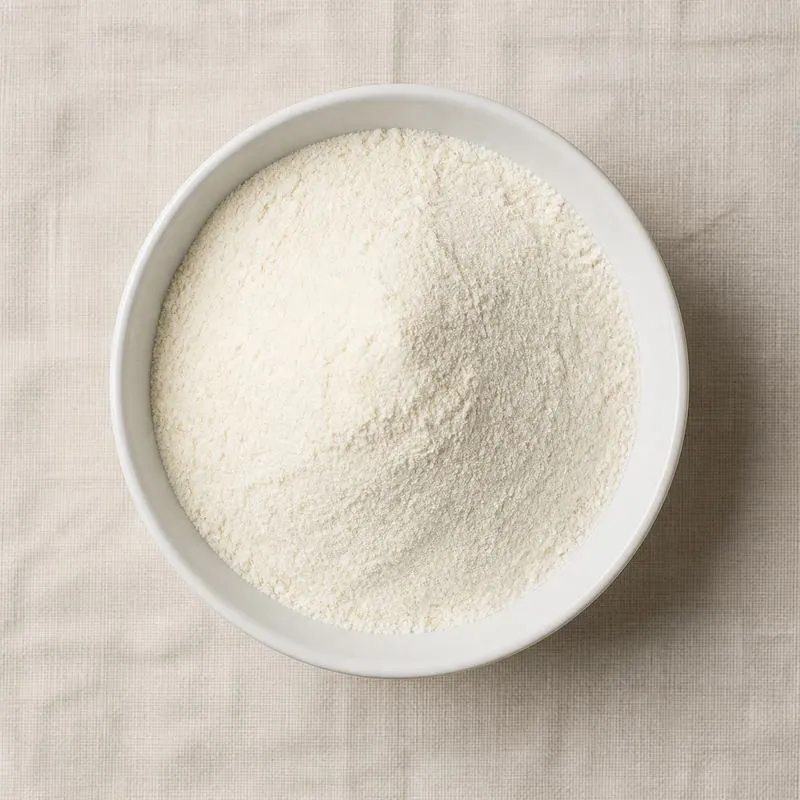
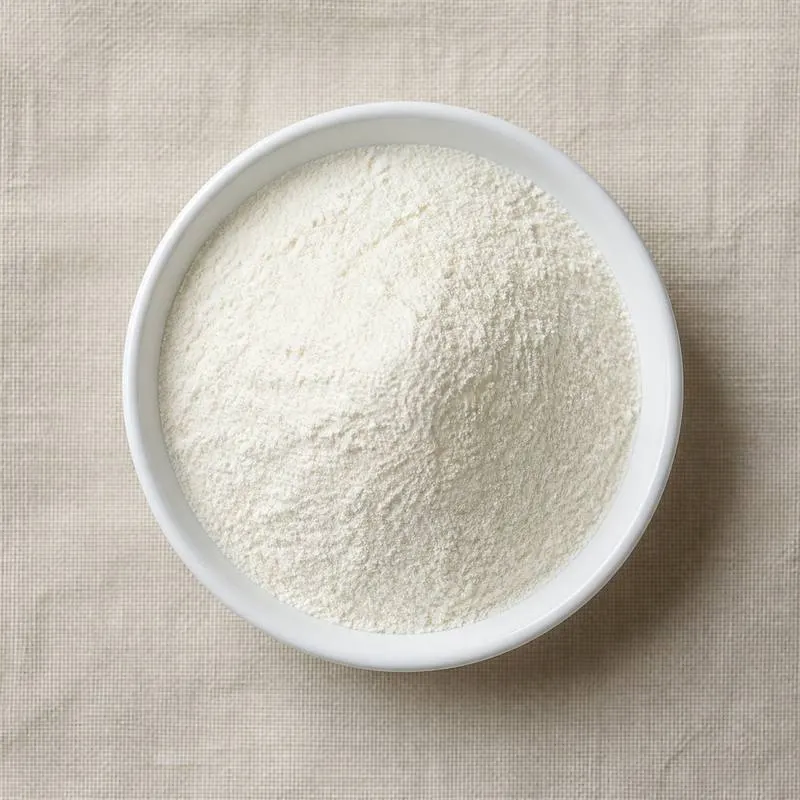
Rice Peptide
Rice Peptide is the enzymatic hydrolysate of rice protein, produced by controlled proteolysis of brown rice or rice endosperm protein into shorter peptide chains and free amino acids.
The hydrolysis raises solubility, lowers viscosity, and shortens gastric transit, which makes the product suitable for clear protein drinks, medical nutrition, and cosmetics where intact rice protein cannot perform.
We source bulk Rice Peptide from top China manufacturers for our partners. The manufacturer is in Jiangxi. A smaller requirement can ship in a combined container with other ingredients.
Please send the grade you need, the volume and your destination port, and we will come back with a solution and a price.
or call +86-21-6858 0751
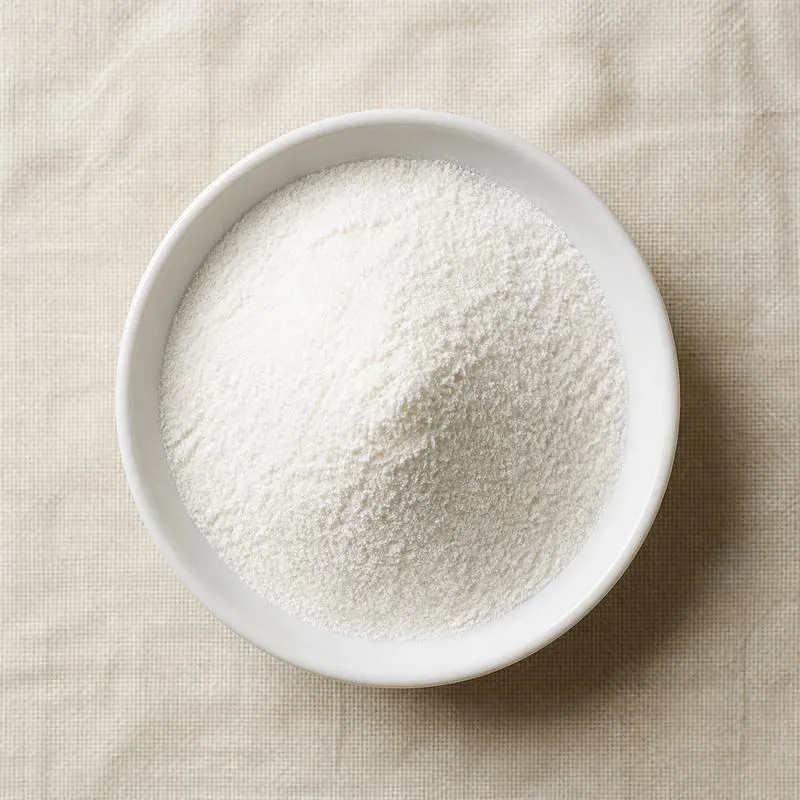
- Packaging
- 25 kg kraft paper bag with PE inner liner
- ISO 9001
- HACCP
- Halal
- Kosher
Specifications
| Item | Specification |
|---|---|
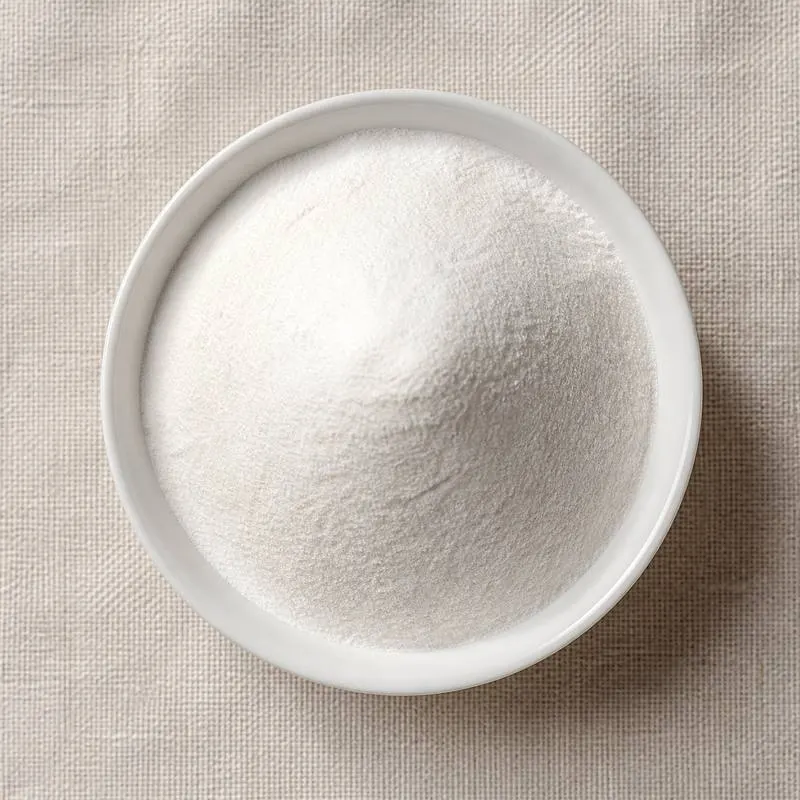
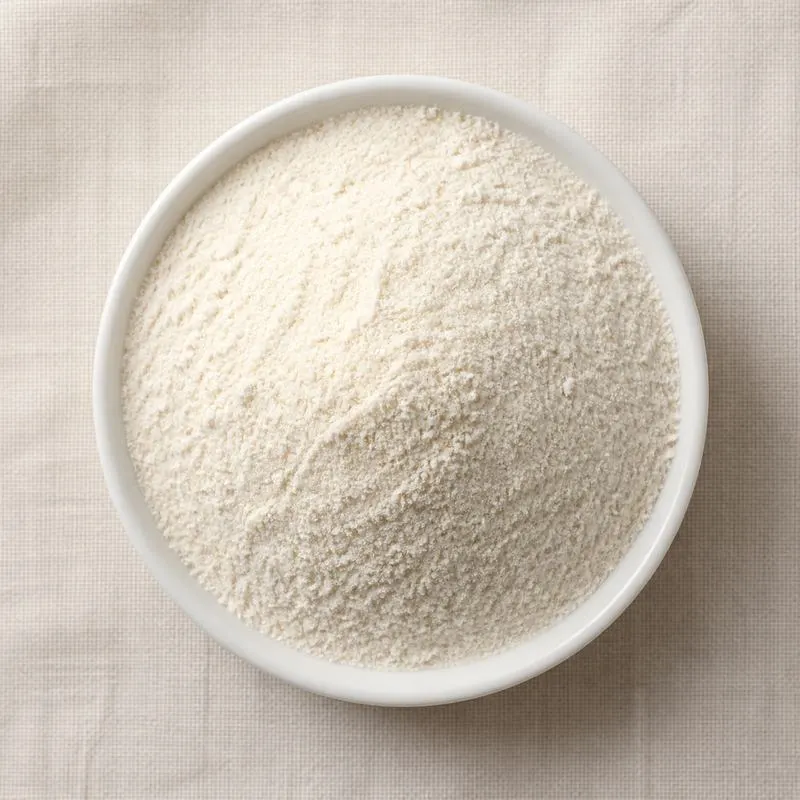
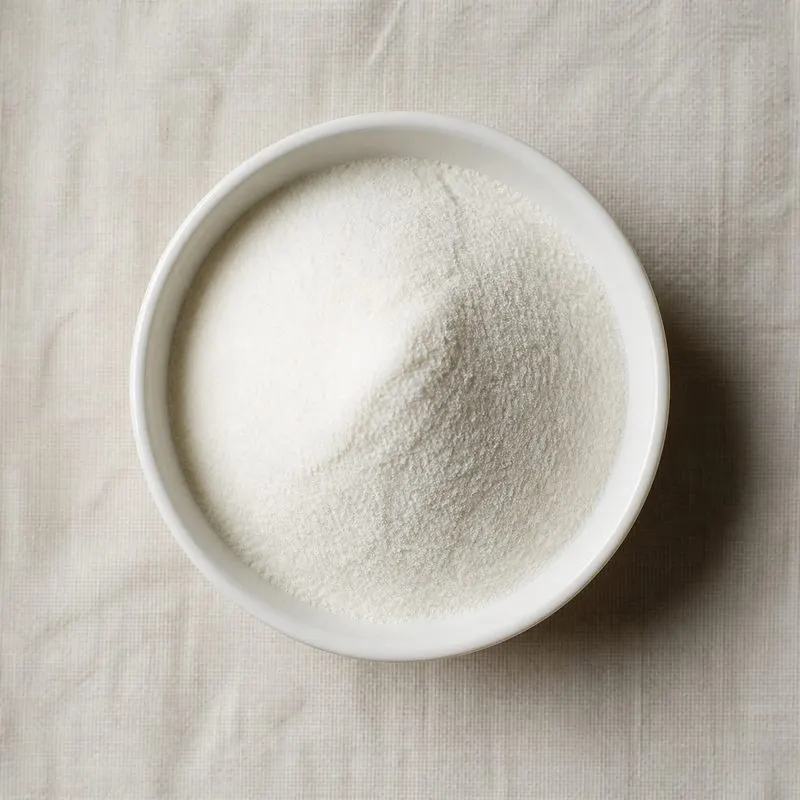
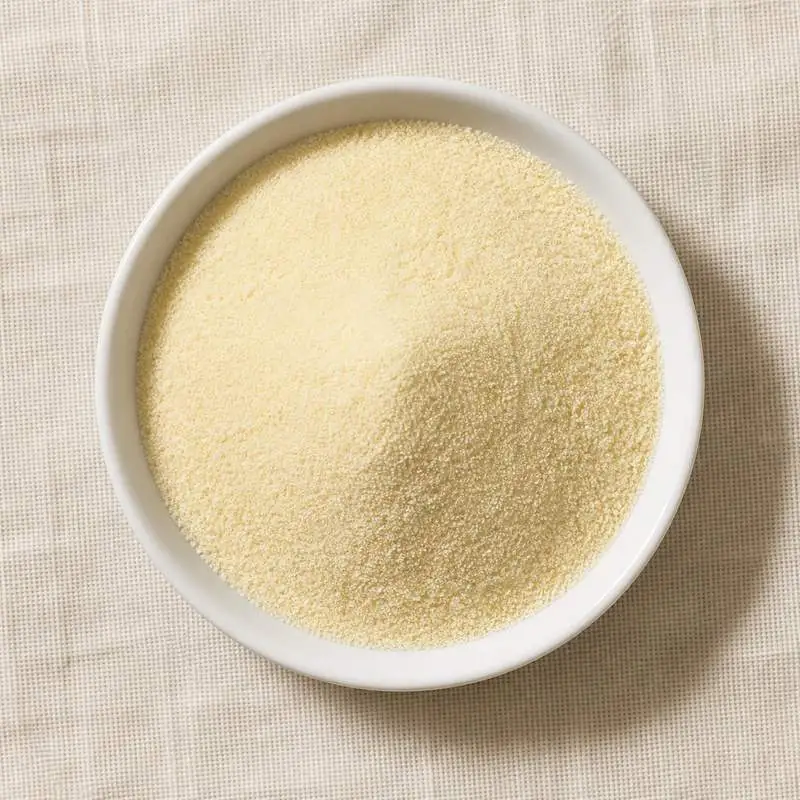
| Appearance | Light yellow fine powder |
| Protein (dry basis, N×5.95) | ≥80% |
| Peptide Content | ≥85% |
| MW <3000 Da | ≥90% |
| Free Amino Acids | ≤15% |
| Moisture | ≤7.0% |
| Ash | ≤6.0% |
| Fat | ≤1.0% |
| Solubility | ≥98% |
| Gluten | <20 ppm |
| Heavy Metals (as Pb) | ≤1 mg/kg |
| Total Plate Count | ≤10,000 cfu/g |
| Salmonella | Absent in 25g |
Common Markets Grades
Rice Peptide is graded by degree of hydrolysis (DH), molecular weight distribution, and intended application.
Light hydrolysates at DH 5 to 10 percent retain protein-like functionality with improved solubility. They are used in fortified beverages and dairy alternatives.
Medium hydrolysates at DH 15 to 25 percent are the standard grade for sports nutrition and clinical drinks. Average peptide length sits around 5 to 10 amino acids and solutions are clear at neutral pH.
Deep hydrolysates at DH above 30 percent approach a mixture of di- and tripeptides plus free amino acids. These are used in elemental medical nutrition, hypoallergenic infant feeds, and cosmetic actives.
Debittered and decolorised variants are produced for beverage applications. Spray-dried and agglomerated powders are the standard delivery formats.
Applications
- Clear ready-to-drink protein beverages stable at acidic pH
- Sports recovery drinks designed for rapid amino acid uptake
- Medical nutrition for patients with impaired digestion or absorption
- Hypoallergenic infant formulas where intact protein triggers immune reactions
- Elderly nutrition and sarcopenia-targeted products
- Energy gels and pre-workout formulations
- Fermentation feedstock as a nitrogen source for microbial cultures
- Plant-based dairy alternatives where peptide solubility is required
- Cosmetic actives for hair conditioning and skin moisturization
- Functional foods marketed for blood-pressure or glucose-management support
- Confectionery and chewing gum as a protein fortifier without grittiness
Brands Using Rice Peptide
Widely-distributed consumer products that list Rice Peptide on the ingredient label.
Brand names, product names and logos are the property of their owners. They appear here as published evidence that the ingredient is used, taken from the brand's own label or website. Their appearance is not an endorsement, and it does not mean the brand buys from us or from any manufacturer listed on this site.
China Manufacturers of Rice Peptide
Top Rice Peptide manufacturers in China.
Company names and logos are the property of the manufacturers themselves. They are listed here because our own directory records them as producing this ingredient. A listing is not an endorsement by them, and we do not represent them or speak on their behalf.
How We Help Source Rice Peptide
Direct Factory Sourcing
We run the whole process: selecting the manufacturer from the top Chinese food ingredient producers, negotiating the price, verifying quality, and coordinating the logistics. You deal with us instead of with several factories at once.
Original Packaging and Documents from the Manufacturer
The manufacturer sends your Rice Peptide out of its own factory in the original packing, through to your destination port. The COA, COO, MSDS, TDS and any certifications reach you from the manufacturer as well.
Free Samples and Lead Time
We send 100 to 500 g free for your own laboratory to test and you cover only the courier, usually within 2 to 3 working days. ETD is usually within 7 to 15 days once the order is confirmed, and we check that date against the factory's own manufacturing schedule before we give it to you.
Combined Shipment
We can load Rice Peptide together with other ingredients such as Collagen Peptide, Soy Protein Isolate and Fish Collagen Peptide into one 20' FCL. If your quantity is small, we can also ship LCL.
Regulatory Status
Rice Peptide is regulated as a food ingredient derived from a conventional food source.
In the United States it is treated as Generally Recognized as Safe when produced from food-grade rice protein using food-grade enzymes. No premarket approval is required for the peptide itself.
In the European Union it is treated as a standard food ingredient and does not require Novel Food authorisation, given the documented use of rice protein hydrolysates in food and medical nutrition.
Specific health claims regarding blood pressure or other physiological endpoints are subject to the claim approval process in each jurisdiction. Marketing without approved claims is the routine practice.
Kosher, Halal, vegan, and non-GMO certifications exist. Allergen labelling is not required in the major markets, as rice is not a regulated priority allergen.
Manufacturing Process
Rice Peptide is produced by enzymatic hydrolysis of food-grade rice protein concentrate or isolate.
A slurry of rice protein in water is heated and pH-adjusted to the optimum range of the selected protease. Food-grade proteases of microbial origin, most often from Bacillus licheniformis or Aspergillus oryzae, are added in controlled doses.
The hydrolysis is run until the target degree of hydrolysis is reached, then the enzymes are inactivated by a short heat step. The hydrolysate is centrifuged or filtered to remove insolubles, decolorised with activated carbon, and concentrated.
Bitter peptides generated during hydrolysis are cut back by exopeptidase polishing, adsorption on hydrophobic resins, or by careful selection of the primary protease. Final solutions are spray-dried.
Membrane fractionation by ultrafiltration or nanofiltration is used to deliver narrow molecular weight cuts for medical and cosmetic grades.