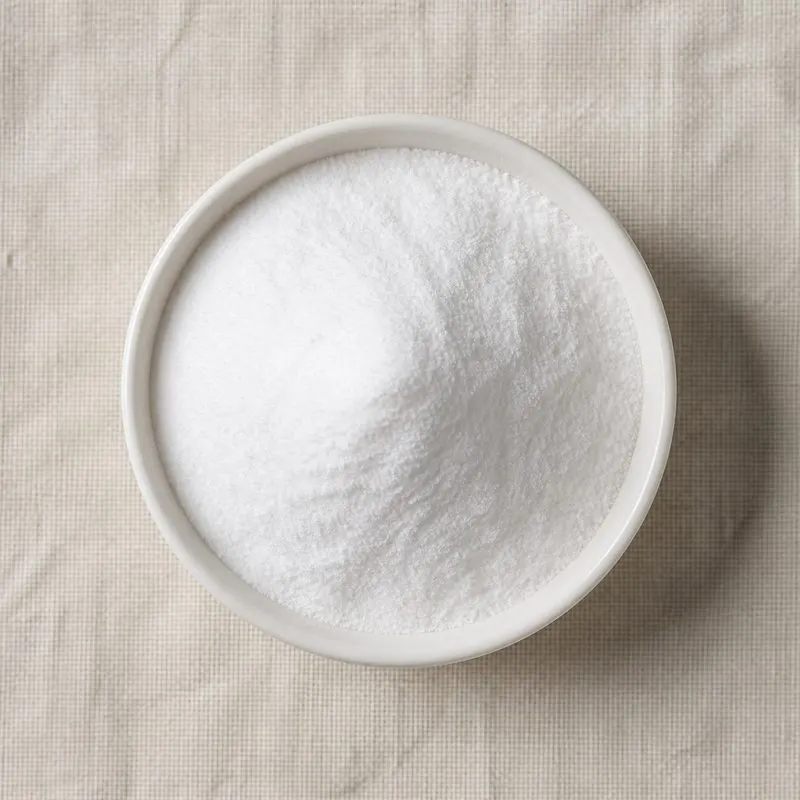
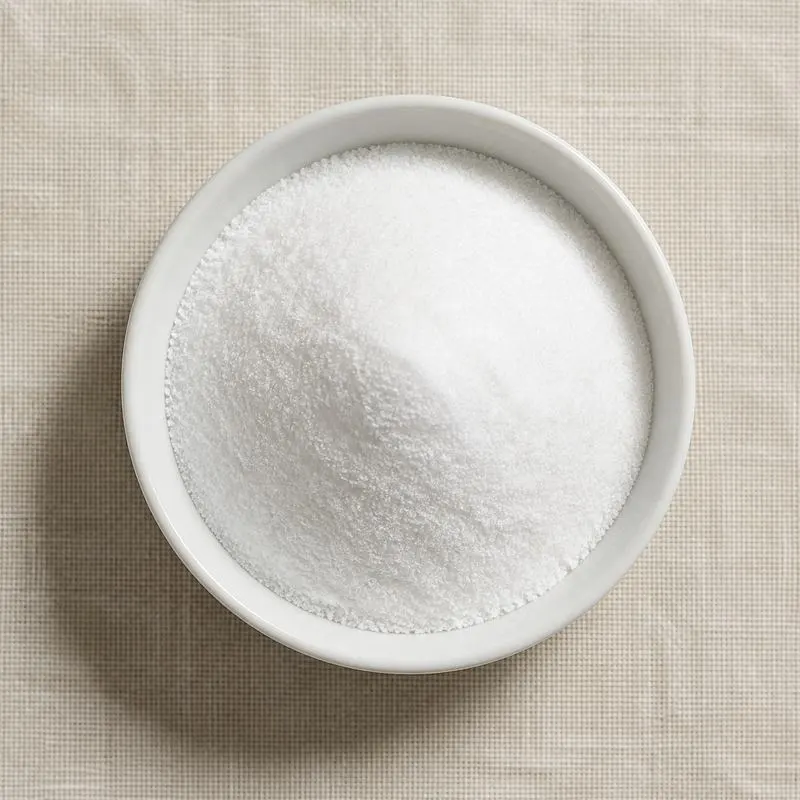
Rock Sugar Syrup
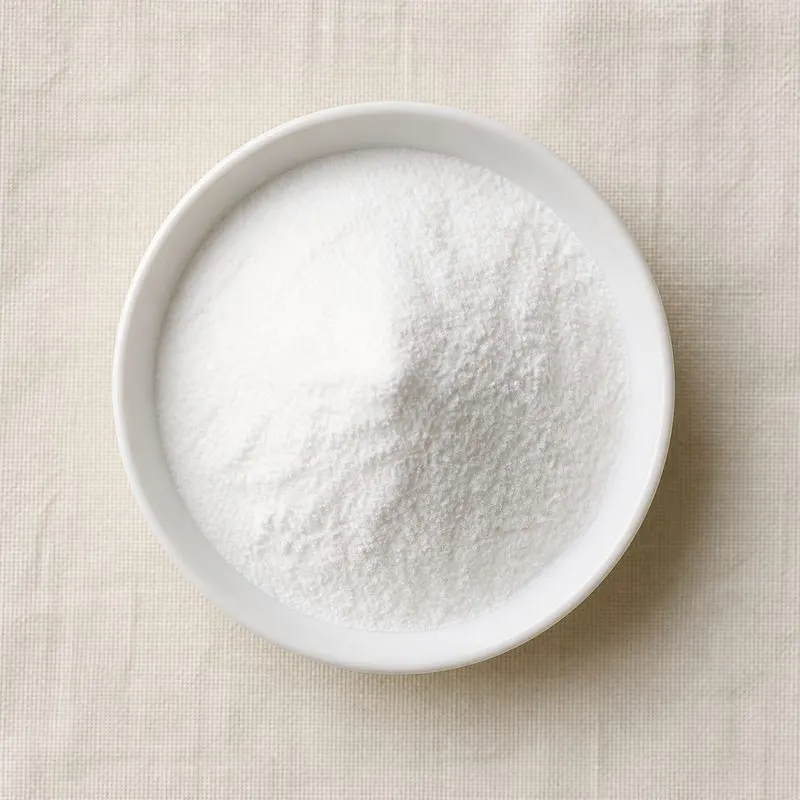
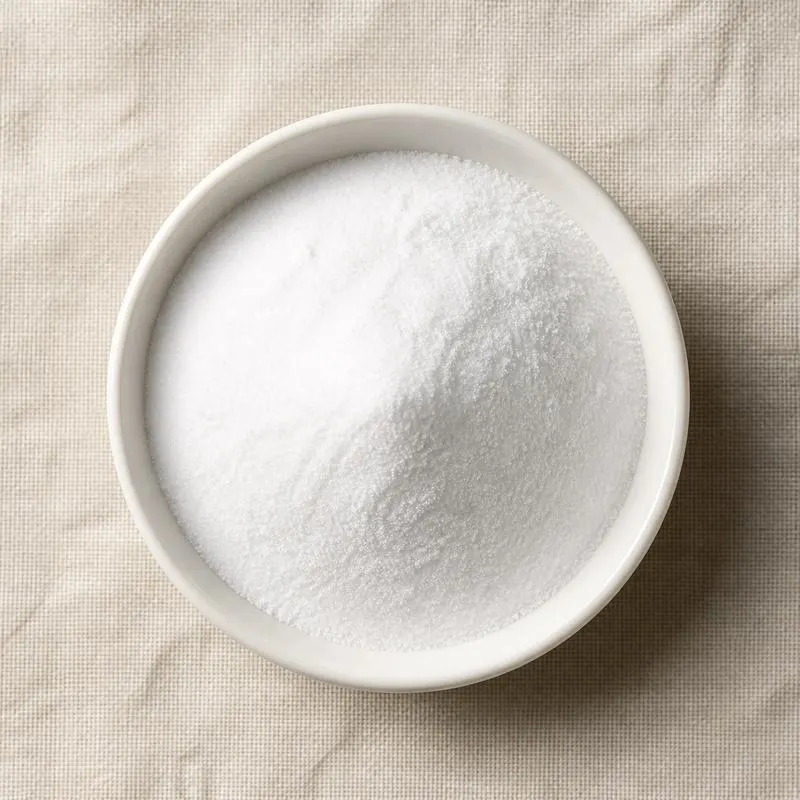
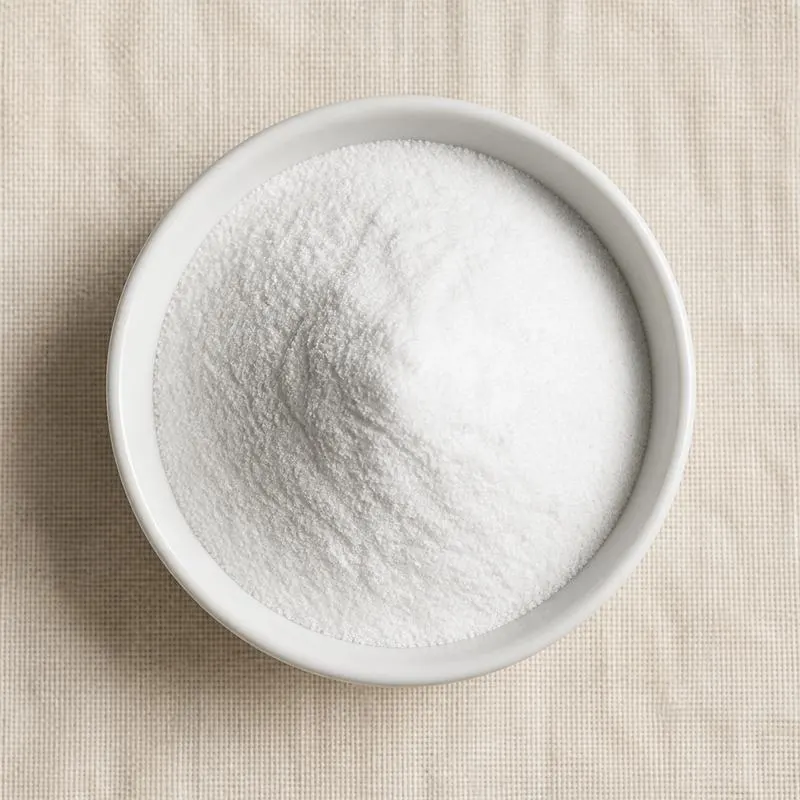
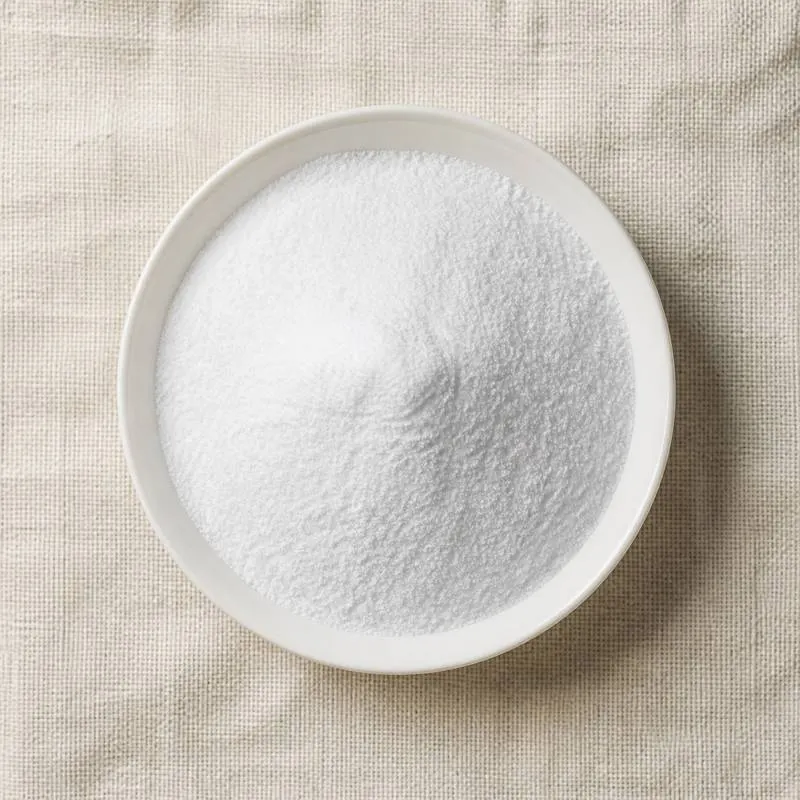
Rock sugar syrup is a clear liquid sweetener produced by dissolving and refining rock sugar, the large single crystal form of sucrose, into a concentrated aqueous solution. It is a Chinese market product in origin, developed for the tea beverage trade, where the clean and slightly rounded sweetness associated with rock sugar is preferred to that of ordinary white granulated sugar.
In composition the syrup is sucrose in water, usually at 65 to 75 degrees Brix, with a small and controlled proportion of invert sugar generated during dissolution and heating. That partial inversion suppresses crystallisation on cooling and gives the syrup its long shelf stability at ambient temperature. Colour is very low, in the range of a refined liquid sugar, and ash and turbidity are held down so that the syrup does not cloud an iced tea or a light fruit drink.
It ships as a pourable to slightly viscous liquid in drums, jerricans or bulk totes. The syrup is fully miscible with water at all ratios, dissolves instantly in cold beverage bases without the dissolution lag of crystalline sugar, and is stable to pasteurisation. High acid conditions and prolonged heat drive further inversion, which raises reducing sugar and increases browning during any subsequent heat step.
We source bulk Rock Sugar Syrup from top China manufacturers for our partners. The manufacturer is in Guangxi. A smaller requirement can ship in a combined container with other ingredients.
Please send the grade you need, the volume and your destination port, and we will come back with a solution and a price.
or call +86-21-6858 0751
- Function
- Sweetener
Specifications
| Item | Specification |
|---|---|
| Appearance | Clear, colourless to pale straw viscous liquid, free of sediment |
| Total soluble solids | 75.0 plus or minus 1.0 degrees Brix |
| Sucrose content | 95.0 percent minimum on dry solids |
| Invert sugar | 5.0 percent maximum on dry solids |
| Colour | 45 ICUMSA units maximum |
| Turbidity | Clear, no visible haze at 20 degrees Celsius |
| pH | 5.0 to 7.0 |
| Ash, sulphated | 0.05 percent maximum |
| Sulphur dioxide | 10 mg/kg maximum |
| Lead | 0.5 mg/kg maximum |
| Arsenic | 0.5 mg/kg maximum |
| Total plate count | 200 cfu/g maximum |
| Yeast and mould | 50 cfu/g maximum |
| Salmonella | Absent in 25 g |
Common Markets Grades
The syrup is traded principally on solids content and colour. Common specifications sit at 65, 70 and 75 degrees Brix, with the higher solids grades favoured for freight economy and the lower grades for direct dosing through beverage pumps. Colour is specified in ICUMSA units, with the tightest beverage grades held to low double digit values and general purpose grades allowed to run higher.
Two further variants are traded. A partially inverted grade carries a declared invert sugar percentage and is used where crystallisation risk in cold storage must be eliminated. A caramelised or golden grade is cooked to develop colour and a light caramel note, and is used in braising sauces and in milk tea bases where a darker syrup is wanted. Preservative free and preservative containing versions both exist, and the preserved version is used where the syrup is handled open in food service.
Applications
- Freshly brewed tea beverages and bubble tea, dosed directly into the cup as the sweetening base because it disperses in cold liquid without leaving undissolved sugar
- Coffee shop syrups and iced coffee, where a crystalline sugar would settle undissolved at the bottom of the cup
- Carbonated soft drinks and flavoured waters, replacing dry sugar dissolution and the syrup room it requires
- Chinese braised dishes and red cooked sauces, where the syrup contributes sweetness and surface gloss during reduction
- Fruit preserves, canned fruit packing liquors and fruit in syrup, controlling the Brix of the packing medium
- Bakery glazes, soaking syrups and moist sponge finishing, adding sweetness and holding moisture in the crumb
- Dairy drinks and yoghurt drinks, where instant solubility avoids grit in a chilled product
- Cocktail and bar mixers, used as the sugar component that will not recrystallise in a chilled bottle
China Manufacturers of Rock Sugar Syrup
Top Rock Sugar Syrup manufacturers in China.

Company names and logos are the property of the manufacturers themselves. They are listed here because our own directory records them as producing this ingredient. A listing is not an endorsement by them, and we do not represent them or speak on their behalf.
Regulatory Status
Rock sugar syrup is a sugar product rather than a food additive. In the United States it falls under the general status of sucrose and invert sugar syrups, both of which the Food and Drug Administration treats as generally recognised as safe food ingredients, and it is labelled as sugar or sugar syrup according to its composition. Sucrose and invert sugar syrup each have their own identity and specification entries in the Food Chemicals Codex.
In the European Union the material sits under the sugars directive framework rather than the food additive regulation and carries no E number. Codex maintains standards for sugars, including white sugar and sugar solutions, which set the compositional and quality basis for traded syrup. Where a preservative is added, that preservative is the regulated component and must be declared, and where colour has been developed by cooking rather than by adding caramel colour, no additive declaration arises.
Manufacturing Process
Rock sugar or high purity refined sucrose is charged to a dissolving vessel with softened water and heated with agitation until fully in solution. The hot liquor is passed through a filter aid or membrane stage to strip suspended matter, then over activated carbon or a decolourising resin to remove colour bodies and any residual molasses character carried through from the crystal.
The clarified liquor is evaporated under vacuum to the target Brix. Vacuum evaporation is used rather than open boiling so that the syrup is concentrated at a low enough temperature to limit thermal inversion and colour formation, except in the caramelised grade where a deliberate cooking step is run to develop colour. The finished syrup is polish filtered, cooled through a plate exchanger, checked for Brix and colour, and filled hot or cold into drums or intermediate bulk containers. Where a preserved grade is made, the permitted preservative is dosed into the cooled syrup before filling.