Seabuckthorn Juice
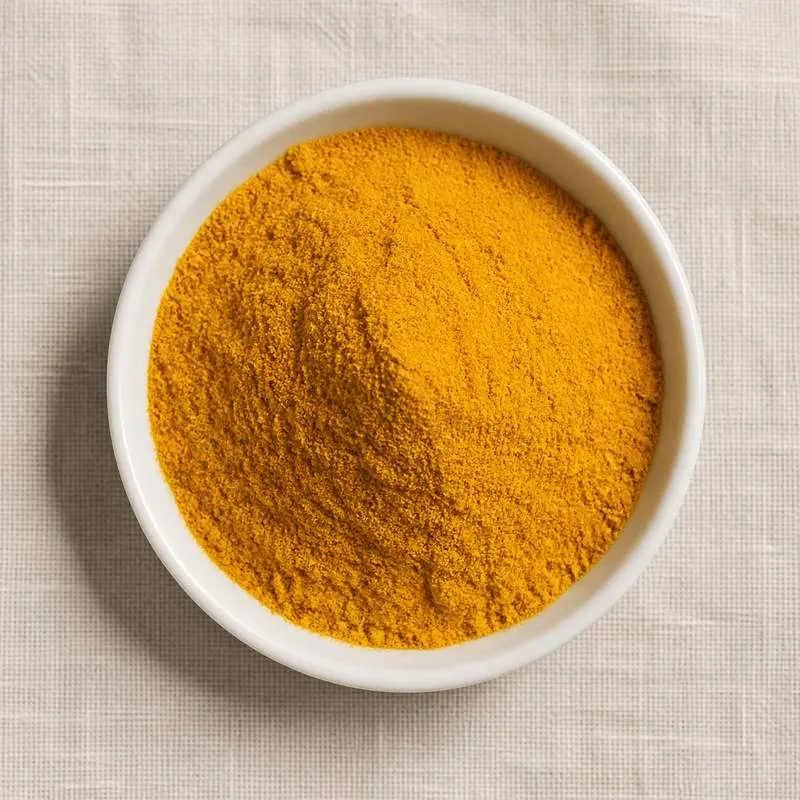
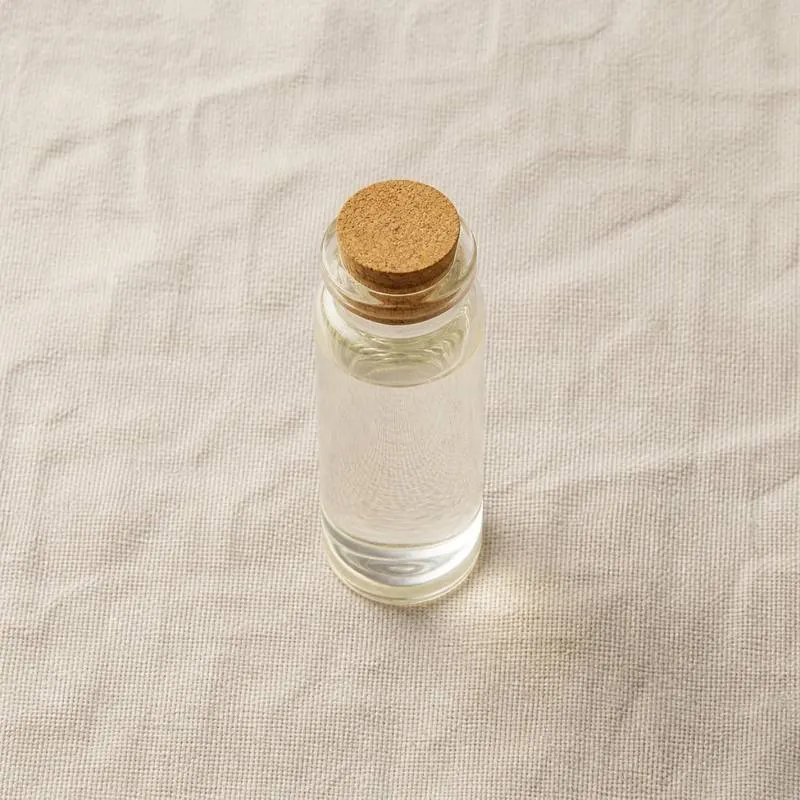
Seabuckthorn Juice is an aqueous juice concentrate produced by pressing the fresh berries of Hippophae rhamnoides L. It is a viscous, intensely orange liquid with a sharp acidic taste and a complex aromatic profile, sold as a clarified or cloudy juice depending on downstream application.
The juice retains the full water-soluble fraction of the fresh berry, including high natural vitamin C, organic acids (malic and quinic), flavonoids, water-soluble carotenoid esters, and a portion of the fruit pulp oil that carries the omega-7 fatty acid palmitoleic acid.
We source bulk Seabuckthorn Juice from top China manufacturers for our partners. The manufacturer is in Beijing. A smaller requirement can ship in a combined container with other ingredients.
Please send the grade you need, the volume and your destination port, and we will come back with a solution and a price.
or call +86-21-6858 0751
- Packaging
- 25 kg kraft paper bag with PE inner liner
- ISO 9001
- HACCP
- Halal
- Kosher
Specifications
| Item | Specification |
|---|---|
| Appearance | Orange to reddish-orange juice (pulp or clarified) |
| Form | 100% juice / concentrate (65° Brix) / spray-dried powder |
| Brix (juice) | 8–15° |
| pH | 2.5–3.5 |
| Vitamin C | ≥ 300 mg/100g (juice) |
| Total Carotenoids | ≥ 5 mg/100g |
| Total Flavonoids | ≥ 100 mg/100g |
| Total Acidity (as citric) | 2.5–5.5% |
| Heavy Metals (as Pb) | ≤ 1 mg/kg |
| Lead (as Pb) | ≤ 0.3 mg/kg |
| Arsenic (as As) | ≤ 0.5 mg/kg |
| Pesticides | Conforms to EU MRLs |
| Total Plate Count | ≤ 100 CFU/g (pasteurized) |
| Yeast & Mold | ≤ 50 CFU/g |
| E. coli | Negative/g |
| Salmonella | Negative/25g |
Common Markets Grades
Seabuckthorn Juice trades in several format and concentration tiers.
Single-strength juice (typically 12 to 14 degrees Brix native) is produced frozen or aseptically packed for beverage and culinary use. Direct-from-press cloudy juice retains the pulp and pulp-oil fraction and is the most nutrient-dense format.
Concentrated juice at 35, 50, and 65 degrees Brix is the standard trade format for beverage manufacturers and reduces shipping and storage cost. Clarified concentrates remove the pulp oil for clearer beverage formulations, while cloudy concentrates retain it.
Frozen puree formats, NFC (not-from-concentrate) packaging, and organic-certified material are widely available. Some suppliers offer a juice-and-pulp blend that preserves both water-soluble and lipid-soluble fractions in a single product.
This juice concentrate is a distinct commercial product from the dry standardised extract. Different applications favor different formats based on dosage form, processing temperature, and label positioning.
Applications
- Functional beverages, juice blends, shots, and ready-to-drink wellness formats
- Smoothie and cold-pressed juice line additions
- Cordials, syrups, and concentrate-based dilution drinks
- Yogurt drinks, kefir, and other cultured-dairy beverages
- Confectionery: gummies, jellies, fruit pastes, and sorbet bases
- Bakery fillings, jams, marmalades, and fruit preserves
- Ice cream, sorbet, and frozen dessert bases
- Culinary use in sauces, vinaigrettes, marinades, and glazes
- Sports nutrition liquid blends targeting natural vitamin C delivery
- Craft beverage applications: meads, ciders, kombucha, and infused spirits
- Infant and toddler liquid food blends
- Liquid herbal and traditional medicine preparations
Brands Using Seabuckthorn Juice
Widely-distributed consumer products that list Seabuckthorn Juice on the ingredient label.
Brand names, product names and logos are the property of their owners. They appear here as published evidence that the ingredient is used, taken from the brand's own label or website. Their appearance is not an endorsement, and it does not mean the brand buys from us or from any manufacturer listed on this site.
China Manufacturers of Seabuckthorn Juice
Top Seabuckthorn Juice manufacturers in China.
Company names and logos are the property of the manufacturers themselves. They are listed here because our own directory records them as producing this ingredient. A listing is not an endorsement by them, and we do not represent them or speak on their behalf.
How We Help Source Seabuckthorn Juice
Direct Factory Sourcing
We run the whole process: selecting the manufacturer from the top Chinese food ingredient producers, negotiating the price, verifying quality, and coordinating the logistics. You deal with us instead of with several factories at once.
Original Packaging and Documents from the Manufacturer
The manufacturer sends your Seabuckthorn Juice out of its own factory in the original packing, through to your destination port. The COA, COO, MSDS, TDS and any certifications reach you from the manufacturer as well.
Free Samples and Lead Time
We send 100 to 500 g free for your own laboratory to test and you cover only the courier, usually within 2 to 3 working days. ETD is usually within 7 to 15 days once the order is confirmed, and we check that date against the factory's own manufacturing schedule before we give it to you.
Combined Shipment
We can load Seabuckthorn Juice together with other ingredients such as Astaxanthin, Dehydrated Garlic and Lutein into one 20' FCL. If your quantity is small, we can also ship LCL.
Regulatory Status
Seabuckthorn Juice is widely accepted as a food ingredient.
The berry and its juice have a long history of food use across the Eurasian range of the plant, supporting conventional food ingredient status in the European Union, the United States, Canada, and Japan. No novel food authorisation is required for the juice in mainstream markets.
China includes sea buckthorn in its official list of substances used as both food and traditional medicine. Russia and Mongolia have built dedicated food and pharmaceutical categories around the juice and oil. Finland and the Baltic states are significant European producers of certified-organic juice.
The INCI name for cosmetic use is Hippophae Rhamnoides Fruit Juice. Organic, Kosher, and Halal certifications are widely available, and a meaningful share of the European supply is organic by default.
Manufacturing Process
Berries are mechanically harvested by branch-cutting and freeze-shaking, then thawed and pressed under controlled temperature. The first cold press recovers a juice that includes both the aqueous and a portion of the lipid pulp oil fraction.
Cloudy juice is held as-pressed, while clarified juice is run through enzymatic depectinization and filtration to remove pulp and the lipid fraction. Both routes feed downstream concentration.
Concentration is by vacuum evaporation under low temperature, which protects the heat-sensitive vitamin C and aromatic profile. Buyers set the target Brix, with most trade material at 35 to 65 degrees Brix.
The concentrate is aseptically packed in bag-in-box or drum formats, or frozen for export. Lot release includes HPLC vitamin C, total acidity, soluble solids by refractometry, flavonoid fingerprinting, plus heavy-metal, pesticide, and microbiology testing. Authenticity testing addresses adulteration with cheaper orange-juice or carrot-juice substitutes.