Kombucha
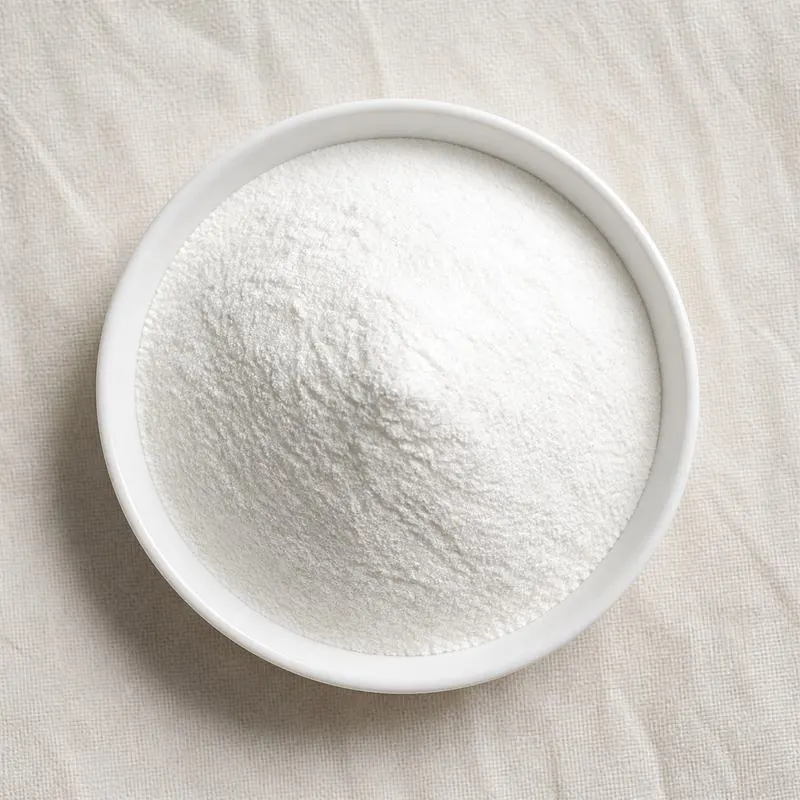
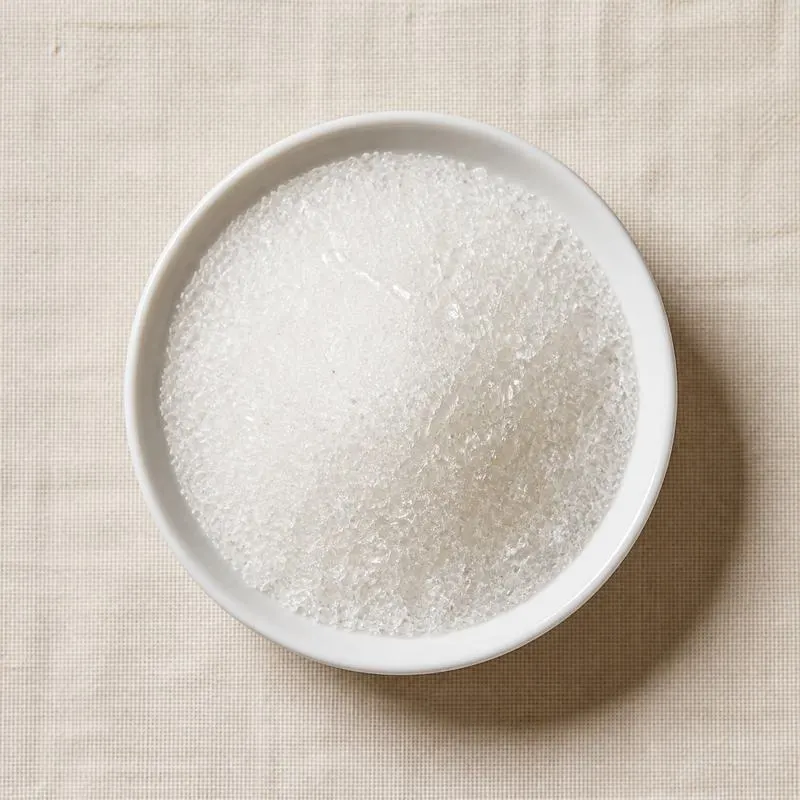
Kombucha is a lightly acidic fermented tea produced by inoculating sweetened tea with a symbiotic consortium of acetic acid bacteria and yeasts, and it is traded as a food ingredient in liquid concentrate and spray dried powder form.
The fermentation converts sucrose to glucose and fructose, then to ethanol by the yeast fraction and onward to acetic, gluconic and glucuronic acids by the bacterial fraction. The finished liquid carries organic acids, residual tea polyphenols and catechins, trace ethanol, carbon dioxide and bacterial cellulose. Its acidity, typically in the pH 2.5 to 3.5 band, is what preserves it and what gives the characteristic sharp flavour.
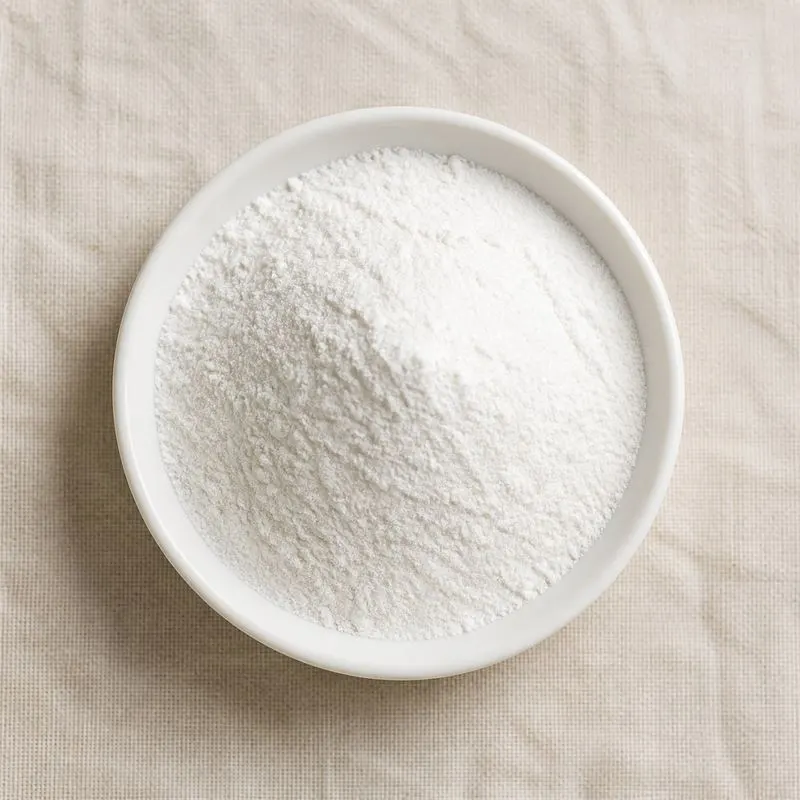
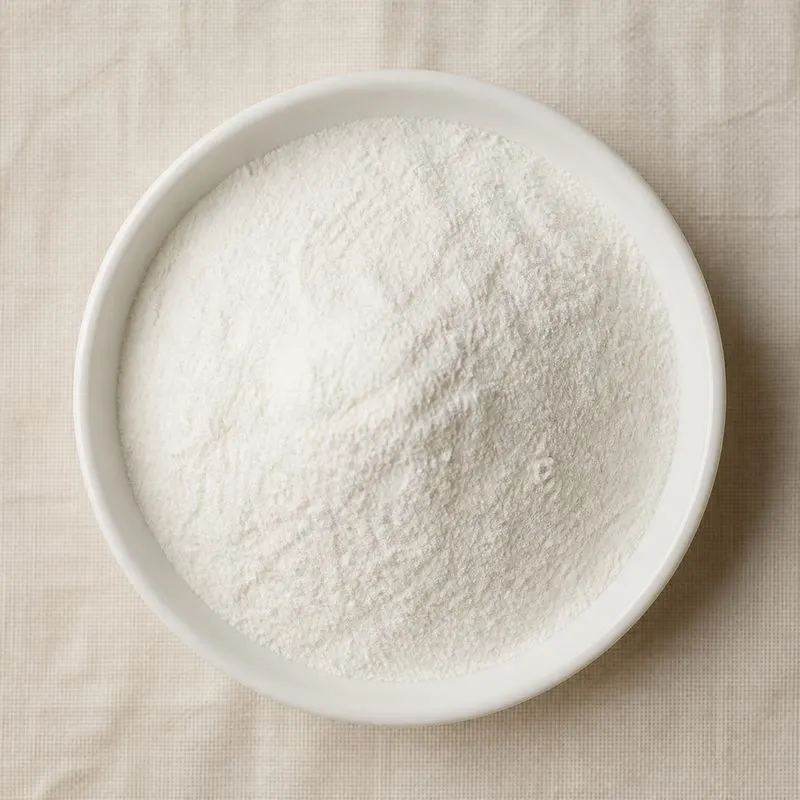
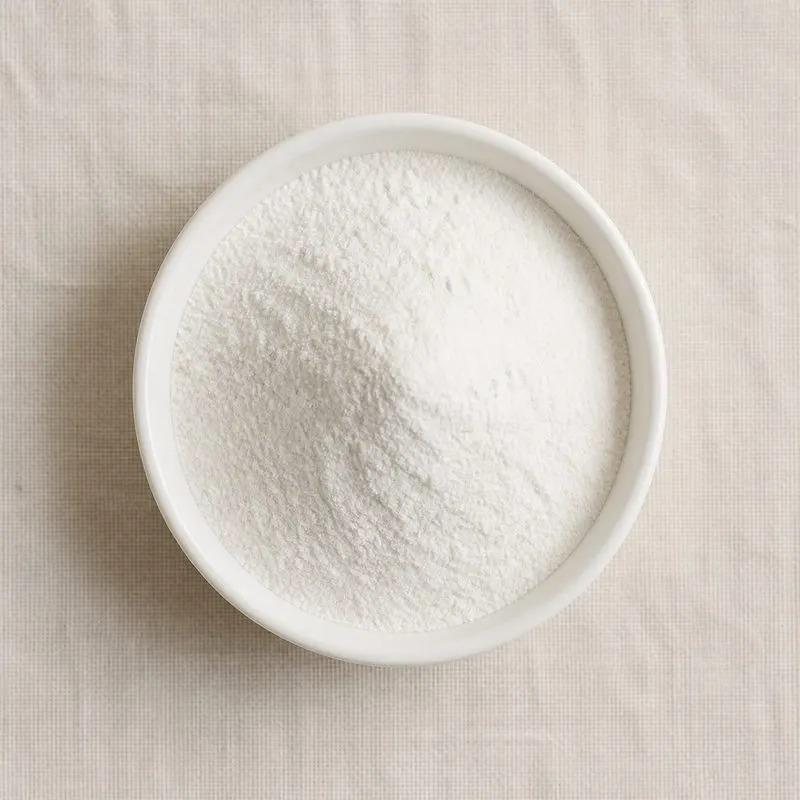
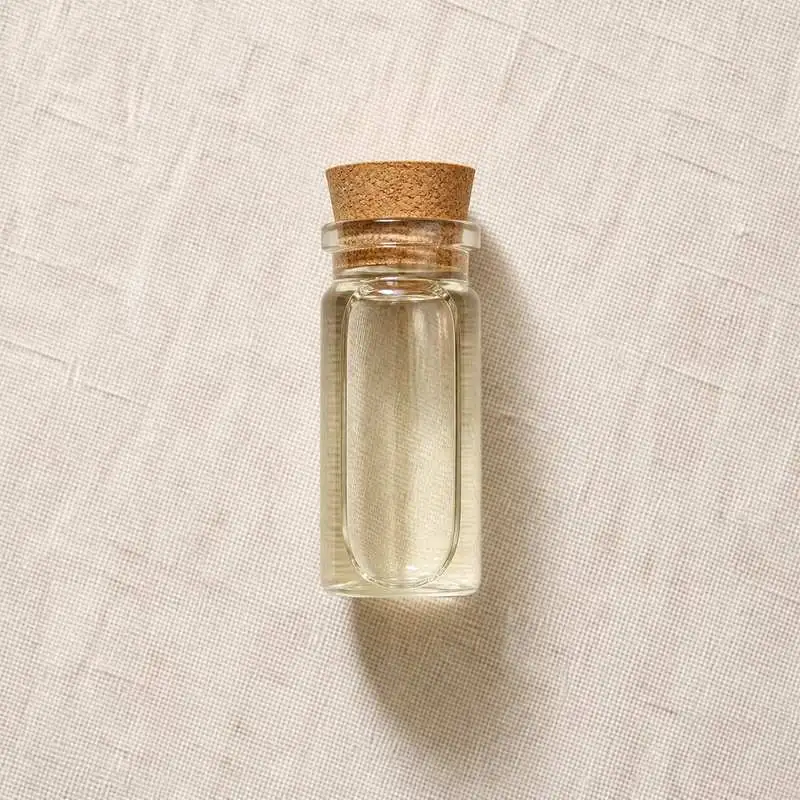
As an ingredient it is used either as a pasteurised or filtered liquid at several fold concentration, or as a maltodextrin carried powder produced by spray drying. The liquid is fully water miscible and stable when held cold and acidic. The powder is hygroscopic and browns if held warm, so it is packed with a moisture barrier and used mainly where a shelf-stable dry format is required.
We source bulk Kombucha from top China manufacturers for our partners. The manufacturer is in Zhejiang. A smaller requirement can ship in a combined container with other ingredients.
Please send the grade you need, the volume and your destination port, and we will come back with a solution and a price.
or call +86-21-6858 0751
- Function
- Probiotic
Specifications
| Item | Specification |
|---|---|
| Appearance | Clear to slightly hazy amber liquid, free of sediment |
| Odour and Taste | Characteristic fermented tea, sour, tea forward |
| Total Acidity as Acetic Acid | 1.0 to 2.5 percent w/v |
| pH | 2.5 to 3.5 |
| Soluble Solids | 3.0 to 8.0 degrees Brix |
| Residual Ethanol | Less than 0.5 percent v/v |
| Residual Sugar | Not more than 20 g/L |
| Total Polyphenols | Not less than 150 mg/L as gallic acid equivalent |
| Lead as Pb | Not more than 0.05 mg/kg |
| Arsenic as As | Not more than 0.1 mg/kg |
| Total Plate Count, pasteurised grade | Not more than 100 CFU/mL |
| Yeast and Mould, pasteurised grade | Not more than 10 CFU/mL |
| E. coli | Absent in 1 mL |
| Salmonella | Absent in 25 mL |
Common Markets Grades
Trade grades separate on whether the product is live or stabilised. Raw unpasteurised kombucha retains viable organisms and continues to acidify in the pack, so it moves under refrigeration. Pasteurised or sterile filtered kombucha is microbiologically stable at ambient temperature and is the form used as a compounding ingredient.
Concentrates are offered at two to ten fold, standardised on titratable acidity rather than on solids. Spray dried powders are standardised on total acid and carrier ratio, and are available both as a plain fermentate powder and as an organic certified version made from organic cane sugar and organic tea. Ethanol reduced grades produced by vacuum stripping are traded where the finished product must stay below the non-alcoholic threshold.
Applications
- Ready to drink functional beverages, where it supplies the base acidity and the fermented flavour profile
- Beverage concentrates and syrups for on-premise dispensing and dilution
- Flavoured seltzers and low alcohol adult soft drinks, contributing tartness without added acidulant
- Salad dressings and marinades, replacing part of the vinegar fraction with a milder acid profile
- Fruit preparations and fruit spreads, where the low pH assists preservation
- Supplement powders and stick packs, using the spray dried form for ambient stability
- Gummies and chews positioned around fermented ingredients
- Sauces and condiments requiring a tea forward sour note
- Frozen desserts and sorbets, where the acidity balances high sugar loads
Brands Using Kombucha
Widely-distributed consumer products that list Kombucha on the ingredient label.
- GT's Living FoodsSynergy Kombucha Pure ↗An unflavoured raw kombucha, sold as the brand's plain expression of the fermented tea.Label verified 2026-08-31
- GT's Living FoodsSynergy Kombucha Honeycrisp Apple ↗Cold pressed Honeycrisp apple juice blended into the brand's raw kombucha base.Label verified 2026-08-31
- Health-AdeGinger-Lemon Kombucha in Cans ↗Canned kombucha flavoured with ginger and lemon, sold in a 24 can pack.Label verified 2026-08-31
- Health-AdePink Lady Apple Kombucha in Cans ↗The brand's original kombucha flavour, made with Pink Lady apple and sold in cans.Label verified 2026-08-31
- Better BoochBlood Orange Passionfruit Kombucha ↗A canned kombucha flavoured with blood orange and passionfruit.Label verified 2026-08-31
Brand names, product names and logos are the property of their owners. They appear here as published evidence that the ingredient is used, taken from the brand's own label or website. Their appearance is not an endorsement, and it does not mean the brand buys from us or from any manufacturer listed on this site.
China Manufacturers of Kombucha
Top Kombucha manufacturers in China.
Company names and logos are the property of the manufacturers themselves. They are listed here because our own directory records them as producing this ingredient. A listing is not an endorsement by them, and we do not represent them or speak on their behalf.
Regulatory Status
In the United States kombucha is regulated as a conventional food or beverage rather than as an additive, and the tea, sugar and fermentation organisms used are all ordinary food materials. The controlling regulatory question is alcohol content, since a beverage at or above 0.5 percent alcohol by volume is treated as an alcoholic beverage and falls under the Alcohol and Tobacco Tax and Trade Bureau rather than FDA, which is why commercial production monitors and often strips residual ethanol.
In the European Union kombucha is a traditional fermented food with a history of consumption predating May 1997, so it is not treated as a novel food, and it carries no E number because it is an ingredient rather than an additive. General food hygiene and food information rules apply, along with the same alcohol labelling threshold logic used for other low alcohol drinks. Codex has no commodity standard specific to kombucha.
Manufacturing Process
Production begins with hot water extraction of black or green tea, which is then sweetened with sucrose and cooled to fermentation temperature. The cooled tea is inoculated with a portion of previously fermented broth carrying the acetic acid bacteria and osmotolerant yeasts, and in traditional operation with the cellulose pellicle that forms at the surface. Fermentation runs for one to three weeks in shallow open vessels or, in industrial practice, in temperature controlled stainless tanks with defined starter cultures rather than an undefined consortium.
When titratable acidity reaches the target the broth is separated from the cellulose mat and the settled biomass by filtration or centrifugation. Liquid product is then either chilled and packed live, or pasteurised or sterile filtered for ambient stability. Concentrate is produced by vacuum evaporation or membrane concentration at low temperature to protect the acid and polyphenol profile, and powder by blending the concentrate with maltodextrin and spray drying at a moderate inlet temperature.