Sesamin
Sesamin is a furofuran lignan found in sesame seed and sesame oil, with the molecular formula C20H18O6 and CAS number 607-80-7, sold to the supplement trade as a purified crystalline powder.
The molecule is built from two methylenedioxyphenyl groups joined through a rigid bicyclic tetrahydrofuran core, which makes it strongly lipophilic and gives it a high melting point near 123 degrees Celsius. It occurs in sesame seed alongside the closely related lignans sesamolin, sesamol and episesamin; commercial material is often a defined sesamin and episesamin mixture rather than a single isomer, because the acid conditions used in oil refining epimerise part of the sesamin, and buyers should read the assay basis carefully.
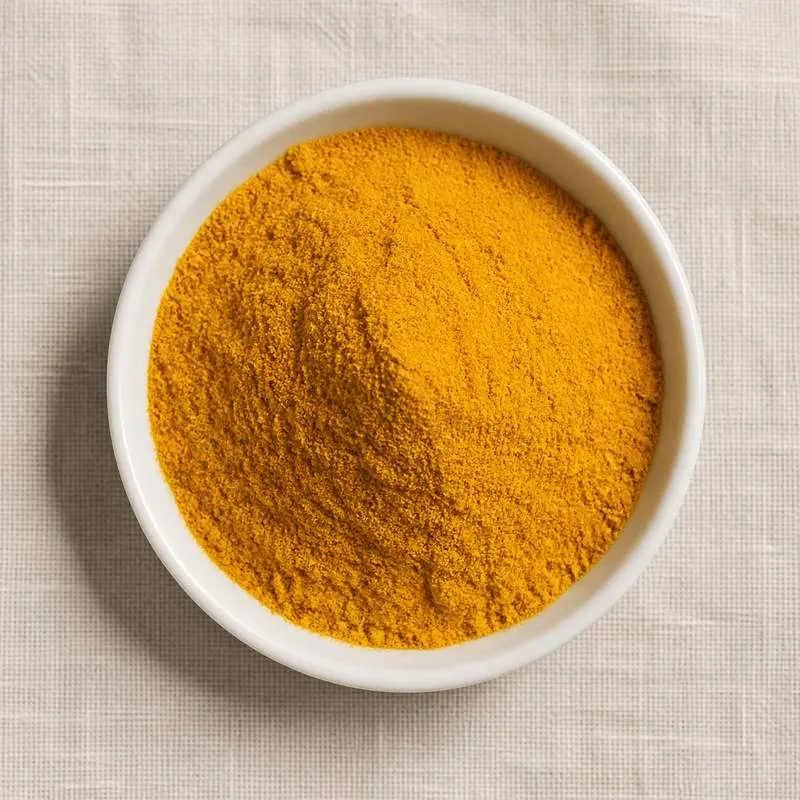
Sesamin is a white to off-white crystalline powder, practically insoluble in water, sparingly soluble in ethanol and freely soluble in chloroform, acetone and edible oils. Formulators therefore deliver it in oil-filled softgels, in self-emulsifying systems, or as a solid dispersion on a carrier. It is stable to heat and to oxygen in the solid state and does not degrade under normal tabletting conditions, but its low aqueous solubility, not its stability, is the constraint that decides how it is used.
We source bulk Sesamin from top China manufacturers for our partners. The manufacturer is in Shaanxi. A smaller requirement can ship in a combined container with other ingredients.
Please send the grade you need, the volume and your destination port, and we will come back with a solution and a price.
or call +86-21-6858 0751
- Function
- Plant extract
Specifications
| Item | Specification |
|---|---|
| Appearance | White to off-white crystalline powder |
| Assay of sesamin by HPLC | 98.0 percent minimum |
| Sesamolin | 1.0 percent maximum |
| Identification | Retention time and spectrum match reference standard |
| Melting range | 121 to 125 degrees Celsius |
| Loss on drying | 1.0 percent maximum |
| Residue on ignition | 0.5 percent maximum |
| Particle size | 100 percent through 80 mesh |
| Residual ethanol | 0.5 percent maximum |
| Residual hexane | 10 ppm maximum |
| Heavy metals | 10 ppm maximum |
| Lead | 0.5 ppm maximum |
| Arsenic | 0.5 ppm maximum |
| Total plate count | 1,000 cfu per gram maximum |
Common Markets Grades
Trade grades run from 10 and 20 percent sesame lignan concentrates, which are oily or waxy materials carrying sesamin, sesamolin and residual sesame oil, through 50 percent purified powder to 90, 95 and 98 percent crystalline material. The 98 percent grade is the reference item for supplement capsules. A key distinction on the certificate is whether the assay covers sesamin alone or the sum of sesamin and episesamin, since a product declaring 98 percent total lignans may hold well under that as sesamin proper.
Powder grades are milled to pass 80 mesh, with micronised material offered where dissolution rate matters. Oil-dispersion grades supply the lignan pre-dissolved in sesame or medium chain triglyceride oil at 5 to 20 percent for direct softgel filling. Water-dispersible grades exist as cyclodextrin inclusion complexes or as spray-dried emulsions on a modified starch carrier, both of which trade at a much lower nominal assay because of the carrier load.
Applications
- Liver-support and lipid-metabolism supplement softgels, the largest single application, filled as an oil dispersion
- Sesame lignan capsules sold alongside vitamin E, where the pairing is the established Japanese market format
- Sports nutrition products positioned around fat metabolism and recovery
- Functional edible oils, where a lignan concentrate is added back to refined sesame or blended oils
- Tablets and hard capsules using the micronised or solid dispersion grade
- Ready to drink functional beverages, restricted to the cyclodextrin or emulsion grades because of the aqueous insolubility of the free lignan
- Cosmetic emulsions and serums, where the lignan is carried in the oil phase
- Analytical reference material, using the 98 percent single-isomer crystalline grade
Brands Using Sesamin
Widely-distributed consumer products that list Sesamin on the ingredient label.
- Nootropics DepotSesame Extract Capsules 70% Sesamins ↗Each capsule holds 200 mg of sesame extract standardised by HPLC to 70% sesamins, or 140 mg of sesamins.Label verified 2026-08-31
- Lignans For LifeSesamin Sesame Seed Lignans Capsules ↗A 540 mg sesame seed extract capsule stated to yield 81 mg of sesamin and 27 mg of sesamolin.Label verified 2026-08-31
Brand names, product names and logos are the property of their owners. They appear here as published evidence that the ingredient is used, taken from the brand's own label or website. Their appearance is not an endorsement, and it does not mean the brand buys from us or from any manufacturer listed on this site.
China Manufacturers of Sesamin
Top Sesamin manufacturers in China.

Company names and logos are the property of the manufacturers themselves. They are listed here because our own directory records them as producing this ingredient. A listing is not an endorsement by them, and we do not represent them or speak on their behalf.
Regulatory Status
In the United States sesamin is marketed as a dietary ingredient under the Dietary Supplement Health and Education Act. Sesame oil and sesame seed are conventional foods, but a purified lignan concentrate is a different article, so firms rely on documented pre-1994 marketing history or on a new dietary ingredient notification. There is no food additive regulation covering purified sesamin, and it is not GRAS-listed, so addition to conventional foods requires the user to make and document its own determination. Sesame is a major food allergen in the United States and must be declared on the label of any product containing sesame-derived material.
In the European Union sesamin has no E number, being a nutritional ingredient rather than an additive. A purified sesame lignan preparation is likely to require novel food authorisation unless significant consumption in the Union before May 1997 can be demonstrated, since the history of consumption of sesame oil does not automatically extend to a concentrated isolate. Sesame seed and products thereof are a listed allergen and must appear in the ingredient declaration. Any health claim made must be authorised under the EU nutrition and health claims framework. No Codex commodity standard or JECFA specification applies to the isolated lignan, though the Codex standard for named vegetable oils covers the sesame oil from which it derives.
Manufacturing Process
The commercial feedstock is not usually whole sesame seed but the by-product streams of sesame oil refining, principally the deodoriser distillate and the unsaponifiable fraction, in which the lignans concentrate. Where seed is used directly, dehulled sesame is flaked and extracted with hexane or with supercritical carbon dioxide to give a crude oil, and the lignan-bearing fraction is taken from there.
The concentrate is saponified with alkali to convert glycerides to soaps, which are separated, leaving an unsaponifiable phase enriched in lignans and sterols. This phase is taken up in solvent and purified by a combination of liquid-liquid partition, low-temperature crystallisation and column chromatography on silica or on macroporous resin, which separates sesamin from sesamolin, sesamol and the sterol fraction. The purified fraction is recrystallised from ethanol or from an ethanol and water mixture to bring the assay to 90 percent and above, then filtered, washed, dried under vacuum at moderate temperature to protect the crystal form, and milled and screened. Residual solvent is stripped and verified before release.