Sodium Acetate Anhydrous
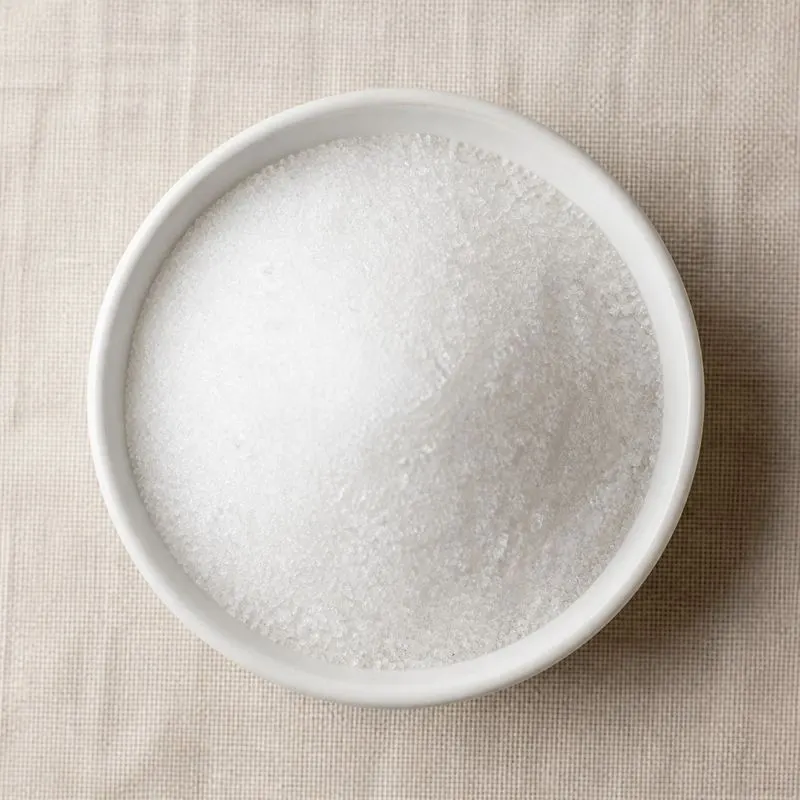
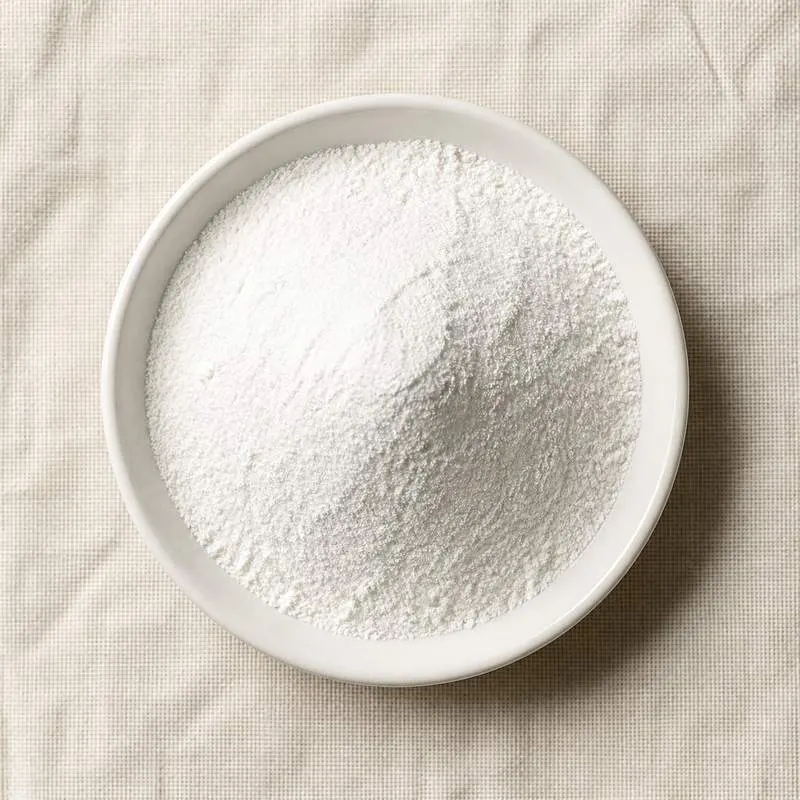
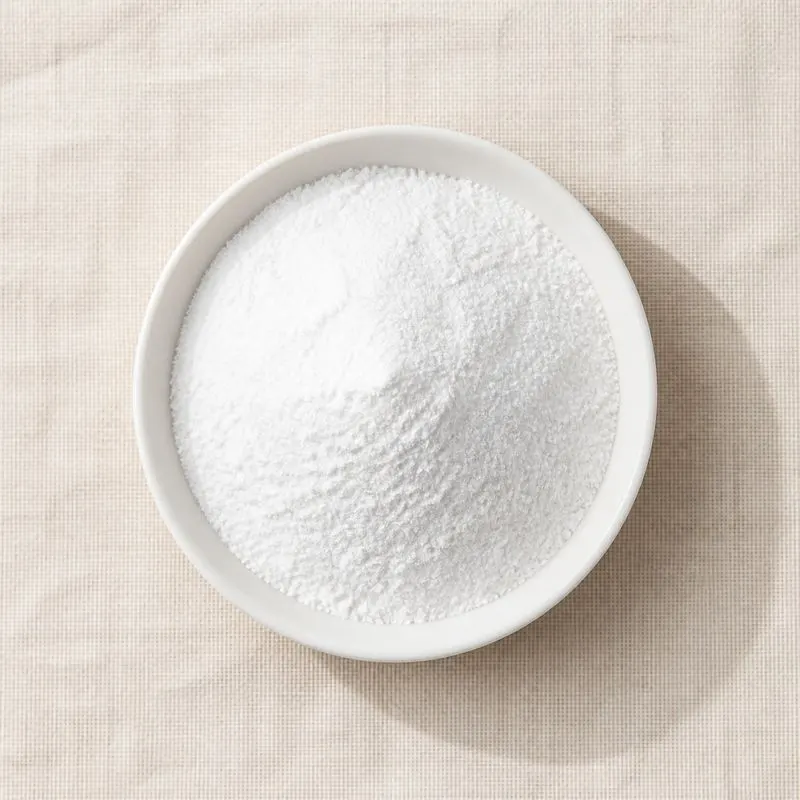
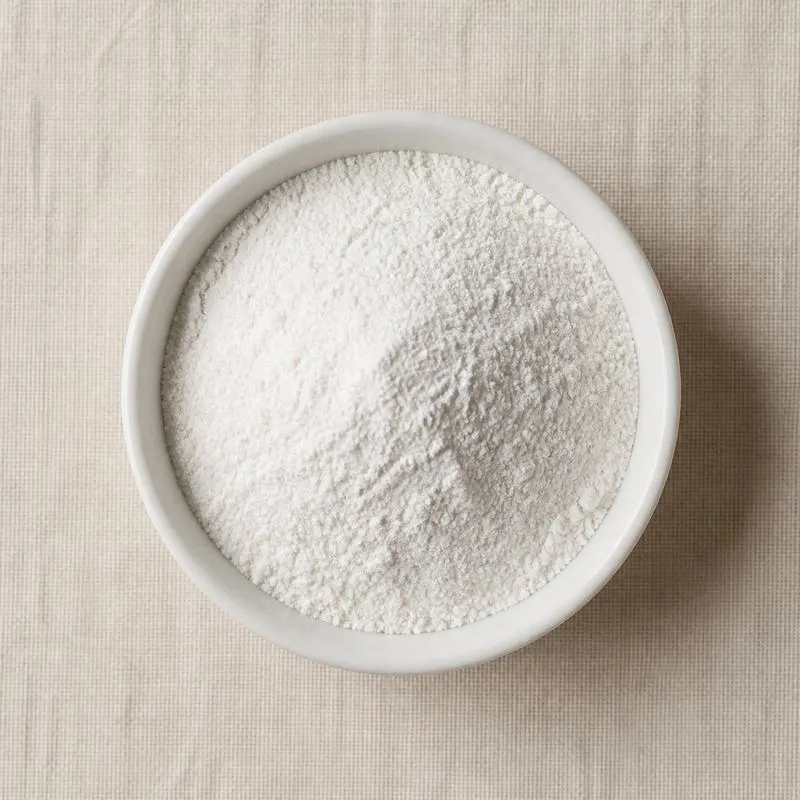
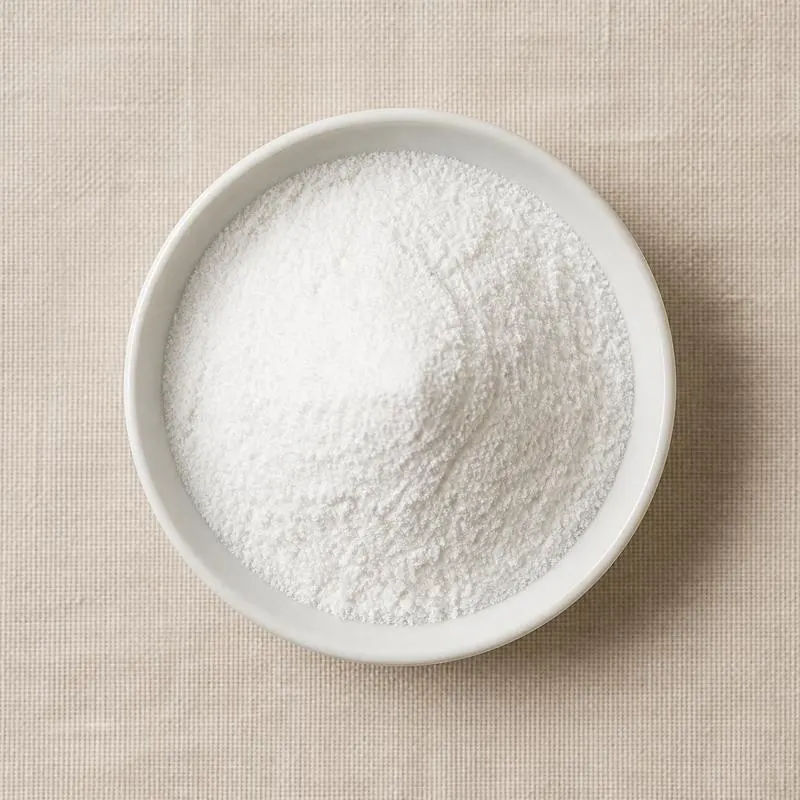
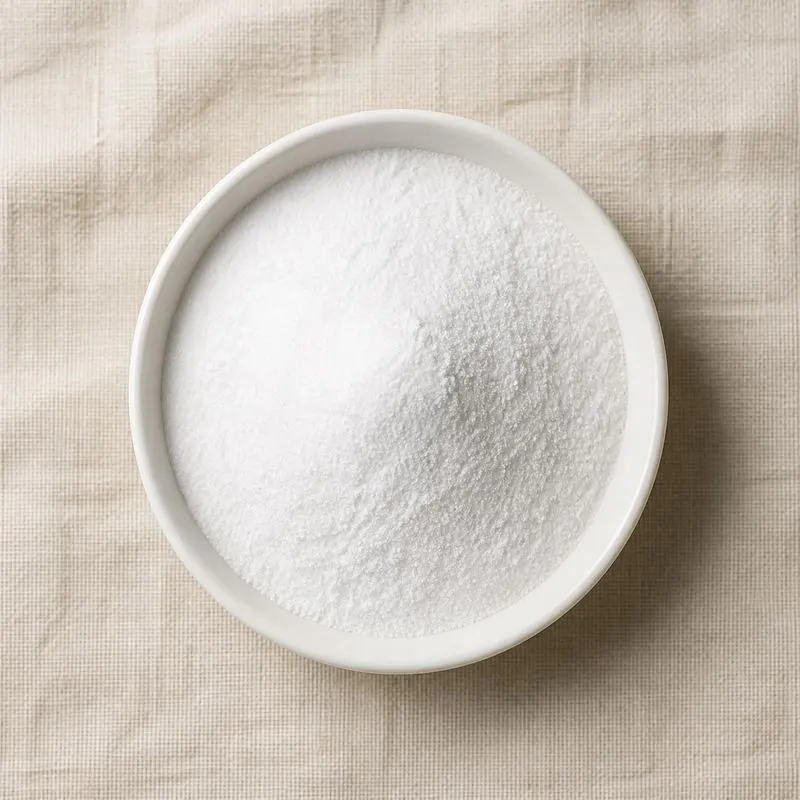
Sodium Acetate Anhydrous is the water-free crystal form of sodium acetate, with the formula CH₃COONa and CAS number 127-09-3. It is a white, hygroscopic, free-flowing powder or fine granule with a faint acetic odour.
The anhydrous form contains no water of crystallisation, giving it the highest active content per unit weight at about 99 percent versus roughly 60 percent for the trihydrate. That difference matters in dry seasoning blends, hot-melt heating applications, and any formulation where free water would shorten shelf life or react with other components.
We source bulk Sodium Acetate Anhydrous from top China manufacturers for our partners, working with several of them. The manufacturers are in Jiangsu. For this ingredient the minimum order is 1,000 kg and a 20-foot container takes 23 MT, and a smaller requirement can ship in a combined container with other ingredients.
Please send the grade you need, the volume and your destination port, and we will come back with a solution and a price.
or call +86-21-6858 0751
- Minimum order
- 1,000 kg
- Qty in 20' FCL
- 23 MT
- Packaging
- 25 kg kraft paper bag with PE inner liner
- ISO 9001
- HACCP
- Halal
- Kosher
Specifications
Grades / Types Available: Food Grade, FCC, E262(i)
| Item | Specification |
|---|---|
| Appearance | White powder or granules |
| Assay | ≥ 99.0% |
| pH (5% solution) | 8.0-9.5 |
| Loss on Drying | ≤ 1.0% |
| Chloride | ≤ 0.005% |
| Sulfate | ≤ 0.005% |
| Heavy Metals (as Pb) | ≤ 5 mg/kg |
| Arsenic | ≤ 3 mg/kg |
| Purity (Food Grade) | ≥98.5% |
| Lead (Pb) | ≤2 mg/kg |
Common Markets Grades
The merchant market recognises food grade (FCC), pharmaceutical grade (USP), reagent grade (ACS), and technical grade.
Food grade complies with the Food Chemicals Codex specification for anhydrous sodium acetate and is the form used in salt-and-vinegar snack seasoning, dry bread improvers, and dry beverage premixes.
Pharmaceutical grade meets the USP and Ph. Eur. monographs for anhydrous sodium acetate, with low heavy-metal and chloride limits, and is used in lyophilized formulations, oral solid dosage forms, and dialysis-concentrate blending.
Particle size is a key differentiator. Fine powder grades dissolve quickly in cold water and disperse evenly in spice mixes. Coarse granular grades dose accurately into volumetric fillers and avoid airborne dust in tablet plants.
Technical grade is produced for textile mordanting, leather processing, and concrete admixture work, where the specification is less stringent and colour is the main visual quality check.
Applications
- Salt-and-vinegar seasoning on potato chips, pretzels, and extruded snacks, where the dry form avoids the moisture transfer that would soften the snack base
- Dry bread and bakery improvers as a mould and rope inhibitor
- Powdered drink mixes and effervescent tablet formulations needing pH buffering
- Pharmaceutical lyophilized products as a buffer that survives freeze drying
- Hemodialysis concentrate manufacture, both liquid and dry-blend formats
- Reusable heat packs and self-heating food trays based on the supercooling and crystallisation of the molten salt
- Photographic stop-bath powder formulations
- Cold-weather concrete admixtures as a freeze-thaw protectant and set retarder
- Textile printing pastes and dye-bath buffers
- Laboratory buffer preparation where exact molar concentration is critical
- Cosmetic pH adjusters in deodorants and skincare
Brands Using Sodium Acetate Anhydrous
Widely-distributed consumer products that list Sodium Acetate Anhydrous on the ingredient label.
- PepsiCo (Lay's)Lay's Salt & Vinegar Flavored Potato Chips ↗Ingredient panel lists Sodium Acetate. Dry-blended powder seasonings use anhydrous sodium acetate to avoid moisture in the seasoning system that would clump or soften the chips.Label verified 2026-05-24
- Utz (Zapp's)Zapp's Salt & Vinegar Kettle-Style Potato Chips ↗Dry seasoning blend on the brand panel lists Sodium Acetate; the anhydrous form is standard for dry chip seasonings to control moisture.Label verified 2026-05-24
Brand names, product names and logos are the property of their owners. They appear here as published evidence that the ingredient is used, taken from the brand's own label or website. Their appearance is not an endorsement, and it does not mean the brand buys from us or from any manufacturer listed on this site.
China Manufacturers of Sodium Acetate Anhydrous
Top Sodium Acetate Anhydrous manufacturers in China.
 Lianyungang Nuoxin Food Ingredient Co., Ltd.13 ingredients in the directory
 Lianyungang Tongyuan Biotechnology Co., Ltd.11 ingredients in the directory
 Nantong Alchemy Biotech Development Co., Ltd.8 ingredients in the directory
Company names and logos are the property of the manufacturers themselves. They are listed here because our own directory records them as producing this ingredient. A listing is not an endorsement by them, and we do not represent them or speak on their behalf.
How We Help Source Sodium Acetate Anhydrous
Direct Factory Sourcing
We run the whole process: selecting the manufacturer from the top Chinese food ingredient producers, negotiating the price, verifying quality, and coordinating the logistics. You deal with us instead of with several factories at once.
Original Packaging and Documents from the Manufacturer
The manufacturer sends your Sodium Acetate Anhydrous out of its own factory in the original packing, through to your destination port. The COA, COO, MSDS, TDS and any certifications reach you from the manufacturer as well.
Free Samples and Lead Time
We send 100 to 500 g free for your own laboratory to test and you cover only the courier, usually within 2 to 3 working days. ETD is usually within 7 to 15 days once the order is confirmed, and we check that date against the factory's own manufacturing schedule before we give it to you.
Combined Shipment
We can load Sodium Acetate Anhydrous together with other ingredients such as Sodium Acetate, Calcium Citrate and Sodium Lactate into one 20' FCL. If your quantity is small, we can also ship LCL.
Regulatory Status
Sodium acetate, whether anhydrous or hydrated, is treated as a single substance by most food and pharma regulators.
The European Union assigns it the food-additive number E262(i), covering both crystal forms, with no numerical intake limit set by EFSA. The U.S. Food and Drug Administration lists it as Generally Recognized as Safe under 21 CFR 184.1721.
JECFA has reviewed the acetates and placed them in the not-specified category. The Codex Alimentarius general standard for food additives permits use across multiple food categories.
The United States Pharmacopeia carries separate monographs for sodium acetate and sodium acetate anhydrous. The European Pharmacopoeia and the British Pharmacopoeia treat the anhydrous form as distinct from the trihydrate, with specific assay and water content limits.
The Food Chemicals Codex specifies the anhydrous form with a water content not exceeding 1 percent and an assay of 98.5 to 101 percent on the dry basis. Halal and Kosher certifications are routinely available.
Manufacturing Process
Anhydrous sodium acetate is produced by removing the water of crystallisation from the trihydrate, or by direct synthesis under controlled conditions.
In the dehydration route, food-grade trihydrate crystals are heated above their 58 °C congruent melting point, where they dissolve in their own crystal water. The melt is then transferred to a paddle dryer or rotary dryer operating between 120 and 140 °C, which drives off the water and leaves a free-flowing anhydrous solid. The dried product is screened, milled to the target particle size, and packaged in lined paper bags or fibre drums.
The direct synthesis route reacts glacial acetic acid with anhydrous sodium carbonate or sodium hydroxide in a stoichiometric ratio, with careful temperature control to avoid water condensation on the product. This route is preferred for pharmaceutical and reagent grades where ultra-low residual moisture is required.
Because the anhydrous form is hygroscopic, packaging is moisture-barrier laminated, and bags are typically nitrogen-purged or sealed with desiccant for export shipments.
Major producers are based in China, India, and Western Europe, generally integrated with acetic-acid or chlor-alkali capacity.