Sodium Magnesium Chlorophyllin
Sodium Magnesium Chlorophyllin is a water-soluble chlorophyll derivative in which the native magnesium ion is retained at the centre of the porphyrin ring, while the propionic acid side chains are saponified to their sodium salts.
This is the rarest member of the chlorophyllin family in commerce, since most water-soluble chlorophyllins on the global market have had the loosely bound magnesium replaced by copper. Preserving magnesium produces a colour closer to the native bright green of fresh plant tissue, at the cost of significantly tighter pH and processing windows.
We source bulk Sodium Magnesium Chlorophyllin from top China manufacturers for our partners. The manufacturer is in Zhejiang. A smaller requirement can ship in a combined container with other ingredients.
Please send the grade you need, the volume and your destination port, and we will come back with a solution and a price.
or call +86-21-6858 0751
- Packaging
- 25 kg kraft paper bag with PE inner liner
- ISO 9001
- HACCP
- Halal
- Kosher
Specifications
Grades / Types Available: Food Grade, Feed Grade
| Item | Specification |
|---|---|
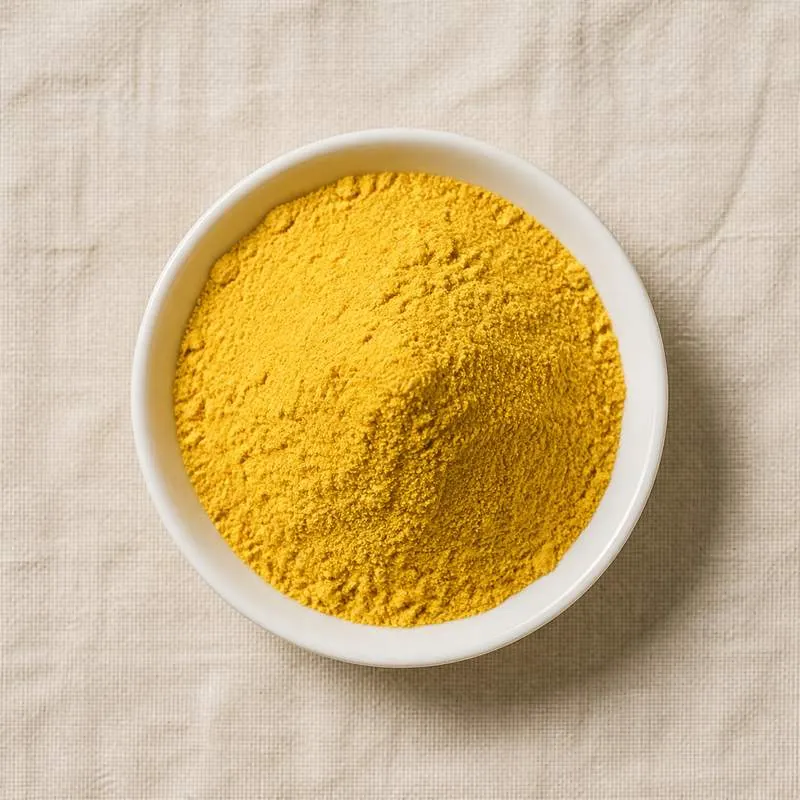
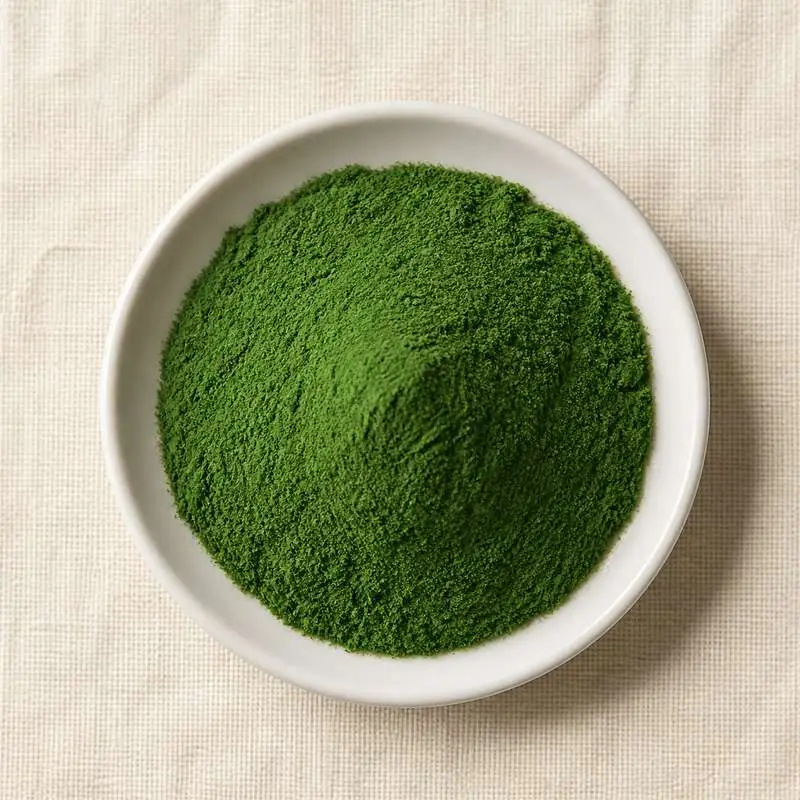
| Appearance | Dark green powder |
| Total Chlorophyllins | ≥ 85% |
| Magnesium Content | 2.0-4.0% |
| Solubility | Water-soluble |
| Heavy Metals (as Pb) | ≤ 5 mg/kg |
| Arsenic | ≤ 3 mg/kg |
| Purity/Assay | ≥ 90% (Food Grade) |
| Moisture/Loss on Drying | ≤ 5% (Food Grade) |
| pH | 6.0 - 8.0 (Food Grade) |
| Lead | ≤ 1 ppm (Food Grade) |
| Total Plate Count | ≤ 1000 cfu/g (Food Grade) |
| Yeast & Mold | ≤ 100 cfu/g (Food Grade) |
Common Markets Grades
Sodium Magnesium Chlorophyllin is produced at much smaller scale than the copper analog, and grades are correspondingly less standardised across the industry.
Powder grades typically run from 70 to 90 percent dye content with the balance composed of sodium salts and residual moisture. Liquid concentrates in buffered water or hydroalcoholic solution hold 1 to 5 percent dye content for direct use in aqueous formulations.
Because magnesium loss to acid is the principal failure mode of the product, supplier grades commonly include a built-in buffer system that holds finished material at pH 8 to 10. Working pH below 6 will progressively strip magnesium and convert the product to the brown pheophorbide form.
End users typically receive material that has been pH-stabilised, light-protected, and packed under inert atmosphere. Cold-chain storage is recommended for liquid grades to maximise shelf life.
Applications
- Premium clean-label confectionery where copper avoidance is part of the brand positioning
- Mint and herbal pastilles, gums, and breath fresheners in higher-end ranges
- Functional beverages and shots emphasising magnesium content or copper-free claims
- Dietary supplements: capsules, tablets, and liquid drops
- Toothpaste, mouthwash, and oral-care gels in natural-positioning ranges
- Cosmetic creams, lotions, and serums where ingredient-list minimalism matters
- Soap, bath salts, and bath bomb formulations
- Educational and craft natural dyes
- Herbal liqueurs and aperitifs in small-batch craft production
- Pet and companion-animal supplements in niche channels
- Reference and analytical standards for chlorophyll chemistry research
- Specialty pharmaceutical preparations where retaining the magnesium is part of the reason for choosing it
Brands Using Sodium Magnesium Chlorophyllin
Widely-distributed consumer products that list Sodium Magnesium Chlorophyllin on the ingredient label.
Brand names, product names and logos are the property of their owners. They appear here as published evidence that the ingredient is used, taken from the brand's own label or website. Their appearance is not an endorsement, and it does not mean the brand buys from us or from any manufacturer listed on this site.
China Manufacturers of Sodium Magnesium Chlorophyllin
Top Sodium Magnesium Chlorophyllin manufacturers in China.

Company names and logos are the property of the manufacturers themselves. They are listed here because our own directory records them as producing this ingredient. A listing is not an endorsement by them, and we do not represent them or speak on their behalf.
How We Help Source Sodium Magnesium Chlorophyllin
Direct Factory Sourcing
We run the whole process: selecting the manufacturer from the top Chinese food ingredient producers, negotiating the price, verifying quality, and coordinating the logistics. You deal with us instead of with several factories at once.
Original Packaging and Documents from the Manufacturer
The manufacturer sends your Sodium Magnesium Chlorophyllin out of its own factory in the original packing, through to your destination port. The COA, COO, MSDS, TDS and any certifications reach you from the manufacturer as well.
Free Samples and Lead Time
We send 100 to 500 g free for your own laboratory to test and you cover only the courier, usually within 2 to 3 working days. ETD is usually within 7 to 15 days once the order is confirmed, and we check that date against the factory's own manufacturing schedule before we give it to you.
Combined Shipment
We can load Sodium Magnesium Chlorophyllin together with other ingredients such as Beta Carotene, Caramel Colour and Lycopene into one 20' FCL. If your quantity is small, we can also ship LCL.
Regulatory Status
Sodium Magnesium Chlorophyllin has a narrower and less clearly defined regulatory position than either the copper or iron analogs.
In the European Union, native chlorophylls are listed under E140(i) and the copper complexes under E141. Magnesium-retaining chlorophyllin salts sit in a less explicit position, and regulatory practice varies across member states and product categories.
The U.S. Food and Drug Administration does not list sodium magnesium chlorophyllin as a separately approved colour additive for general food use. Use in dietary supplements, cosmetics, and oral care follows the relevant rules for each product category rather than a dedicated colour-additive listing.
JECFA has evaluated the copper chlorophyllin family but has not issued a separate evaluation specific to the magnesium-retaining sodium salt. Formulators considering this material for a regulated food application should verify status in each target market before adoption.
Manufacturing Process
Production starts from a green plant biomass such as alfalfa, nettle, or spinach, identical to the feed for other chlorophyllin grades. Extraction with acetone or ethanol releases the native chlorophyll alongside accompanying lipids and carotenoids.
The crude extract is saponified with dilute sodium or potassium hydroxide under carefully controlled temperature and pH. The conditions must be alkaline enough to hydrolyse the phytol and methyl esters cleanly, but mild enough to leave the central magnesium intact.
This step is the technical heart of magnesium-retaining production. Industrial chlorophyllin processes more typically push the pH and temperature high enough that magnesium is lost, opening the way for copper or iron insertion. The magnesium-retention process trades yield for product identity.
The saponified magnesium chlorophyllide is precipitated, washed, neutralised to the sodium salt at a pH that maintains the central magnesium, and either spray-dried under mild conditions or filled as a buffered liquid. The finished product is packaged under inert atmosphere in light-protected containers.