Sodium Metabisulfite
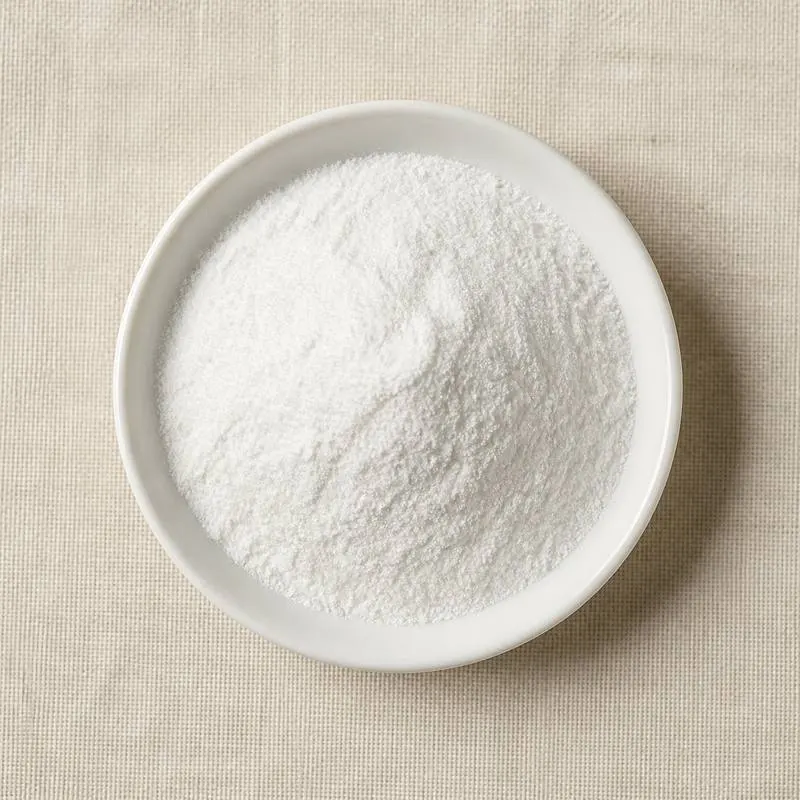
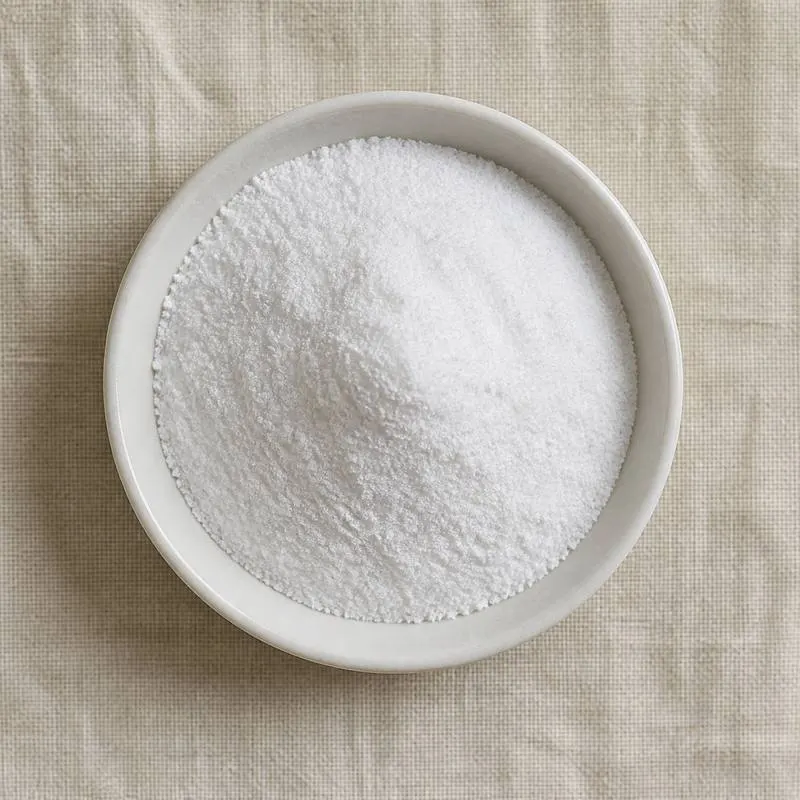
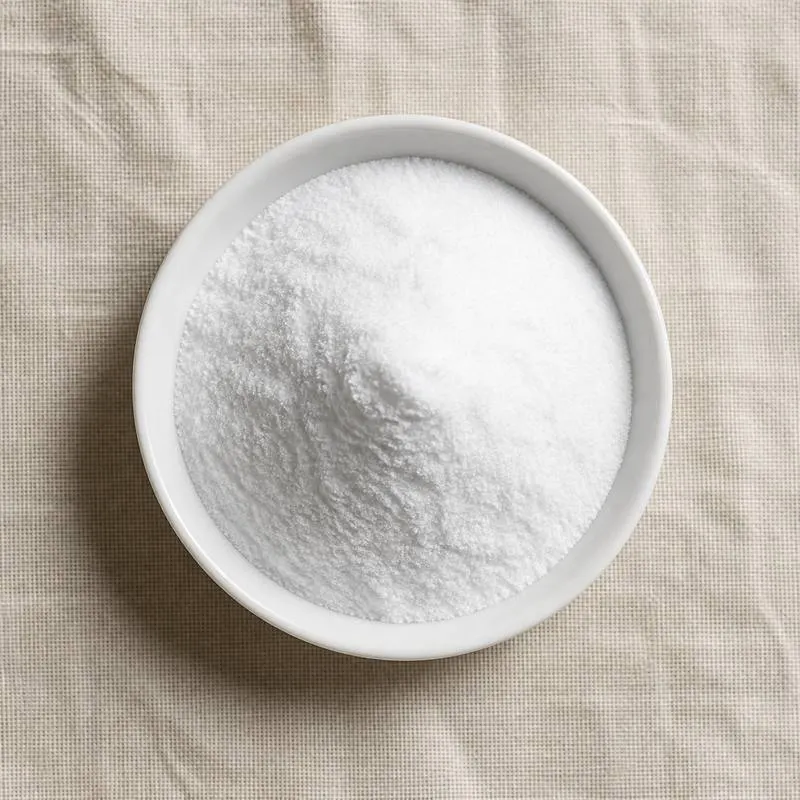
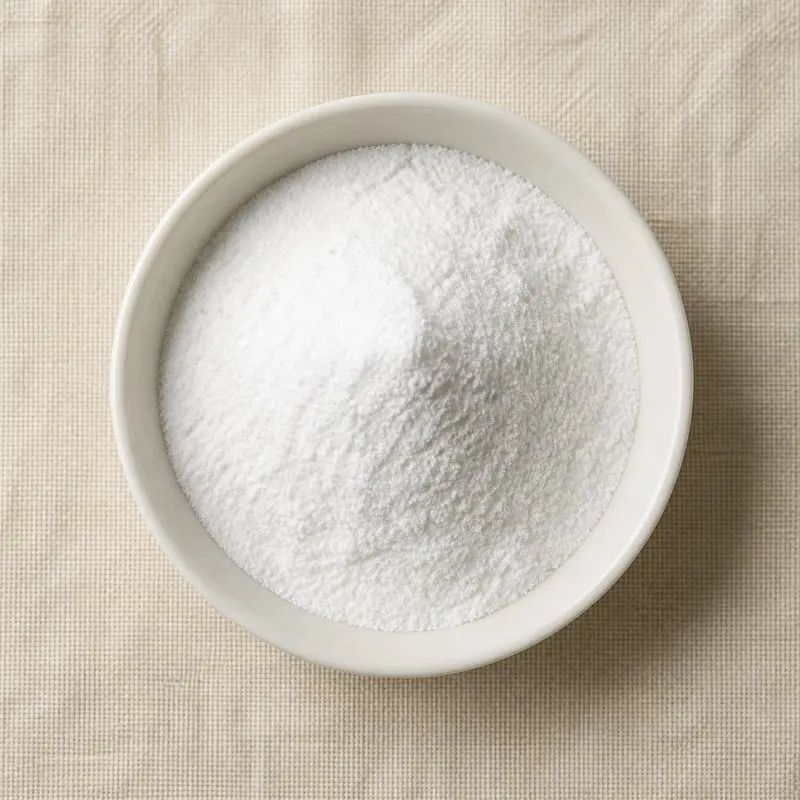
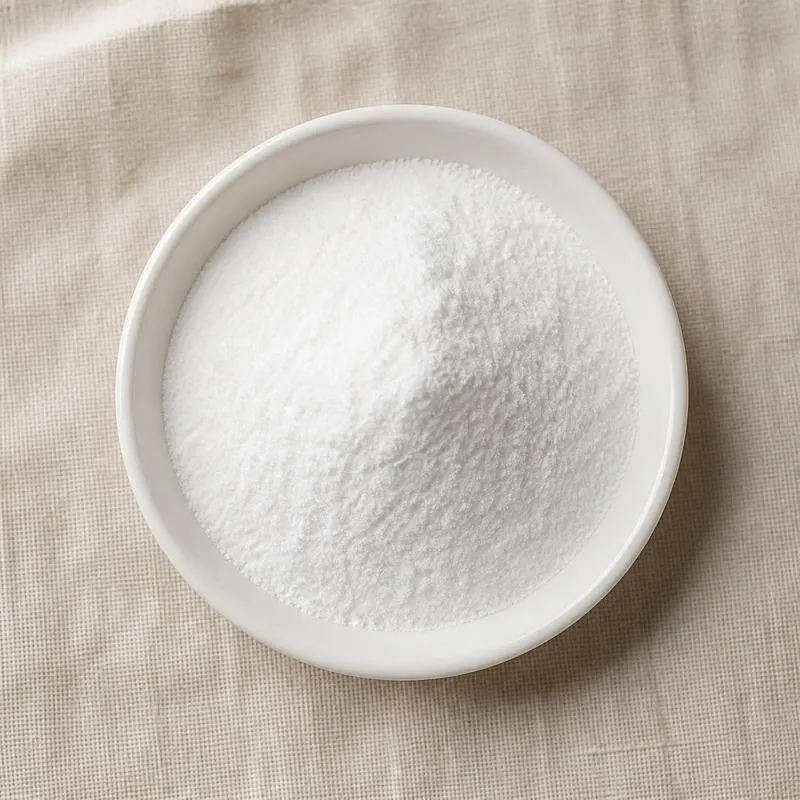
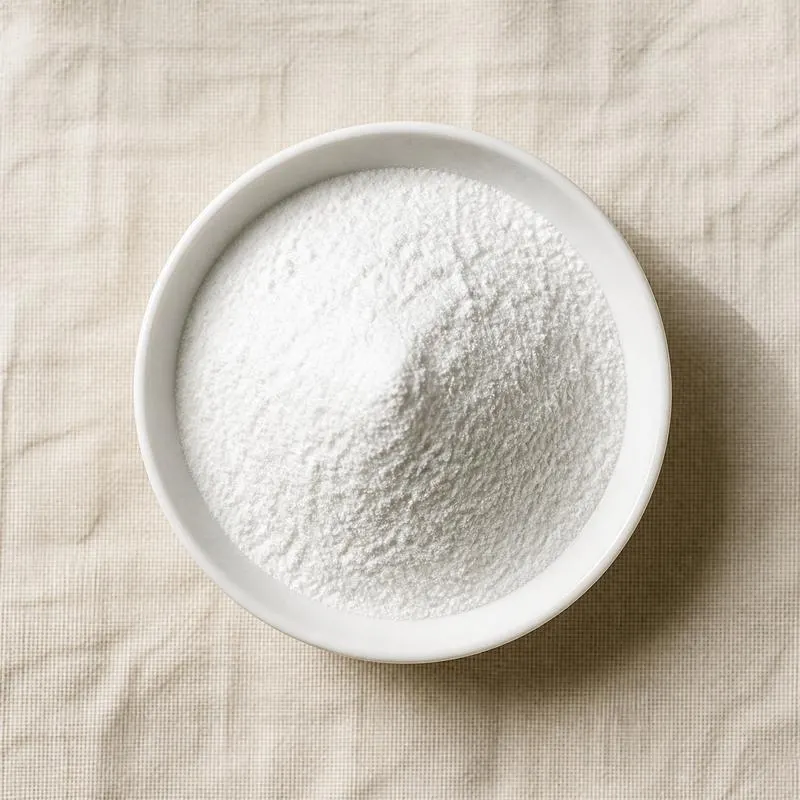
Sodium metabisulphite, also written metabisulfite, is the inorganic salt Na2S2O5, a white to faintly yellow crystalline powder with a sharp sulphurous odour. It is the most widely used of the sulphiting agents, the group of additives that act by releasing sulphur dioxide, and it is preferred over sulphur dioxide gas and over sodium bisulphite solution because it is a stable solid that is convenient to weigh, ship and store.
In water it dissolves and hydrolyses to bisulphite, which exists in equilibrium with sulphite and with dissolved sulphur dioxide, the proportions depending on pH. The antimicrobial and antioxidant activity comes almost entirely from the molecular sulphur dioxide fraction, which is the main form below about pH 3, so the salt is far more effective in an acid food such as wine or a fruit product than in a neutral one. Its functions are several and are usually wanted together: it inhibits yeasts, moulds and bacteria, it inactivates polyphenol oxidase and so prevents enzymatic browning in cut fruit and vegetables, it scavenges oxygen and reacts with carbonyl compounds to prevent non enzymatic browning, and it bleaches colour that is already present.
The material is freely soluble in water, sparingly soluble in ethanol, and slowly oxidises to sodium sulphate on exposure to moist air, so its sulphur dioxide content falls in storage if the pack is not sealed. It is a declared allergen in most jurisdictions and its use is restricted or prohibited in several food categories for that reason.
We source bulk Sodium Metabisulfite from top China manufacturers for our partners. The manufacturer is in Shandong. A smaller requirement can ship in a combined container with other ingredients.
Please send the grade you need, the volume and your destination port, and we will come back with a solution and a price.
or call +86-21-6858 0751
Specifications
| Item | Specification |
|---|---|
| Appearance | White to faintly yellow crystalline powder |
| Odour | Characteristic sulphurous |
| Assay (as Na2S2O5) | Not less than 97.0 percent |
| Available Sulphur Dioxide | Not less than 65.0 percent |
| Identification | Positive for sulphite and for sodium |
| pH of 5 percent Solution | 3.5 to 5.0 |
| Water Insoluble Matter | Not more than 0.05 percent |
| Iron | Not more than 20 mg/kg |
| Thiosulphate | Not more than 0.1 percent |
| Selenium | Not more than 5 mg/kg |
| Lead | Not more than 2 mg/kg |
| Arsenic | Not more than 3 mg/kg |
| Mercury | Not more than 1 mg/kg |
| Heavy Metals (as Pb) | Not more than 10 mg/kg |
| Particle Size | Not less than 95 percent through 40 mesh |
Common Markets Grades
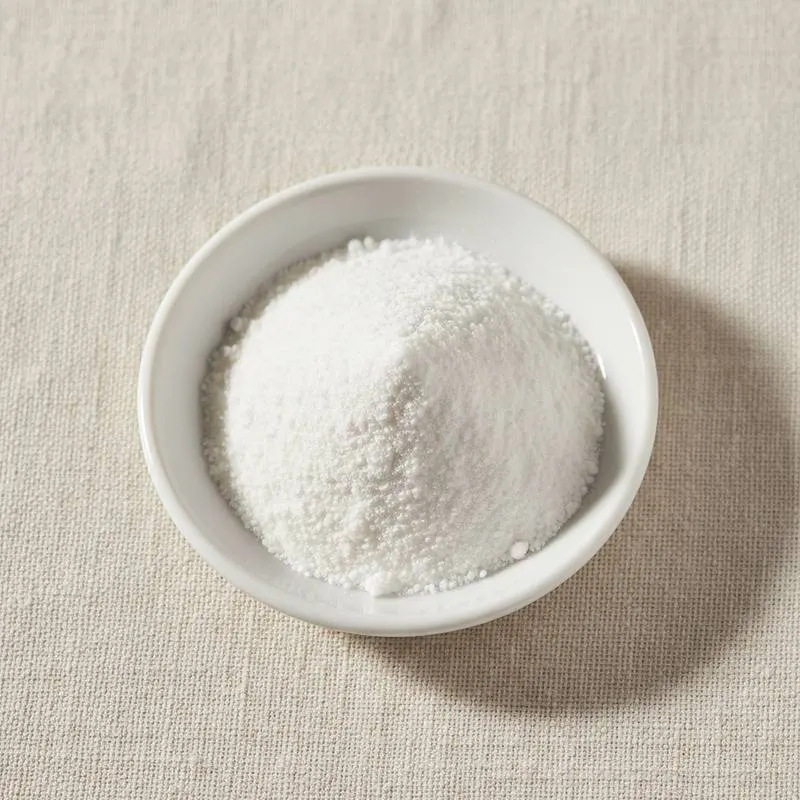
Food grade sodium metabisulphite is specified on sulphur dioxide yield rather than on the salt alone, since that is what determines the dose, and typically assays at not less than 97 percent as Na2S2O5, corresponding to at least 65 percent available sulphur dioxide. A fine powder serves solution make up, while a granular or crystalline form suits plants where dusting is a problem, since the dust is a strong respiratory irritant. Some suppliers offer a coated or granulated version that dissolves more slowly and gives less airborne sulphur dioxide during handling.
Below food grade sit technical, photographic and water treatment grades, which carry higher iron, insoluble matter and thiosulphate and are not interchangeable with food grade even though the assay figure may look similar. Pharmaceutical grade is made to pharmacopoeia requirements with tighter limits on selenium, iron and heavy metals and is used as an antioxidant in formulations. Potassium metabisulphite is traded alongside as the equivalent salt and is preferred in winemaking, where the sodium contribution is unwanted.
Applications
- Winemaking, where it controls wild yeasts and bacteria before fermentation and protects the finished wine against oxidation
- Dried fruit such as apricots, sultanas and apples, where sulphiting before drying preserves the pale colour that would otherwise darken
- Dehydrated and pre peeled potato products, where it prevents the grey to black discolouration of cut tissue
- Fruit juices, concentrates and purees held in bulk, where it acts as the holding preservative before further processing
- Shrimp and prawn handling, where it blocks the enzymatic pathway that produces black spot on shell and head
- Sugar refining and starch manufacture, where it controls colour formation and inhibits microbial growth in process liquors
- Brewing, where it is used for sanitation of equipment and for oxygen scavenging in some processes
- Gelatine and pectin production, where it protects colour through the extraction and concentration stages
- Pickled and brined vegetables, where it holds the pale colour of cauliflower, onion and similar products
- Dechlorination of process water, where it reduces residual chlorine ahead of membrane systems
Brands Using Sodium Metabisulfite
Widely-distributed consumer products that list Sodium Metabisulfite on the ingredient label.
- La BanderitaSuper Grande Burrito Flour Tortillas ↗Large flour tortillas whose ingredient list gives sodium metabisulfite as part of the dough conditioner, with fumaric acid, xanthan gum and mono- and diglycerides.Label verified 2026-08-31
- La BanderitaBurrito Flour Tortillas ↗Burrito size flour tortillas listing sodium metabisulfite within the dough conditioner on the ingredient panel.Label verified 2026-08-31
- Vertical DietRhino Burrito ↗A frozen breakfast burrito whose full ingredient list names sodium metabisulphite in the dough conditioner of its flour tortilla.Label verified 2026-08-31
Brand names, product names and logos are the property of their owners. They appear here as published evidence that the ingredient is used, taken from the brand's own label or website. Their appearance is not an endorsement, and it does not mean the brand buys from us or from any manufacturer listed on this site.
China Manufacturers of Sodium Metabisulfite
Top Sodium Metabisulfite manufacturers in China.

Company names and logos are the property of the manufacturers themselves. They are listed here because our own directory records them as producing this ingredient. A listing is not an endorsement by them, and we do not represent them or speak on their behalf.
Regulatory Status
In the United States sodium metabisulphite is a generally recognised as safe substance listed among the chemical preservatives at 21 CFR 182.3766, and its use is subject to two specific prohibitions: sulphiting agents may not be used on meats or on any food recognised as a significant source of vitamin B1, since sulphite destroys thiamine, and they may not be used on fruits and vegetables intended to be served or sold raw or presented to the consumer as fresh. Any food containing 10 mg/kg or more of total sulphur dioxide must declare the sulphiting agent on the label, a requirement driven by the asthmatic reactions that a small part of the population shows.
In the European Union sodium metabisulphite is authorised as food additive E 223 within the sulphur dioxide and sulphites group, E 220 to E 228, under the food additives regulation. Maximum levels are set category by category and are expressed as total sulphur dioxide, with the highest allowances in dried fruit, wine and certain crustacean products, and it is subject to the Commission specifications of purity for food additives. Sulphur dioxide and sulphites at more than 10 mg/kg or 10 mg/litre are among the substances that must always be declared as allergens in the ingredient list. The Joint FAO WHO Expert Committee on Food Additives has evaluated the sulphiting agents as a group, Codex specifications of identity and purity exist for sodium metabisulphite, and permitted uses expressed as residual sulphur dioxide are set out in the General Standard for Food Additives. The salt also appears in the major pharmacopoeias as an antioxidant excipient.
Manufacturing Process
Manufacture starts from sulphur dioxide and sodium carbonate. Sulphur dioxide is generated by burning molten elemental sulphur in a controlled air stream, and the hot gas is cooled, cleaned of dust and sulphur trioxide, and metered into the reaction system. It is absorbed into a sodium carbonate solution in an absorption column, first forming sodium sulphite and then, as more sulphur dioxide is taken up, converting to sodium bisulphite. Carbon dioxide released by the carbonate is vented from the top of the column.
The bisulphite liquor is held under a sulphur dioxide atmosphere and concentrated, at which point sodium metabisulphite crystallises out, since it is the anhydrous condensation product of two bisulphite units with loss of water. Crystallisation is carried out under vacuum in a forced circulation crystalliser with the mother liquor recycled to the absorber. The crystal slurry is separated on a centrifuge, washed briefly, and dried in a fluid bed or rotary drier under conditions that avoid oxidation, since warm moist metabisulphite converts readily to sulphate and loses assay. The dried product is milled or screened to the traded particle size, checked for sulphur dioxide content by iodine titration, and packed immediately into moisture barrier bags or lined drums, because the material picks up moisture and loses sulphur dioxide in open air.