Sodium Polyacrylate
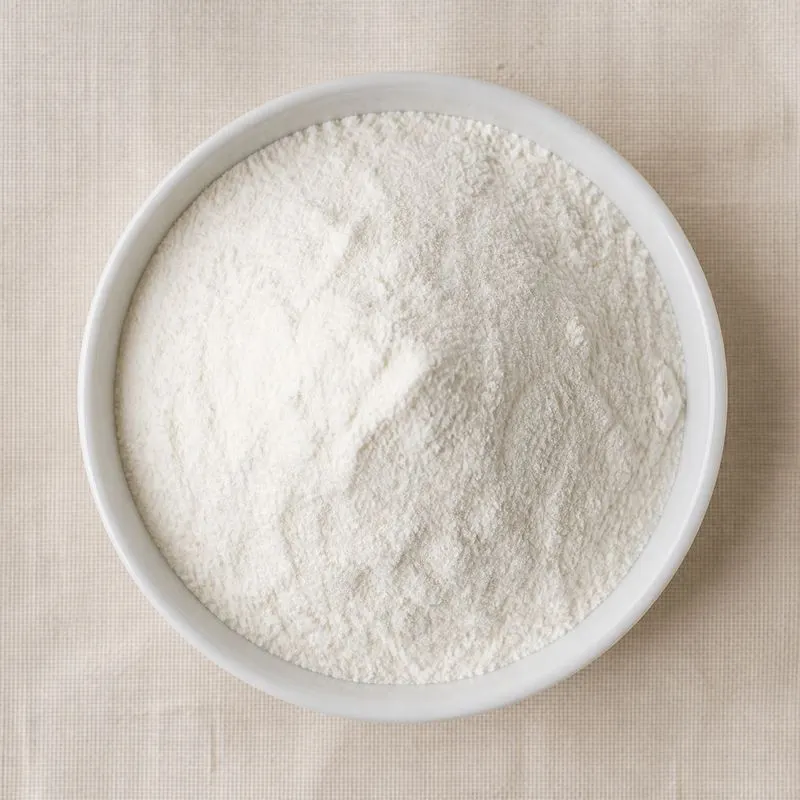
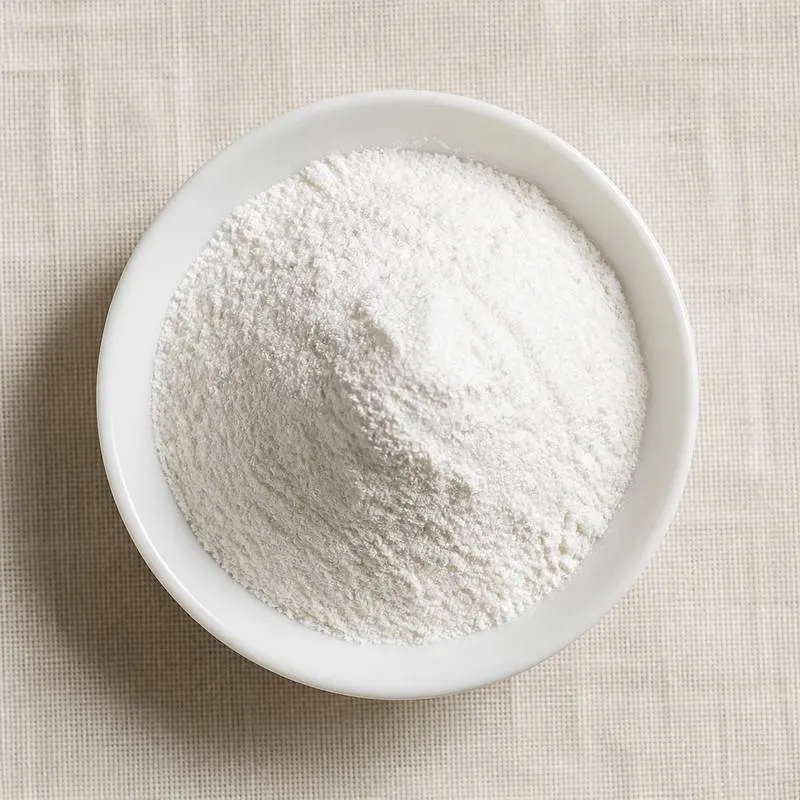
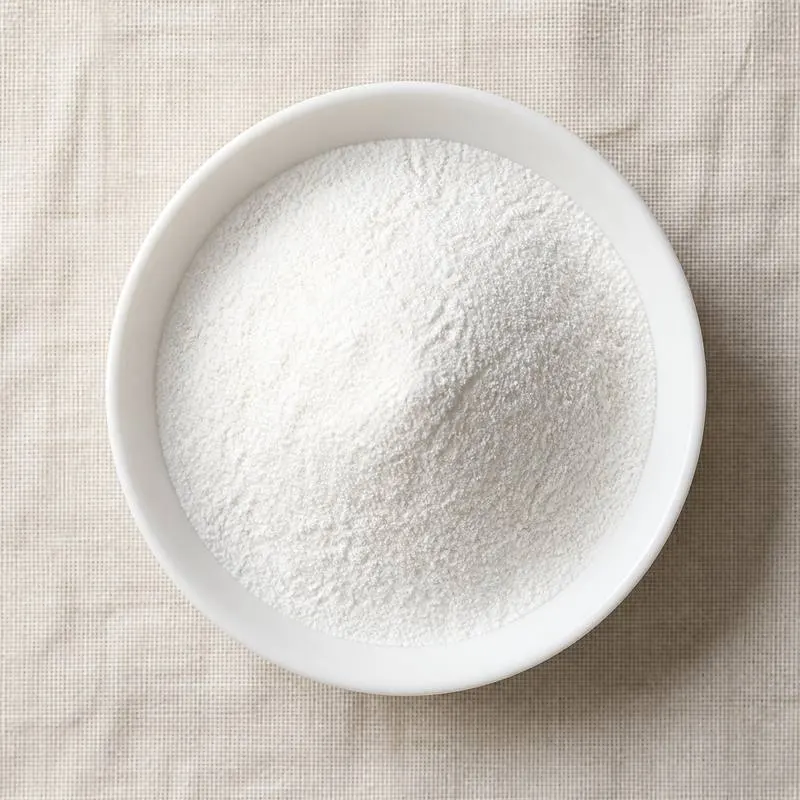
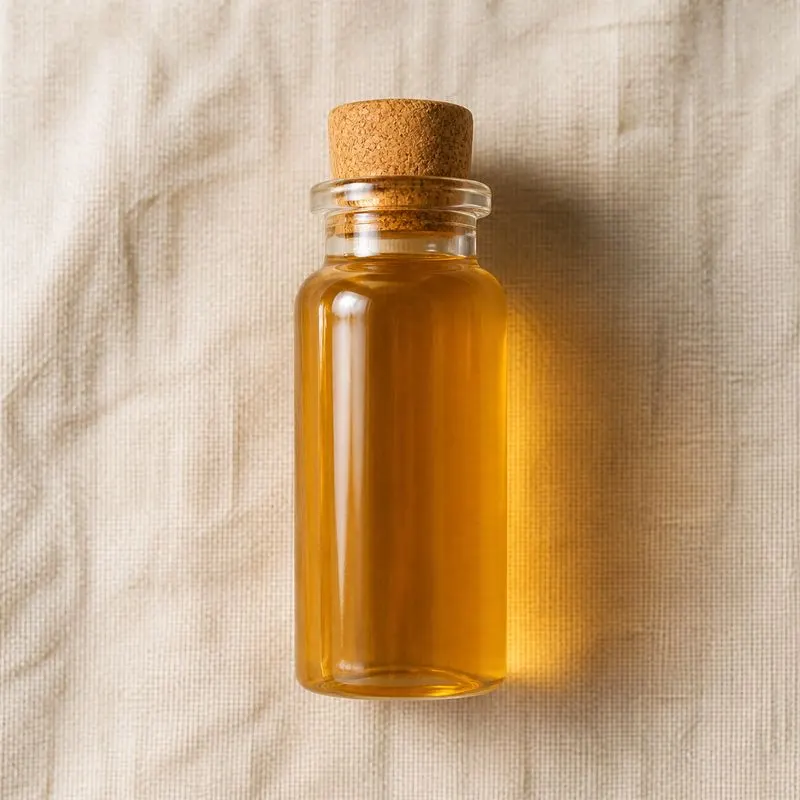
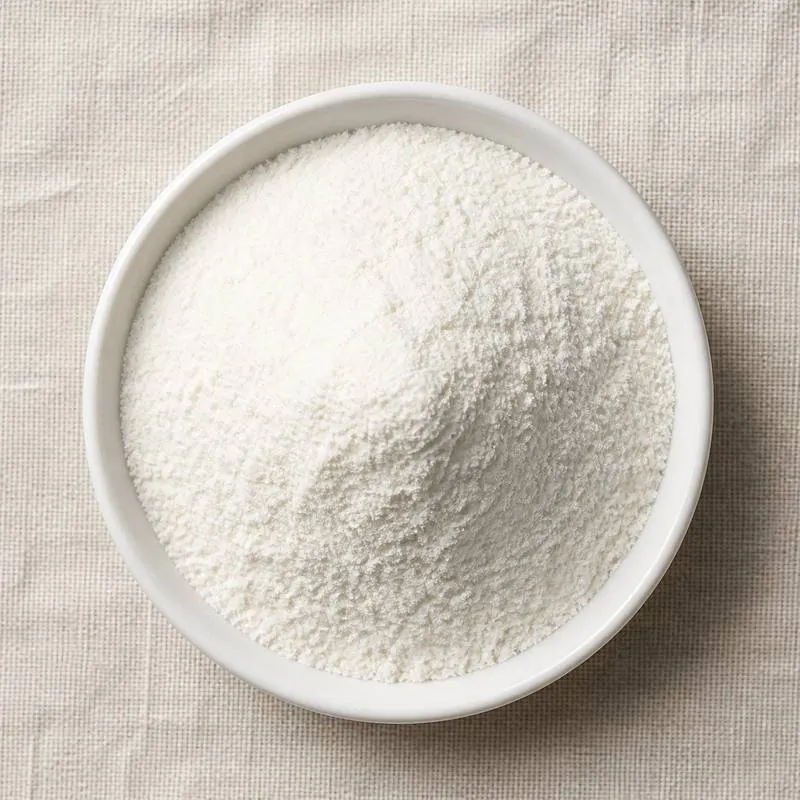
Sodium Polyacrylate is the sodium salt of polyacrylic acid, with CAS number 9003-04-7 and the repeating unit formula (C₃H₃NaO₂)ₙ. It is a hygroscopic white powder or granule capable of absorbing several hundred times its own weight in deionized water.
The polymer is the world's most widely used superabsorbent. Although food and personal-care applications exist, the dominant volume goes into disposable hygiene products. Lightly crosslinked grades function as superabsorbents; linear, water-soluble grades function as thickeners, dispersants, and scale inhibitors.
We source bulk Sodium Polyacrylate from top China manufacturers for our partners. The manufacturers are in Zhejiang and Guangdong. A smaller requirement can ship in a combined container with other ingredients.
Please send the grade you need, the volume and your destination port, and we will come back with a solution and a price.
or call +86-21-6858 0751
- Packaging
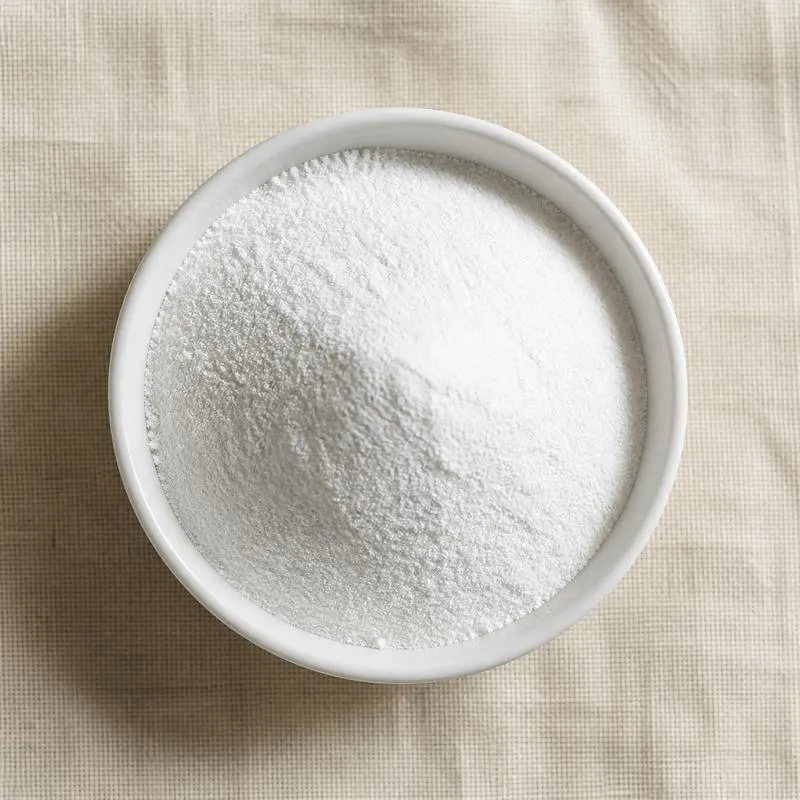
- 25 kg kraft paper bag with PE inner liner
- ISO 9001
- HACCP
- Halal
- Kosher
Specifications
| Item | Specification |
|---|---|
| Appearance | White granular powder |
| Assay (as sodium polyacrylate) | ≥ 95.0% |
| Absorbency (deionized water) | ≥ 200 g/g |
| Moisture | ≤ 8.0% |
| pH (0.1% solution) | 6.0–8.0 |
| Residual Monomer (acrylic acid) | ≤ 0.05% (food grade) |
| Particle Size | 100–850 μm |
| Arsenic (as As) | ≤ 2 ppm |
| Lead (as Pb) | ≤ 2 ppm |
| Total Plate Count | ≤ 1,000 CFU/g |
| - [ | \ |
Common Markets Grades
Several functional classes divide the sodium polyacrylate market.
Superabsorbent polymer (SAP) grade is lightly crosslinked, typically by N,N'-methylenebis(acrylamide) or polyethylene glycol diacrylate, and sold as 200 to 800 micron irregular granules. Absorption capacity ranges from 30 to 60 grams of saline per gram of dry polymer; absorption under load and saline-flow-conductivity properties are the key performance metrics.
Thickener grade is uncrosslinked and water-soluble, with molecular weights from 100,000 to several million. It comes as powder or 30 percent aqueous solution for use in cosmetic gels, agricultural sprays, and industrial cleaners.
Dispersant and scale-inhibitor grade is a low-molecular-weight (2,000 to 10,000) variant sold as 40 to 50 percent aqueous solution for cooling-water, boiler-water, and detergent applications.
Food grade meets purity specifications for residual monomer (acrylic acid below 1000 ppm typically, much lower for food contact) and is used as a thickener in specific approved categories.
Applications
- Disposable diapers, adult incontinence products, and feminine hygiene as the superabsorbent core
- Surgical and wound-care dressings for exudate management
- Pet pads, training pads, and absorbent mats
- Agricultural soil amendments for water retention in arid-climate horticulture
- Cable filling compounds and water-blocking tapes in submarine and direct-buried cables
- Cosmetic gels, lotions, and hair-styling products as a thickener and stabiliser
- Food thickening in selected approved applications (notably noodle dough and gluten-substitute systems in some Asian markets)
- Industrial cooling-water and boiler-water treatment as a scale and corrosion inhibitor
- Laundry and dishwashing detergents as an anti-redeposition agent
- Drilling fluid additive in oil and gas exploration
- Concrete admixture for water retention and workability
Brands Using Sodium Polyacrylate
Widely-distributed consumer products that list Sodium Polyacrylate on the ingredient label.
- PampersSwaddlers Diapers ↗Listed under 'Made With Ingredients You Can Trust': 'Absorbs and locks away wetness: Sodium Polyacrylate'.Label verified 2026-05-24
- PampersPampers Pure Diapers ↗Listed under ingredients: 'Absorbs and locks away wetness - Sodium Polyacrylate'.Label verified 2026-05-24
- The Honest CompanyHonest Diapers ↗Ingredients list: 'Absorbent Bio-Core [... Sodium Polyacrylate Containing Renewable Materials & Odor Inhibitors ...]'.Label verified 2026-05-24
Brand names, product names and logos are the property of their owners. They appear here as published evidence that the ingredient is used, taken from the brand's own label or website. Their appearance is not an endorsement, and it does not mean the brand buys from us or from any manufacturer listed on this site.
China Manufacturers of Sodium Polyacrylate
Top Sodium Polyacrylate manufacturers in China.
- Hangzhou Ju Tao Biological Technology Co., Ltd.1 ingredient in the directory
 Jiangmen City Xinhui District Zhongsheng Bio-tech Co., Ltd.1 ingredient in the directory
Company names and logos are the property of the manufacturers themselves. They are listed here because our own directory records them as producing this ingredient. A listing is not an endorsement by them, and we do not represent them or speak on their behalf.
How We Help Source Sodium Polyacrylate
Direct Factory Sourcing
We run the whole process: selecting the manufacturer from the top Chinese food ingredient producers, negotiating the price, verifying quality, and coordinating the logistics. You deal with us instead of with several factories at once.
Original Packaging and Documents from the Manufacturer
The manufacturer sends your Sodium Polyacrylate out of its own factory in the original packing, through to your destination port. The COA, COO, MSDS, TDS and any certifications reach you from the manufacturer as well.
Free Samples and Lead Time
We send 100 to 500 g free for your own laboratory to test and you cover only the courier, usually within 2 to 3 working days. ETD is usually within 7 to 15 days once the order is confirmed, and we check that date against the factory's own manufacturing schedule before we give it to you.
Combined Shipment
We can load Sodium Polyacrylate together with other ingredients such as Polyglycerol Esters of Fatty Acids, Non-Dairy Creamer and Mono- and Diglycerides of Fatty Acids into one 20' FCL. If your quantity is small, we can also ship LCL.
Regulatory Status
Sodium polyacrylate has different regulatory status in different end uses.
For food-contact materials it is permitted in the European Union under Regulation 10/2011 and listed in the U.S. Food and Drug Administration's 21 CFR 175 through 178 for indirect food contact (paper coatings, adhesives, and packaging).
For direct food use it is permitted in Japan as a thickener in noodle dough and selected baked goods at controlled use levels. It is not authorised as a direct food additive in the European Union or under U.S. food additive regulations.
For cosmetic use it is widely permitted globally with no specific limit beyond Good Manufacturing Practice. Residual acrylic acid monomer is the main purity control and is held below 1000 ppm for personal-care grades.
For absorbent hygiene products no specific food regulation applies, but the polymer is subject to general consumer safety legislation and to the OEKO-TEX and similar voluntary certification schemes that audit residual monomer and heavy metals.
Manufacturing Process
Sodium polyacrylate is produced by free-radical polymerisation of acrylic acid that has been partially neutralised with sodium hydroxide.
For superabsorbent grade the most common process is solution polymerisation in a kneader or belt reactor. Acrylic acid is neutralised to roughly 70 percent degree of neutralisation with sodium hydroxide in cold deionized water; a crosslinker (typically N,N'-methylenebis(acrylamide) at 0.05 to 0.5 percent) is added; the reaction is initiated thermally or by ultraviolet light with persulfate, peroxide, or azo initiators. The reaction is highly exothermic and produces a translucent rubbery gel within minutes.
The gel is then chopped, extruded, and dried in a hot-air or fluid-bed dryer to roughly 5 percent residual moisture. The dry mass is milled to the target particle size distribution, and a final surface crosslinking treatment (ethylene glycol diglycidyl ether or 1,4-butanediol) at 150 to 200 degrees Celsius adds a tighter outer shell that resists gel-block under load.
For linear thickener and dispersant grades the polymerisation is run in aqueous solution without crosslinker, and the resulting polymer leaves the plant as a solution or as spray-dried powder.