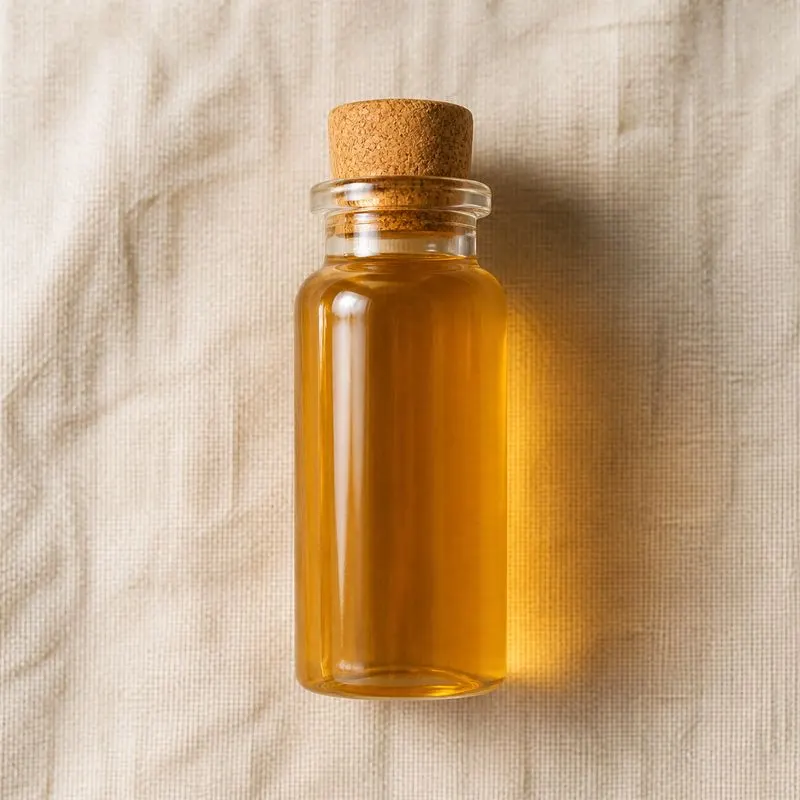
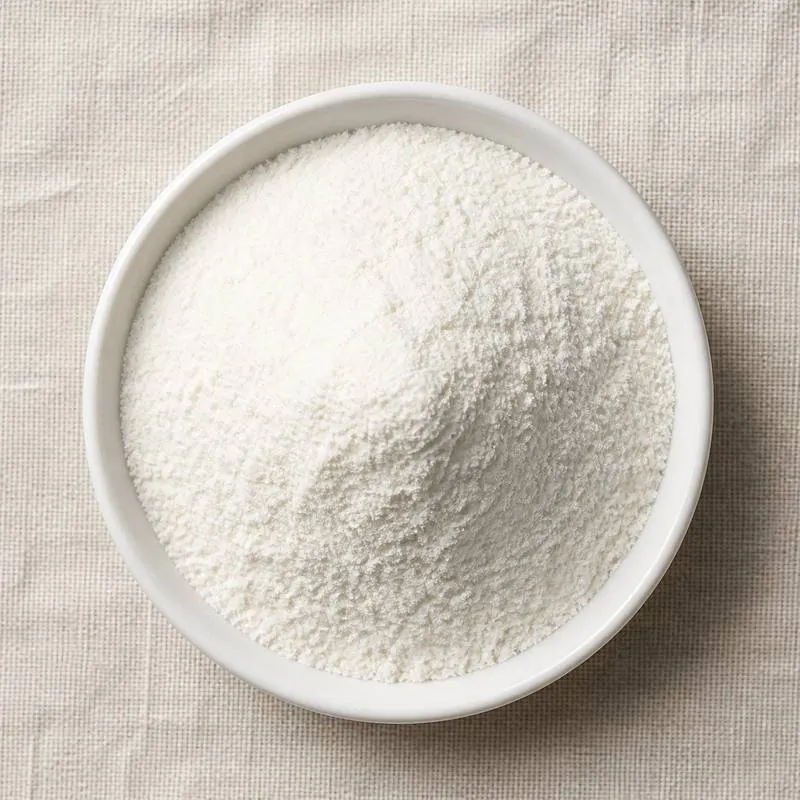
Sorbitan Stearates
Sorbitan Stearates is a collective term covering the family of sorbitan esters bearing stearic acid chains. The principal commercial members are sorbitan monostearate (Span 60, E491), sorbitan tristearate (Span 65, E492), and mixed-ester intermediates between the two.
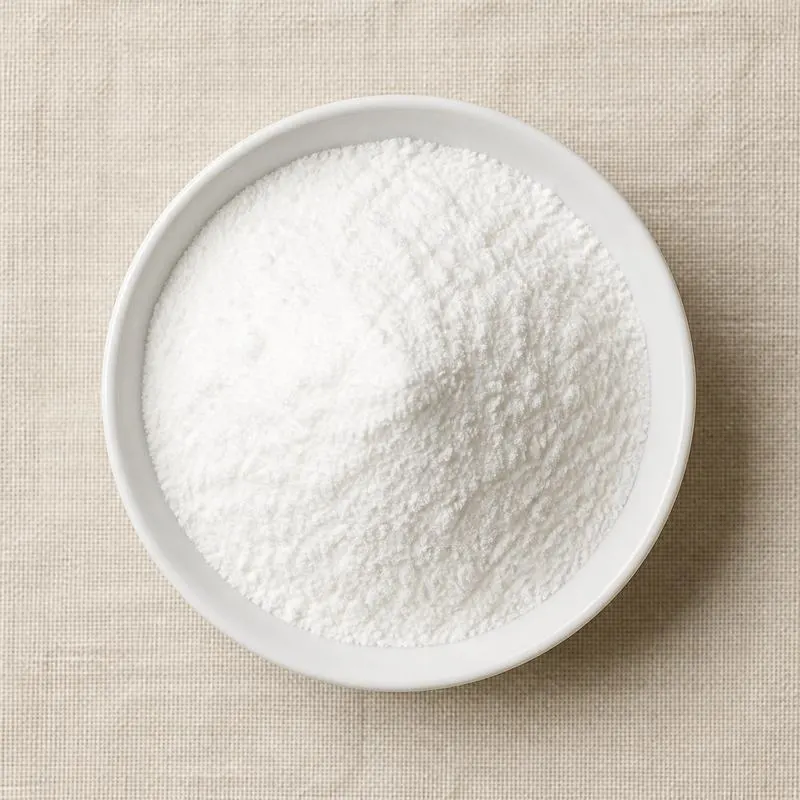
The family covers HLB values from 2.1 (Span 65) to 4.7 (Span 60), entirely in the lipophilic range. Sorbitan stearates are cream-coloured hard waxes with melting points between 47 and 57 degrees Celsius, and the dominant lipid-side emulsifiers of the cake-mix, whipped-topping, and chocolate industries.
We source bulk Sorbitan Stearates from top China manufacturers for our partners. The manufacturer is in Guangdong. A smaller requirement can ship in a combined container with other ingredients.
Please send the grade you need, the volume and your destination port, and we will come back with a solution and a price.
or call +86-21-6858 0751
- Packaging
- 25 kg kraft paper bag with PE inner liner
- ISO 9001
- HACCP
- Halal
- Kosher
Specifications
| Item | Specification |
|---|---|
| Appearance | Cream to tan waxy solid, flakes or beads |
| Melting Range | 47-57 °C |
| Colour (Gardner, molten) | ≤ 8 |
| Acid Value | ≤ 10 mg KOH/g (Span 60); ≤ 15 mg KOH/g (Span 65) |
| Saponification Value | 147-157 mg KOH/g (Span 60); 176-188 mg KOH/g (Span 65) |
| Hydroxyl Value | 235-260 mg KOH/g (Span 60); 66-80 mg KOH/g (Span 65) |
| HLB Value | 4.7 (Span 60); 2.1 (Span 65) |
| Water (Karl Fischer) | ≤ 1.5% |
| Residue on Ignition | ≤ 0.5% |
| Fatty Acid Composition | Stearic plus palmitic acid ≥ 90% |
| Total Polyols (sorbitol, sorbitan, isosorbide) | ≤ 45% |
| Heavy Metals (as Pb) | ≤ 10 mg/kg |
| Lead (as Pb) | ≤ 2 mg/kg |
| Arsenic (as As) | ≤ 3 mg/kg |
Common Markets Grades
The family is graded by degree of esterification.
Sorbitan monostearate (Span 60) is the most widely used grade, with one stearic acid per sorbitan and an HLB of 4.7.
Sorbitan tristearate (Span 65) has three stearic acids per sorbitan, leaving no free hydroxyls and giving an HLB of 2.1. It is the standard chocolate bloom inhibitor.
Mixed-ester intermediates with 1.5 to 2 stearic acids per sorbitan are produced for specific bakery and confectionery applications.
Food grade meets the JECFA specifications with controlled hydroxyl and saponification values, free fatty acid below 5 percent, and water below 1.5 percent. USP-NF and Ph. Eur. pharmaceutical grades add tighter purity controls.
Plant-source stearic acid (palm, soybean, or sunflower) is the standard supply route; RSPO-certified palm, Kosher, and Halal grades are widely available.
Applications
- Cake mixes and sponge cakes as a co-emulsifier with PGMS and monoglyceride
- Whipping cream powders and aerosol whipped toppings for foam volume and stability
- Ice cream and frozen desserts as a co-emulsifier with polysorbate 60 or polysorbate 80
- Chocolate and compound coatings as a bloom inhibitor and crystal modifier (Span 65)
- Margarine and reduced-fat spreads as the lipid-phase emulsifier
- Coffee whiteners and powdered creamers
- Pharmaceutical creams, ointments, and topical preparations
- Cosmetic moisturizers, sunscreens, and colour cosmetics as water-in-oil emulsifiers
- Confectionery shortenings and panning syrups
- Textile spinning lubricants and antistatic finishes
Brands Using Sorbitan Stearates
Widely-distributed consumer products that list Sorbitan Stearates on the ingredient label.
- Red Star YeastQuick-Rise Instant Yeast (4 oz jar) ↗Listed: 'Yeast, Sorbitan Monostearate, Ascorbic Acid'Label verified 2026-05-24
- Red Star YeastPlatinum Yeast (Instant Yeast with Dough Improver) ↗Listed: 'Yeast, Xanthan Gum, Enzymes, Ascorbic Acid, Sorbitan Monostearate'Label verified 2026-05-24
Brand names, product names and logos are the property of their owners. They appear here as published evidence that the ingredient is used, taken from the brand's own label or website. Their appearance is not an endorsement, and it does not mean the brand buys from us or from any manufacturer listed on this site.
China Manufacturers of Sorbitan Stearates
Top Sorbitan Stearates manufacturers in China.
Company names and logos are the property of the manufacturers themselves. They are listed here because our own directory records them as producing this ingredient. A listing is not an endorsement by them, and we do not represent them or speak on their behalf.
How We Help Source Sorbitan Stearates
Direct Factory Sourcing
We run the whole process: selecting the manufacturer from the top Chinese food ingredient producers, negotiating the price, verifying quality, and coordinating the logistics. You deal with us instead of with several factories at once.
Original Packaging and Documents from the Manufacturer
The manufacturer sends your Sorbitan Stearates out of its own factory in the original packing, through to your destination port. The COA, COO, MSDS, TDS and any certifications reach you from the manufacturer as well.
Free Samples and Lead Time
We send 100 to 500 g free for your own laboratory to test and you cover only the courier, usually within 2 to 3 working days. ETD is usually within 7 to 15 days once the order is confirmed, and we check that date against the factory's own manufacturing schedule before we give it to you.
Combined Shipment
We can load Sorbitan Stearates together with other ingredients such as Polyglycerol Esters of Fatty Acids, Non-Dairy Creamer and Mono- and Diglycerides of Fatty Acids into one 20' FCL. If your quantity is small, we can also ship LCL.
Regulatory Status
Sorbitan stearates are approved as food additives and pharmaceutical excipients in essentially every regulated market.
In the European Union sorbitan monostearate carries E491 and sorbitan tristearate carries E492 within the sorbitan esters family. The European Food Safety Authority re-evaluated the sorbitan esters group in 2017 and confirmed a group acceptable daily intake expressed as sorbitan.
The U.S. Food and Drug Administration permits sorbitan monostearate under 21 CFR 172.842 and sorbitan tristearate under 21 CFR 172.844 and 172.846, both with category-specific use limits across cake mixes, icings, whipped vegetable oil toppings, beverage bases, and chocolate.
JECFA assigned the sorbitan esters group an ADI expressed as sorbitan. Pharmacopoeial monographs appear in USP-NF and Ph. Eur.
Kosher and Halal certifications are widely available when stearic acid sourcing is documented.
Manufacturing Process
Sorbitan stearates are produced by direct esterification of sorbitol with stearic acid, with the degree of esterification controlled by the molar ratio of acid to sorbitan.
Sorbitol is first dehydrated to sorbitan by heating under vacuum with an acid or base catalyst at 150 to 200 degrees Celsius. A single water molecule is eliminated, producing a five-membered tetrahydrofuran ring with three free hydroxyl groups. A small fraction undergoes a second dehydration to isosorbide; this isosorbide content is a controlled impurity.
The sorbitan is then esterified with a stearic acid stream at 200 to 230 degrees Celsius under nitrogen with an alkaline catalyst. For Span 60 (monostearate) the molar ratio is held close to 1:1; for Span 65 (tristearate) the ratio is approximately 1:3; intermediate ratios produce mixed mono- and diester products.
The reaction is followed by acid value until the target specification is reached. The catalyst is neutralised with phosphoric or citric acid, the crude is bleached with activated carbon, and the product is shaped to flakes, beads, or pastilles for handling. The high melting point of Span 65 requires hot packaging to molten form.