Soy Fibre Protein
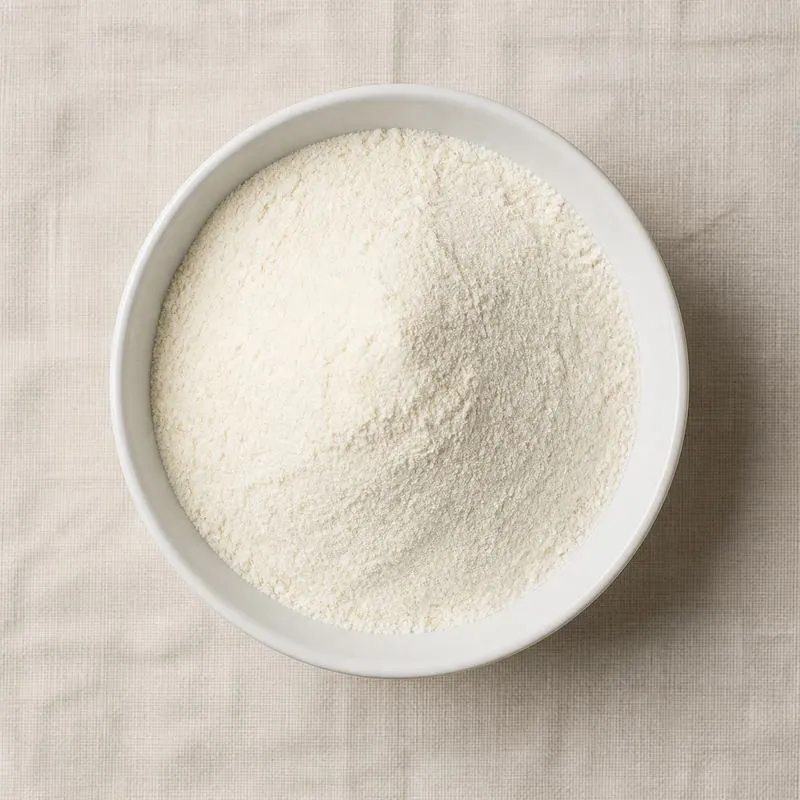
Soy fibre protein is a co-processed soybean ingredient that carries both soy protein and soy cotyledon fibre in a single powder, made from the insoluble fraction of the defatted bean rather than from the extracted protein alone.
Where a soy protein isolate is purified by discarding the fibre, this material keeps it, so a typical composition runs around 40 to 60 percent protein with 20 to 30 percent dietary fibre, most of it the insoluble pectic polysaccharide and cellulose of the cotyledon cell wall. The two components do different jobs. The protein emulsifies fat and forms a gel on heating, while the fibre binds several times its own weight of water by capillary retention and holds it through a cook and chill cycle. That combination is what the ingredient is bought for, and it is why the material is dosed in systems where an isolate alone would give a rubbery bite.
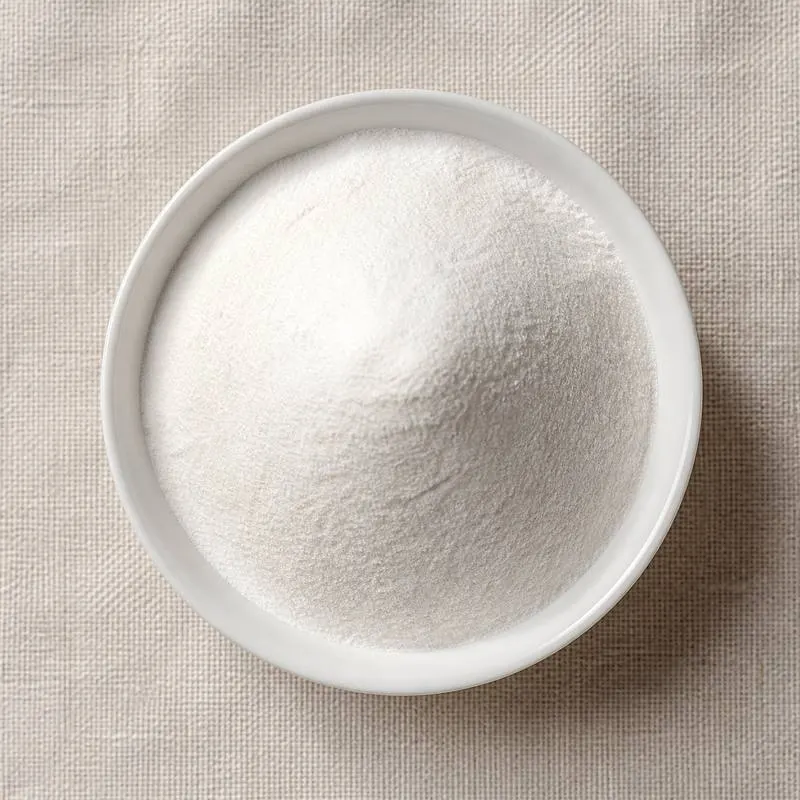
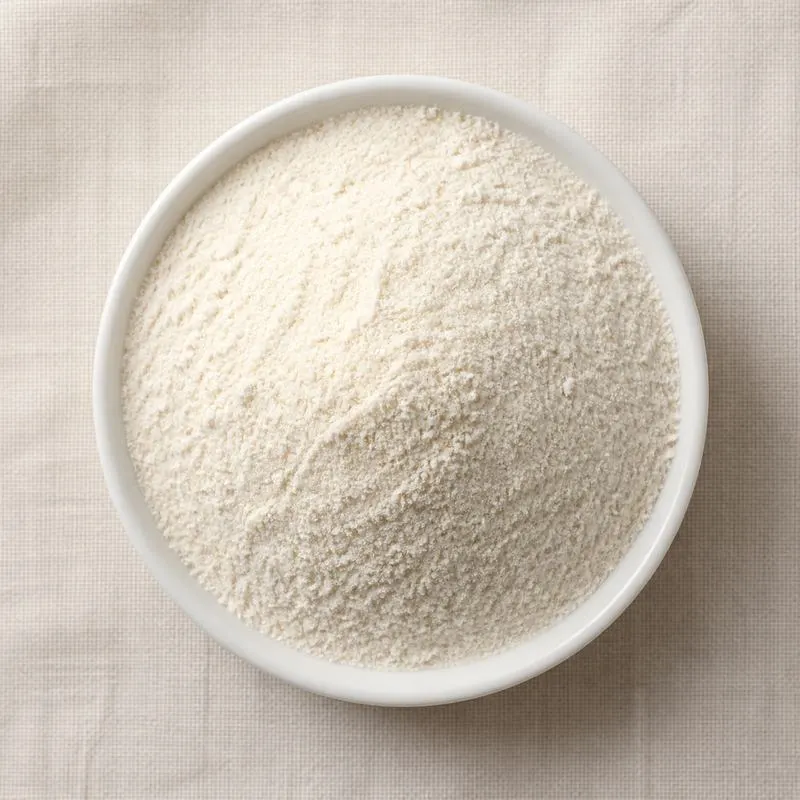
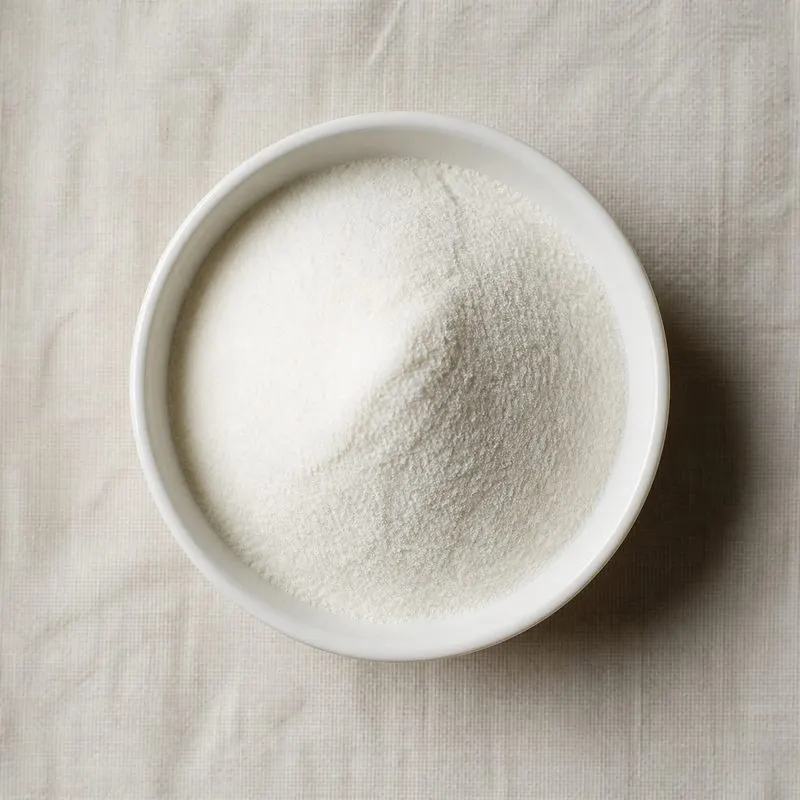
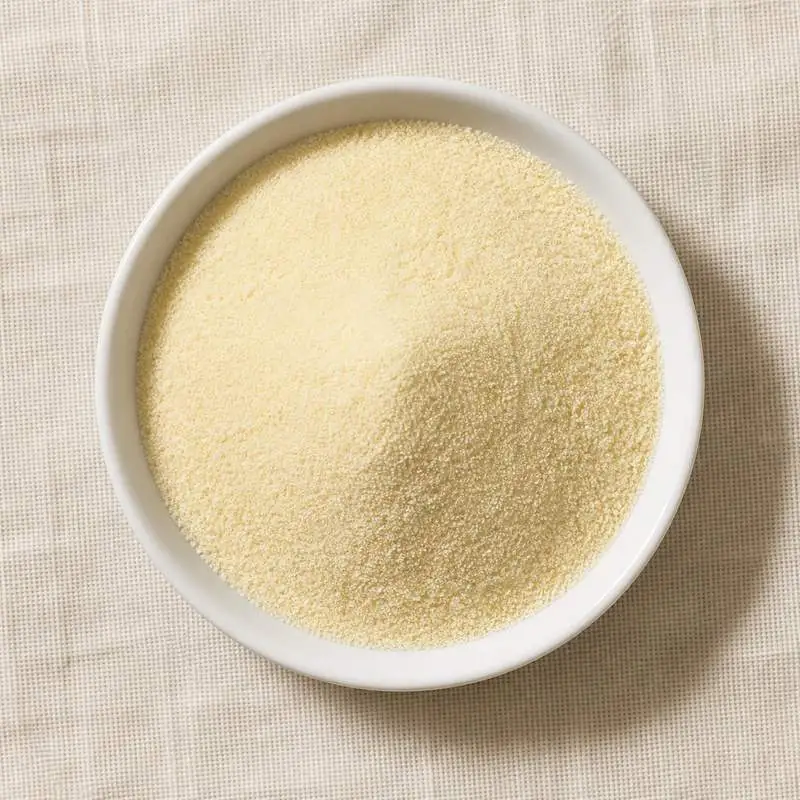
It reaches users as a cream to light tan powder or fine granule that disperses in water to form a viscous slurry rather than a solution. Hydration capacity, usually declared as grams of water held per gram of powder, is the specification that sets use rate.
We source bulk Soy Fibre Protein from top China manufacturers for our partners. The manufacturer is in Zhejiang. A smaller requirement can ship in a combined container with other ingredients.
Please send the grade you need, the volume and your destination port, and we will come back with a solution and a price.
or call +86-21-6858 0751
- Function
- Protein
Specifications
| Item | Specification |
|---|---|
| Appearance | Cream to light tan free flowing powder or granule |
| Odour and taste | Bland characteristic soy, free of rancid or solvent notes |
| Protein (dry basis, N x 6.25) | 45.0 percent minimum |
| Total dietary fibre (dry basis) | 20.0 percent minimum |
| Water holding capacity | 6.0 g water per g minimum |
| Fat | 1.5 percent maximum |
| Moisture | 8.0 percent maximum |
| Ash | 6.0 percent maximum |
| pH (10 percent slurry) | 6.0 to 7.5 |
| Particle size | 95 percent through 60 mesh |
| Residual hexane | 10 mg/kg maximum |
| Lead | 0.5 mg/kg maximum |
| Arsenic | 0.5 mg/kg maximum |
| Total plate count | 30,000 cfu/g maximum |
| Yeast and mould | 100 cfu/g maximum |
| E. coli | Absent in 1 g |
| Salmonella | Absent in 25 g |
Common Markets Grades
Grades are set by the protein to fibre ratio and by particle size. Higher protein versions, above 50 percent, are specified where emulsification and gel strength matter most, and higher fibre versions where water binding and yield are the object. Both are traded as food grade powders against the same contaminant and microbiological limits.
Particle size runs from fine powder, which hydrates quickly and disappears into an emulsion, to coarse granular material that retains some particulate structure and is used where a visible fibrous element is wanted. Functionally modified grades exist in which the fibre has been given a thermal or mechanical treatment to raise its water holding, and non GMO and identity preserved lots are traded as separate specifications with their own documentation.
Applications
- Emulsified sausage and frankfurters, where it binds free water and fat and holds cook yield
- Injected and tumbled whole muscle meat, dosed into the brine to reduce purge in the pack
- Burger patties and reformed meat, where it limits shrinkage and moisture loss on grilling
- Meat analogue formulations, contributing both protein content and a fibrous mouthfeel that isolate alone does not give
- Bakery, where its water binding extends crumb softness and slows staling in high fibre breads
- Extruded snacks and cereal bars, raising the declared dietary fibre and protein together
- Soups, sauces and gravies, as a thickening and body building agent that suspends particulates
- Pet food, where it contributes protein, fibre and stool bulking in extruded diets
- Fibre fortified beverages and meal replacement powders, where a controlled viscosity is acceptable
China Manufacturers of Soy Fibre Protein
Top Soy Fibre Protein manufacturers in China.

Company names and logos are the property of the manufacturers themselves. They are listed here because our own directory records them as producing this ingredient. A listing is not an endorsement by them, and we do not represent them or speak on their behalf.
Regulatory Status
Soy protein and soy fibre ingredients are foods rather than food additives, so the material carries no E number in the European Union and no additive listing in the United States. Soy is a declarable allergen in both jurisdictions and in most other major markets.
In the United States soy protein products are used within the general food ingredient framework, and their use in meat and poultry products is separately governed by the federal meat inspection rules, which limit how much soy protein may be added to particular standardised products and require it to be declared in the ingredient statement. Dietary fibre content declared on the nutrition label must satisfy the FDA definition of dietary fibre, which for a naturally occurring intact plant fibre such as soy cotyledon fibre is met without further demonstration. In the European Union the material is a conventional food ingredient covered by the general food law and hygiene rules, with fibre and protein claims controlled by the nutrition and health claims regulation. Where the soybeans are genetically modified, EU traceability and labelling rules for genetically modified food apply. Codex has a general standard for vegetable protein products that covers soy protein products compositionally, and its contaminant provisions, particularly the limits relevant to oilseed processing and residual solvent, apply to the finished powder.
Manufacturing Process
Cleaned soybeans are dehulled, cracked, conditioned and flaked, then the oil is extracted with hexane and the resulting meal is desolventised under conditions chosen to keep the protein soluble. This white flake is the common starting material for all soy protein ingredients.
The flake is dispersed in water at mildly alkaline pH so that the storage proteins go into solution while the cell wall polysaccharides do not. The slurry is centrifuged, and it is the insoluble stream, the cotyledon fibre carrying protein still associated with it, that becomes soy fibre protein rather than the clear extract used for isolate. That fibre stream is washed to remove residual sugars and off flavour compounds, neutralised, and given the thermal or shear treatment that sets its final water holding capacity. It is then concentrated, spray dried or flash dried, and milled and sieved to the required granulation. Some plants instead work from okara, the residue of soymilk manufacture, which is dewatered, washed, sterilised and dried by the same finishing train.