Spirulina Low Poly Peptide
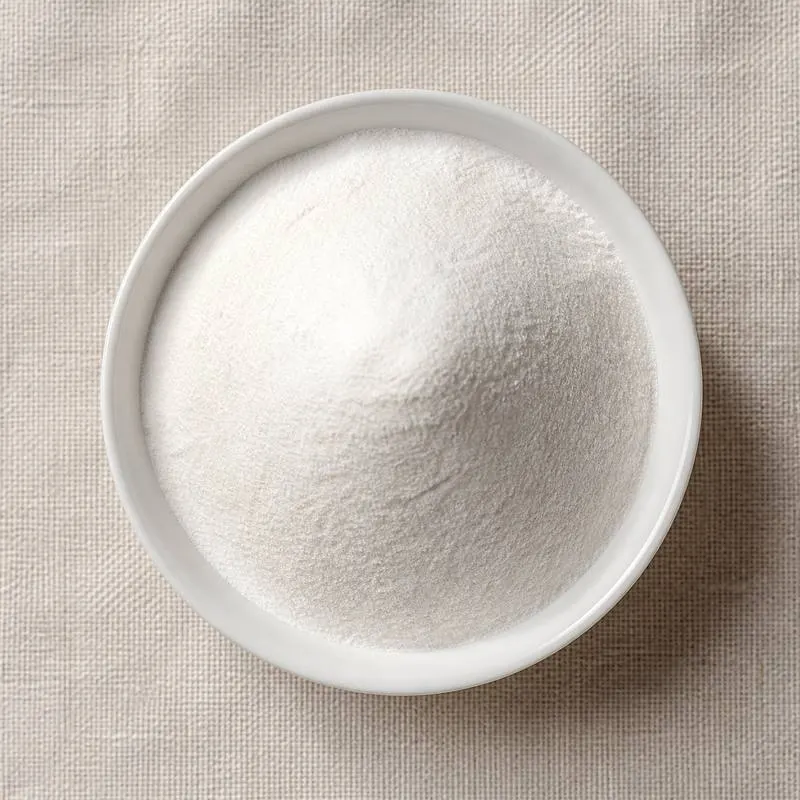
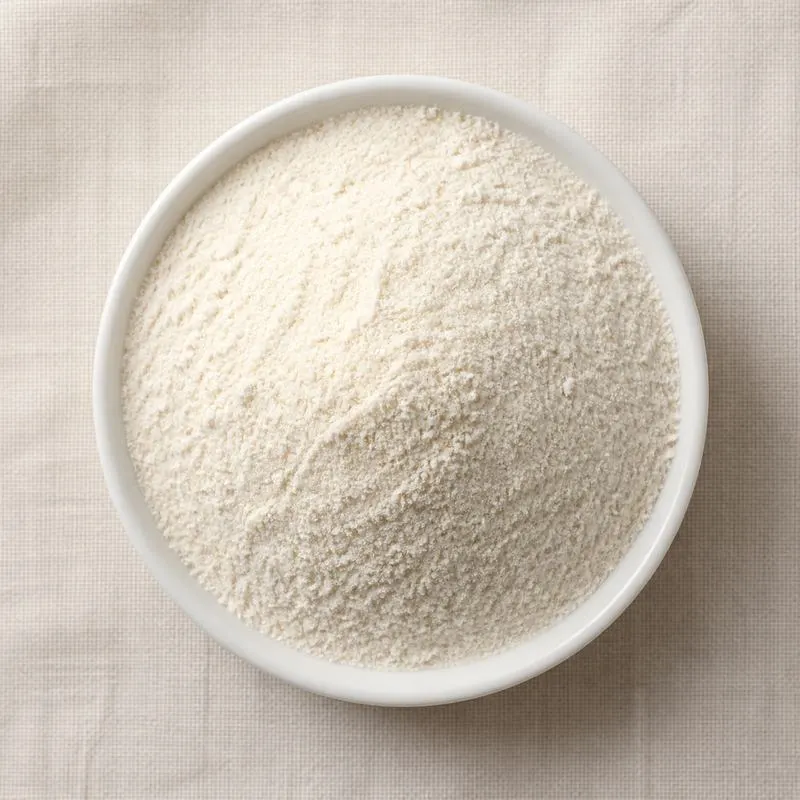
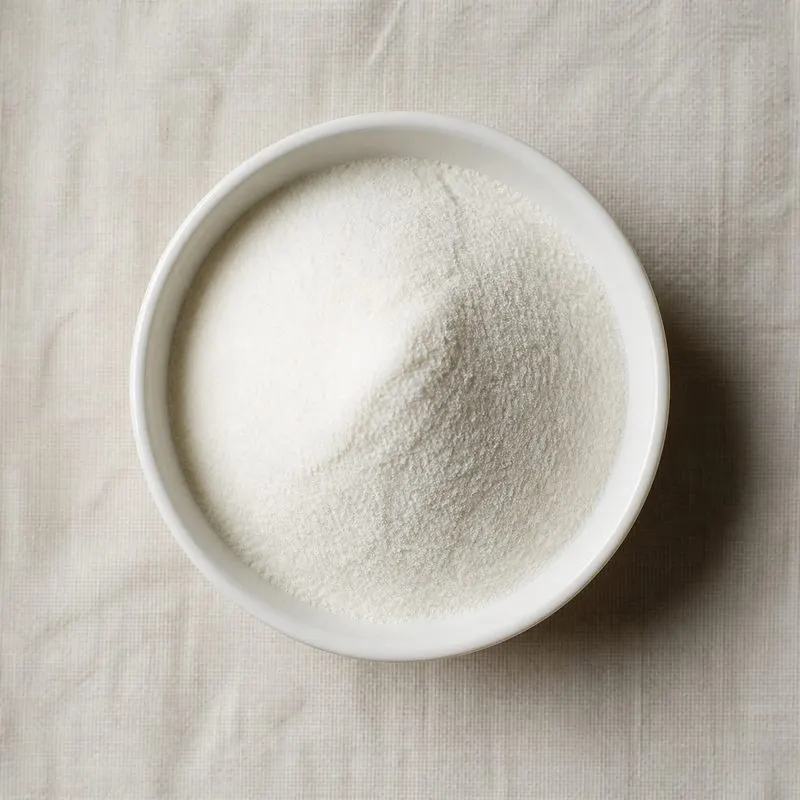
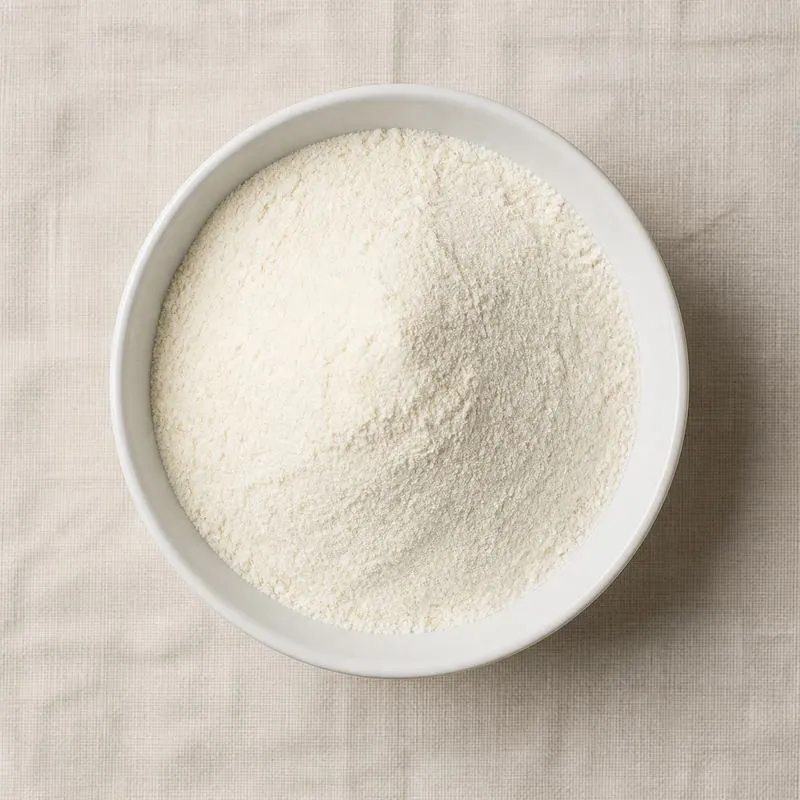
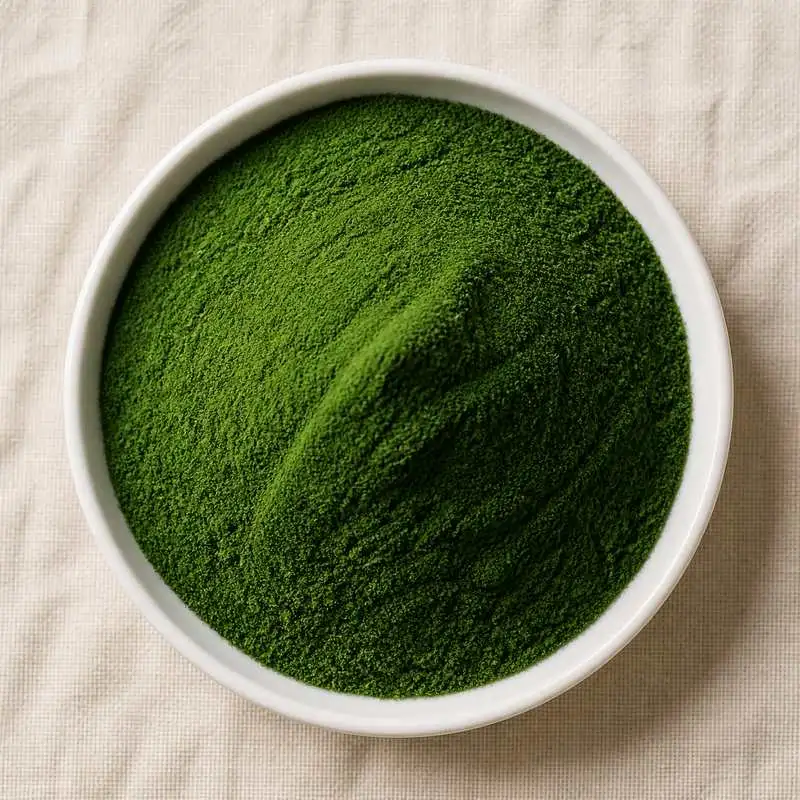
Spirulina low poly peptide is an enzymatically hydrolysed protein preparation made from Arthrospira platensis biomass, in which the algal protein has been cut down to short oligopeptides of roughly two to ten amino acid residues. The name follows the Chinese trade convention for oligopeptide products, and the material is sold as a fine blue-green to greenish-grey powder.
Spirulina protein accounts for a little over half the dry weight of the harvested biomass, and it is rich in branched chain amino acids, glutamic and aspartic acid, and the chromoprotein phycocyanin. Hydrolysis breaks the intact protein into fragments with an average molecular weight generally below 1000 daltons, which removes the gritty mouthfeel and the sedimentation behaviour of whole spirulina powder.
The peptide fraction is freely soluble in water at ambient temperature, gives a clear to slightly cloudy solution, and stays in solution across a broad pH band without the isoelectric precipitation seen with intact algal protein. Solutions carry a characteristic marine and vegetal note, which is why the material is typically used in flavoured or encapsulated formats rather than in neutral beverages.
We source bulk Spirulina Low Poly Peptide from top China manufacturers for our partners. The manufacturer is in Shandong. A smaller requirement can ship in a combined container with other ingredients.
Please send the grade you need, the volume and your destination port, and we will come back with a solution and a price.
or call +86-21-6858 0751
- Function
- Protein
Specifications
| Item | Specification |
|---|---|
| Appearance | Blue-green to greenish-grey fine powder |
| Odour and Taste | Characteristic marine and vegetal, slightly bitter |
| Protein (dry basis) | ≥ 80.0% |
| Peptide Fraction below 1000 Da | ≥ 80.0% |
| Identification | Conforms by amino acid profile and molecular weight distribution |
| Loss on Drying | ≤ 7.0% |
| Ash | ≤ 8.0% |
| pH (1% solution) | 5.5 to 7.5 |
| Particle Size | 100% through 80 mesh |
| Heavy Metals (as Pb) | ≤ 10 mg/kg |
| Lead | ≤ 1.0 mg/kg |
| Arsenic | ≤ 1.0 mg/kg |
| Total Plate Count | ≤ 10,000 cfu/g |
| Yeast and Mould | ≤ 100 cfu/g |
| Escherichia coli | Negative in 1 g |
| Salmonella | Negative in 25 g |
Common Markets Grades
The traded material is food grade, with assay expressed as protein or as peptide content on a dry basis. Common specifications run from 80 percent minimum protein for a general nutrition grade up to 90 percent for a refined grade, with the peptide fraction below 1000 daltons quoted separately, usually as 80 percent or 90 percent minimum of the total.
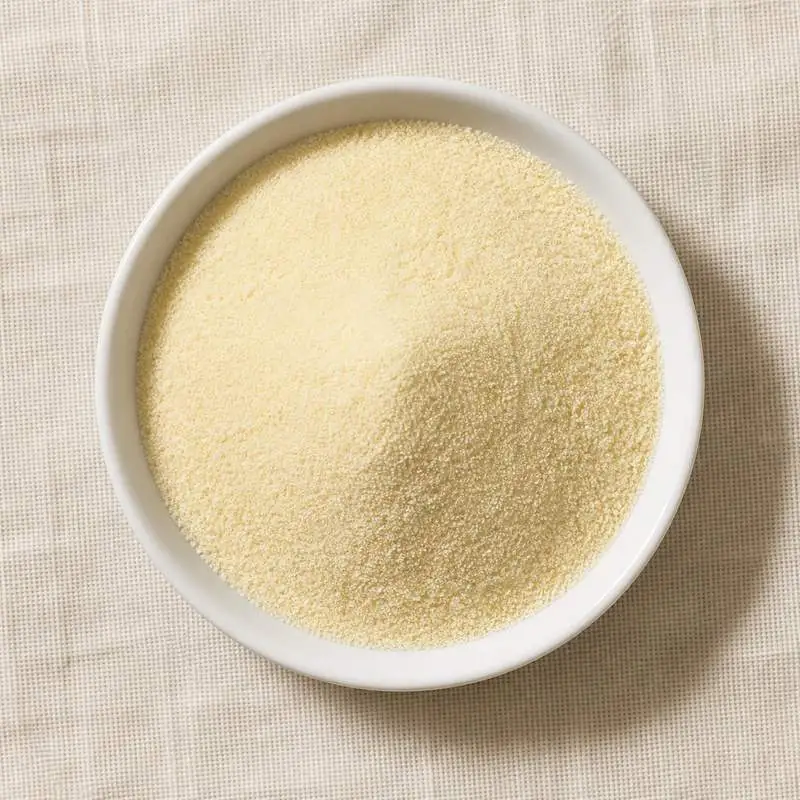
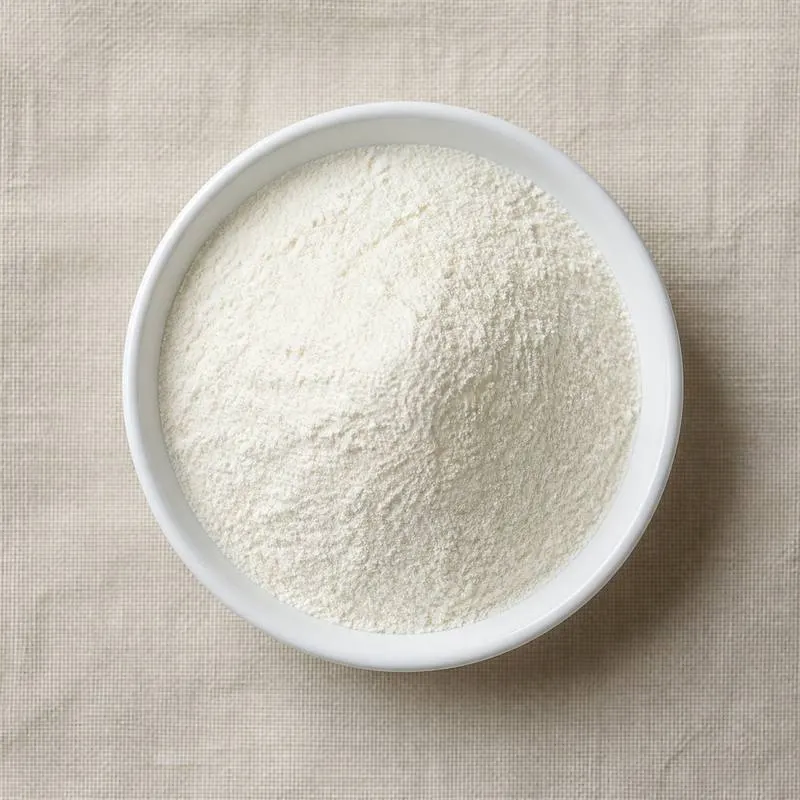
Colour is the second axis of differentiation. A standard grade retains much of the native phycocyanin and is distinctly blue-green, while a decolourised grade has been carbon treated or membrane processed to a pale beige powder for use where the pigment would stain a finished product. Both are spray dried powders through an 80 mesh screen; a freeze dried version is offered at higher cost where pigment and flavour retention matter.
Applications
- Sports nutrition powders, where the pre-hydrolysed peptides supply branched chain amino acids without the dispersion problems of whole algal protein
- Ready to drink protein shots and shakes, where solubility at low viscosity allows a high protein load in a small serving
- Capsules and tablets marketed for general nutrition, using the decolourised grade to keep the shell clean
- Meal replacement and clinical nutrition blends, as a plant protein source for vegan positioning
- Effervescent and instant drink sachets, where the powder dissolves without a residue in the base of the cup
- Nutrition bars and baked snacks, where the low molecular weight fraction resists the hardening seen with intact protein over shelf life
- Pet supplement premixes, blended into palatants for the amino acid profile and the marine note
- Cosmetic and personal care leave-on products, where the low molecular weight fraction is used as a humectant film former
China Manufacturers of Spirulina Low Poly Peptide
Top Spirulina Low Poly Peptide manufacturers in China.
Company names and logos are the property of the manufacturers themselves. They are listed here because our own directory records them as producing this ingredient. A listing is not an endorsement by them, and we do not represent them or speak on their behalf.
Regulatory Status
In the United States, spirulina biomass has a long history of food use and is marketed under self-affirmed and notified GRAS conclusions, with spirulina extract separately listed as a colour additive exempt from certification. A protein hydrolysate prepared from that biomass with food grade enzymes is treated as a food ingredient rather than an additive, and its status rests on the GRAS conclusion held for the specific preparation and the enzymes used, each of which must itself be cleared for use in food processing.
In the European Union, spirulina had a significant history of consumption before May 1997 and is therefore not a novel food, but a hydrolysed peptide preparation may require assessment under the novel food regulation depending on the degree of processing and the intended use level. Enzymes used in the hydrolysis fall under the EU food enzyme framework. No E number applies, since the material is a nutritional ingredient rather than an additive. JECFA has not established a specification monograph for algal protein hydrolysates.
Manufacturing Process
Production starts with cultivated spirulina biomass grown in open raceway ponds or closed tubular reactors, harvested by fine screen filtration and washed to remove culture medium salts. The wet biomass is disrupted, usually by high pressure homogenisation, to release intracellular protein from the trichomes, and the slurry is adjusted to the pH and temperature window of the chosen protease.
Hydrolysis uses a food grade endoprotease, often an alkaline bacterial protease followed by a neutral or exopeptidase stage to trim the fragments and reduce bitterness. The reaction is held for several hours under controlled pH, then stopped by heat inactivation of the enzyme. Cell debris and unhydrolysed protein are removed by centrifugation and microfiltration, and the clarified hydrolysate is passed through ultrafiltration membranes to cut off the fraction above the target molecular weight. Where a pale product is wanted, activated carbon or a further membrane stage removes pigment. The permeate is concentrated by vacuum or reverse osmosis evaporation and spray dried to a free-flowing powder.