Spirulina Extract
Spirulina extract is a water-soluble preparation obtained from the cyanobacterium Arthrospira platensis, most often standardised on its content of phycocyanin, the blue protein-bound pigment that gives the extract its colour and its principal commercial value.
Phycocyanin is a phycobiliprotein, a water-soluble protein carrying covalently bound open-chain tetrapyrrole chromophores, and it is the only natural blue colouring of any commercial significance in food. Alongside it the extract carries allophycocyanin, soluble protein and peptides, and a minor polysaccharide fraction. Because Arthrospira has no cellulose cell wall, only a soft peptidoglycan envelope, the pigment can be released with water and mild mechanical treatment rather than the harsher disruption other algae need.
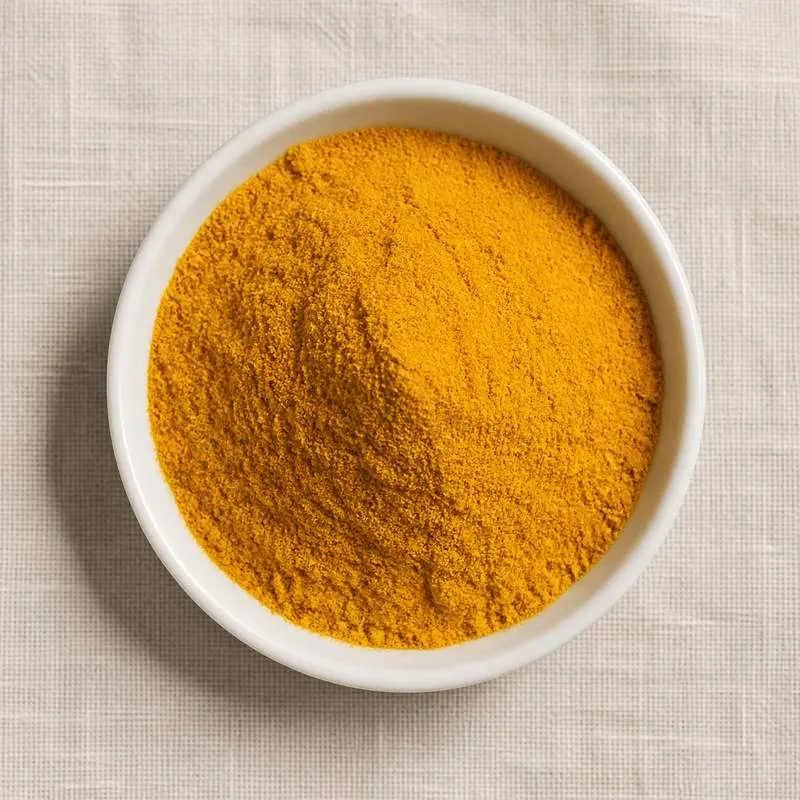
The material is a deep blue free-flowing powder or a concentrated liquid. It dissolves readily in cold water to a brilliant blue solution and is stable in the neutral to slightly acidic range. Its limits are well known to formulators: colour fades above roughly 45 to 50 degrees Celsius, the protein denatures and precipitates below about pH 4, and prolonged exposure to light accelerates fading. Stabilised grades using sugars, ascorbate or trehalose are used where a wider process window is required.
We source bulk Spirulina Extract from top China manufacturers for our partners. The manufacturer is in Zhejiang. A smaller requirement can ship in a combined container with other ingredients.
Please send the grade you need, the volume and your destination port, and we will come back with a solution and a price.
or call +86-21-6858 0751
- Function
- Plant extract
Specifications
| Item | Specification |
|---|---|
| Appearance | Deep blue free-flowing powder |
| Source | Arthrospira platensis, cultivated biomass |
| Colour value, A620 to A280 ratio | 1.5 minimum |
| Phycocyanin content | 20.0 percent minimum |
| Identification | Absorption maximum at 618 to 622 nanometres |
| Water solubility | Complete, clear blue solution at 1 percent |
| pH of 1 percent solution | 5.5 to 7.5 |
| Loss on drying | 7.0 percent maximum |
| Ash | 10.0 percent maximum |
| Lead | 1.0 ppm maximum |
| Arsenic | 1.0 ppm maximum |
| Microcystin-LR | Not detected, limit 1.0 ppb |
| Total plate count | 10,000 cfu per gram maximum |
| Yeast and mould | 100 cfu per gram maximum |
| E. coli | Negative in 1 gram |
| Salmonella | Negative in 25 grams |
Common Markets Grades
Trade grades are set by colour value, expressed as the ratio of absorbance at 620 nanometres to absorbance at 280 nanometres. Food grade sits around a ratio of 0.7 to 1.5, cosmetic and higher food grades at 1.5 to 3.0, reagent grade at 3.5 to 4.0, and analytical grade above 4.0. A phycocyanin percentage is often declared alongside, commonly 10 to 25 percent for spray-dried food-grade powder and higher for purified fractions.
A second axis is the stabilisation system. Native unstabilised powder gives the truest blue but the narrowest process window; sugar-stabilised and encapsulated grades tolerate more heat and lower pH at the cost of a duller shade and a higher use level. Liquid concentrates ship refrigerated with a preservative system declared. A separate and much smaller trade covers non-pigment spirulina extracts sold as soluble peptide or polysaccharide fractions, which are graded on protein or polysaccharide content and should not be specified against a colour value. Organic-certified material is a significant segregated stream.
Applications
- Confectionery, where phycocyanin is the principal natural blue for coated sweets, gums and icings
- Ice cream and frozen desserts, an application suited to the pigment because the low temperature protects it
- Beverages and functional drinks in the neutral pH range, avoiding acidic soft drinks where the protein precipitates
- Dairy desserts, yoghurt toppings and mousses, where the pH sits within the stable range
- Bakery decoration, fondant and sugar paste, applied after baking rather than through the oven
- Blue and green natural colour blends, where it is combined with turmeric or safflower to produce greens
- Colour cosmetics and rinse-off products, using the higher purity grades
- Nutritional supplements sold on phycocyanin content as an antioxidant positioning
- Analytical and diagnostic reagents, using the high-ratio purified grades as fluorescent labels
Brands Using Spirulina Extract
Widely-distributed consumer products that list Spirulina Extract on the ingredient label.
Brand names, product names and logos are the property of their owners. They appear here as published evidence that the ingredient is used, taken from the brand's own label or website. Their appearance is not an endorsement, and it does not mean the brand buys from us or from any manufacturer listed on this site.
China Manufacturers of Spirulina Extract
Top Spirulina Extract manufacturers in China.

Company names and logos are the property of the manufacturers themselves. They are listed here because our own directory records them as producing this ingredient. A listing is not an endorsement by them, and we do not represent them or speak on their behalf.
Regulatory Status
In the United States the FDA colour additive regulations list spirulina extract as a colour additive exempt from certification, at 21 CFR 73.530 for use in foods, following the agency's approval in 2013 and subsequent extensions of the permitted uses. Its use as a colour is therefore on a defined regulatory footing rather than resting on GRAS. Whole spirulina as a food and supplement ingredient is a separate matter and has its own long-standing history of use.
In the European Union spirulina extract is not an authorised food colour and carries no E number. It is instead handled as a colouring food, that is a food preparation with colouring properties, and European Commission guidance on the distinction between colouring foods and added colours governs its use in that capacity, which turns on whether the preparation has been selectively enriched in the pigment. A highly purified phycocyanin concentrate risks falling on the additive side of that line, which is the central compliance question for this ingredient in the Union and the reason grades destined for the EU are often deliberately less purified than those sold in the United States. Codex has no commodity standard for the extract, and JECFA has not adopted a specification for phycocyanin as a colour.
Manufacturing Process
Arthrospira is grown in open raceway ponds or in closed photobioreactors in an alkaline mineral medium at high pH, a condition that suppresses most competing organisms. Culture is harvested continuously by screening or filtration, since the filaments are large enough to retain on a fine screen, then washed to remove medium salts and dewatered to a paste.
Pigment recovery begins by suspending the fresh or thawed biomass in water or dilute buffer, where the soft-walled cells release phycocyanin under mild conditions. Release is assisted by repeated freeze and thaw cycles, by osmotic shock, or by gentle high-pressure homogenisation, all run cold because the protein is heat sensitive. The lysate is clarified by centrifugation and by microfiltration to strip cell debris, giving a blue liquor. This liquor is concentrated and desalted by ultrafiltration on a membrane that retains the phycobiliprotein and passes salts and small peptides, and the colour ratio is raised further where required by ammonium sulphate precipitation or by ion exchange chromatography. Stabilisers are blended in at this stage. The concentrate is finished either as a chilled liquid or by low-temperature spray drying or freeze drying, then milled, screened and blended to the declared colour value.