Spleen Protein Peptide
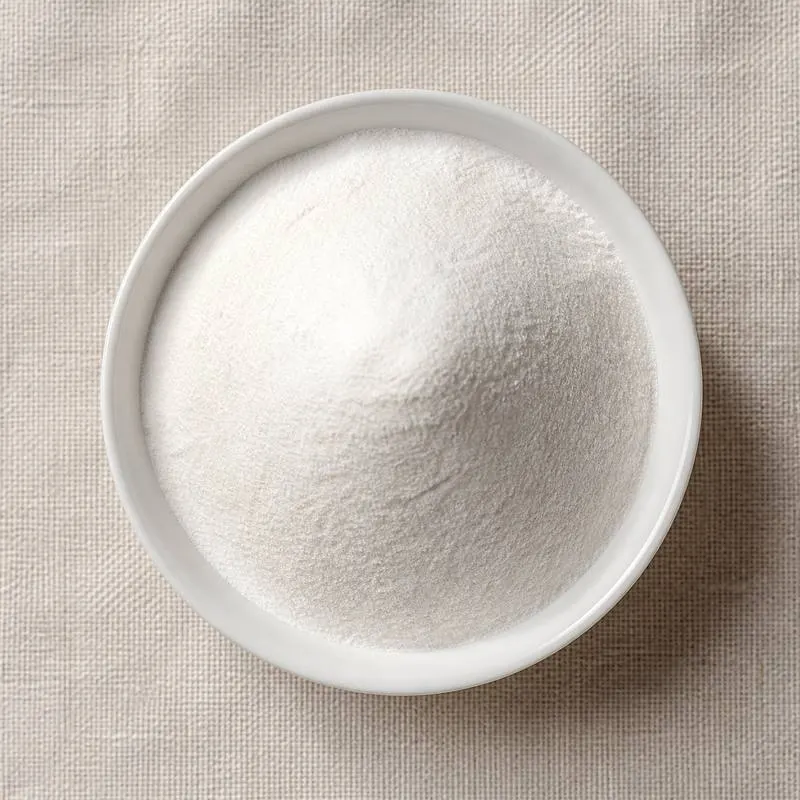
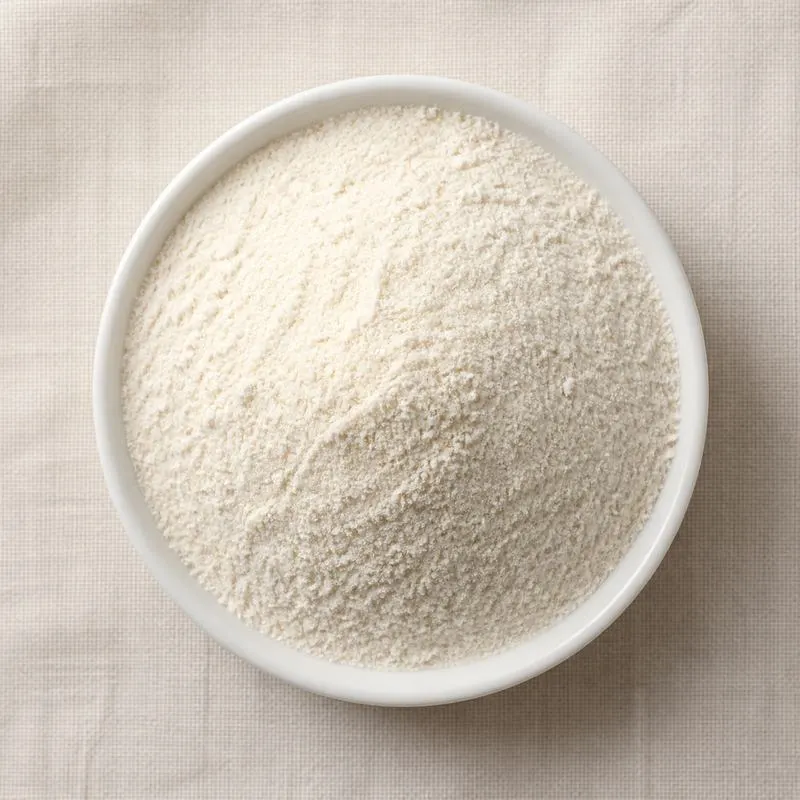
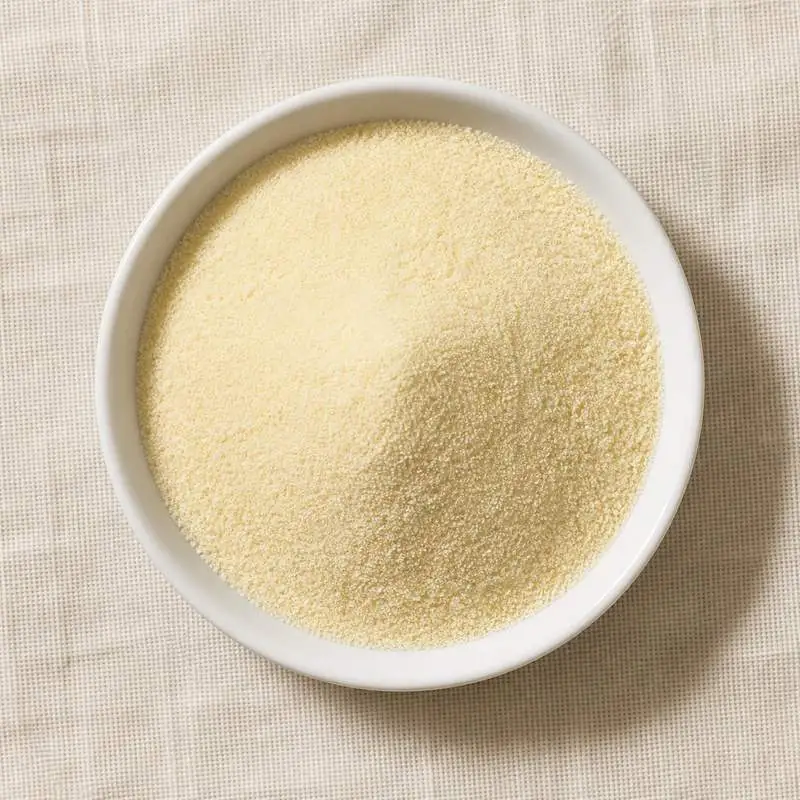
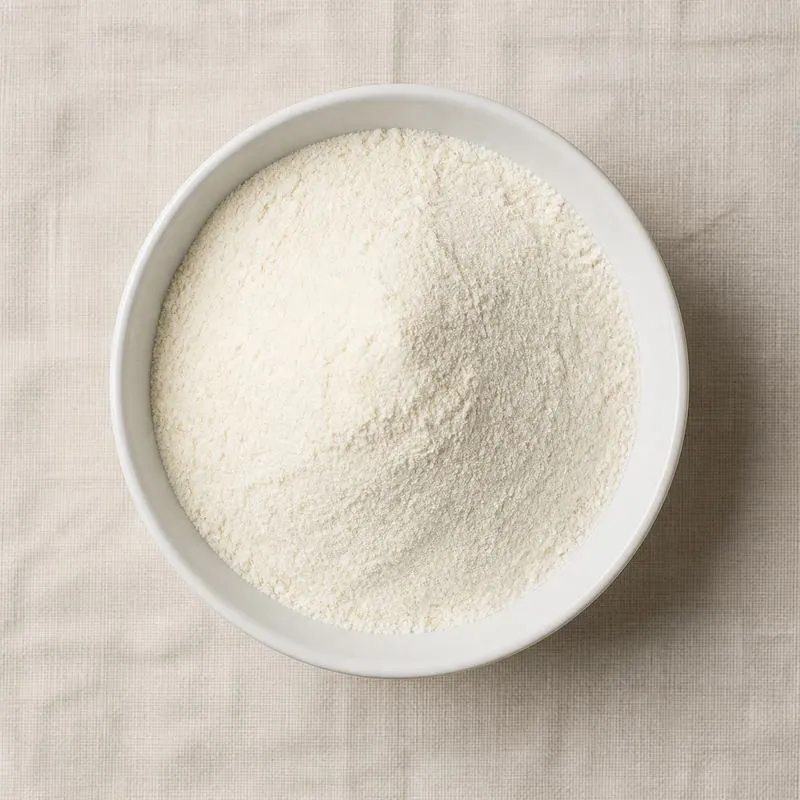
Spleen protein peptide is a protein hydrolysate prepared from the spleen tissue of food animals, most commonly pig or cattle, in which the tissue protein has been broken down by proteases into short peptides and free amino acids. It is a light yellow to brownish spray dried powder with a savoury, meaty odour.
Spleen is a protein dense offal rich in globular proteins, haem-containing material and nucleotides, which gives the hydrolysate an amino acid profile high in glutamic acid, leucine, lysine and arginine, and a significant residual iron content that accounts for the colour. The average molecular weight of the peptide fraction is typically under 2000 daltons, with the greater part below 1000 daltons.
The powder is readily soluble in water, giving a cloudy brown solution that remains dispersed across the pH range met in food and does not gel or precipitate at the isoelectric point in the way intact tissue protein does. Heat stability is good enough for retort processing, although prolonged high temperature holding darkens solutions through Maillard reaction with the free amino acids present.
We source bulk Spleen Protein Peptide from top China manufacturers for our partners. The manufacturer is in Hainan. A smaller requirement can ship in a combined container with other ingredients.
Please send the grade you need, the volume and your destination port, and we will come back with a solution and a price.
or call +86-21-6858 0751
- Function
- Protein
Specifications
| Item | Specification |
|---|---|
| Appearance | Light yellow to brown fine powder |
| Odour | Characteristic savoury, free from putrid notes |
| Protein (dry basis) | ≥ 85.0% |
| Peptide Fraction below 1000 Da | ≥ 70.0% |
| Identification | Conforms by amino acid profile and species PCR |
| Loss on Drying | ≤ 7.0% |
| Ash | ≤ 8.0% |
| Fat | ≤ 1.0% |
| pH (1% solution) | 5.5 to 7.0 |
| Heavy Metals (as Pb) | ≤ 10 mg/kg |
| Lead | ≤ 1.0 mg/kg |
| Arsenic | ≤ 0.5 mg/kg |
| Total Plate Count | ≤ 10,000 cfu/g |
| Yeast and Mould | ≤ 100 cfu/g |
| Escherichia coli | Negative in 1 g |
| Salmonella | Negative in 25 g |
Common Markets Grades
Two commercial tiers are traded. A food grade is made under slaughterhouse hygiene controls from inspected material and carries full microbiological and heavy metal limits; assay is usually stated as 80 to 90 percent protein on a dry basis with the fraction below 1000 daltons quoted separately. A feed grade, made to looser ash and moisture limits, is the larger volume product and goes into aquaculture and pet food palatants.
Within the food grade, buyers distinguish a standard spray dried powder from a deodorised and partly decolourised grade that has been carbon treated to lift some of the haem colour and the strongest offal notes. Species declaration matters commercially, since porcine and bovine origin are not interchangeable for halal, kosher or religious labelling purposes, and the certificate of analysis normally names the species and the abattoir country.
Applications
- Savoury seasoning bases and reaction flavours, where the free amino acids and peptides act as Maillard precursors for meat notes
- Bouillon cubes and soup powders, contributing body and a background meaty character alongside yeast extract
- Aquaculture feed, where the low molecular weight peptides act as a feeding attractant for shrimp and marine fish
- Pet food palatants applied as a coating on extruded kibble
- Piglet and calf milk replacers, as a highly digestible protein fraction for animals with immature digestive systems
- Nutritional supplement capsules and tablets positioned on the iron and amino acid content
- Microbiological culture media, as a peptone source for fermentation and diagnostic media
- Processed meat products, where a small addition contributes water binding and savoury depth
China Manufacturers of Spleen Protein Peptide
Top Spleen Protein Peptide manufacturers in China.

Company names and logos are the property of the manufacturers themselves. They are listed here because our own directory records them as producing this ingredient. A listing is not an endorsement by them, and we do not represent them or speak on their behalf.
Regulatory Status
In the United States, edible offal from inspected slaughter is a food, and a hydrolysate made from it with cleared processing enzymes is regulated as a food ingredient rather than as an additive. The enzymes used must themselves be permitted for use in food processing, and the raw material must come from establishments under federal meat inspection. Material sold for animal feed falls under the FDA animal food framework and, in practice, the ingredient definitions maintained by the association of state feed control officials.
In the European Union, spleen intended for human consumption is an edible co-product handled under the food hygiene regulations for products of animal origin, while material destined for feed is governed by the animal by-products rules, which set the category and the processing standard. Hydrolysed animal protein for feed use must meet the processing conditions laid down in the transmissible spongiform encephalopathy regulation, and bovine sourced material carries additional specified risk material controls. No E number applies, since the product is a protein ingredient rather than a food additive. Codex has no commodity standard specific to spleen hydrolysate.
Manufacturing Process
Chilled spleens from inspected slaughter are trimmed of connective tissue and fat, washed and minced, then slurried with water and heated briefly to pasteurise the mass and denature the native protein so that it is more accessible to the enzymes. The slurry is adjusted to the pH and temperature optimum of the selected protease, generally an alkaline bacterial endoprotease, and hydrolysed for several hours under agitation with continuous pH control.
A second exopeptidase stage is often run at neutral pH to trim bitter peptides and raise the free amino acid content. The enzymes are then inactivated by heating, and the hydrolysate is centrifuged and filtered to remove fat, cell debris and undigested residue. Fat is separated in a disc stack separator. The clarified liquor is passed through ultrafiltration to set the molecular weight cut-off, decolourised on activated carbon where a paler powder is wanted, concentrated under vacuum, and spray dried. Powder is sieved and, for food grade material, blended and sampled by lot.