Spleen Protein Peptide Freeze Dried
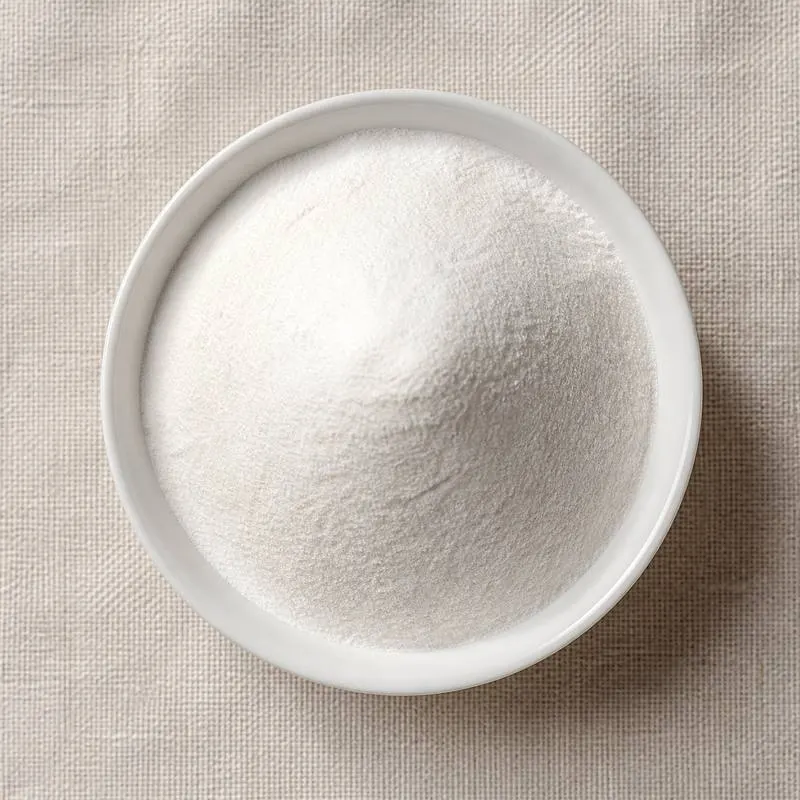
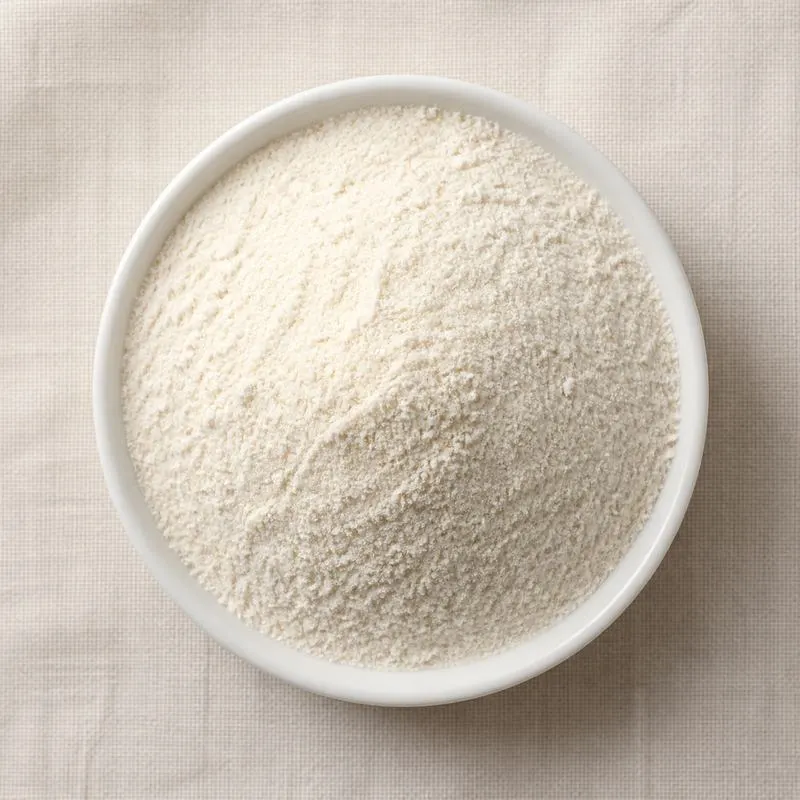
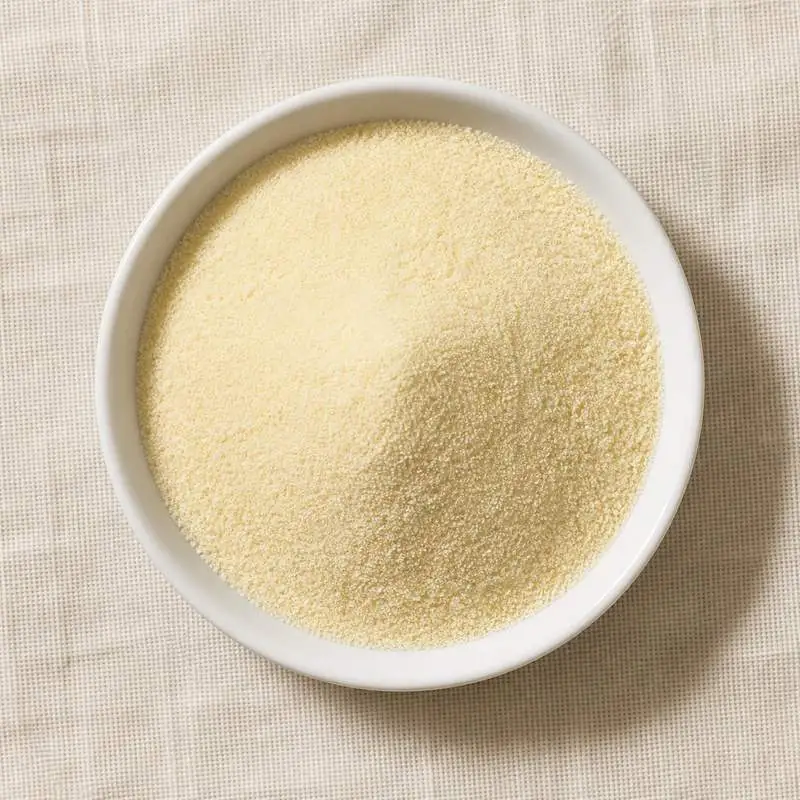
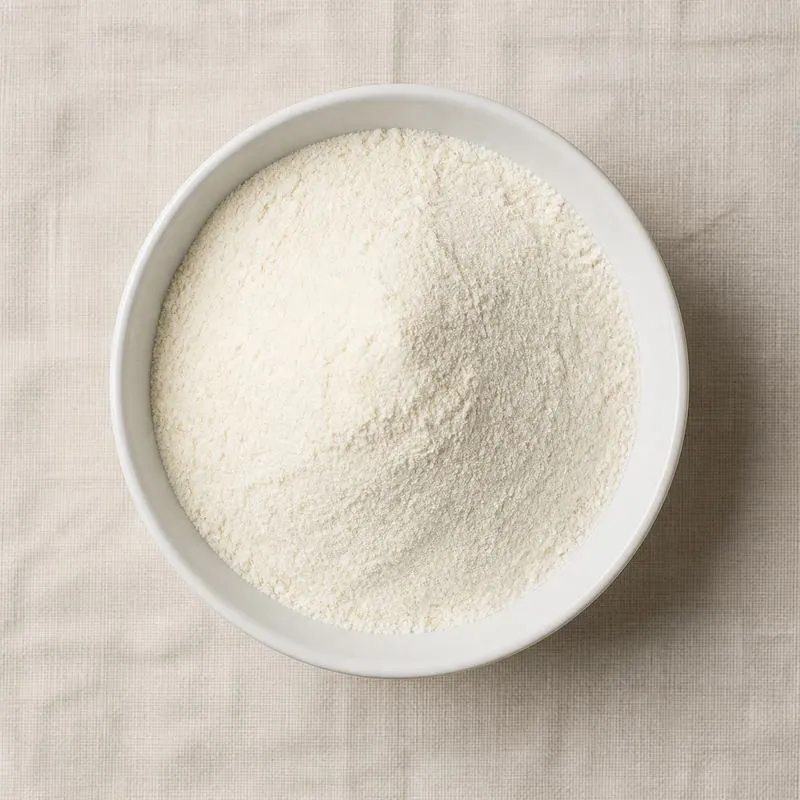
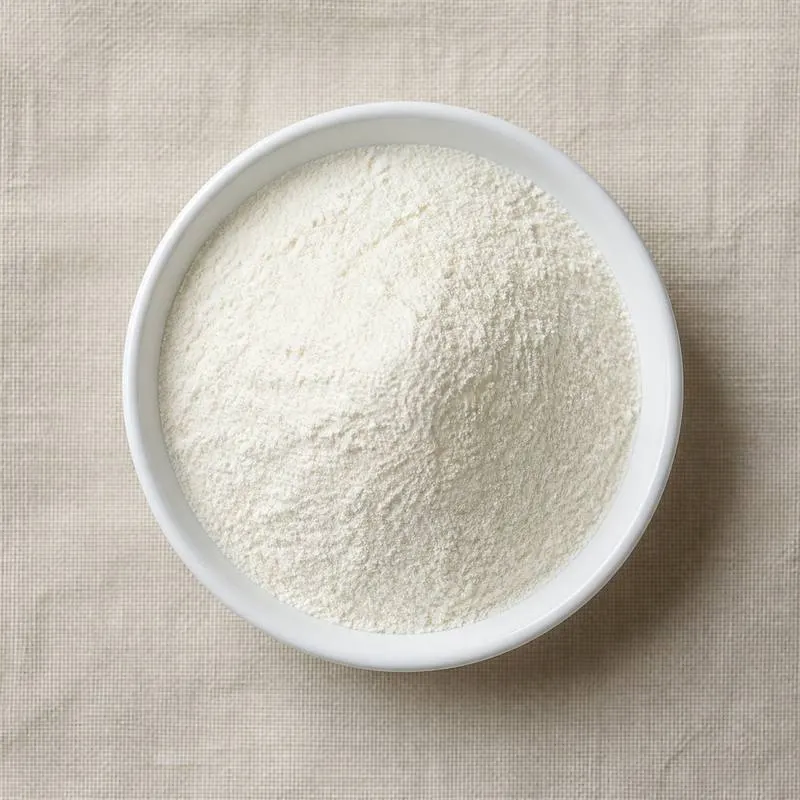
Spleen protein peptide freeze dried is a protease hydrolysate of animal spleen tissue, normally porcine or bovine, that has been dried by freeze drying rather than by spray drying. The finished material is a light, porous powder or flake, pale yellow to brown, that collapses to a fine powder under light pressure.
The peptide composition matches that of the spray dried product, with the tissue protein cut into fragments largely below 1000 daltons alongside a fraction of free amino acids. What the freeze drying step changes is the thermal history. The concentrate is frozen and the water is removed by sublimation under vacuum at low temperature, so the heat sensitive fractions, the residual enzyme derived activity and the native colour are carried through with less degradation and less Maillard browning than a hot air process causes.
The dried cake is highly porous, which makes it hygroscopic and quick to rehydrate. It disperses in cold water within seconds to a cloudy brown solution with no lumping, and it stays soluble across the pH range used in food and supplement systems. Because of the hygroscopicity it is packed with a desiccant and handled in a low humidity room.
We source bulk Spleen Protein Peptide Freeze Dried from top China manufacturers for our partners. The manufacturer is in Hainan. A smaller requirement can ship in a combined container with other ingredients.
Please send the grade you need, the volume and your destination port, and we will come back with a solution and a price.
or call +86-21-6858 0751
- Function
- Protein
Specifications
| Item | Specification |
|---|---|
| Appearance | Pale yellow to brown porous flake or powder |
| Odour | Characteristic savoury, free from putrid notes |
| Protein (dry basis) | ≥ 88.0% |
| Peptide Fraction below 1000 Da | ≥ 70.0% |
| Identification | Conforms by amino acid profile and species PCR |
| Loss on Drying | ≤ 5.0% |
| Ash | ≤ 8.0% |
| Fat | ≤ 1.0% |
| pH (1% solution) | 5.5 to 7.0 |
| Heavy Metals (as Pb) | ≤ 10 mg/kg |
| Lead | ≤ 1.0 mg/kg |
| Arsenic | ≤ 0.5 mg/kg |
| Total Plate Count | ≤ 10,000 cfu/g |
| Yeast and Mould | ≤ 100 cfu/g |
| Escherichia coli | Negative in 1 g |
| Salmonella | Negative in 25 g |
Common Markets Grades
The material is traded as a single food or supplement grade, differentiated mainly by assay and by species declaration. Protein content is normally specified at 85 to 92 percent on a dry basis, with the fraction below 1000 daltons stated separately, and moisture is held lower than the spray dried equivalent, commonly at 5 percent maximum, because sublimation drying removes water more completely.
Physical form is the other variable. The lyophilised cake is sold either as an irregular flake for further processing or milled and sieved to a powder for direct blending into capsules and sachets. Species origin is declared on the certificate, since porcine and bovine material serve different religious and regional labelling requirements.
Applications
- Capsules and tablets in the nutritional supplement trade, where the low thermal load is the reason for choosing the freeze dried form
- Instant sachets and stick packs, which use the fast cold water dispersion of the porous cake
- Clinical and convalescent nutrition formulas, as a pre-digested protein fraction for compromised digestion
- Microbiological peptone and cell culture media, where a gently dried hydrolysate gives more consistent growth performance
- High value pet supplements and veterinary formulations sold as powders rather than as extruded feed
- Reference and pilot batches for reaction flavour development, where the unbrowned starting material gives a cleaner baseline
- Cosmetic and personal care actives, blended into serums for the low molecular weight peptide fraction
- Analytical and laboratory use as a protein hydrolysate standard
China Manufacturers of Spleen Protein Peptide Freeze Dried
Top Spleen Protein Peptide Freeze Dried manufacturers in China.

Company names and logos are the property of the manufacturers themselves. They are listed here because our own directory records them as producing this ingredient. A listing is not an endorsement by them, and we do not represent them or speak on their behalf.
Regulatory Status
In the United States the product is treated as a food ingredient rather than a food additive, since it is made from edible offal from federally inspected slaughter using enzymes cleared for food processing. Freeze drying is a physical process and does not change that classification. Material sold into the supplement trade is handled under the dietary supplement framework, and material sold for animal use falls under the FDA animal food rules and the ingredient definitions maintained by the association of state feed control officials.
In the European Union, spleen destined for human consumption is an edible co-product under the hygiene regulations for products of animal origin, while feed destined material is governed by the animal by-products rules and, for hydrolysed animal protein, by the processing conditions in the transmissible spongiform encephalopathy regulation. Bovine sourced material carries additional specified risk material controls. No E number applies, since the product is a protein ingredient and not an additive, and Codex has issued no commodity standard covering spleen hydrolysates.
Manufacturing Process
The upstream route is the same as for the spray dried product. Spleens from inspected slaughter are trimmed, washed, minced and slurried, given a short thermal pretreatment to denature the native protein, then hydrolysed with a food grade endoprotease under controlled pH and temperature, often followed by an exopeptidase stage to reduce bitterness. Enzymes are inactivated by heat, and fat, debris and undigested residue are removed by centrifugation and filtration.
The clarified hydrolysate passes through ultrafiltration to set the molecular weight cut-off, and is concentrated under vacuum at low temperature to a solids level that will freeze into a workable cake. The concentrate is spread in trays and frozen, then loaded into a vacuum chamber where primary drying sublimes the ice at low shelf temperature and secondary drying removes bound water. The cake is broken out, milled and sieved in a humidity controlled room, and packed immediately into moisture barrier containers.