Squalene
Squalene is a triterpenic hydrocarbon, C30H50, built from six isoprene units and carrying six carbon carbon double bonds. It is a biosynthetic intermediate on the pathway to cholesterol and to all other sterols, formed by the head to head condensation of two farnesyl pyrophosphate units, and it occurs in every organism that makes sterols.
Its commercial history began with shark liver oil, in which it can reach 40 to 90 percent of the lipid, and the trade has since shifted substantially toward plant sources, principally the deodoriser distillate of olive oil and of amaranth, rice bran and sugarcane derived material. Human skin sebum also contains it, which is the basis for its long standing use as a cosmetic emollient.
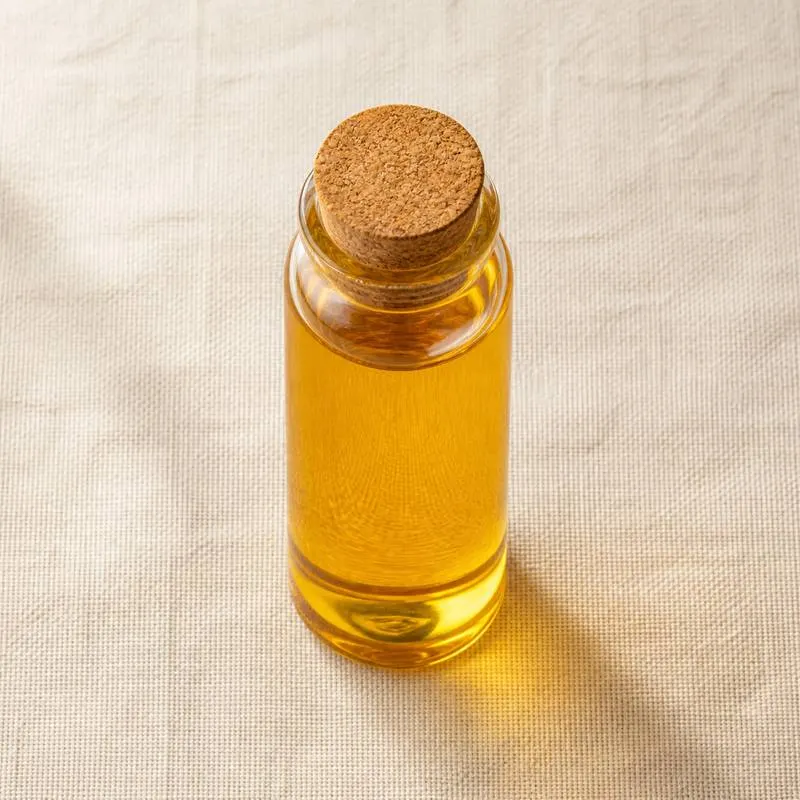
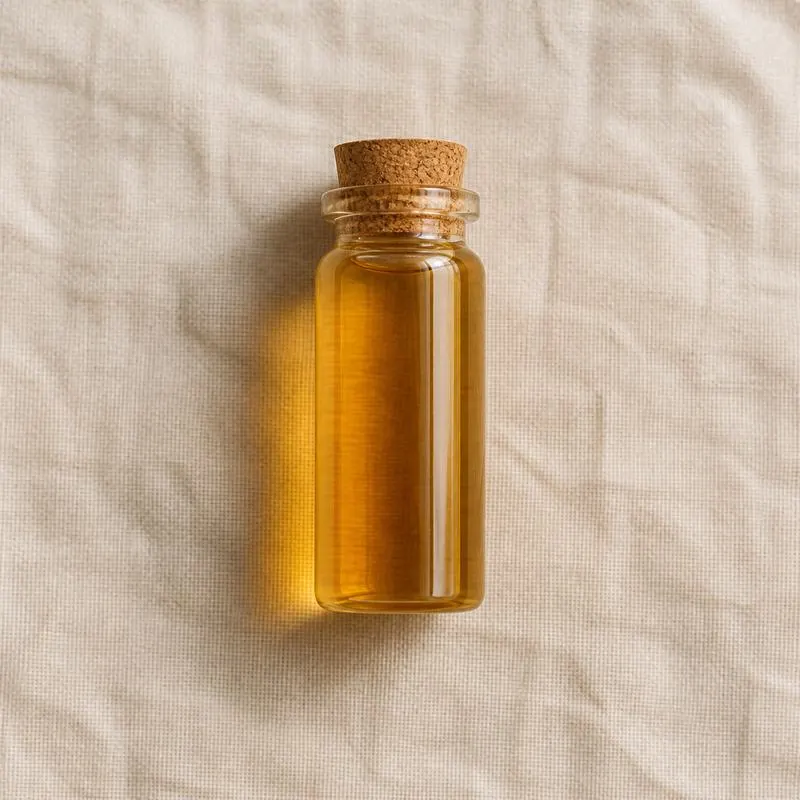
The material is a clear colourless to pale yellow oil, practically odourless when well refined, insoluble in water and miscible with vegetable oils and non polar solvents. Its six double bonds make it readily oxidisable, and it polymerises on prolonged air exposure, so it is stored under nitrogen with antioxidant and away from light. The fully hydrogenated derivative squalane, in which all six double bonds are saturated, is a distinct and much more stable product traded separately for cosmetic use, and the two names should not be treated as interchangeable on a specification.
We source bulk Squalene from top China manufacturers for our partners. The manufacturers are in Jiangsu and Zhejiang. A smaller requirement can ship in a combined container with other ingredients.
Please send the grade you need, the volume and your destination port, and we will come back with a solution and a price.
or call +86-21-6858 0751
- Function
- Nutraceutical
Specifications
| Item | Specification |
|---|---|
| Appearance | Clear colourless to pale yellow oil |
| Odour | Practically odourless |
| Assay (gas chromatography) | Not less than 92.0 percent |
| Identification | Infrared spectrum and retention time conform to reference |
| Refractive Index at 20 C | 1.494 to 1.499 |
| Specific Gravity at 20 C | 0.855 to 0.870 |
| Acid Value | Not more than 1.0 mg KOH/g |
| Peroxide Value | Not more than 5.0 meq/kg |
| Iodine Value | 360 to 385 |
| Unsaponifiable Matter | Not less than 95.0 percent |
| Moisture | Not more than 0.1 percent |
| Residual Solvent | Not more than 10 mg/kg |
| Lead | Not more than 0.1 mg/kg |
| Arsenic | Not more than 0.1 mg/kg |
| Total Plate Count | Not more than 100 cfu/g |
Common Markets Grades
Purity and source are the two grading axes. Food and supplement grade is traded at 92 to 98 percent squalene by gas chromatography, cosmetic grade at similar purity with tighter colour and odour limits, and pharmaceutical grade at 98 percent or higher for use as a vaccine adjuvant component, where the specification adds controls on peroxide, residual solvent and endotoxin.
Source is stated explicitly on every offer because it carries commercial and regulatory weight. Shark liver derived material remains available but is under sustained pressure on conservation grounds and is refused by many buyers. Olive derived squalene, recovered from the deodoriser distillate of olive oil refining, is the dominant plant source and is sold with origin documentation. Amaranth seed oil derived and sugarcane fermentation derived material are also traded, the last produced by an engineered yeast and marketed on its consistency and traceability. Vegan, kosher and halal declarations accompany plant and fermentation derived grades, and physical presentation is limited to bulk oil packed under nitrogen in drums or intermediate bulk containers.
Applications
- Cosmetic emollients, serums and moisturisers, where it matches a natural constituent of skin sebum
- Squalane manufacture, the hydrogenated derivative being the larger cosmetic ingredient by volume
- Dietary supplement softgels sold on antioxidant and skin health positioning
- Vaccine adjuvant emulsions in pharmaceutical manufacture, where high purity squalene is the oil phase
- Carrier and solvent for lipid soluble actives in supplement and topical formulations
- Sun care preparations, where it functions as an emollient and spreading agent
- Hair care products, where it adds slip and reduces moisture loss from the fibre
- Functional food oils and blends in markets where squalene supplements have an established position
- Lubricant and specialty chemical intermediate for high performance non polar fluids
- Analytical reference standard for terpene and hydrocarbon quantification in edible oils
China Manufacturers of Squalene
Top Squalene manufacturers in China.
 Biocatsyn (Jiangsu) Biotechnology Co., Ltd.4 ingredients in the directory
 Viablife6 ingredients in the directory
Company names and logos are the property of the manufacturers themselves. They are listed here because our own directory records them as producing this ingredient. A listing is not an endorsement by them, and we do not represent them or speak on their behalf.
Regulatory Status
In the United States squalene is used as a food and supplement ingredient and as a cosmetic ingredient, and it appears among the substances permitted in food contact and food processing applications. It is not a food additive with its own regulation, and supplement products are sold under the dietary supplement framework with structure function claims. High purity squalene used as a component of vaccine adjuvant emulsions is regulated as part of the finished drug product rather than as a food ingredient, and carries a correspondingly different specification and quality system.
In the European Union squalene is not a food additive and holds no E number. Plant derived squalene obtained from olive oil has a history of consumption as a minor constituent of the oil, but a concentrated preparation should be assessed against the novel food regulation for the specific source and process, and shark derived material raises separate questions under species protection and trade controls. Squalene and squalane are listed cosmetic ingredients with entries in the cosmetic ingredient inventory. Neither JECFA nor Codex has published specifications for the substance. Trade in shark derived material is additionally affected by species listings under the Convention on International Trade in Endangered Species, which is a documentation requirement rather than a food safety one.
Manufacturing Process
The dominant plant route recovers squalene from olive oil deodoriser distillate, the volatile fraction condensed from the steam stripping stage of edible oil refining, which concentrates the unsaponifiable components of the oil. The distillate is first esterified or saponified to convert free fatty acids into a form that can be separated, then the unsaponifiable fraction is taken forward. Squalene is separated from sterols, tocopherols and residual fatty material by molecular or short path distillation under high vacuum, a route that uses the difference in volatility while keeping the temperature low enough that the polyunsaturated hydrocarbon does not polymerise. Several distillation passes are normally required to reach food and cosmetic purity, and a final polish over adsorbent clay or carbon removes colour and odour compounds.
The shark liver route, still used in some supply, extracts oil from the liver by rendering or solvent extraction and then applies the same molecular distillation train to concentrate the squalene from an already rich feedstock. The fermentation route is different in kind: an engineered yeast, usually a Saccharomyces or Yarrowia strain carrying an amplified mevalonate pathway, is grown on sugarcane derived sugar in an aerated fermenter and accumulates squalene intracellularly, after which the biomass is separated, lysed and extracted with solvent, and the crude extract is taken through the same distillation and polishing steps. All routes finish with antioxidant dosing, polish filtration and filling under nitrogen into light protected containers.