Tamarind Flavoring
Tamarind flavouring is a preparation that delivers the sour fruity character of the pulp of Tamarindus indica, the pod bearing legume tree grown across tropical Africa, India and Southeast Asia. It is traded both as an extract and concentrate of the pulp itself and as a compounded flavouring in which the fruit character is reconstructed with aroma chemicals over an acid base.
What distinguishes tamarind from other sour fruits is the acid it carries. The pulp is dominated by tartaric acid, which is unusual in a fruit outside the grape, at levels that can reach a tenth of the pulp weight, alongside smaller amounts of citric and malic acid, and it is that hard, clean sourness rather than the aroma that most people recognise as tamarind. The aroma fraction is comparatively soft and complex, built from furan derivatives including 2 acetylfuran and furfural, short chain acids, hexenals and pyrazines formed during pod ripening and drying, giving a date like, slightly caramelised and faintly smoky impression.
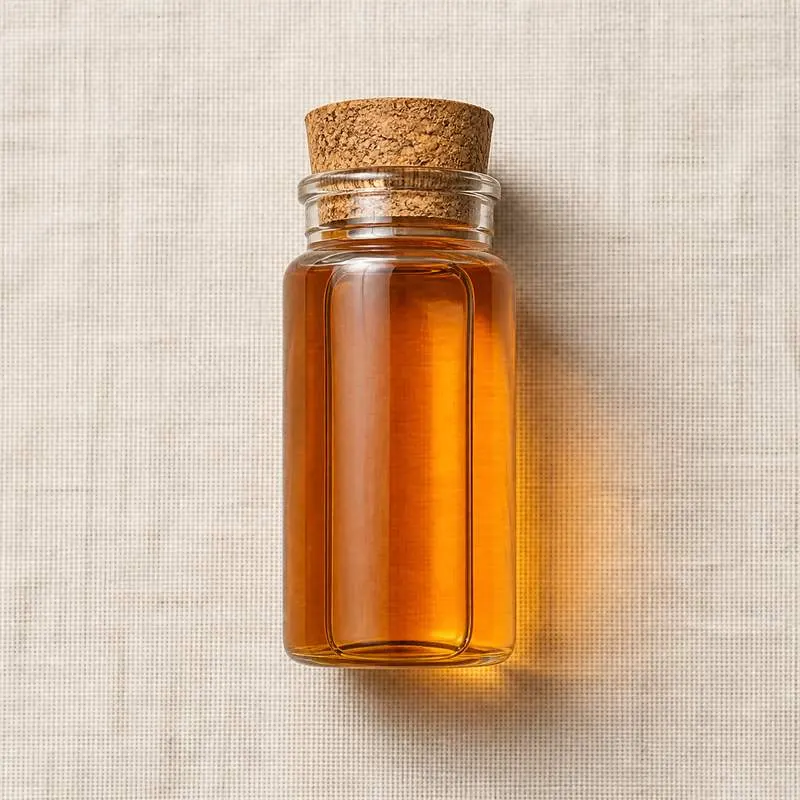
Commercial forms cover a dark brown pulp paste or block, a concentrated extract at high solids, a spray dried powder on a carbohydrate carrier, and clear liquid flavourings compounded in propylene glycol or ethanol. The natural forms are strongly acidic and strongly coloured, so their dosage in a pale or a pH sensitive product is limited by colour and acidity rather than by flavour, which is the usual reason a formulator moves to a compounded grade.
We source bulk Tamarind Flavoring from top China manufacturers for our partners. The manufacturer is in Yunnan. A smaller requirement can ship in a combined container with other ingredients.
Please send the grade you need, the volume and your destination port, and we will come back with a solution and a price.
or call +86-21-6858 0751
- Function
- Flavours and Aromas
Specifications
| Item | Specification |
|---|---|
| Appearance | Dark brown paste, concentrate, powder or clear compounded liquid |
| Odour and Taste | Characteristic sour and date like, no fermented, mouldy or scorched note |
| Identification | Sensory profile conforms to retained reference sample |
| Total Soluble Solids, concentrate grades | Not less than 60 Brix |
| Titratable Acidity as Tartaric Acid | Not less than 8.0% on dry basis |
| pH | 2.2 to 3.2 |
| Moisture, powder grades | Not more than 5.0% |
| Seed and Fibre Content | Not more than 0.5% for deseeded grades |
| Lead | Not more than 1.0 mg/kg |
| Arsenic | Not more than 0.5 mg/kg |
| Total Plate Count | Not more than 5,000 cfu/g |
| Yeast and Mould | Not more than 100 cfu/g |
| Escherichia coli | Absent in 1 g |
| Salmonella | Absent in 25 g |
Common Markets Grades
The first grade distinction is between fruit derived and compounded material. Pulp based grades, whether paste, concentrate or spray dried powder, are quoted on total soluble solids, on titratable acidity expressed as tartaric acid, and on the presence or absence of seed and fibre, and they carry both taste and colour into the finished product. Compounded flavour grades carry aroma alone at a dosage measured in tenths of a percent, and leave the formulator to build the acidity separately with added tartaric or citric acid, which allows the sourness and the aroma to be adjusted independently.
Within the pulp grades, seedless and deseeded pastes are traded above whole pulp, and a fibre free concentrate produced by pulping and screening is graded higher again for use in beverages. Sweetened grades, in which sugar has been added to the pulp, are traded separately from unsweetened. Among compounded grades, water soluble liquids serve beverages, oil soluble grades serve confectionery fat systems, and spray dried and encapsulated powders serve dry mixes and seasoning blends. Natural and artificial declarations are quoted separately, as is a fruit content figure where the flavouring includes pulp extract.
Applications
- Tamarind soft drinks and fruit beverages, a major category in Mexico, India and Southeast Asia
- Brown sauces, including Worcestershire style and steak sauces, where tamarind is a defining component
- Chutneys, pickles and Indian condiment manufacture
- Pad Thai and Southeast Asian sauce bases produced in central kitchens
- Curry pastes and cooking sauce concentrates, supplying the souring element
- Confectionery, in sour and chilli coated tamarind sweets
- Meat marinades and glazes, where the acid tenderises and the sugars support browning
- Snack seasonings in sour and tangy directions, using a spray dried grade
- Fruit preparations, jams and dessert sauces
- Alcoholic drinks and mixers in tropical fruit directions
China Manufacturers of Tamarind Flavoring
Top Tamarind Flavoring manufacturers in China.
Company names and logos are the property of the manufacturers themselves. They are listed here because our own directory records them as producing this ingredient. A listing is not an endorsement by them, and we do not represent them or speak on their behalf.
Regulatory Status
Tamarind pulp and its concentrates are foods rather than food additives and carry no E number, while compounded tamarind flavourings are flavourings under the relevant framework. In the European Union each flavouring substance used must appear on the Union list of flavouring substances authorised for use in and on foods, and the flavourings framework determines when a preparation may be described as natural tamarind flavouring. In the United States the individual substances hold FEMA GRAS status or appear among the synthetic flavouring substances permitted for food use, with 21 CFR 101.22 governing the natural and artificial labelling of the finished food.
Where acidity is adjusted with added tartaric or citric acid, those are permitted food additives with their own E numbers in the European Union and are generally recognised as safe in the United States, and must be declared. Manufacture in the United States falls under the preventive controls requirements for human food, and an acidified shelf stable product in a hermetically sealed container falls under the acidified foods rules, which the natural acidity of tamarind normally satisfies without further addition. Pesticide residue limits and lead limits apply to the incoming fruit, and mould growth on poorly dried pods is the recognised quality risk, so mycotoxin screening is a common release requirement. Codex covers the material through its general standard for contaminants and its guidelines for the use of flavourings.
Manufacturing Process
Ripe pods are harvested, dried and shelled, and the fibrous strands and shell fragments are removed by hand or mechanically. For pulp based material the pulp is soaked in warm water, worked to release it from the seed, and passed through a pulper and a series of finishing screens that separate seed and fibre from the fruit slurry. The slurry is heated briefly to inactivate enzymes and reduce the microbial load, then concentrated under vacuum at low temperature to a paste or a high solids concentrate, since prolonged heat darkens the product and degrades the aroma. Spray dried powder is made by blending the concentrate with maltodextrin or a modified starch, homogenising and drying in a tower, a step that requires a carrier because the high sugar and acid content of the pulp alone gives a sticky powder.
Compounded flavourings are built separately. Aroma stripped from the concentrate during vacuum evaporation is captured and rectified to give a natural tamarind distillate, and this is blended with furan derivatives, acids, aldehydes and supporting aroma chemicals on a formula, with the most powerful materials pre diluted so that they can be dosed accurately. The batch is agitated, held so the flavours come together, filtered and standardised against a retained reference by sensory panel supported by gas chromatography, then filled, emulsified or spray dried according to the grade.