Textured Fibrous Soy Protein
Textured fibrous soy protein is a soy protein material that has been extruded under high moisture so that the protein aligns into long anisotropic fibres resembling the muscle bundles of whole cut meat. It is distinct from conventional textured soy protein, which is extruded dry and comes out as isotropic chunks or granules that must be rehydrated.
The starting protein is soy protein isolate or concentrate, sometimes blended with wheat gluten. Inside a long cooling die the melted protein mass is sheared and laminated as it cools, and the glycinin and beta conglycinin chains unfold, realign along the flow direction and re-crosslink through disulphide bonds and hydrophobic interactions. The result is a layered fibrous block with a moisture content of 50 to 70 percent, sold chilled or frozen, or a dried version that is rehydrated before use.
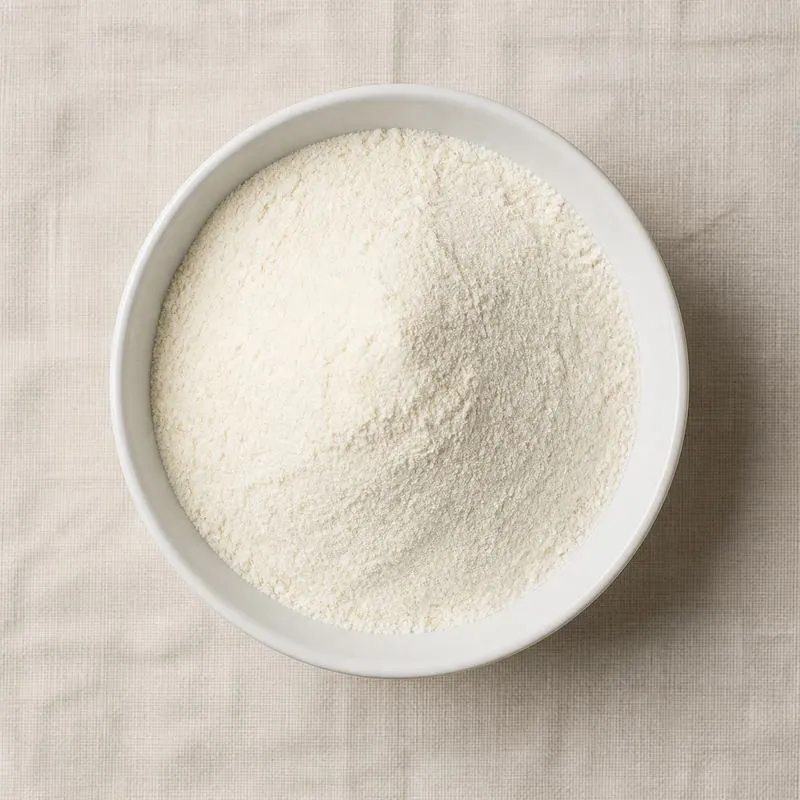
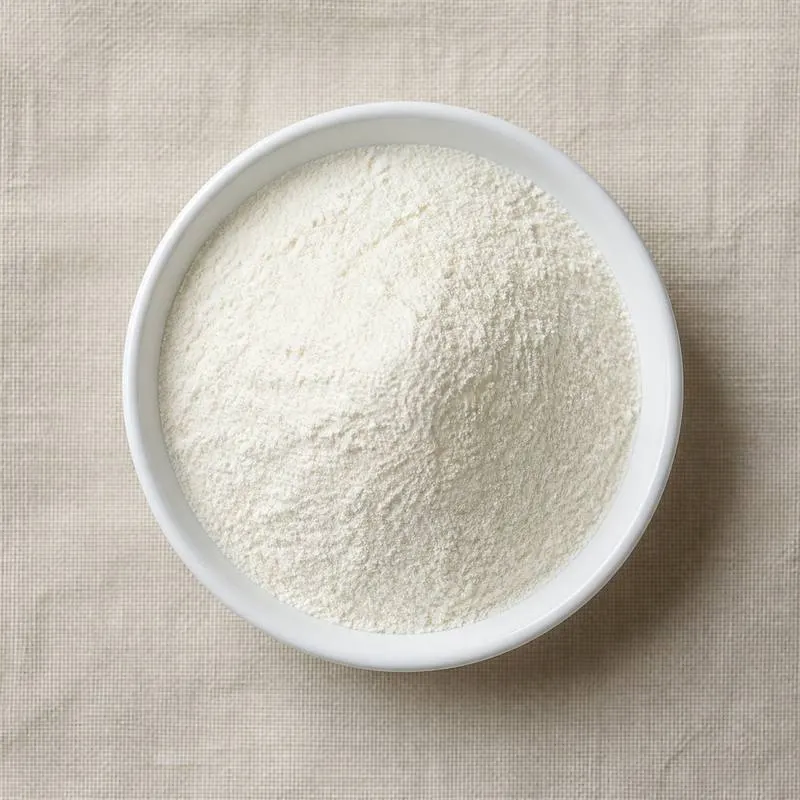
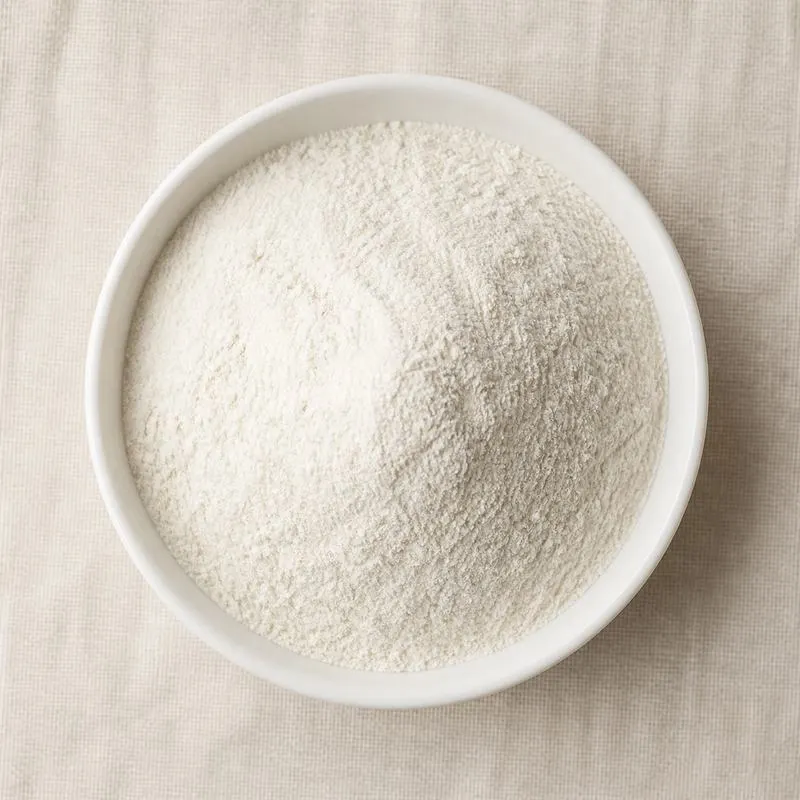
The fibres tear along their length rather than crumbling, hold added marinade and fat, and survive frying, retort and freeze thaw cycles without collapsing into paste. Protein content on a dry basis is typically 55 to 75 percent depending on the raw material. The material is bland and pale beige, which is why colour and flavour are added downstream rather than being carried by the protein itself.
We source bulk Textured Fibrous Soy Protein from top China manufacturers for our partners. The manufacturer is in Shandong. A smaller requirement can ship in a combined container with other ingredients.
Please send the grade you need, the volume and your destination port, and we will come back with a solution and a price.
or call +86-21-6858 0751
- Function
- Protein
Specifications
| Item | Specification |
|---|---|
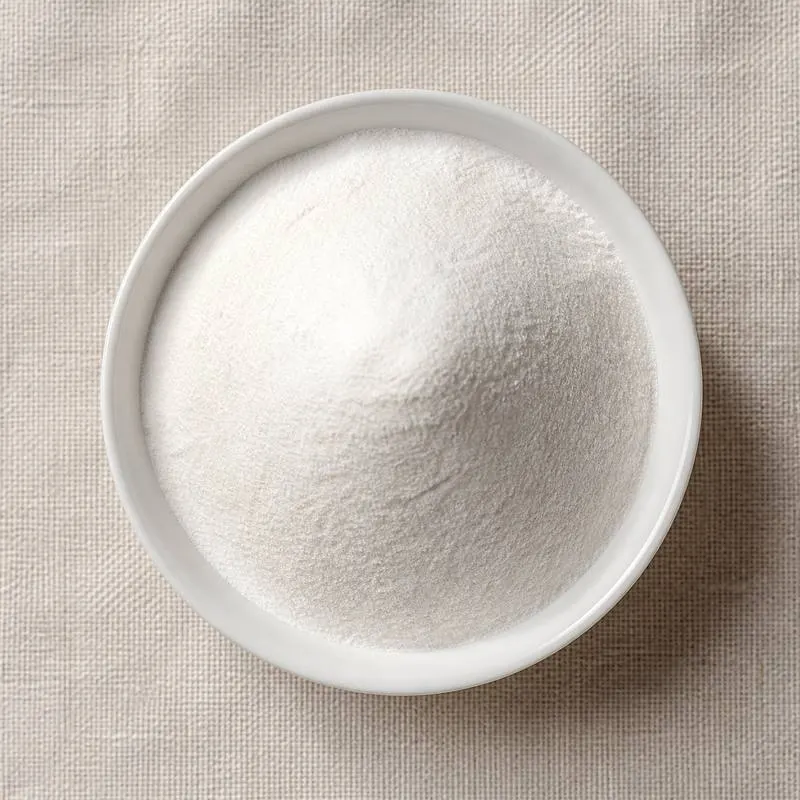
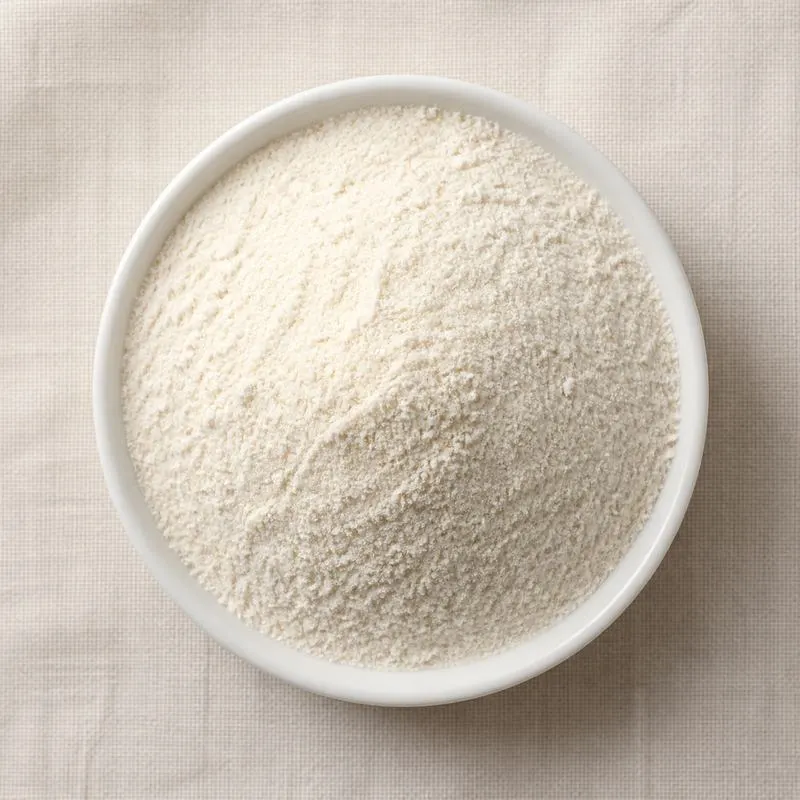
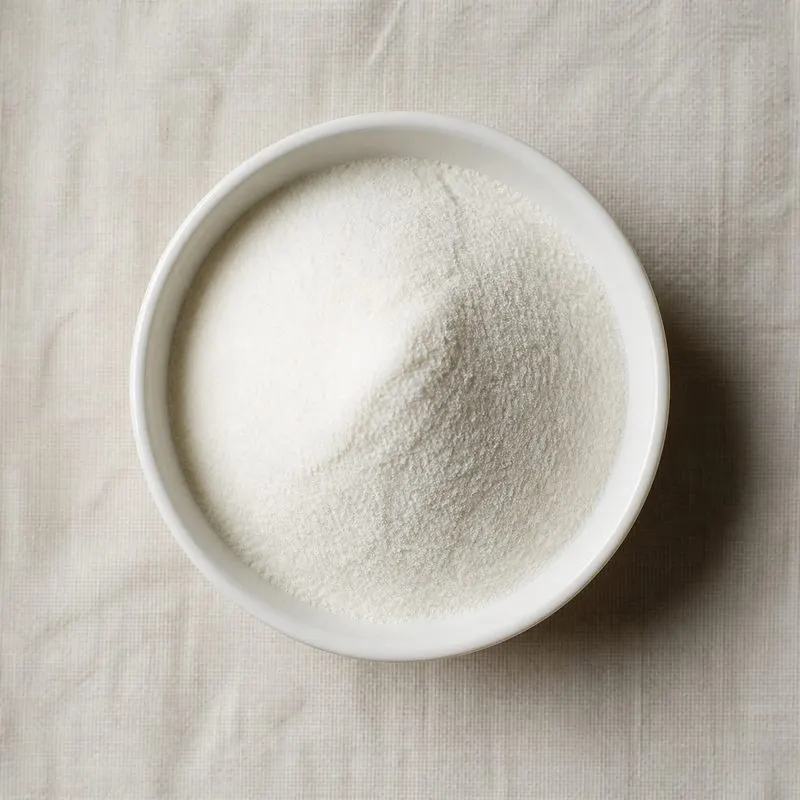
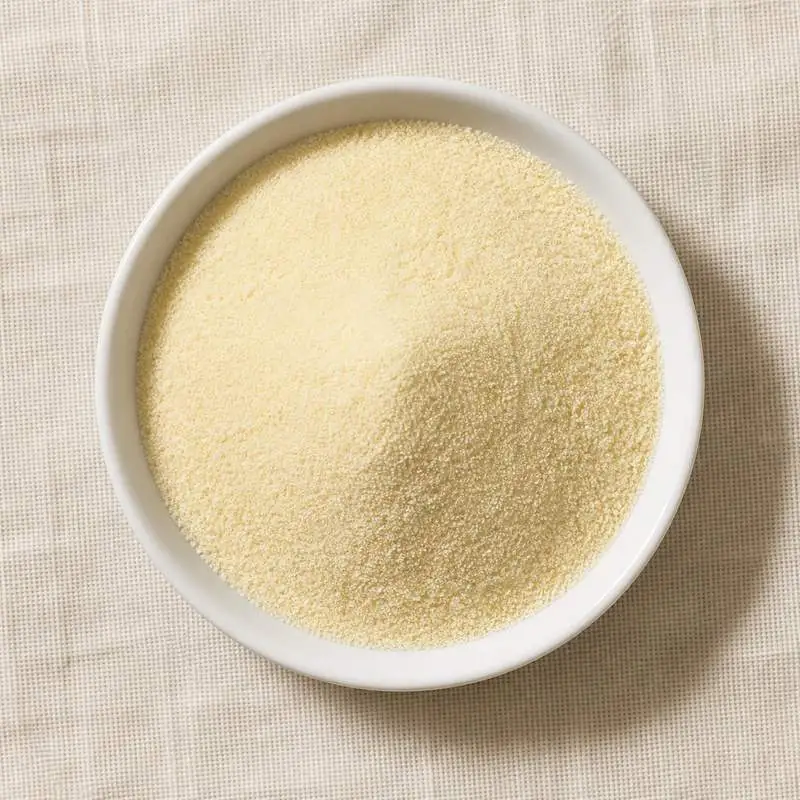
| Appearance | Pale beige fibrous strips or chunks with visible grain |
| Odour and Taste | Bland, characteristic of soy, free from rancid notes |
| Protein (dry basis, N x 6.25) | ≥ 65.0% |
| Identification | Conforms by protein profile and fibre orientation on tearing |
| Moisture (dry form) | ≤ 10.0% |
| Ash | ≤ 7.0% |
| Fat | ≤ 1.5% |
| Crude Fibre | ≤ 4.0% |
| Water Absorption | 2.5 to 3.5 times own weight |
| pH (1% dispersion) | 6.5 to 7.5 |
| Lead | ≤ 1.0 mg/kg |
| Arsenic | ≤ 0.5 mg/kg |
| Total Plate Count | ≤ 10,000 cfu/g |
| Yeast and Mould | ≤ 100 cfu/g |
| Escherichia coli | Negative in 1 g |
| Salmonella | Negative in 25 g |
Common Markets Grades
The trade splits first by moisture. High moisture extruded product comes as chilled or frozen fibrous blocks or shredded strands at 50 to 70 percent moisture, and is used directly as a whole cut or shredded meat analogue. Dry textured fibrous protein, extruded at lower moisture and then dried, is a shelf stable flake, chunk or strip at under 10 percent moisture that is rehydrated at a ratio of roughly one part protein to two or three parts water.
Within each form, grades are defined by protein level, which follows the raw material: concentrate based product at 55 to 65 percent protein on a dry basis and isolate based product at 70 percent and above, the latter giving finer and longer fibres. Piece geometry is the other specification, running from fine shreds through strips to whole cut blocks, and non genetically modified identity preserved and organic certified lines are traded separately.
Applications
- Whole cut meat analogues such as plant based chicken breast and steak, where the fibre length carries the eating quality
- Shredded and pulled products, where the block is torn along the grain to mimic pulled pork or shredded chicken
- Plant based nuggets, strips and schnitzel, battered and fried over a fibrous core
- Retorted and canned vegetarian meals, where the fibre survives sterilisation without breaking down
- Frozen ready meals, using the freeze thaw stability of the aligned structure
- Meat extension in patties and meatballs, replacing part of the animal protein while contributing bite
- Fillings for dumplings, pies and sandwiches, where the shredded form takes up sauce
- High protein snacks such as marinated dried strips and jerky style products
- Pet food chunks in gravy, where a fibrous piece holds shape through canning
China Manufacturers of Textured Fibrous Soy Protein
Top Textured Fibrous Soy Protein manufacturers in China.

Company names and logos are the property of the manufacturers themselves. They are listed here because our own directory records them as producing this ingredient. A listing is not an endorsement by them, and we do not represent them or speak on their behalf.
Regulatory Status
In the United States, textured soy protein is a food made from soy protein isolate or concentrate, both of which are used on the basis of common use in food and GRAS conclusions, and extrusion is a physical process that does not change that status. Textured vegetable protein appears in the Food Safety and Inspection Service regulations and directives governing meat and poultry products, which limit how much may be added to standardised products and how it must be declared. Soy and, where gluten is used, wheat are major food allergens requiring declaration.
In the European Union, the material is a food ingredient rather than an additive, so no E number applies, although any additive used in the formulation must be permitted under the additives regulation. Soybeans and cereals containing gluten are both listed among the allergens that must be emphasised in the ingredient list, and where genetically modified soy is used the traceability and labelling rules apply. Naming rules for plant based products that reference meat terms vary between member states. Codex has adopted a general standard for soy protein products covering isolate, concentrate and flour, which sets the compositional basis for the raw material used here.
Manufacturing Process
Soy protein isolate or concentrate, optionally blended with wheat gluten and a small quantity of starch, is metered into the feed port of a co-rotating twin screw extruder. Water is injected along the barrel to bring the mass to 50 to 70 percent moisture for the high moisture route, and the screw profile subjects the slurry to mechanical shear while the barrel is heated in zones to between 130 and 160 degrees Celsius. Under these conditions the protein melts into a viscoelastic dough and its native structure is destroyed.
The melt is pushed into a long cooling die, and this die is what makes the product fibrous. As the mass moves through it under laminar flow it is cooled below the melting point while still being sheared, so the unfolded protein chains align along the flow axis and set into layered fibres rather than expanding. The extrudate leaves the die as a dense fibrous slab without puffing, since it never sees the pressure drop that causes expansion. The slab is cut, then either chilled and frozen for the wet product, or shredded and dried in a belt dryer for the dry product, before packing.